Preprint
Review

This version is not peer-reviewed.

Deciphering Defense Mechanisms and Genetic Determinants of Insect Resistance in Brassica Species

  † These authors contributed equally to this work.

Submitted:

09 December 2025

Posted:

12 December 2025

You are already at the latest version

Abstract

Brassica crops (genus Brassica) represent globally important vegetables and oilseeds yet are continuously threatened by insect pests that reduce yield and quality. While classical physiological and chemical defence mechanisms such as the glucosinolate–myrosinase system have been well documented, recent advances in genomics and molecular biology are beginning to unravel the genetic basis of insect resistance in Brassica species. Notably, emerging evidence highlights the central role of jasmonic acid (JA) signalling and the transcription factor MYC2 as a master regulator of inducible defence responses, where stress-induced degradation of JAZ repressors releases MYC2 to activate downstream defence genes and secondary metabolite biosynthesis. This review synthesizes the current understanding of defence mechanisms in Brassica against herbivores, highlights identified resistance genes and their functional roles, and examines the knowledge gaps that hinder progress in molecular breeding. We then explore future molecular approaches including high-throughput omics, gene editing, and resistance gene mining that hold promise for designing durable insect-resistant Brassica cultivars. Recognising the scarcity of major insect-resistance loci relative to pathogen resistance, we argue for integrated strategies combining classical breeding, biotechnology, and ecological management to accelerate the development of resilient Brassica germplasm.

Keywords: 
;  ;  ;  ;  

1. Introduction

Brassica crops including Chinese cabbage (Brassica rapa subsp. pekinensis), oilseed rape (Brassica napus), cabbage (Brassica oleracea), mustard (Brassica juncea) and turnip (Brassica rapa subsp. rapa) represent one of the most economically and nutritionally important plant groups worldwide [1,2]. They serve as major sources of edible oil, vegetables, condiments, forage, and industrial raw materials [3]. However, despite their global importance, research specifically focused on insect resistance mechanisms and associated genes in Brassica remains comparatively limited [4]. Insect pests such as Cabbage aphid (Brevicoryne brassicae L.), Green peach aphid (Myzus persicae Sulzer.), diamondback moth (Plutella xylostella), and Delia radicum (cabbage root fly) continue to cause substantial economic losses, with yield reductions in oilseed Brassicas reaching up to 20% under production conditions [5,6,7]. Heavy reliance on chemical pesticides remains the dominant management strategy, yet concerns regarding environmental impacts, rising production costs, and rapid evolution of insecticide resistance underscore the need for alternative, durable approaches [8].
Plant resistance to insects has emerged as a sustainable and cost-effective strategy to reduce yield losses and dependence on chemical inputs [9,10]. Brassica crops possess diverse natural defence traits shaped by coevolution with specialist and generalist herbivores. These defenses span morphological barriers such as trichomes and wax layers, biochemical pathways involving secondary metabolites, and inducible molecular responses coordinated by plant hormonal signaling networks [11,12]. dl-β-Aminobutyric acid (BABA) is a non-protein amino acid that can bolster plant defences against certain diseases. BABA can diminish infestations by phytopathogenic nematodes and has recently been demonstrated to inhibit the growth of aphids that feed on legumes [13]. Among these, the glucosinolate–myrosinase defense system has been the most widely studied and is frequently highlighted as a hallmark of Brassicaceae–insect interactions [14]. However, despite recognition of these mechanisms, the identification and functional validation of resistance genes (R-genes) conferring durable insect resistance in Brassica remains scarce compared to disease resistance research [15]. This discrepancy reflects both biological complexity and historical prioritization of pathogen resistance over herbivore resilience in breeding programs.
Advances in high-throughput sequencing, multi-omics platforms, and comparative genomics have begun to accelerate the discovery of insect-resistance loci and regulatory pathways in Brassica crops [16]. Genome-wide association studies (GWAS), transcriptomics, metabolomics, proteomics, epigenomics, and pangenome analyses have revealed new candidate genes, allelic diversity, and novel defense-related gene clusters previously overlooked in single-reference genome studies [17,18]. The emergence of precision molecular tools such as CRISPR/Cas-based genome editing, RNA interference (RNAi), gene stacking, and synthetic biology provides unprecedented opportunities to dissect insect–plant interactions and engineer enhanced resistance without compromising agronomic performance [19]. Yet, translating this expanding genomic knowledge into breeding pipelines remains challenging and uneven across Brassica species and pest groups.
Given the growing urgency for climate-resilient and pest-resistant crop systems, a systematic synthesis of current progress and research gaps is needed. Therefore, this review aims to: (i) summarize established morphological, biochemical, and molecular defense mechanisms in Brassica crops against major insect pests; (ii) consolidate current knowledge of identified insect resistance genes and associated functional evidence; (iii) highlight key biological, methodological, and breeding gaps limiting effective deployment of insect resistance; and (iv) discuss emerging molecular and genomic strategies to accelerate the development of durable insect-resistant Brassica cultivars. By integrating existing research and outlining future directions, this review seeks to support the next generation of breeding efforts toward sustainable Brassica production in an increasingly pest-challenged agricultural landscape.

2. Overview of Insect Pests in Brassica Crops

Brassica crops are targeted by a diverse range of insect pests that vary across geographic regions, cropping systems, and climate zones [1,4]. Among the most widespread and damaging pests are diamondback moth, cabbage white butterfly, flea beetles, and various aphid species including green peach aphid and cabbage aphid [5,7]. In temperate agricultural systems, cabbage root fly and pollen beetle (Meligethes aeneus) are also significant threats, particularly for oilseed rape [20]. These insects differ in host specificity, with many Brassica herbivores classified as specialists due to co-evolution with glucosinolate-based chemical defenses [21]. The pest spectrum continues to expand as global trade, climate change, and shifts in agroecosystems facilitate pest migration and the emergence of new invasive species and biotypes [22].
The eating behaviour of Brassica insect pests can be classified according to herbivory methods [23]. Herbivorous insects, including P. xylostella, Helicoverpa armigera, and Pieris spp.) and flea beetles, excise substantial sections of plant tissue, frequently resulting in significant foliar damage [24,25]. Conversely, piercing-sucking insects like aphids, whiteflies, and leafhoppers consume phloem sap, hence affecting plant physiology and occasionally serving as vectors for viral infections [26]. Belowground herbivores such as Delia radicum larvae, wireworms, and nematodes infest roots, hindering nutrient absorption and compromising plant stability [27].
These functional feeding groups activate unique, and occasionally overlapping, defensive mechanisms in Brassica species, affecting the specificity and intensity of resistance responses. Comprehending these classes is crucial for correlating feeding mechanisms with defence signalling, plant damage results, and the functionality of resistance genes. Table 1 presents a condensed list of principal insect pests that infest Brassicaceae crops worldwide, highlighting typical species within various feeding categories. This table delineates their host range, mouthpart type, and geographic distribution, providing a comparative framework for comprehending variations in pest pressure across locations.
The economic repercussions of insect pests on Brassica cultivation are significant and are increasingly exacerbated in numerous producing areas [20]. Yield losses in oilseed rape and leafy Brassicas may surpass 20–30% in the absence of adequate intervention, with complete crop failure documented during severe outbreaks [17,37]. Secondary effects such as diminished seed quality, contamination of sellable products, and heightened production expenses owing to pesticide use exacerbate economic losses [38]. Furthermore, the swift development of pesticide resistance, particularly in P. xylostella, aphids, and flea beetles, has reduced the efficacy of traditional chemical control methods [39,40]. Consequently, insect pressure is now acknowledged as a major limitation to sustainable Brassica production. These problems highlight the necessity of cultivating robust host resistance and incorporating it into sustainable pest management systems.

3. Morphological and Physiological Defence Mechanisms

Brassica crops exhibit diverse morphological traits that function as key defences against insect herbivory [4]. Physical barriers, such as epidermal wax layers, reduce palatability, impede insect adherence, and alter micro-surface cues employed by specialist herbivores for host recognition such as B. napus [41]. Both glandular and non-glandular trichomes may serve as mechanical deterrents by obstructing eating and oviposition or by physically ensnaring small insects [42]. Moreover, leaf structural characteristics such as enhanced tissue rigidity, thickened cuticles, and fortified cell walls further obstruct tissue penetration and diminish feeding efficacy, especially for chewing insects like flea beetles and lepidopteran larvae [43]. In addition to physical barriers, Brassica species utilise an advanced chemical defence mechanism focused on glucosinolates, a class of secondary metabolites unique to the Brassicaceae family [33,44]. Under typical physiological settings, glucosinolates and the hydrolytic enzyme myrosinase are compartmentalised inside distinct cellular locales [14]. When plant tissue is compromised by insect infestation, myrosinase facilitates the degradation of glucosinolates into bioactive compounds, including isothiocyanates, thiocyanates, and nitriles, which possess poisonous and deterring properties against various chewing and sucking pests [4].
Besides constitutive defences, Brassica plants activate a range of inducible physiological responses in response to herbivore attacks. Herbivory triggers wound signalling pathways that include mechanical damage signals and chemical elicitors, including insect oral secretions [45]. Hormonal regulators, including as jasmonic acid (JA), salicylic acid (SA), ethylene (ET), and abscisic acid (ABA), are pivotal to these responses, interacting to precisely modulate defensive mechanisms based on the feeding pattern of pests [4]. Insect herbivory generally triggers jasmonic acid (JA)-dependent pathways, resulting in the synthesis of secondary metabolites, protease inhibitors, and structural fortifications, although piercing-sucking insects may initiate crosstalk between JA and salicylic acid (SA), yielding diverse effects [46]. These inducible reactions not only diminish insect performance but may also prepare systemic tissues for improved resistance, hence enhancing long-term defensive plasticity.
Numerous case studies in Brassica crops demonstrate the functional significance of these defensive characteristics. In B. oleracea, increased leaf surface wax content correlates with less flea beetle feeding and oviposition [47]. Accessions of B. napus with thick trichomes exhibit reduced infestation rates by aphids and caterpillars, indicating a possible screening trait for resistance [42]. Moreover, experimental herbivory by P. xylostella has demonstrated a fast activation of JA production and subsequent glucosinolate accumulation, validating the combination of morphological defences with dynamic chemical and hormonal responses [46,48]. These examples illustrate the coordinated operation of Brassica defensive tactics, integrating pre-existing structural features with inducible physiological mechanisms to reduce insect harm.

4. Biochemical Defence Mechanisms: The Glucosinolate–Myrosinase System

The glucosinolate–myrosinase defence mechanism is a prominent biochemical characteristic of Brassica crops and is pivotal in plant–insect interactions [4]. Glucosinolates (GSLs) are sulfur-rich secondary metabolites produced via established routes that include amino acid precursors, cytochrome P450 enzymes (such as CYP79 and CYP83 families), and various glycosylation, sulfation, and side-chain modification processes [49]. Following tissue damage, compartmentalised myrosinase enzymes catalyse the hydrolysis of GSLs into physiologically active degradation products, including isothiocyanates, nitriles, thiocyanates, and oxazolidinethiones [50]. The precise product profile is contingent upon the presence of specifier proteins and environmental factors, including pH and metal ions. These chemicals serve as poisons, repellents, or feeding deterrents to numerous generalist herbivores and contribute to the distinctive pungency of Brassica tissues [51].
Myrosinases are essential for the hydrolysis of GSLs and belong to the glycoside hydrolase family 1 (GH1). The conventional myrosinases (TGG1–TGG6) in A. thaliana are encoded by six β-glucosidase genes from the GH1 family (BGLU34–BGLU39) [52]. Silencing TGG1 and TGG2, which are mostly expressed in leaves and floral structures, significantly reduces resistance to the generalist Mamestra brassicae larvae and the specialist herbivore P. xylostella [53]. Conversely, TGG3 and TGG6 are non-functional pseudogenes, whilst TGG4 and TGG5 are only expressed in roots [52,54]. The evolutionary links between myrosinase genes in Chinese cabbage, cabbage, radish, and rapeseed are shown in Figure 1.
In the glucosinolate–myrosinase system has a role in insect resistance in Brassica, generalist insects generally exhibit diminished survival, prolonged development, or feeding aversion when subjected to elevated concentrations of GSL hydrolysis products, whereas specialist herbivores like P. xylostella and Pieris spp have developed detoxification strategies and occasionally utilise GSL profiles for host selection[20]. Numerous studies indicate that herbivory triggers alterations in GSL biosynthesis genes, transporter proteins, and myrosinase activity, demonstrating a meticulously regulated defence mechanism that responds to the kind of insect feeding, developmental stage, and genotype [4]. Transcriptomic investigations of B. napus and B. juncea subjected to aphid and caterpillar assault have demonstrated significant activation of the jasmonate-related GSL biosynthesis pathway, signifying hormonal integration of biochemical defence mechanisms [55,56].
The interplay between constitutive and induced GSL levels is a crucial factor influencing Brassica resistance outcomes. Constitutive GSL concentrations differ among species, cultivars, and tissues, establishing a fundamental chemical defence that may affect initial herbivore behaviour, feeding initiation, and oviposition selection [57]. Conversely, induced reactions are generally triggered post-feeding and may entail localised or systemic accumulation of particular GSL classes, such as aliphatic or indolic compounds, contingent upon the identity of the pest [58]. The fitness trade-offs linked to sustaining elevated constitutive GSL levels, such as adverse impacts on plant growth, nutritional quality, and beneficial organisms, highlight the necessity of comprehending regulating mechanisms. Clarifying the interaction between constitutive and inducible components will be crucial for optimising breeding techniques to improve effective and enduring biochemical resistance in Brassica crops.
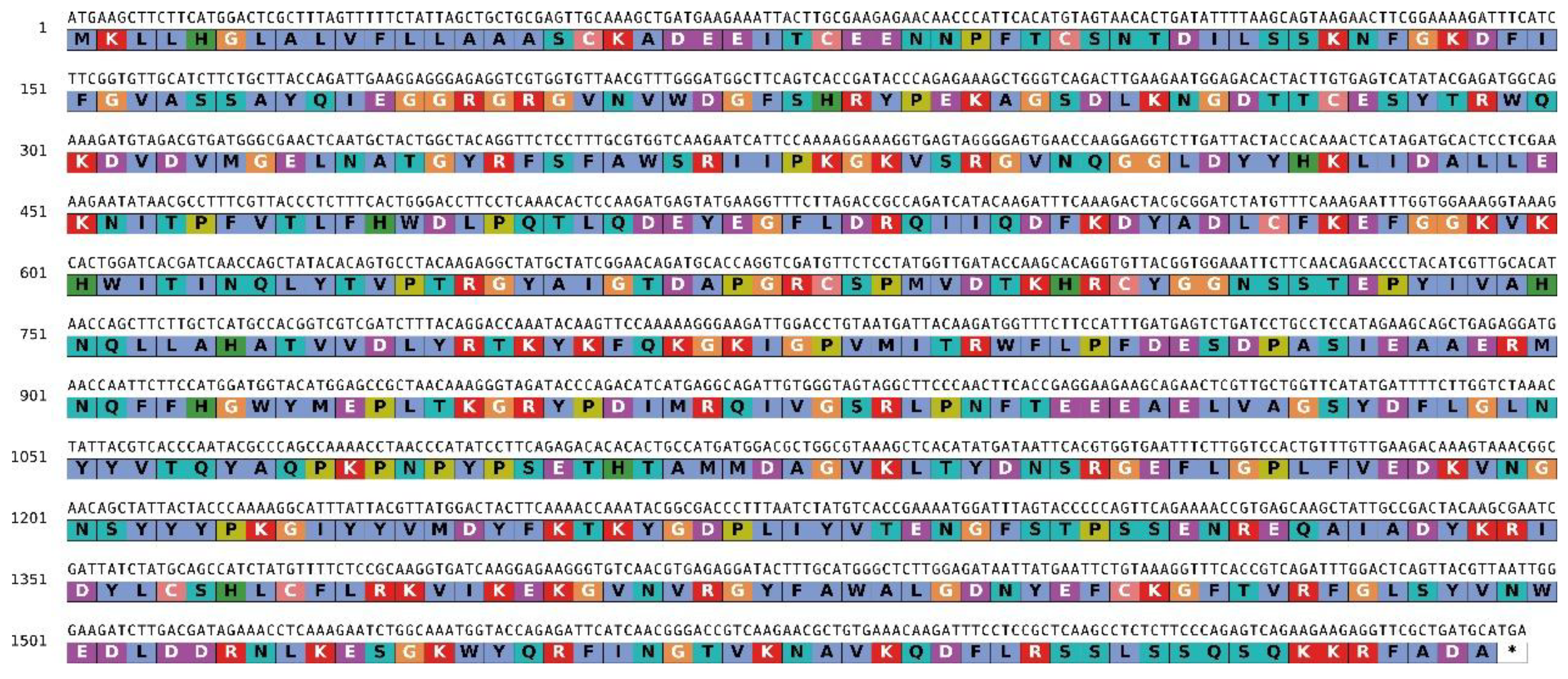
With over 90% similarity, the coding sequences of myrosinase genes show notable conservation in cruciferous crops such as rapeseed (B. napus), radish (Raphanus sativus), and kale (Brassica oleracea var. alboglabra). The myrosinase gene in Chinese cabbage (B. rapa ssp. pekinensis) has an open reading frame (ORF) of around 1,647 bp, which codes for an enzyme protein of about 548 amino acids. A conserved active-site domain within the glycosyl hydrolase family I (Glyco_hydro_1) has been found by sequence analysis (Figure 2).

5. Identified Resistance Genes and Molecular Genetic Evidence

Investigations into mapped or cloned resistance genes (R-genes) in Brassica have predominantly concentrated on disease resistance, rather than insect herbivory, mirroring past research interests. Thoroughly documented R-genes in B. napus, B. rapa, and B. oleracea encompass loci that confer resistance to Leptosphaeria maculans, Hyaloperonospora brassicae, and various other significant pathogens, many of which produce nucleotide-binding leucine-rich repeat (NLR) proteins or receptor-like kinases [59,60]. Although these pathogen-related R-gene resources indicate the existence of gene families with potential defensive functions, verified insect-specific R-genes in Brassica are still limited. Emerging research indicates that several genes associated with early immunological awareness, secondary metabolism, and structural reinforcement may serve dual functions in resistance to pathogens and insects, revealing functional overlap between biotic stress pathways and underscoring latent genetic potential [4,61].
Quantitative trait locus (QTL) mapping initiatives have commenced discovering genomic areas linked to insect resistance in Brassica, although the results are still fragmented and distinct to individual species [62]. The QTLs linked to resistance against P. xylostella, Brevicoryne brassicae, and flea beetles have been identified in crucifer crops including in B. napus [63,64] with certain loci co-localizing with genes involved in glucosinolate biosynthesis or defence signalling. Introgression from wild relatives such as B. villosa and other Brassicaceae species has broadened the reservoir of resistance genes, especially for features associated with leaf trichomes, glucosinolate variability, and physical robustness [65]. Notwithstanding these advancements, the majority of insect-related QTLs remain extensive and inadequately delineated for direct breeding applications, highlighting the necessity for enhanced genetic mapping and functional validation.
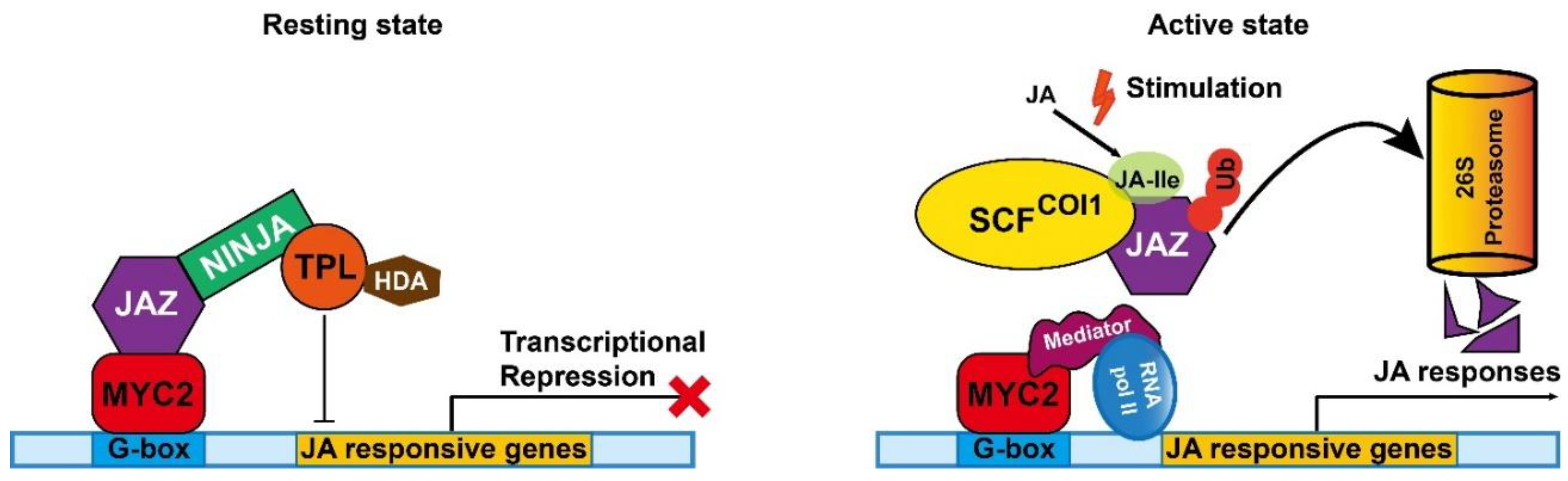
High-throughput transcriptomics, metabolomics, and reverse-genetic platforms are currently expediting the identification of insect-responsive genes and regulatory networks in Brassica crops. RNA-seq investigations of herbivory by aphids, flea beetles, and lepidopteran larvae have demonstrated the activation of jasmonate-regulated defence mechanisms, cytochrome P450 genes associated with glucosinolate modification, and transcription factors from the MYB, WRKY, and TIFY families that function as key regulators of inducible responses [66,67]. Key genes in the jasmonic acid (JA) signalling pathway play a central role in coordinating insect resistance, as JA and its bioactive derivative JA-Ile rapidly accumulate following herbivore attack and subsequently trigger defence cascades, including the production of lignin, lectins, chitinases, toxic metabolites, protease inhibitors, and volatile organic compounds (VOCs) that deter herbivores or attract their natural enemies [68,69]. As shown in Figure 3, JA-mediated signalling relies on the dynamic balance between MYC2-regulated transcriptional activation and repression by JAZ proteins, where stress-induced COI1–JAZ degradation releases MYC2 to initiate downstream defence responses [68,70].
Recent breakthroughs have identified MYC2-associated cofactors such as MED25 and MED16, which enhance transcriptional efficiency and strengthen JA-mediated insect resistance (An et al. 2017; Wu et al. 2025). Further discoveries of defence-relevant genes and molecules, including the non-host resistance regulator CPH (Bai et al. 2022), the wound-induced peptide REF1 encoded by SPR9 (Yang et al. 2024), and the terpene synthase CsELE responsible for β-elemene production in tea (Luo et al. 2025), highlight promising targets for developing insect-resistant cultivars through molecular breeding and synthetic biology.
Functional investigations employing RNA interference (RNAi), CRISPR/Cas gene editing, and mutant screening have confirmed the involvement of potential resistance genes associated with cell wall remodelling, hormone signalling, and secondary metabolism [46]. Although in preliminary phases, these integrated molecular methodologies are bridging the divide between QTL identification, gene function elucidation, and breeding application, providing a pathway for the creation of genetically informed pest-resistant Brassica cultivars. Table 2 provides an updated summary of genes in Brassica that have been targeted or functionally characterized using RNAi and CRISPR-based genome editing technologies. This table highlights recent advances in applying gene-silencing and gene-editing approaches to enhance insect resistance in Brassica crops.

6. Omics and Future Molecular Tools for Insect Resistance

Rapid advances in genomics and pangenome resources are transforming the discovery and utilization of insect resistance genes in Brassica crops [84]. The development of high-quality reference genomes for major cultivated species, along with comprehensive pangenomes capturing structural variation, copy-number dynamics, and presence–absence variation, has increased the resolution of genetic mapping for defense traits. The GWAS applied to diverse Brassica germplasm and wild relatives are increasingly identifying loci linked to trichome development, glucosinolate diversity, hormonal regulation, and herbivore performance traits [12]. These genomic resources enable resistance gene mining beyond classical single-reference approaches, revealing novel alleles and gene families potentially associated with insect resistance that were previously undetectable. As genomic databases expand, integration with comparative Brassicaceae datasets further supports the identification of conserved defense pathways and lineage-specific adaptations to herbivory [80].
Multi-omics approaches including transcriptomics, proteomics, and metabolomics have emerged as key tools for elucidating dynamic plant responses to insect herbivory in Brassica species. Transcriptomic analyses have provided insight into transcriptional reprogramming under insect attack, revealing complex hormonal crosstalk and activation of biosynthetic pathways related to glucosinolates, phenolics, and cell wall modifications [56]. Proteomic studies complement these findings by identifying post-translational modifications and protein–protein interaction networks that modulate defense responses. Proteomic investigations of Brassica–insect interactions are scarce, underscoring the necessity for extensive protein-level analyses to elucidate defence mechanisms against herbivorous pests. Progress has been evidenced in disease-related research, exemplified by a proteomic study on clubroot-resistant and -susceptible Brassica napus lines, which identified 6,626 differentially abundant proteins and highlighted critical defense-associated proteins and genes beneficial for the development of clubroot-resistant cultivars [85].
Meanwhile, Research on metabolomics in Brassica–insect interactions remains constrained, despite its significance for elucidating defense-related metabolic pathways and volatile chemical reactions that affect herbivore and natural enemy behaviour. Advancements have been evidenced in disease-centric investigations, notably in studies concerning Turnip mosaic virus (TuMV) within resistant and susceptible Brassica rapa lines [86]. [86]also stated that this study unveiled substantial alterations in volatile organic compounds and transcriptomic responses, highlighting pronounced downregulation of differentially expressed metabolites and shifts in pathways related to auxin, zeatin, brassinosteroid, and α-linolenic acid metabolism, thereby offering insights that bolster future resistance breeding efforts. Together, these omics platforms provide a systems-level understanding of herbivore defense, enabling prioritization of candidate genes, regulatory nodes, and biochemical pathways for functional validation and breeding integration.
Looking ahead, gene editing and synthetic biology present powerful opportunities to engineer insect resistance in Brassica with unprecedented precision. Technologies such as CRISPR/Cas enable targeted modification of defense regulators, fine-tuning of glucosinolate biosynthesis and hydrolysis pathways, and manipulation of hormone signaling without undesirable pleiotropic effects [87]. Emerging strategies include engineering transporter proteins to modulate glucosinolate spatial distribution, modifying specifier protein activity to alter hydrolysis outcomes, and designing synthetic promoter elements to strengthen inducible resistance while minimizing growth penalties [4]. Synthetic biology platforms may also enable stacking of multi-layered defense modules combining volatile signaling, structural defense traits, and biochemical deterrents to develop durable resistance architectures less vulnerable to pest adaptation [88]. These advancing technologies, coupled with expanding multi-omics knowledge, position Brassica crops at the forefront of next-generation molecular breeding for sustainable insect resistance.

7. Knowledge Gaps and Challenges

Despite significant study advancements, considerable information gaps persist in comprehending and improving insect resistance in Brassica crops. In contrast to the comprehensive catalogue of disease-resistance loci, verified main genes that give insect resistance are infrequent, and much of the existing evidence is based on quantitative or polygenic features exhibiting intricate inheritance patterns. This scarcity illustrates both biological and methodological obstacles, including the co-evolution of Brassica crops with specialist herbivores that have developed mechanisms to detoxify or exploit host defences. Moreover, the absence of distinct gene-for-gene interactions hampers the implementation of conventional resistance-breeding tactics that have been effectively utilised against diseases. Consequently, the majority of pest management in Brassica relies on chemical control or integrated pest management instead of genetic resistance, underscoring a significant research and breeding impediment.
A secondary difficulty is the existence of trade-offs linked to defence expression, which may limit the implementation of resistance traits in breeding programs. Increased glucosinolate levels or improved structural defences may confer resistance advantages, although they can concurrently diminish palatability, nutritional quality, or agricultural efficacy. In rapeseed, specific glucosinolate degradation products induce anti-nutritional or toxic effects in cattle feed, necessitating meticulous optimisation of defence chemistry [89]. Moreover, inducible defence mechanisms may impose metabolic constraints that diminish growth rates or seed output, especially when resistance traits are continuously produced [90]. Achieving a balance between resistance durability and satisfactory agronomic and nutritional results is a critical unresolved challenge, requiring a more profound comprehension of regulatory networks to provide precise fine-tuning instead of general overexpression.
Translational obstacles persist in obstructing the transition of laboratory findings into commercial cultivars. Despite wild relatives and landraces possessing beneficial genes for insect resistance, many are undercharacterized or inaccessible due to restricted germplasm exchange, pre-breeding bottlenecks, or inadequate agronomic compatibility. Despite the identification of potential loci or candidate genes through omics and genetic research, validation in realistic field circumstances frequently proves to be difficult, resource-intensive, and hampered by environmental variability and changing pest pressures due to climate change. The disparity between gene discovery and practical breeding is exacerbated by regulatory, technological, and economic obstacles linked to the implementation of gene-edited or synthetic biology solutions. To tackle these problems, it is essential to implement coordinated breeding pipelines, engage in multidisciplinary research, and commit to long-term investment in resistance phenotyping networks to guarantee that future Brassica cultivars provide effective, stable, and environmentally sustainable insect resistance.

8. Future Molecular Approaches and Breeding Strategies

Future breeding strategies for insect-resistant Brassica crops will combine advanced molecular tools with traditional methods to enhance trait deployment and durability. Key techniques like marker-assisted selection, genomic selection, and resistance gene pyramiding are crucial for developing pest-resistant cultivars. Leveraging genetic diversity from wild relatives and underutilized species through hybridization and speed breeding will further enrich resistance traits. Furthermore, modern cytogenetic tools and expanding pangenomic resources will facilitate the precise selection and deployment of resistance alleles. The integration of engineered resistance lines via CRISPR/Cas and careful regulatory considerations will be essential, alongside field testing to ensure effectiveness within ecosystems [71,91]. Ultimately, successful breeding will harmonize host resistance with biological control and ecological practices to achieve resilient and sustainable Brassica cultivars.

9. Conclusions

Brassica crops continue to face significant pressure from insect pests, yet the molecular understanding of insect resistance in these species remains limited compared with disease resistance. Although physical defences and the glucosinolate–myrosinase system are well characterised, functionally validated insect-resistance genes are still scarce, highlighting a critical knowledge gap. Recent advances reveal that jasmonic acid (JA) signalling and the transcription factor MYC2 play pivotal roles in orchestrating inducible defence responses, acting as central hubs that integrate damage perception with downstream activation of defence gene expression and secondary metabolite pathways. However, MYC-mediated resistance mechanisms remain underexplored in Brassica, emphasising the need for deeper functional characterisation and translation into crop improvement.
Advances in multi-omics, gene editing, and synthetic biology now provide new opportunities to accelerate the discovery and deployment of resistance mechanisms. Moving forward, research should prioritise exploration of diverse germplasm, robust validation of candidate genes under realistic field conditions, and strategies to incorporate resistance traits without reducing yield or compromising food quality. Ultimately, combining molecular innovations including targeted manipulation of MYC2 and its regulatory components with conventional breeding and ecologically based pest management will be essential to develop durable, sustainable insect-resistant Brassica cultivars.

Author Contributions

Conceptualization, Y.X., F.N.R. and Y.L.; formal analysis, Y.X., F.N.R. and Y.L.; validation, Y.X., F.N.R. and Y.L.; investigation, Y.X., F.N.R. and Y.L.; writing—original draft preparation, Y.X., F.N.R. and Y.L.; writing—review and editing, Y.X., F.N.R., Y.L., J.G. and C.L.; visualization, Y.X., F.N.R. and Y.L.; supervision, J.G. and C.L.; project administration, J.G., funding acquisition, C.L. All authors have read and agreed to the published version of the manuscript..

Funding

This research was funded by the Key R&D Program of Shandong Province, China (2023LZGC014, 2024KJHZ005, 2024LZGC03602), the Shandong Agriculture Research System, China (SDARS-05), the Project of 20 New Items for Universities in Jinan, Shandong (202228058), the China Agriculture Research System (CARS-23-G13), the 2022 Tai ‘an Agricultural Superior Seed Project (2022NYLZ07), the Agricultural Science and Technology Innovation Project of Shandong Academy of Agricultural Sciences (CXGC2025C08), and the National Natural Science Foundation, China (32172591).

Conflicts of Interest

The authors declare no conflicts of interest.

References

  1. Ritonga, F.; Gong, Z.; Zhang, Y.; Wang, F.; Gao, J.; Li, C.; Li, J. Exploiting Brassica rapa L. subsp. pekinensis Genome Research. Plants 2024, 13. [Google Scholar] [CrossRef] [PubMed]
  2. Li, Y.; Fan, Y.; Jiao, Y.; Wu, J.; Zhang, Z.; Yu, X.; Ma, Y. Transcriptome profiling of yellow leafy head development during the heading stage in Chinese cabbage (Brassica rapa subsp. pekinensis). Physiol. Plant. 2019, 165, 800–813. [Google Scholar] [CrossRef]
  3. Tabusam, J.; Liu, M.; Luo, L.; Zulfiqar, S.; Shen, S.; Ma, W.; Zhao, J. Physiological Control and Genetic Basis of Leaf Curvature and Heading in Brassica rapa L. Journal of Advanced Research 2023, 53, 49–59. [Google Scholar] [CrossRef]
  4. Malik, M.A.; Poveda, J.; Zuluaga, D.L.; Boccaccio, L.; Hassan, Z.; akram, M.; Ali, J. Defence of Brassicaceae plants against generalist and specialised insect pests through the development of myrosinase mutants: A review. Ind. Crops Prod. 2025, 228, 120945. [Google Scholar] [CrossRef]
  5. Iftikhar, A.; Hafeez, F.; Aziz, M.A.; Hashim, M.; Naeem, A.; Yousaf, H.K.; Saleem, M.J.; Hussain, S.; Hafeez, M.; Ali, Q.; et al. Assessment of sublethal and transgenerational effects of spirotetramat, on population growth of cabbage aphid, Brevicoryne brassicae L. (Hemiptera: Aphididae). Frontiers in Physiology 2022, 13–2022. [Google Scholar] [CrossRef]
  6. Ahmed, M.A.; Ban, N.; Hussain, S.; Batool, R.; Zhang, Y.-J.; Liu, T.-X.; Cao, H.-H. Preference and performance of the green peach aphid, Myzus persicae on three Brassicaceae vegetable plants and its association with amino acids and glucosinolates. PLOS ONE 2022, 17, e0269736. [Google Scholar] [CrossRef]
  7. Bhattacharya, S. Brassica-aphid interaction: Challenges and prospects of genetic engineering for integrated aphid management. Physiol. Mol. Plant Pathol. 2019, 108, 101442. [Google Scholar] [CrossRef]
  8. Sarkar, S.; Gil, J.D.B.; Keeley, J.; Jansen, K. The use of pesticides in developing countries and their impact on health and the right to food; European Union, 2021. [Google Scholar]
  9. Gaddam, N.R.; Devi, T.M.; Rupali, J.; Reddy, G.R. Exploiting induced plant resistance for sustainable pest management: mechanisms, elicitors, and applications: a review. Journal of Experimental Agriculture International 2024, 46, 586–599. [Google Scholar] [CrossRef]
  10. Song, R.; Ritonga, F.N.; Yu, H.; Ding, C.; Zhao, X. Effects of Exogenous Antioxidant Melatonin on Physiological and Biochemical Characteristics of Populus cathayana × canadansis ‘Xin Lin 1’ under Salt and Alkaline Stress. Forests 2022, 13. [Google Scholar] [CrossRef]
  11. Yang, S.; Tang, H.; Wei, X.; Zhao, Y.; Wang, Z.; Su, H.; Niu, L.; Yuan, Y.; Zhang, X. BrWAX3, Encoding a β-ketoacyl-CoA Synthase, Plays an Essential Role in Cuticular Wax Biosynthesis in Chinese Cabbage. Int. J. Mol. Sci. 2022, 23. [Google Scholar] [CrossRef]
  12. Tian, N.; Liu, F.; Wang, P.; Yan, X.; Gao, H.; Zeng, X.; Wu, G. Overexpression of BraLTP2, a Lipid Transfer Protein of Brassica napus, Results in Increased Trichome Density and Altered Concentration of Secondary Metabolites. Int. J. Mol. Sci. 2018, 19. [Google Scholar] [CrossRef]
  13. Hodge, S.; Pope, T.W.; Holaschke, M.; Powell, G. The effect of β-aminobutyric acid on the growth of herbivorous insects feeding on Brassicaceae. Ann. Appl. Biol. 2006, 148, 223–229. [Google Scholar] [CrossRef]
  14. Chhajed, S.; Misra, B.B.; Tello, N.; Chen, S. Chemodiversity of the Glucosinolate-Myrosinase System at the Single Cell Type Resolution. Front. Plant Sci. 2019, 10–2019. [Google Scholar] [CrossRef]
  15. Niemann, J.; Starosta, E.; Kaczmarek, J.; Pawłowicz, I.; Bocianowski, J. Expression Profiling and Interaction Effects of Three R-Genes Conferring Resistance to Blackleg Disease in Brassica napus. Applied Sciences 2025, 15, 11613. [Google Scholar] [CrossRef]
  16. Zhao, K.; Zhu, X.; Yuan, S.; Xu, X.; Shi, J.; Zuo, J.; Yue, X.; Su, T.; Wang, Q. Transcriptomic, metabolomic, and physiological analysis of two varieties of Chinese cabbage (Brassica rapa L. ssp. pekinensis) that differ in their storability. Postharvest Biol. Technol. 2024, 210, 112750. [Google Scholar] [CrossRef]
  17. Li, J.; Qiu, M.; Ritonga, F.N.; Wang, F.; Zhou, D.; Li, C.; Li, H.; Zhang, Y.; Gao, J. Metabolite Profiling and Comparative Metabolomics Analysis of Jiaozhou Chinese Cabbage (Brassica rapa L. ssp. pekinensis) Planted in Different Areas. Frontiers in bioscience (Landmark edition) 2023, 28, 345. [Google Scholar] [CrossRef] [PubMed]
  18. Kim, T.J.; Hwang, Y.J.; Park, Y.J.; Lee, J.S.; Kim, J.K.; Lee, M.-H. Metabolomics Reveals Lysinibacillus capsici TT41-Induced Metabolic Shifts Enhancing Drought Stress Tolerance in Kimchi Cabbage (Brassica rapa L. subsp. pekinensis). Metabolites 2024, 14. [Google Scholar] [CrossRef] [PubMed]
  19. Fernandez i Marti, A.; Dodd, R.S. Using CRISPR as a gene editing tool for validating adaptive gene function in tree landscape genomics. Frontiers in Ecology and Evolution 2018, 6, 76. [Google Scholar] [CrossRef]
  20. Zheng, X.; Koopmann, B.; Ulber, B.; von Tiedemann, A. A Global Survey on Diseases and Pests in Oilseed Rape—Current Challenges and Innovative Strategies of Control. Frontiers in Agronomy 2020, 2–2020. [Google Scholar] [CrossRef]
  21. Ahuja, I.; Rohloff, J.; Bones, A.M. Defence mechanisms of Brassicaceae: implications for plant-insect interactions and potential for integrated pest management. In Sustainable Agriculture; Springer, 2011; Volume 2, pp. 623–670. [Google Scholar]
  22. Satpathy, S.; Gotyal, B.; Babu, V.R. Impact of climate change on insect pest dynamics and its mitigation. In Conservation agriculture and climate change; CRC Press, 2022; pp. 107–118. [Google Scholar]
  23. Suijkerbuijk, H.A.; Poelman, E.H. Insect herbivory differentially affects the behaviour of two pollinators of Brassica rapa. Oecologia 2025, 207, 143. [Google Scholar] [CrossRef] [PubMed]
  24. Kozlov, M.V.; Zverev, V. Losses of Foliage to Defoliating Insects Increase with Leaf Damage Diversity Due to the Complementarity Effect. Insects 2025, 16, 139. [Google Scholar] [CrossRef]
  25. Li, Z.; Costamagna, A.C.; Beran, F.; You, M. Biology, ecology, and management of flea beetles in Brassica crops. Annu. Rev. Entomol 2024, 69, 199–217. [Google Scholar] [CrossRef]
  26. Garzo, E.; Moreno, A.; Plaza, M.; Fereres, A. Feeding behavior and virus-transmission ability of insect vectors exposed to systemic insecticides. Plants 2020, 9, 895. [Google Scholar] [CrossRef]
  27. Willmott, D.M.; Hart, A.J.; Long, S.J.; Richardson, P.N.; Chandler, D. Susceptibility of cabbage root fly Delia radicum, in potted cauliflower (Brassica oleracea var. botrytis) to isolates of entomopathogenic nematodes (Steinernema and Heterorhabditis spp.) indigenous to the UK. Nematology 2002, 4, 965–970. [Google Scholar] [CrossRef]
  28. Hao, Z.-P.; Zhan, H.-X.; Wang, Y.-L.; Hou, S.-M. How Cabbage Aphids Brevicoryne brassicae (L.) Make a Choice to Feed on Brassica napus Cultivars. Insects 2019, 10, 75. [Google Scholar] [CrossRef]
  29. Palial, S.; Kumar, S.; Atri, C.; Sharma, S.; Banga, S.S. Antixenosis and antibiosis mechanisms of resistance to turnip aphid, Lipaphis erysimi (Kaltenbach) in Brassica juncea-fruticulosa introgression lines. J. Pest Sci. 2022, 95, 749–760. [Google Scholar] [CrossRef]
  30. Perry, K.D.; Keller, M.A.; Baxter, S.W. Genome-wide analysis of diamondback moth, Plutella xylostella L., from Brassica crops and wild host plants reveals no genetic structure in Australia. Sci. Rep. 2020, 10, 12047. [Google Scholar] [CrossRef] [PubMed]
  31. Scott, I.M.; Samara, R.; Renaud, J.B.; Sumarah, M.W. Plant growth regulator-mediated anti-herbivore responses of cabbage (Brassica oleracea) against cabbage looper Trichoplusia ni Hübner (Lepidoptera: Noctuidae). Pestic. Biochem. Physiol. 2017, 141, 9–17. [Google Scholar] [CrossRef] [PubMed]
  32. Kumar, V.; Kaur, S.; Kumar, J.; Gupta, Y. Development of white butterfly, Pieris brassicae L. in cabbage ecosystem. Journal of Entomology and Zoology Studies 2018, 6, 1270–1273. [Google Scholar]
  33. Xia, R.; Xu, L.; Hao, J.; Zhang, L.; Wang, S.; Zhu, Z.; Yu, Y. Transcriptome Dynamics of Brassica juncea Leaves in Response to Omnivorous Beet Armyworm (Spodoptera exigua, Hübner). Int. J. Mol. Sci. 2023, 24. [Google Scholar] [CrossRef]
  34. Devetak, M.; Vidrih, M.; Trdan, S. Cabbage moth (Mamestra brassicae [L.]) and bright-line brown-eyes moth (Mamestra oleracea [L.])-presentation of the species, their monitoring and control measures. Acta Agriculturae Slovenica 2010, 95, 149–156. [Google Scholar] [CrossRef]
  35. Romero, B.; Hartl, T.; Prager, S. Water and nutrient stress modify aster leafhopper probing behavior in canola plants. Arthropod-Plant Interactions 2025, 19, 1–11. [Google Scholar] [CrossRef]
  36. Mittapelly, P.; Guelly, K.N.; Hussain, A.; Cárcamo, H.A.; Soroka, J.J.; Vankosky, M.A.; Hegedus, D.D.; Tansey, J.A.; Costamagna, A.C.; Gavloski, J. Flea beetle (Phyllotreta spp.) management in spring-planted canola (Brassica napus L.) on the northern Great Plains of North America. GCB Bioenergy 2024, 16, e13178. [Google Scholar] [CrossRef]
  37. Kim, S.; Rho, H.Y.; Kim, S. The Effects of Climate Change on Heading Type Chinese Cabbage (Brassica rapa L. ssp. Pekinensis) Economic Production in South Korea. Agronomy 2022, 12. [Google Scholar] [CrossRef]
  38. Gakuru, P.N.; Muhashy Habiyaremye, F.; Noël, G.; Caparros Megido, R.; Francis, F. Assessment of Cabbage (Brassica oleracea Linnaeus) Insect Pests and Management Strategies in Eastern Democratic Republic of Congo. Agriculture 2025, 15, 2203. [Google Scholar] [CrossRef]
  39. Xia, X.; Sun, B.; Gurr, G.M.; Vasseur, L.; Xue, M.; You, M. Gut Microbiota Mediate Insecticide Resistance in the Diamondback Moth, Plutella xylostella (L.). Frontiers in Microbiology 2018, 9–2018. [Google Scholar] [CrossRef]
  40. Gebretsadik, K.G.; Liu, Z.; Yang, J.; Liu, H.; Qin, A.; Zhou, Y.; Guo, E.; Song, X.; Gao, P.; Xie, Y. Plant-aphid interactions: recent trends in plant resistance to aphids. Stress Biology 2025, 5, 1–22. [Google Scholar] [CrossRef]
  41. Reifenrath, K.; Riederer, M.; Müller, C. Leaf surface wax layers of Brassicaceae lack feeding stimulants for Phaedon cochleariae. Entomol. Exp. Appl. 2005, 115, 41–50. [Google Scholar] [CrossRef]
  42. Nandi, D.; Chakraborty, A.; Biswas, T.; Meher, D.; Singh, A.P. Role of trichomes in plant defence-A crop specific review. Crop Research 2022, 57, 460–475. [Google Scholar] [CrossRef]
  43. Qi, H.; Liu, T. Cuticular proteins: Essential molecular code for insect survival. Insect Biochem. Mol. Biol. 2025, 104402. [Google Scholar] [CrossRef]
  44. Baskar, V.; Park, S.W. Molecular characterization of BrMYB28 and BrMYB29 paralogous transcription factors involved in the regulation of aliphatic glucosinolate profiles in Brassica rapa ssp. pekinensis. C. R. Biol. 2015, 338, 434–442. [Google Scholar] [CrossRef]
  45. Li, B.; Shi, W.; Zhou, S.; Wang, G. Oral secretions: A key molecular interface of plant–insect herbivore interactions. J. Integr. Agric. 2025, 24, 1342–1358. [Google Scholar] [CrossRef]
  46. Vasantha-Srinivasan, P.; Noh, M.Y.; Park, K.B.; Kim, T.Y.; Jung, W.-J.; Senthil-Nathan, S.; Han, Y.S. Plant immunity to insect herbivores: mechanisms, interactions, and innovations for sustainable pest management. Front. Plant Sci. 2025, 16–2025. [Google Scholar] [CrossRef]
  47. Ueno, I.; Kanedawara, T.; Inoue, K.; Watanabe, S.; Ômura, H. Cabbage Leaf Epicuticular Wax Deters Female Oviposition and Larval Feeding of Pieris rapae. J. Chem. Ecol. 2025, 51, 45. [Google Scholar] [CrossRef]
  48. Yang, F.; Tang, J.; Yang, D.; Yang, T.; Liu, H.; Luo, W.; Wu, J.; Jianqiang, W.; Wang, L. Jasmonoyl-l-isoleucine and allene oxide cyclase-derived jasmonates differently regulate gibberellin metabolism in herbivory-induced inhibition of plant growth. Plant Sci. 2020, 300, 110627. [Google Scholar] [CrossRef]
  49. Zhang, T.; Liu, R.; Zheng, J.; Wang, Z.; Gao, T.; Qin, M.; Hu, X.; Wang, Y.; Yang, S.; Li, T. Insights into glucosinolate accumulation and metabolic pathways in Isatis indigotica Fort. BMC Plant Biol. 2022, 22, 78. [Google Scholar] [CrossRef] [PubMed]
  50. Mithen, R.F. Glucosinolates and their degradation products; 2001. [Google Scholar]
  51. Mbudu, K.G.; Witzel, K.; Börnke, F.; Hanschen, F.S. Glucosinolate profile and specifier protein activity determine the glucosinolate hydrolysis product formation in kohlrabi (Brassica oleracea var. gongylodes) in a tissue-specific way. Food Chem. 2025, 465, 142032. [Google Scholar] [CrossRef] [PubMed]
  52. Lv, Q.; Li, X.; Fan, B.; Zhu, C.; Chen, Z. The Cellular and Subcellular Organization of the Glucosinolate–Myrosinase System against Herbivores and Pathogens. Int. J. Mol. Sci. 2022, 23, 1577. [Google Scholar] [CrossRef] [PubMed]
  53. Zheng, S.J.; Zhang, P.J.; van Loon, J.J.; Dicke, M. Silencing defense pathways in Arabidopsis by heterologous gene sequences from Brassica oleracea enhances the performance of a specialist and a generalist herbivorous insect. J. Chem. Ecol. 2011, 37, 818–829. [Google Scholar] [CrossRef]
  54. Xu, Z.; Escamilla-Treviño, L.; Zeng, L.; Lalgondar, M.; Bevan, D.; Winkel, B.; Mohamed, A.; Cheng, C.-L.; Shih, M.-C.; Poulton, J.; et al. Functional genomic analysis of Arabidopsis thaliana glycoside hydrolase family 1. Plant Mol. Biol. 2004, 55, 343–367. [Google Scholar] [CrossRef] [PubMed]
  55. Li, Y.; Cai, L.; Ding, T.; Tian, E.; Yan, X.; Wang, X.; Zhang, J.; Yu, K.; Chen, Z. Comparative Transcriptome Analysis Reveals the Molecular Basis of Brassica napus in Response to Aphid Stress. Plants (Basel) 2023, 12. [Google Scholar] [CrossRef]
  56. Duhlian, L.; Koramutla, M.K.; Subramanian, S.; Chamola, R.; Bhattacharya, R. Comparative transcriptomics revealed differential regulation of defense related genes in Brassica juncea leading to successful and unsuccessful infestation by aphid species. Sci. Rep. 2020, 10, 10583. [Google Scholar] [CrossRef] [PubMed]
  57. Bhandari, S.R.; Jo, J.S.; Lee, J.G. Comparison of Glucosinolate Profiles in Different Tissues of Nine Brassica Crops. Molecules 2015, 20, 15827–15841. [Google Scholar] [CrossRef]
  58. Kim, Y.B.; Li, X.; Kim, S.-J.; Kim, H.H.; Lee, J.; Kim, H.; Park, S.U. MYB Transcription Factors Regulate Glucosinolate Biosynthesis in Different Organs of Chinese Cabbage (Brassica rapa ssp. pekinensis). Molecules 2013, 18, 8682–8695. [Google Scholar] [CrossRef] [PubMed]
  59. Padmathilake, K.R.E.; Fernando, W.G.D. Leptosphaeria maculans-Brassica napus Battle: A Comparison of Incompatible vs. Compatible Interactions Using Dual RNASeq. Int. J. Mol. Sci. 2022, 23. [Google Scholar] [CrossRef]
  60. Chen, Y.; Miao, L.; Li, X.; Liu, Y.; Xi, D.; Zhang, D.; Gao, L.; Zhu, Y.; Dai, S.; Zhu, H. Comparative Transcriptome Analysis between Resistant and Susceptible Pakchoi Cultivars in Response to Downy Mildew. Int. J. Mol. Sci. 2023, 24. [Google Scholar] [CrossRef]
  61. Li, X.; Ren, X.; Ibrahim, E.; Kong, H.; Wang, M.; Xia, J.; Wang, H.; Shou, L.; Zhou, T.; Li, B.; et al. Response of Chinese cabbage (Brassica rapa subsp. pekinensis) to bacterial soft rot infection by change of soil microbial community in root zone. Frontiers in Microbiology 2024, 15. [Google Scholar] [CrossRef]
  62. Pfalz, M.; Vogel, H.; Mitchell-Olds, T.; Kroymann, J. Mapping of QTL for resistance against the crucifer specialist herbivore Pieris brassicae in a new Arabidopsis inbred line population, Da (1)-12× Ei-2. PLOS ONE 2007, 2, e578. [Google Scholar] [CrossRef] [PubMed]
  63. Heath, J. Evaluation of Flea Beetle (Phyllotreta spp.) Resistance in Spring and Winter-type Canola (Brassica napus); University of Guelph, 2017. [Google Scholar]
  64. Obermeier, C.; Mason, A.S.; Meiners, T.; Petschenka, G.; Rostás, M.; Will, T.; Wittkop, B.; Austel, N. Perspectives for integrated insect pest protection in oilseed rape breeding. Theor. Appl. Genet. 2022, 135, 3917–3946. [Google Scholar] [CrossRef]
  65. Neequaye, M.; Steuernagel, B.; Saha, S.; Trick, M.; Troncoso-Rey, P.; van den Bosch, F.; Traka, M.H.; Østergaard, L.; Mithen, R. Characterisation of the Introgression of Brassica villosa Genome Into Broccoli to Enhance Methionine-Derived Glucosinolates and Associated Health Benefits. Front. Plant Sci. 2022, 13, 855707. [Google Scholar] [CrossRef]
  66. Bruce, T.J.; Matthes, M.C.; Chamberlain, K.; Woodcock, C.M.; Mohib, A.; Webster, B.; Smart, L.E.; Birkett, M.A.; Pickett, J.A.; Napier, J.A. cis-Jasmone induces Arabidopsis genes that affect the chemical ecology of multitrophic interactions with aphids and their parasitoids. Proceedings of the National Academy of Sciences of the United States of America 2008, 105, 4553–4558. [Google Scholar] [CrossRef]
  67. Sharma, G. Novel approaches for evaluating brassica germplasm for insect resistance; University of Birmingham, 2016. [Google Scholar]
  68. Liu, H.; Timko, M.P. Jasmonic Acid Signaling and Molecular Crosstalk with Other Phytohormones. Int. J. Mol. Sci. 2021, 22. [Google Scholar] [CrossRef]
  69. Wasternack, C.; Song, S. Jasmonates: biosynthesis, metabolism, and signaling by proteins activating and repressing transcription. J. Exp. Bot. 2017, 68, 1303–1321. [Google Scholar] [CrossRef] [PubMed]
  70. Schweizer, F.; Fernández-Calvo, P.; Zander, M.; Diez-Diaz, M.; Fonseca, S.; Glauser, G.; Lewsey, M.G.; Ecker, J.R.; Solano, R.; Reymond, P. Arabidopsis basic helix-loop-helix transcription factors MYC2, MYC3, and MYC4 regulate glucosinolate biosynthesis, insect performance, and feeding behavior. Plant Cell 2013, 25, 3117–3132. [Google Scholar] [CrossRef] [PubMed]
  71. Chen, W.; Dong, Y.; Saqib, H.S.A.; Vasseur, L.; Zhou, W.; Zheng, L.; Lai, Y.; Ma, X.; Lin, L.; Xu, X.; et al. Functions of duplicated glucosinolate sulfatases in the development and host adaptation of Plutella xylostella. Insect Biochem. Mol. Biol. 2020, 119, 103316. [Google Scholar] [CrossRef] [PubMed]
  72. Sun, R.; Jiang, X.; Reichelt, M.; Gershenzon, J.; Pandit, S.S.; Giddings Vassão, D. Tritrophic metabolism of plant chemical defenses and its effects on herbivore and predator performance. eLife 2019, 8, e51029. [Google Scholar] [CrossRef] [PubMed]
  73. Eakteiman, G.; Moses-Koch, R.; Moshitzky, P.; Mestre-Rincon, N.; Vassão, D.G.; Luck, K.; Sertchook, R.; Malka, O.; Morin, S. Targeting detoxification genes by phloem-mediated RNAi: a new approach for controlling phloem-feeding insect pests. Insect Biochem. Mol. Biol. 2018, 100, 10–21. [Google Scholar] [CrossRef]
  74. Israni, B.; Wouters, F.C.; Luck, K.; Seibel, E.; Ahn, S.-J.; Paetz, C.; Reinert, M.; Vogel, H.; Erb, M.; Heckel, D.G.; et al. The Fall Armyworm Spodoptera frugiperda Utilizes Specific UDP-Glycosyltransferases to Inactivate Maize Defensive Benzoxazinoids. Frontiers in Physiology 2020, 11–2020. [Google Scholar] [CrossRef]
  75. Sharma, H.C.; Sharma, K.K.; Seetharama, N.; Ortiz, R. Prospects for using transgenic resistance to insects in crop improvement. Electron. J. Biotechnol. 2000, 3, 0–0. [Google Scholar] [CrossRef]
  76. Fang Hong-jun, L.D.-l.W.G.-l.L.Y.-h.Z.Z.; Li, X.-h. An Insect-Resistant Transgenic Cabbage Plant with Cowpea Trypsin Inhibitor(CpTI) Gene. J. Integr. Plant Biol. 39.
  77. Ram, C.; Koramutla, M.K.; Bhattacharya, R. Identification and comprehensive evaluation of reference genes for RT-qPCR analysis of host gene-expression in Brassica juncea-aphid interaction using microarray data. Plant Physiol. Biochem. 2017, 116, 57–67. [Google Scholar] [CrossRef]
  78. Sagers, C.L.; Londo, J.P.; Bautista, N.; Lee, E.H.; Watrud, L.S.; King, G. Benefits of Transgenic Insect Resistance in Brassica Hybrids under Selection. Agronomy 2015, 5, 21–34. [Google Scholar] [CrossRef]
  79. Alahakoon, U.I.; Taheri, A.; Nayidu, N.K.; Epp, D.; Yu, M.; Parkin, I.; Hegedus, D.; Bonham-Smith, P.; Gruber, M.Y. Hairy canola (Brasssica napus) re-visited: down-regulating TTG1 in an AtGL3-enhanced hairy leaf background improves growth, leaf trichome coverage, and metabolite gene expression diversity. BMC Plant Biol. 2016, 16, 12. [Google Scholar] [CrossRef]
  80. Alahakoon, U.; Adamson, J.; Grenkow, L.; Soroka, J.; Bonham-Smith, P.; Gruber, M. Field growth traits and insect-host plant interactions of two transgenic canola (Brassicaceae) lines with elevated trichome numbers. The Canadian Entomologist 2016, 148, 603–615. [Google Scholar] [CrossRef]
  81. Bassetti, N.; Caarls, L.; Bukovinszkine’Kiss, G.; El-Soda, M.; van Veen, J.; Bouwmeester, K.; Zwaan, B.J.; Schranz, M.E.; Bonnema, G.; Fatouros, N.E. Genetic analysis reveals three novel QTLs underpinning a butterfly egg-induced hypersensitive response-like cell death in Brassica rapa. BMC Plant Biol. 2022, 22, 140. [Google Scholar] [CrossRef]
  82. Ahuja, I.; Rohloff, J.; Bones, A.M. Defence mechanisms of Brassicaceae: implications for plant-insect interactions and potential for integrated pest management. A review. Agronomy for Sustainable Development 2010, 30, 311–348. [Google Scholar] [CrossRef]
  83. Wang, J.; Chen, Z.; Du, J.; Sun, Y.; Liang, A. Novel insect resistance in Brassica napus developed by transformation of chitinase and scorpion toxin genes. Plant Cell Rep. 2005, 24, 549–555. [Google Scholar] [CrossRef] [PubMed]
  84. Zhang, Z.; Guo, J.; Cai, X.; Li, Y.; Xi, X.; Lin, R.; Liang, J.; Wang, X.; Wu, J. Improved Reference Genome Annotation of Brassica rapa by Pacific Biosciences RNA Sequencing. Front. Plant Sci. 2022, 13. [Google Scholar] [CrossRef]
  85. Kaur, K.; Adhikary, D.; Kav, N.N.V.; Scandola, S.; Uhrig, R.G.; Rahman, H. Proteomics Integrated with Transcriptomics of Clubroot Resistant and Susceptible Brassica napus in Response to Plasmodiophora brassicae Infection. Int. J. Mol. Sci. 2025, 26. [Google Scholar] [CrossRef]
  86. Lu, X.; Zhang, L.; Huang, W.; Zhang, S.; Zhang, S.; Li, F.; Zhang, H.; Sun, R.; Zhao, J.; Li, G. Integrated Volatile Metabolomics and Transcriptomics Analyses Reveal the Influence of Infection TuMV to Volatile Organic Compounds in Brassica rapa. Horticulturae 2022, 8, 57. [Google Scholar] [CrossRef]
  87. Lee, Y.R.; Siddique, M.I.; Kim, D.S.; Lee, E.S.; Han, K.; Kim, S.G.; Lee, H.E. CRISPR/Cas9-mediated gene editing to confer turnip mosaic virus (TuMV) resistance in Chinese cabbage (Brassica rapa). Hortic. Res. 2023, 10, uhad078. [Google Scholar] [CrossRef] [PubMed]
  88. Wang, Y.; Demirer, G.S. Synthetic biology for plant genetic engineering and molecular farming. Trends Biotechnol. 2023, 41, 1182–1198. [Google Scholar] [CrossRef]
  89. Mawson, R.; Heaney, R.K.; Zdunczyk, Z.; Kozłowska, H. Rapeseed meal-glucosinolates and their antinutritional effects. Part 6. Taint in end-products. Die Nahrung 1995, 39, 21–31. [Google Scholar] [CrossRef]
  90. Pilson, D. The evolution of plant response to herbivory: simultaneously considering resistance and tolerance in Brassica rapa. Evol. Ecol. 2000, 14, 457–489. [Google Scholar] [CrossRef]
  91. Shin, Y.H.; Park, Y.D. CRISPR/Cas9-Mediated Mutagenesis of BrLEAFY Delays the Bolting Time in Chinese Cabbage (Brassica rapa L. ssp. pekinensis). Int. J. Mol. Sci. 2022, 24. [Google Scholar] [CrossRef] [PubMed]
Figure 1. Phylogenetic tree of myrosinase in Brassica species.
Preprints 188887 g001
Figure 2. The gene encoding myrosinase in Chinese cabbage and its amino acid sequence.
Preprints 188887 g002
Figure 3. Mechanism of jasmonic acid signalling regulating MYC2-mediated defence responses.
Preprints 188887 g003
Table 1. Representative of significant insect pests that infest Brassica crops globally.
Insect Scientific name Type of oral appendage Distribution Host Plant References
Cabbage aphid Brevicoryne brassicae L. Sucking China, South Asia Cabbage, oilseed rape [5,28]
Green peach aphid Myzus persicae Sulzer. Sucking China and Europe Chinese cabbage, cabbage, radish [6]
Turnip aphid Lipaphis erysimi Kaltenbach. Sucking South Asia Indian mustard [29]
Diamondback moth Plutella xylostella L. Chewing Australia, Asia, Africa Broccoli, Brussels sprouts, cabbage, cauliflower, kale, mustard, turnip [30]
Cabbage looper Trichoplusia ni Hübner. Chewing North American native found throughout the US, Canada, and Mexico Broccoli, cabbage, cauliflower, kale, collards, mustard, rutabaga, turnip [31]
Cabbage butterfly Pieris brassicae L. Chewing North Africa across Europe and Asia to the Himalayas Kale, cabbage, turnip, black mustard, Ethiopian mustard, swede [32]
Beet armyworm Spodoptera exigua Hübner. Chewing Southeast Asia, Eastern Asia mustard [33]
Cabbage moth Mamestra brassicae L. Chewing Europe, North Africa (Libya, Canary Islands), Japan and sub- tropical Asia, including India Cabbage, red cabbage, mustard, turnip, [34]
Leafhoppers Cicadelliade sp. Sucking Asia, Europe canola [35]
Flea beetles Phyllotreta cruciferae Chewing Europe, North America canola [36]
Table 2. Genes identified in Brassica species associated with insect resistance.
Insect Scientific name Gene name Application Function Model plant References
diamondback moth P. xylostella GSS1
GSS2
CRISPR/Cas9 Increase insect resistance Arabidopsis thaliana [71]
diamondback moth P. xylostella GSS1 RNAi Increase insect resistance Arabidopsis thaliana [72]
Silverleaf whitefly Bemisia tabaci BtGSTs5 RNAi detoxification mechanisms Gossypium hirsutum [73]
fall armyworm podoptera frugiperda UGT33 and UGT40 RNAi detoxification enzymes
secondary metabolytes
maize [74]
cabbage looper and cabbage butterfly Trichoplusia ni and Pieris rapae Cry1C NA Increase insect resistance broccoli (Brassica oleracea ssp. italica) [75]
C. suppressalis C. suppressalis and Sesamia inferens ( CpTI traditional transgenic transformation (Agrobacterium-mediated gene transfer) Increase insect resistance Brassica oleracea var.
capitata cultivars Yingchun and Jingfeng
[76]
mustard aphids Lipaphis erysimi CAC, TUA and DUF179 microarray Increase aphid resistance B. juncea [77]
diamondback moth P. xylostella Bt Cry1Ac transgenic (genetically modified) approach Increase insect resistance Brassica napus L. (canola) and Brassica rapa [78]
flea beetles Phyllotreta cruciferae and P. striolata AtGL3 classical transgenic insertion (T-DNA) and modified expression via transgenic constructs Increase leaf trichome coverage Brassica napus [79,80]
flea beetles Phyllotreta cruciferae and P. striolata BnTTG1 classical transgenic insertion (T-DNA) and modified expression via transgenic constructs Increase leaf trichome coverage Brassica napus [79,80]
cabbage butterfly P. brassicae LecRK-I.1 classical genetic mapping / QTL mapping Increase insect resistance B. rapa [81]
diamondback moth P. xylostella Bt cry1C NA Increase insect resistance collard and Indian mustard [82]
diamondback moth P. xylostella Chitinase (chi) Agrobacterium-mediated
transformation
Increase insect resistance Brassica napus [83]
diamondback moth P. xylostella BmkIT(Bmk) Agrobacterium-mediated
transformation
Increase insect resistance Brassica napus [83]
Disclaimer/Publisher’s Note: The statements, opinions and data contained in all publications are solely those of the individual author(s) and contributor(s) and not of MDPI and/or the editor(s). MDPI and/or the editor(s) disclaim responsibility for any injury to people or property resulting from any ideas, methods, instructions or products referred to in the content.
Copyright: This open access article is published under a Creative Commons CC BY 4.0 license, which permit the free download, distribution, and reuse, provided that the author and preprint are cited in any reuse.
Prerpints.org logo

Preprints.org is a free preprint server supported by MDPI in Basel, Switzerland.

Subscribe

Disclaimer

Terms of Use

Privacy Policy

Privacy Settings

© 2025 MDPI (Basel, Switzerland) unless otherwise stated