

Submitted:
21 June 2025
Posted:
23 June 2025
You are already at the latest version
Abstract
Occupational heat stress represents an increasing challenge to safety and operational performance in underground mining, where elevated temperatures, humidity, and limited ventilation are common. This study proposes an integrated framework to analyze the systemic impact of heat stress on human reliability in mining operations. We conducted a systematic literature review to identify empirical studies addressing thermal exposure, extracting key operational functions for modeling. These functions were structured using the Functional Resonance Analysis Method (FRAM) to reveal interdependencies and performance variability. Human reliability was evaluated using Fuzzy CREAM, which quantified the degree of contextual control associated with each function. Finally, we applied the Gaussian Analytic Hierarchy Process (AHP) to prioritize functions based on thermal impact, contextual reliability, and systemic connectivity. The results showed that functions involving subjective or complex judgment, such as assessing thermal stress or identifying psychophysiological indicators, exhibited lower reliability and higher vulnerability. In contrast, monitoring and control functions based on standardized procedures were more stable and resilient. This combined approach identified critical points of systemic fragility and offers a robust decision-support tool for prioritizing thermal risk mitigation. The findings contribute to advancing scientific understanding of heat stress impacts in mining and support the development of targeted interventions to enhance human performance and safety in extreme environments.
Keywords:
Heat stress
; Human reliability
; Underground mining
; FRAM
; Fuzzy CREAM
1. Introduction
In mining environments, workers are frequently exposed to extreme environmental conditions—marked by high temperatures, elevated humidity, and limited ventilation—that impose significant physiological and cognitive demands. Such conditions lead to fatigue, human error, and workplace accidents, compromising both occupational health and the resilience of sociotechnical systems (Lazaro and Momayez, 2021).
Heat stress refers to the total internal and external thermal loads that challenge the body's thermoregulatory capacity, leading to homeostatic imbalance and, in severe cases, heatstroke or death [2]. Research has shown that human performance under thermal stress declines non-linearly, affecting both physical workload capacity and decision-making quality (Fadeev et al., 2023; Yoon et al., 2017). Prolonged exposure to excessive heat is also associated with neurological and cardiovascular disorders, reinforcing the need for effective prevention and monitoring strategies [5,6].
While indices such as WBGT (Wet Bulb Globe Temperature) and PHS (Predicted Heat Strain) are widely used for assessing thermal risks, their predictive capability in real-world operational contexts remains limited because they often neglect behavioral, organizational, and cognitive aspects of human work [7,8]. Moreover, these traditional tools fall short in capturing the dynamic variability of sociotechnical systems, particularly under high thermal stress, where minor fluctuations in performance and context can escalate into critical failures. This highlights the gap for systemic approaches that integrate physiological responses to heat with human and functional variability—elements critical to the reliability of complex operations.
Recently, hybrid models have emerged as promising tools for addressing the multi-dimensional complexity of operations under heat stress. The Functional Resonance Analysis Method (FRAM) enables modeling of organizational and operational variability, revealing how minor fluctuations can amplify into safety-critical failures[9,10] . Meanwhile, fuzzy adaptations of the Cognitive Reliability and Error Analysis Method (CREAM) allow quantifying human reliability under uncertainty by translating qualitative context conditions into fuzzy numerical scores[11,12,13] .
Moreover, multi-criteria decision-making techniques such as the Analytic Hierarchy Process (AHP) - especially when extended with probabilistic modeling (Gaussian AHP) - enable prioritization of critical functions based on multiple dimensions, including thermal impact, contextual reliability, and system connectivity[14,15]. However, no prior study has combined these three methods in an integrated framework to model and quantify systemic human reliability degradation under heat stress.
To our knowledge, no prior study has integrated FRAM, fuzzy CREAM, and AHP in a unified model to evaluate thermal risk in mining systems. While hybrid models have been explored in other domains (e.g., urban transport) [16], this paper offers a novel contribution by adapting and extending such methods to the high-risk, heat-exposed context of underground mining.
This study stands out from previous works by uniquely integrating FRAM, fuzzy CREAM, and Gaussian AHP into a unified framework that captures the multifactorial and systemic dimensions of heat stress in mining operations. Unlike traditional assessment tools such as WBGT, PHS, or isolated applications of CREAM, our approach models emergent variability, quantifies human reliability under contextual uncertainty, and systematically prioritizes critical operational functions—offering a more comprehensive and decision-oriented analysis of thermal risk.
We propose an integrated methodological framework that combines Functional Resonance Analysis Method (FRAM), fuzzy Cognitive Reliability and Error Analysis Method (CREAM), and Gaussian Analytic Hierarchy Process (AHP) to evaluate the systemic impact of heat stress on human reliability in mining environments. By jointly incorporating operational dynamics, cognitive demands, and organizational structures, this model provides a novel lens to understand and manage human performance under thermal stress, supporting evidence-based strategies for improving safety and resilience in extreme occupational conditions.
2. Materials and Methods
This study integrates three complementary methodological approaches: functional system modeling using the Functional Resonance Analysis Method (FRAM), human reliability assessment through the fuzzy extension of the Cognitive Reliability and Error Analysis Method (Fuzzy CREAM), and prioritization of critical functions using Gaussian Analytic Hierarchy Process (Gaussian AHP).
2.1. Functional Modeling Using FRAM
The first stage involved the identification of critical functions associated with heat stress in mining environments. A systematic review was conducted in the Scopus database using Boolean operators combining the terms: “heat stress” OR "thermal stress" OR "occupational heat exposure" OR "high temperature" OR "WBGT" OR "physiological strain index" AND "mining industry" OR "mining operations" OR "underground mining" OR "surface mining" OR "mine workers". The search was restricted to scientific articles (document type: “ar”) written in English.
To process the selected literature, an automated text extraction procedure was implemented using the Python programming language. Full-text articles, obtained in PDF format, were parsed using the PyPDF2 library, which enables structured analysis of document content. All extracted text was automatically translated into English using the deep_translator package and the GoogleTranslator service, ensuring terminological consistency for further analysis.
Once compiled into a unified corpus, the text was filtered using regular expressions and part-of-speech tagging to detect sentences representing operational functions. Specifically, the pattern targeted action-object verb sequences associated with thermal exposure and performance degradation (e.g., “monitor core temperature”, “evaluate thermal comfort”), drawing on previous methodological approaches by (Patriarca et al., 2017) and (Maia França and Hollnagel, 2023). The regex algorithm was calibrated to identify both operational verbs (e.g., monitor, assess, manage) and domain-specific terms (e.g., heat stress, WBGT, hydration, fatigue).
The extracted sentences were stored in a structured DataFrame and submitted to manual review to ensure semantic consistency and contextual relevance. Only functions explicitly or implicitly linked to thermally induced variability or human-system interaction were retained for modeling.
The full source code used in this step is presented below.
| # Install required libraries (run once in Colab or Jupyter) !pip install PyPDF2 matplotlib pandas # Import libraries from PyPDF2 import PdfReader import re import pandas as pd from collections import Counter import matplotlib.pyplot as plt # Define PDF file paths (uploaded to /content/ in Google Colab) pdf_paths = [ "/content/0002889748507014.pdf", "/content/mem035.pdf", "/content/s40033-022-00389-z.pdf", "/content/Vol.67,+No.11,+NOVEMBER+2019-15-19.pdf" ] # Function to extract full text from all PDFs def extract_text_from_pdfs(paths): full_text = "" for path in paths: reader = PdfReader(path) for page in reader.pages: text = page.extract_text() if text: full_text += text + "\n" return full_text # Extract text from selected papers full_text = extract_text_from_pdfs(pdf_paths) # Define action-related verbs (used as indicators of functional behavior) verbs = [ "monitor", "evaluate", "assess", "estimate", "measure", "record", "analyze", "control", "regulate", "adjust", "implement", "detect", "observe", "apply", "interrupt", "determine", "manage", "reduce", "prevent" ] |
# Define technical contexts associated with thermal stress contexts = [ "heat stress", "thermal comfort", "WBGT", "hydration", "acclimatization", "workload", "temperature", "body heat", "fatigue", "performance", "core temperature", "dehydration", "cooling", "rest breaks", "TWL", "exhaustion" ] # Regular expression to identify function-like sentences (verb + context) pattern = rf"((?:{'|'.join(verbs)}).*?(?:{'|'.join(contexts)}).*?\.)" # Extract sentences that match the pattern raw_phrases = re.findall(pattern, full_text, flags=re.IGNORECASE) # Create DataFrame with extracted functional sentences df_functions = pd.DataFrame(raw_phrases, columns=["Function (textual description)"]) # Count frequency of key context terms used_terms = [ctx.lower() for phrase in raw_phrases for ctx in contexts if ctx in phrase.lower()] term_freq = Counter(used_terms) # Generate frequency graph of terms plt.figure(figsize=(10, 5)) plt.bar(term_freq.keys(), term_freq.values()) plt.xticks(rotation=45, ha='right') plt.title("Frequency of heat-stress-related terms in extracted functions") plt.xlabel("Operational topics") plt.ylabel("Frequency") plt.tight_layout() plt.savefig("function_term_frequency.png") plt.show() # Display top 10 extracted functions df_functions.head(10) |
Each retained function was then structured according to the six canonical FRAM aspects (Table 1): Input (I), Output (O), Precondition (P), Resource (R), Control (C), and Time (T), as defined by Hollnagel (2012). Visual representation was created using the FRAM Model Visualiser (FMV), which supported the identification of functional couplings and potential variability propagation. This allowed for a non-linear, emergent interpretation of socio-technical dynamics.
Finally, a frequency analysis of domain-specific terms was performed to visualize the most recurrent technical elements within the extracted corpus, with prominent emphasis on concepts such as temperature, hydration, fatigue, and performance degradation.
To enhance methodological transparency in the modeling process, we provide additional detail on the semantic validation of functional elements. Manual review was conducted by the lead researcher, whose background in safety systems and thermal ergonomics guided a structured and consistent evaluation. Each function-like sentence identified through automated extraction was assessed against three inclusion criteria: (i) clear reference to thermally induced variability or human-system performance degradation, (ii) presence of an explicit action-object structure (e.g., "monitor temperature"), and (iii) alignment with at least one of the six canonical aspects defined in the FRAM framework.
This manual validation process followed a predefined protocol, and ambiguous or borderline cases were refined iteratively to ensure conceptual coherence within the system model.
To support the visual FRAM representation, a detailed summary table of all modeled functions—including their descriptions, mapped FRAM aspects, and key couplings—is provided as Supplementary Material (Annex 1). Importantly, in the FRAM Model Visualizer (FMV), red interface dots represent undefined or unlinked couplings. These do not reflect modeling errors but instead signal potential variability propagation routes that warrant further specification or empirical verification.
2.2. Human Reliability Assessment Using Fuzzy CREAM
To evaluate human reliability under thermally stressful mining conditions, we implemented a fuzzy logic extension of the Cognitive Reliability and Error Analysis Method (CREAM). This hybridization enables quantitative modeling of contextual variability while maintaining the qualitative reasoning structure of classical CREAM.
The assessment followed five structured steps, as detailed below:
Step 1 – Selection of Relevant CPCs
From the nine original Common Performance Conditions (CPCs) in CREAM, we selected three contextually relevant dimensions for heat-exposed mining environments:
- CPC₁: Adequacy of organization
- CPC₂: Working conditions
- CPC₃: Time available
These CPCs were chosen based on domain-specific literature and expert consultation, focusing on their critical role in shaping operator performance under heat stress.
The selection of these three CPCs was guided not only by prior literature [12] but also by their direct contextual relevance to heat-stressed mining environments. While standard CREAM applications often consider additional factors such as training and experience, man–machine interface (MMI), or crew collaboration, these dimensions were not prioritized in this study for specific reasons. In underground mining operations affected by heat, immediate performance degradation is most strongly influenced by organizational support structures (e.g., scheduling, staffing), environmental working conditions (e.g., temperature, humidity, ventilation), and time constraints on decision-making. Other CPCs such as “adequacy of training” or “crew collaboration” are undoubtedly relevant but are either indirectly represented through organizational structures or difficult to quantify reliably under thermal stress without direct field data. Therefore, the selection focused on the CPCs with the most observable and quantifiable impact on heat-related human reliability, aligning the modeling effort with the available evidence and the scope of literature-based functional analysis.
Step 2 – Fuzzification of CPC Inputs
Each CPC was modeled using triangular fuzzy membership functions defined by:
Where a, b, c define the lower limit, peak, and upper limit of each fuzzy set.
Each CPC is represented as a triplet:
The linguistic values {Adequate, Average, Poor} were associated with normalized fuzzy inputs and interpreted via linguistic rules.
Step 3 – Fuzzy Rule Base and Inference
A set of fuzzy “IF–THEN” rules was constructed to relate CPC inputs to control modes. For example:
- IF CPC₁ is “Adequate” AND CPC₂ is “Adequate” AND CPC₃ is “Adequate” → THEN Control Mode = “Efficient”
- IF CPC₁ is “Poor” OR CPC₂ is “Poor” → THEN Control Mode = “Scrambled”
The fuzzy inference mechanism used Mamdani-type composition with the minimum operator for conjunction (AND) and maximum for disjunction (OR). Rules were aggregated using:
Where is the degree of membership for input condition and the consequent fuzzy set for output.
Step 4 – Defuzzification
To convert the fuzzy output into a crisp reliability score, we applied the centroid method:
This results in a continuous control level score y* ∈ [0,10], interpreted as the contextual reliability level for each FRAM function.
Step 5 – Control Mode Classification
The defuzzified output y* was mapped to four discrete control modes, as defined by Hollnagel (Table 2):
This fuzzy system was implemented in Python using the scikit-fuzzy library. The approach enabled the quantification of contextual reliability and classification of functions into control modes, following best practices outlined by [11,13,19].
To enhance reproducibility and clarity of the fuzzy inference process, this section details the membership function parameters and the structure of the fuzzy rule base used in the CREAM model.
The triangular membership functions for each linguistic value associated with the selected CPCs (adequacy of organization, working conditions, and time available) are defined in Table 3 below. These functions were designed to reflect gradual transitions between performance conditions, with “Average” representing the overlap zone between “Poor” and “Adequate”.
The fuzzy rule base consists of a set of IF–THEN rules that determine the resulting control mode based on the linguistic values of the three CPCs , following a Mamdani approach [20]. Table 4 presents an illustrative subset of the rules used in the system. The full rule base encompasses all 27 combinations (3³), but selected examples are shown for clarity.
This rule base reflects the principle that poor performance in any critical condition (especially organization or working conditions) significantly reduces the likelihood of efficient control. The rule set aligns with previous applications of fuzzy CREAM in high-risk domains [11,13].
The selection of these three CPCs was guided not only by prior literature [12] but also by their direct contextual relevance to heat-stressed mining environments. While standard CREAM applications often consider additional factors such as training and experience, man–machine interface (MMI), or crew collaboration, these dimensions were not prioritized in this study for specific reasons. In underground mining operations affected by heat, immediate performance degradation is most strongly influenced by organizational support structures (e.g., scheduling, staffing), environmental working conditions (e.g., temperature, humidity, ventilation), and time constraints on decision-making. Other CPCs such as “adequacy of training” or “crew collaboration” are undoubtedly relevant but are either indirectly represented through organizational structures or difficult to quantify reliably under thermal stress without direct field data. Therefore, the selection focused on the CPCs with the most observable and quantifiable impact on heat-related human reliability, aligning the modeling effort with the available evidence and the scope of literature-based functional analysis.
2.3. Prioritization Using Gaussian AHP
To determine the most critical functions under heat stress, we applied a probabilistic extension of the Analytic Hierarchy Process (AHP), known as Gaussian AHP, which incorporates uncertainty into expert judgments by modeling pairwise comparisons as Gaussian distributions. This approach is particularly suitable for socio-technical systems such as mining, where decision criteria involve inherent ambiguity and expert subjectivity.
The Gaussian AHP method adopted in this study follows the formulation proposed by [15], which extends the classical geometric mean method by integrating a probabilistic consistency index and normal distributions into the pairwise comparison matrices. This allows for the quantification of uncertainty in judgments, offering greater robustness in multicriteria decision-making processes.
Step 1 – Definition of Decision Criteria
Three criteria were defined based on the hybrid framework developed in this study:
- C1: Thermal Impact: the extent to which each function is affected by heat stress and contributes to risk propagation under thermal exposure.
- C2: Human Reliability: fuzzy control scores derived from the CREAM model, reflecting the likelihood of safe performance,
- C3: FRAM Connectivity: the level of interdependence a function has within the functional network, indicating its systemic influence.
Step 2 – Construction of Stochastic Pairwise Matrices
For each criterion ck, the pairwise comparison matrix was composed of stochastic elements modeled as normally distributed random variables:
where is the expected relative importance of alternative i over j, and is the standard deviation representing uncertainty in expert judgment. These values were elicited from three domain experts in mining ergonomics and occupational safety, using 9-point scales adjusted for uncertainty margins.
Step 3 – Calculation of Priority Vectors
Priority vectors wk for each criterion were derived using the Gaussian extension of the geometric mean method:
The global priority vector w was obtained by aggregating the individual vectors wk, weighted by coefficients αk, with ∑αk = 1:
The weights used were:
α1 = 0.4 for Thermal Impact
α2 = 0.35 for Human Reliability
α3 = 0.25 for FRAM Connectivity
These coefficients reflect the relative emphasis on physiological risk, cognitive vulnerability, and systemic criticality, respectively.
Step 4 – Consistency Verification
A Probabilistic Consistency Index (PCI) was computed for each matrix, following [14], to ensure that the preference structures satisfied transitive logic. Matrices with PCI < 0.20 were considered acceptably consistent under uncertainty.
Step 5 – Final Ranking
The resulting global scores enabled the prioritization of the nine functions modeled via FRAM and evaluated through Fuzzy CREAM. This probabilistic formulation mitigates the limitations of crisp AHP, reduces bias from rigid hierarchies, and enhances the interpretability of prioritization in real-world mining applications. The Gaussian AHP used here adapts the approach validated by [21].
3. Results
The initial phase of the study involved a systematic literature search conducted in the Scopus database, using a comprehensive Boolean query that combined descriptors related to heat stress and mining operations. This search returned five scientific articles. After full-text analysis, one article was excluded for not meeting the predefined inclusion criteria—specifically, it lacked sufficient functional detail relevant to heat-related performance in mining environments.
As a result, four articles formed the analytical corpus used for the extraction of operational functions associated with heat stress.
Table 5 presents a structured summary of the four scientific articles selected for this study. The summarized information includes authorship, research objectives, methodologies, study sites, main findings, and applied relevance. These studies served as the empirical and conceptual foundation for the extraction of functions modeled using the Functional Resonance Analysis Method (FRAM), supporting the functional characterization and systemic mapping proposed in this research.
These articles were subjected to an automated processing procedure designed to identify function-like sentences related to thermal exposure, workload, fatigue, hydration, and human-system interaction. The process yielded a curated set of functional elements which served as the foundation for the FRAM modeling stage.
3.1. Functional Modeling Using FRAM
The automated extraction process applied to the selected corpus of scientific articles yielded a set of operational functions directly or indirectly associated with heat stress in mining contexts. Using regular expressions calibrated to detect action-object verb patterns, the analysis captured function-like sentences containing technical terms related to thermal exposure, performance degradation, and physiological stress.
The extracted content was filtered to retain only those functions that demonstrated semantic alignment with human reliability under heat conditions, resulting in a refined dataset suitable for FRAM modeling. A frequency analysis of the key technical terms identified across the extracted functions is presented in Figure 1.
As shown, the most recurrent topic was “thermal comfort”, appearing in seven functional descriptions, followed by “heat stress” (six occurrences), “workload” (four occurrences), and “temperature” (three occurrences). This distribution reflects a predominant concern in literature with the perceptual and physiological dimensions of heat exposure, emphasizing the impact of environmental thermal conditions on human performance and task execution.
The prevalence of the term “thermal comfort” suggests a strong emphasis on subjective perception and environmental adaptation mechanisms, often linked to productivity and fatigue. Meanwhile, “heat stress” and “workload” represent objective dimensions of physiological strain and operational demand, commonly associated with increased risk of error and diminished reliability. “Temperature”, while present with lower frequency, remains a fundamental parameter underlying all thermal risk assessments.
Figure 2 presents the functional model resulting from the application of the FRAM methodology, comprising nine critical functions extracted from the specialized literature on heat stress in mining. These functions were structured according to the six canonical FRAM aspects proposed by (Hollnagel, 2012): Input, Output, Preconditions, Resources, Control, and Time. The model highlights key functional couplings and identifies potential points of systemic variability.
The function “Evaluate thermal comfort during shifts” directly links individual perception with operational decision-making, highlighting the subjective dimension of heat stress management. This aligns with França & Hollnagel (2023), who argue for the critical role of contextualized ergonomics in underground mining operations.
In addition, the function “Quantify physical workload under thermal load conditions” emerged as a critical node due to its high degree of functional connectivity. It directly influences control mechanisms (e.g., rest breaks, task rotation), and variability in this function may trigger cascading effects on performance and safety. These findings are consistent with Hirose & Sawaragi, (2019), who underscore the importance of physiological metrics in socio-technical systems under heat stress.
The inclusion of functions such as “Implement control measures” and “Develop management protocols based on TWL” indicates an attempt to institutionalize operational learning. As observed by Vieira & Saurin (2018), resilient systems require mechanisms that support both anticipatory and responsive adjustments.
This model structure allows not only the visualization of information and resource flows under heat stress conditions but also the identification of bottlenecks and vulnerable functions likely to collapse if poorly managed. Such analysis is fundamental for guiding preventive and ergonomic interventions in extreme mining environments, as suggested by Marseguerra et al. (2007) when integrating human reliability with operational variability.
Beyond mapping functional structure, the FRAM framework emphasizes the propagation of performance variability as the core explanatory mechanism for emergent outcomes. In this model, everyday fluctuations in how a function is performed — due to time pressure, degraded environmental conditions, or organizational gaps — can interact non-linearly with variabilities in other functions, potentially reinforcing each other. This phenomenon, known as functional resonance, can amplify deviations in system behavior and lead to unexpected events or degraded performance [9]. For example, minor inconsistencies in evaluating heat stress may combine with reduced time availability or inadequate resources, making downstream functions (e.g., decision-making or emergency response) increasingly fragile. These dynamic interactions highlight the system’s sensitivity to context, especially in thermally stressful environments like underground mining. Modeling this through FRAM allows us not only to describe function couplings, but to identify where variability accumulates and propagates — a critical insight for anticipating systemic fragility under operational stress [10].
3.2. Human Reliability Assessment Using Fuzzy CREAM
Building upon the functional structure modeled via FRAM, a fuzzy-based adaptation of the Cognitive Reliability and Error Analysis Method (CREAM) was applied to quantify the human reliability associated with each critical function. The FRAM outputs provided the functional scope and interdependencies necessary to parameterize the context of control modes in the fuzzy logic system.
Fuzzy CREAM enables the translation of qualitative control context factors into reliability scores by modeling uncertainty and partial truth through fuzzy membership functions. In this study, each of the nine key functions extracted from the literature and structured via the FRAM model was assessed in terms of human reliability, resulting in a fuzzy score ranging from 0 to 10. These scores were categorized into four control modes — scrambled (0–2.5), inefficient (2.5–5.0), tolerable (5.0–7.5), and efficient (7.5–10) — based on the original CREAM framework proposed by Dekker & Hollnagel (2018) and further adapted through fuzzy extensions for industrial environments (Marseguerra et al., 2007; Shi et al., 2023). The thresholds were contextualized for mining operations, reflecting typical decision-making structures and cognitive demands encountered under thermal stress.
The resulting scores varied widely across functions, reflecting how contextual conditions and task characteristics influence operator performance under heat stress. The integration of FRAM and fuzzy CREAM thus provides a layered analysis: while the FRAM reveals systemic variability and functional interconnections, Fuzzy CREAM quantifies the cognitive demands and reliability potential of each function under real-world thermal stress conditions.
As shown in Figure 3, the function achieved a reliability score of 8.64, classifying it within the efficient control mode.
This high level of reliability reflects the procedural and instrument-based nature of the task, which is typically supported by standardized protocols and real-time environmental monitoring tools. The stability of this function reinforces its role as a critical enabler of system feedback and adaptation. As highlighted by (Hollnagel, 2012), functions with clear input-output relationships and strong control structures tend to exhibit high consistency, especially when automation assists in execution.
The function in Figure 4 achieved a score of 4.76, at the upper limit of the inefficient control range.
Thermal comfort is inherently subjective and influenced by numerous personal and environmental variables, including clothing, humidity, acclimatization, and metabolic rate. This result indicates that while some structured procedures exist (e.g., surveys, observation protocols), the reliance on individual perception introduces inconsistency, corroborating the findings of (França and Hollnagel, 2023), who emphasize the challenge of operationalizing subjective experience in safety-critical environments.
In contrast, the function shown in Figure 5 received a much lower score of 1.22, placing it in the scrambled mode.
This suggests a high degree of uncertainty and cognitive overload, likely stemming from the need to synthesize multiple data sources (e.g., thermal readings, physiological signals, workload classification) in dynamic conditions. The function's centrality in the FRAM model further amplifies its risk potential. According to (Yoon et al., 2017), diagnostic functions that depend on complex judgment under stress conditions often present low reliability when context factors (e.g., fatigue, time pressure) are unfavorable.
Similarly, the function in Figure 6 scored 1.11, indicating scrambled control. This result reinforces the systemic vulnerability of this function, which often depends on indirect signals and non-observable indicators (e.g., cognitive fatigue, emotional stress, reduced alertness).
As observed by (Hirose and Sawaragi, 2019), psychophysiological factors are difficult to quantify in real time and are rarely integrated systematically into operational decision-making, increasing the likelihood of undetected performance degradation.
The function in Figure 7 scored 2.81, placing it within the inefficient control category. This reflects the complexity of estimating workload in fluctuating thermal environments, especially when biomechanical assessments are not continuously available.
Workload is highly variable and depends not only on task type but also on posture, pace, hydration status, and recovery time—factors that are often underestimated during operational planning (Fadeev et al., 2023; Härmä, 2006b; Molek-Winiarska and Kawka, 2022).
Conversely, the function in Figure 8 received a score of 4.76, like the thermal comfort assessment. Although the evaluation of postures may be partially supported by observational tools or ergonomic checklists, the context of mining—particularly in confined or irregular underground spaces—limits the consistency and repeatability of such assessments.
As noted by (Vieira and Saurin, 2018), ergonomic functions that rely on visual inspection and self-reporting are particularly susceptible to contextual noise and evaluator bias.
Figure 9 showed a reliability score of 1.36, again within the scrambled category. This low score may be attributed to the lag between data collection and procedural implementation, as well as the need to adapt general recommendations to specific site characteristics and workforce variability.
TWL-based management demands a synthesis of meteorological data, metabolic load, and organizational capacity, making it highly sensitive to planning gaps and contextual instability.
In contrast, function in Figure 10, classifying it as tolerable. This suggests that once procedures are defined (e.g., scheduled rest breaks, provision of fluids, shaded areas), they can be executed with moderate consistency.
However, their effectiveness still depends on adherence, supervision, and reinforcement mechanisms. This aligns with the view of (Vieira and Saurin, 2018), who emphasize the importance of enabling factors (e.g., leadership support, worker autonomy) in determining the actual reliability of procedural interventions.
Finally, the function “Establish control measures based on heat stress data” (Figure 11) matched the highest reliability score at 8.64, also in the efficient range.
This confirms that once empirical thresholds (e.g., WBGT limits) are reached, triggering predefined responses (e.g., work stoppage, alerts) tend to occur with high regularity. These mechanisms are often integrated into safety management systems and benefit from formal institutionalization, which explains their robust control.
3.3. Prioritization Using Gaussian AHP
Building upon the functional modeling performed using FRAM and the human reliability scores obtained through Fuzzy CREAM, the Gaussian Analytic Hierarchy Process (AHP) was applied to derive a final ranking of critical functions. This integration offers a structured and quantitative approach to prioritization, accounting for both system connectivity and human performance under thermal stress conditions.
Three decision criteria guided the multicriteria evaluation:
- C1 – Thermal impact: the degree to which each function is sensitive to heat exposure and contributes to thermal risk propagation.
- C2 – Human reliability: the fuzzy score derived from the CREAM assessment, indicating the cognitive robustness of each function.
- C3 – FRAM connectivity: the level of interdependence and influence each function exerts in the functional network.
Each function was evaluated across the three criteria using Gaussian-distributed pairwise comparisons, which model judgment uncertainty more realistically than conventional crisp AHP. The normalized weights for each criterion were aggregated to obtain the final prioritization score for each function, as presented in Table 6.
Among the prioritized functions, “To Develop Management Protocols Based on TWL” received the lowest global score. This result reflects both methodological and contextual limitations. While the Thermal Work Limit (TWL) is widely used as a reference for managing heat exposure in industrial settings, it assumes relatively stable environmental and metabolic conditions [32]. In underground mining, however, thermal loads fluctuate dynamically due to ventilation changes, depth, workload variations, and unexpected operational demands. Static or pre-defined protocols, even when based on robust indices like TWL, often fail to respond in real-time to such variability. Moreover, this function is dependent on the prior accuracy of environmental and physiological assessments—any deviation upstream (e.g., misclassification of heat stress or poor monitoring) compromises the relevance of the protocol generated. This fragility justifies its low reliability (C2), moderate thermal impact (C1), and limited systemic connectivity (C3), as shown in the model.
As the table shows, the function "Evaluate heat stress conditions in mining environments" was confirmed as the most critical across all three dimensions, emphasizing its centrality, high vulnerability, and strong thermal sensitivity. This reinforces the findings of the FRAM and fuzzy reliability analyses, validating the systemic risk associated with this function.
At the opposite end, functions like “Develop protocols based on TWL” and “Implement heat stress procedures” received the lowest aggregate scores. While these functions are crucial at the procedural level, their influence is limited in dynamic, real-time decision contexts, and they tend to operate under higher levels of structural support and predictability.
Overall, the Gaussian AHP results consolidate the insights from the previous phases and provide a decision-support basis for targeting the most fragile and influential functions in heat-stress-exposed mining systems.
3.4. Practical Implications for the Mining Industry
To enhance the practical relevance of this study, we propose a multifaceted implementation framework tailored to mining operations. First, the integration of real-time decision-support systems that fuse data from environmental sensors, wearable physiological monitors, and predictive analytics is crucial. These systems can proactively detect early markers of heat-induced cognitive decline, such as diminished attention and increased reaction time, which have been shown to impair worker safety and efficiency under thermal stress [33].
Second, organizational variables—notably shift scheduling, workload distribution, and leadership involvement—must be dynamically adapted to account for thermal load variability and its impact on executive function, vigilance, and memory [34].
Third, targeted technical training is recommended to bolster miners' ability to recognize and respond to symptoms of heat stress. This is particularly critical for roles involving decision-intensive tasks, which have been identified as most vulnerable in functional resonance analysis model (FRAM) simulations. Cognitive impairments under heat exposure include elevated omission errors and slowed response times, especially during extended shifts [35].
Finally, emergency protocols should be revised to include tiered interventions based on function-specific risk stratification. This ensures that critical operations receive priority support during thermal events, thereby enhancing operational resilience.
These strategies not only align with the priority functions highlighted in our hybrid modeling approach but also provide a structured roadmap for converting analytical insights into actionable, system-level resilience measures within the mining sector.
4. Limitations
This study offers a novel hybrid approach to model human reliability under thermal stress in mining environments. However, several limitations must be acknowledged to contextualize the scope and applicability of the findings.
First, the FRAM modeling was based on a restricted corpus of four scientific studies selected through a systematic review. Although these articles provided high-relevance empirical data on heat exposure and human performance in mining contexts, the small sample size may limit the generalizability of the functional model. Future studies should expand the literature base and consider broader operational settings—including surface mining, artisanal mining, and different climatic zones—to strengthen the external validity of the functional structure.
Second, while the functions modeled reflect domain-specific realities in mining, the structure and logic of FRAM have been successfully applied in other high-risk industries such as offshore oil & gas, commercial aviation, and maritime operations. Comparing results across such domains could help identify transferable patterns of human-system variability and refine the current model.
Third, the fuzzy inference and pairwise comparison methods (used in fuzzy CREAM and Gaussian AHP, respectively) inherently rely on expert judgment and pre-defined linguistic rules. These assumptions introduce subjectivity, particularly when estimating contextual reliability or prioritizing functions under uncertainty. Although these techniques help manage imprecision, their outcomes are sensitive to how input scales and rule bases are defined. Incorporating sensitivity analyses or expert consensus panels may enhance robustness in future applications.
5. Conclusions
This study presented a comprehensive framework to analyze the systemic impact of heat stress on human reliability in mining, integrating the Functional Resonance Analysis Method (FRAM), Fuzzy CREAM, and Gaussian AHP. By articulating structural modeling, cognitive assessment, and probabilistic prioritization, the approach enabled a nuanced understanding of how thermal conditions affect human performance and system resilience.
The findings showed that functions requiring significant judgment under uncertain conditions, especially those involving the evaluation of heat stress and the recognition of psychophysiological stressors, are both highly interconnected and operationally fragile. These functions emerged as key vulnerability points that should be prioritized in safety strategies and thermal risk management. In contrast, functions related to monitoring and control, supported by established procedures and institutional frameworks, demonstrated greater robustness and consistency. The integration of FRAM, Fuzzy CREAM and Gaussian AHP proved effective not only in uncovering latent risks within the system but also in guiding more precise and strategic interventions. By contextualizing human reliability and weighting each function according to its systemic importance, the proposed model serves as a practical decision-support tool to strengthen safety measures in mining environments affected by heat stress.
Beyond mining, this hybrid approach may be extended to other sectors subject to thermal stress, supporting the development of adaptive, evidence-based risk management strategies. It also lays the groundwork for future integration with real-time data, wearable technologies, and predictive analytics.
Funding
Please add: “This research received no external funding”.
Conceptualization
A.C.R.; methodology, A.C.R.; software, A.C.R.; validation, A.C.R.; formal analysis, A.C.R.; investigation, A.C.R.; resources, A.C.R.; data curation, A.C.R.; writing—original draft preparation, A.C.R.; writing—review and editing, A.C.R.; visualization, A.C.R.; supervision, A.C.R.; project administration, A.C.R.; funding acquisition, A.C.R. The author has read and agreed to the published version of the manuscript.
Data Availability Statement
Data supporting the findings of this study, including the FRAM functional model and AHP matrices, are available from the corresponding author upon reasonable request.
Acknowledgments
During the preparation of this manuscript, the author used ChatGPT-4 (OpenAI, 2025) for assistance in refining the structure, improving language clarity, and ensuring adherence to journal formatting guidelines. The author has reviewed and edited all AI-generated content and takes full responsibility for the final version of the publication.”.
Conflicts of Interest
Declare conflicts of interest or state “The authors declare no conflicts of interest.”.
References
- Lazaro P, Momayez M. Heat Stress in Hot Underground Mines: a Brief Literature Review. Min Metall Explor 2021. [CrossRef]
- Maurya T, Karena K, Vardhan H, Aruna M, Raj MG. Effect of Heat on Underground Mine Workers. Procedia Earth and Planetary Science 2015;11:491–8. [CrossRef]
- Yoon YS, Ham DH, Yoon WC. A new approach to analysing human-related accidents by combined use of HFACS and activity theory-based method. COGNITION TECHNOLOGY & WORK 2017;19:759–83. [CrossRef]
- Fadeev G, Goryaev D V., Zaitseva N V., Shur PZ, Red’ko S V., Fokin V. HEALTH DISORDERS IN WORKERS ASSOCIATED WITH HEALTH RISKS AT WORKPLACES IN MINING INDUSTRY IN THE ARCTIC (ANALYTICAL REVIEW). Health Risk Analysis 2023;2023:173–82. [CrossRef]
- Härmä M. Workhours in relation to work stress, recovery and health. Scand J Work Environ Health 2006;32:502–14. [CrossRef]
- Molek-Winiarska D, Kawka T. Reducing Work-Related Stress Through Soft-Skills Training Intervention in the Mining Industry. Hum Factors 2024;66:1633–49. [CrossRef]
- Guoshan W, Heqing L, Zhirong W, You B, Jufeng Z, Yiming H. A heat stress control method for miners based on internal heat storage. Sci Technol Built Environ 2024. [CrossRef]
- Lazaro P, Momayez M. Validation of the Predicted Heat Strain Model in Hot Underground Mines. Min Metall Explor 2019;36:1213–9. [CrossRef]
- Hollnagel E. FRAM: The Functional Resonance Analysis Method. London: CRC Press; 2012.
- Patriarca R, Di Gravio G, Woltjer R, Costantino F, Praetorius G, Ferreira P, et al. Framing the FRAM: A literature review on the functional resonance analysis method. Saf Sci 2020;129. [CrossRef]
- Konstandinidou M, Nivolianitou Z, Kiranoudis C, Markatos N. A fuzzy modeling application of CREAM methodology for human reliability analysis. Reliab Eng Syst Saf 2006;91:706–16. [CrossRef]
- Marseguerra M, Zio E, Librizzi M. Human reliability analysis by fuzzy “CREAM.” Risk Analysis 2007;27:137–54. [CrossRef]
- Shi H, Wang JH, Zhang L, Liu HC. New improved CREAM model for human reliability analysis using a linguistic D number-based hybrid decision making approach. Eng Appl Artif Intell 2023;120. [CrossRef]
- Marins CS, Souza D de O, Barros M da S. O USO DO MÉTODO DE ANÁLISE HIERÁRQUICA (AHP) NA TOMADA DE DECISÕES GERENCIAIS – UM ESTUDO DE CASO. XLI SBPO, 2009.
- Russo AC, Russo E. Application of the AHP-Gaussian method to support the prioritization of workers’ health actions in Brazil, based on data from DATASUS. Gestao e Producao 2024;31. [CrossRef]
- Mahdi Rezaie F, Fakoor Saghih AM, Motahari Farimani N. A novel hybrid approach based on CREAM and fuzzy ANP to evaluate human resource reliability in the urban railway. Journal of Transportation Safety and Security 2021;13:1326–64. [CrossRef]
- Patriarca R, Di Gravio G, Costantino F. A Monte Carlo evolution of the Functional Resonance Analysis Method (FRAM) to assess performance variability in complex systems. Saf Sci 2017;91:49–60. [CrossRef]
- Maia França JE, Hollnagel E. Human Factors Approach to Assess Risks and Reliability in Offshore Operations with FRAM (Functional Resonance Analysis Method). Offshore Technology Conference Brasil, OTCB 2023, Offshore Technology Conference; 2023. [CrossRef]
- Huang Y, Liu Y, Zhao D, Song X. Fuzzy comprehensive performance evaluation method for radar control. CICTP 2012: Multimodal Transportation Systems - Convenient, Safe, Cost-Effective, Efficient - Proceedings of the 12th COTA International Conference of Transportation Professionals, Department of Air Navigation, Air Traffic Management College, Civil Aviation University of China, Tianjin, P.O. Box 68, China: 2012, p. 1845–56. [CrossRef]
- Mamdani EH. Application of Fuzzy Algorithms for Control of Simple Dynamic Plant. Proceedings of the Institution of Electrical Engineers 1974;121:1585–8. [CrossRef]
- Santos M dos, Costa IP de A, Gomes CFS. Multicriteria Decision-Making In The Selection Of Warships: A New Approach To The Ahp Method. International Journal of the Analytic Hierarchy Process 2021;13:147–69. [CrossRef]
- Wyndham CH. Research in the human sciences in the gold mining industry. Am Ind Hyg Assoc J 1974;35:113–36. [CrossRef]
- Miller VS, Bates GP. The thermal work limit is a simple reliable heat index for the protection of workers in thermally stressful environments. Annals of Occupational Hygiene 2007;51:553–61. [CrossRef]
- Sakinala V, Paul PS, Chandrakar S. Assessment of Work Postures and Physical Workload of Machine Operators in Underground Coal Mines. Journal of The Institution of Engineers (India): Series D 2023;104:87–98. [CrossRef]
- Dey S, Dey NC. Determining factors affecting thermal comfort in underground coal mine. JOURNAL OF MINES, METALS & FUELS 2019.
- França JEM, Hollnagel E. Analyzing human factors and complexities of mining and O&G process accidents using FRAM: Copiapó (Chile) and FPSO CSM (Brazil) cases. Process Safety Progress 2023;42:S9–18. [CrossRef]
- Hirose T, Sawaragi T. Development of FRAM Model Based on Structure of Complex Adaptive Systems to Visualize Safety of Socio-Technical Systems. IFAC-PapersOnLine, vol. 52, Elsevier B.V.; 2019, p. 13–8. [CrossRef]
- Vieira LC, Saurin TA. Environmental disaster analysis: Case study using the functional resonance analysis method. Engenharia Sanitaria e Ambiental 2018;23:373–83. [CrossRef]
- Dekker S, Hollnagel E. Computers in the cockpit: Practical problems cloaked as progress. Coping with Computers in the Cockpit, Linköping University, Sweden: Taylor and Francis; 2018, p. 1–6. [CrossRef]
- Molek-Winiarska D, Kawka T. Reducing Work-Related Stress Through Soft-Skills Training Intervention in the Mining Industry. Hum Factors 2022. [CrossRef]
- Härmä M. Workhours in relation to work stress, recovery and health. Scand J Work Environ Health 2006;32:502–14. [CrossRef]
- Brake DJ, Bates GP. Limiting metabolic rate (Thermal Work Limit) as an index of thermal stress. Appl Occup Environ Hyg 2002;17:176–86. [CrossRef]
- Yeoman K, Weakley A, DuBose W, Honn K, McMurry T, Eiter B, et al. Effects of heat strain on cognitive function among a sample of miners. Appl Ergon 2022;102. [CrossRef]
- Schmit C, Hausswirth C, Le Meur Y, Duffield R. Cognitive Functioning and Heat Strain: Performance Responses and Protective Strategies. Sports Medicine 2017;47:1289–302. [CrossRef]
- Rastegar Z, Ghotbi Ravandi MR, Zare S, Khanjani N, Esmaeili R. Evaluating the effect of heat stress on cognitive performance of petrochemical workers: A field study. Heliyon 2022;8. [CrossRef]
Figure 1.
Related terms in extracted functions.
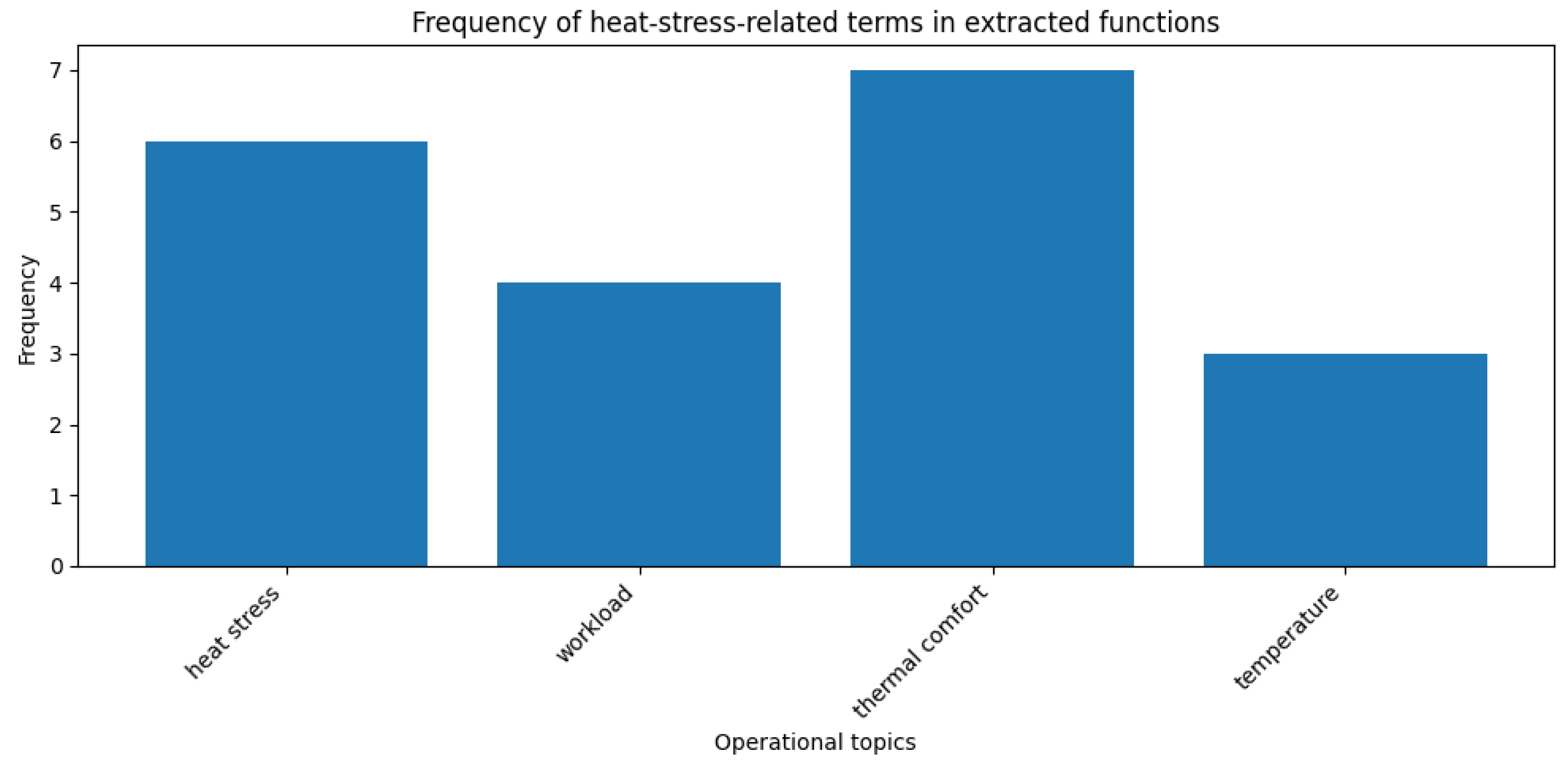
Figure 2.
functional model resulting from the application of the FRAMThe analysis revealed that the function “Monitor and measure thermal conditions” acts as a primary entry point and trigger for organizational response mechanisms. It plays a pivotal role in activating adaptive strategies and serves as a foundation for thermal risk mitigation. As emphasized by Patriarca et al. (2020), identifying central functions in FRAM models helps to map elements that are most likely to amplify systemic variability.
Figure 2.
functional model resulting from the application of the FRAMThe analysis revealed that the function “Monitor and measure thermal conditions” acts as a primary entry point and trigger for organizational response mechanisms. It plays a pivotal role in activating adaptive strategies and serves as a foundation for thermal risk mitigation. As emphasized by Patriarca et al. (2020), identifying central functions in FRAM models helps to map elements that are most likely to amplify systemic variability.
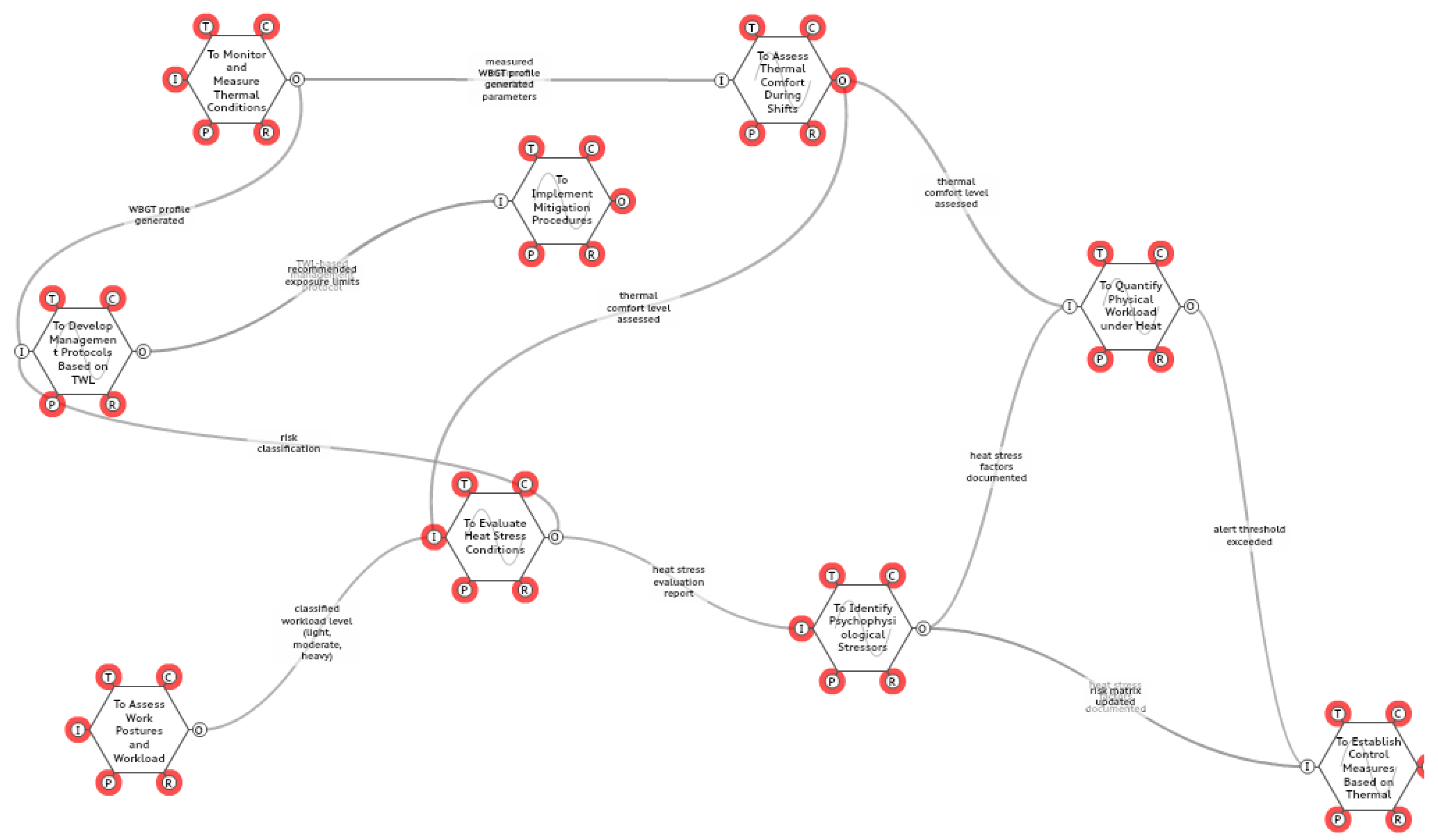
Figure 3.
- Monitor and measure thermal conditions.
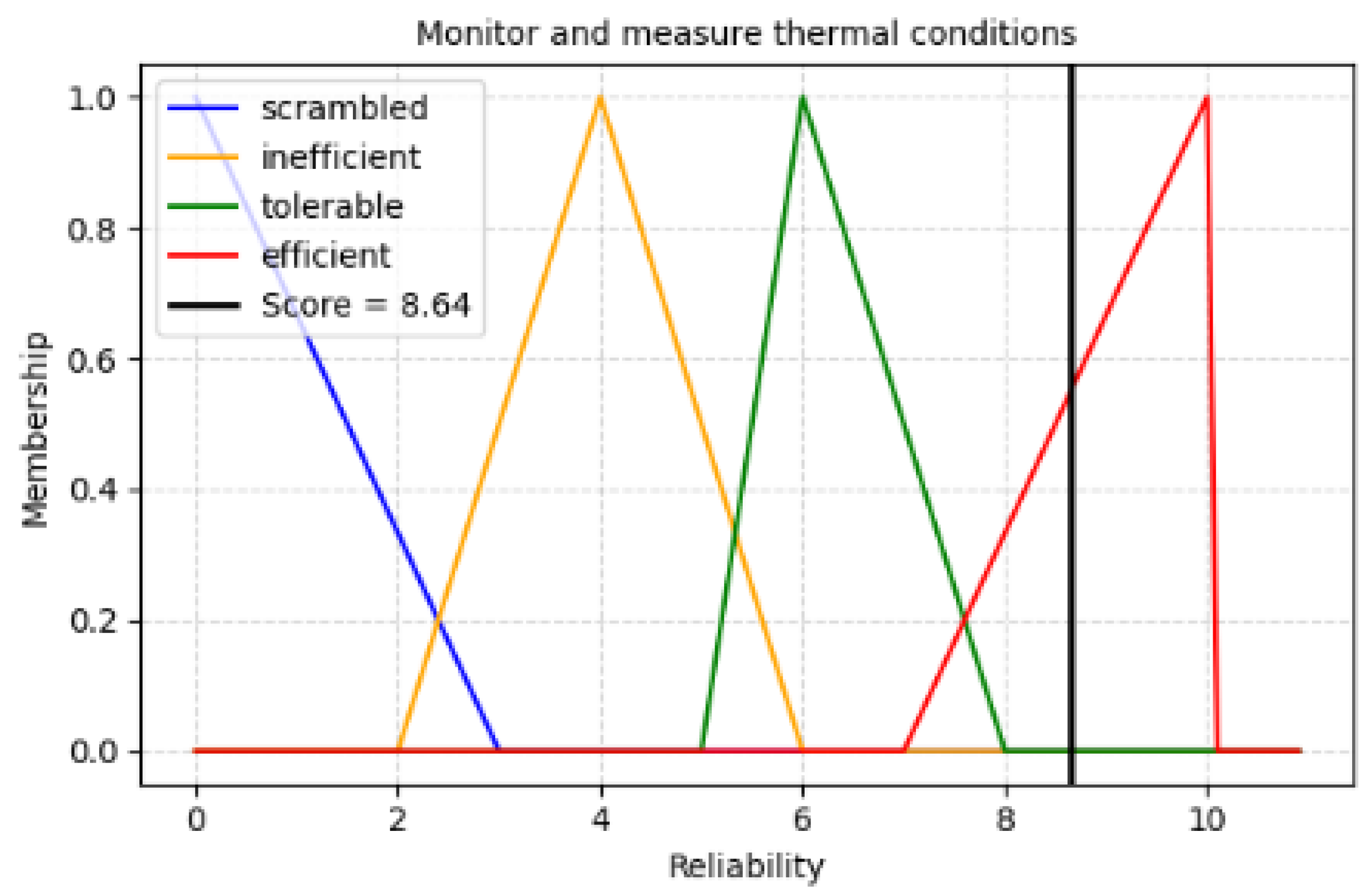
Figure 4.
Assess thermal comfort during shifts.
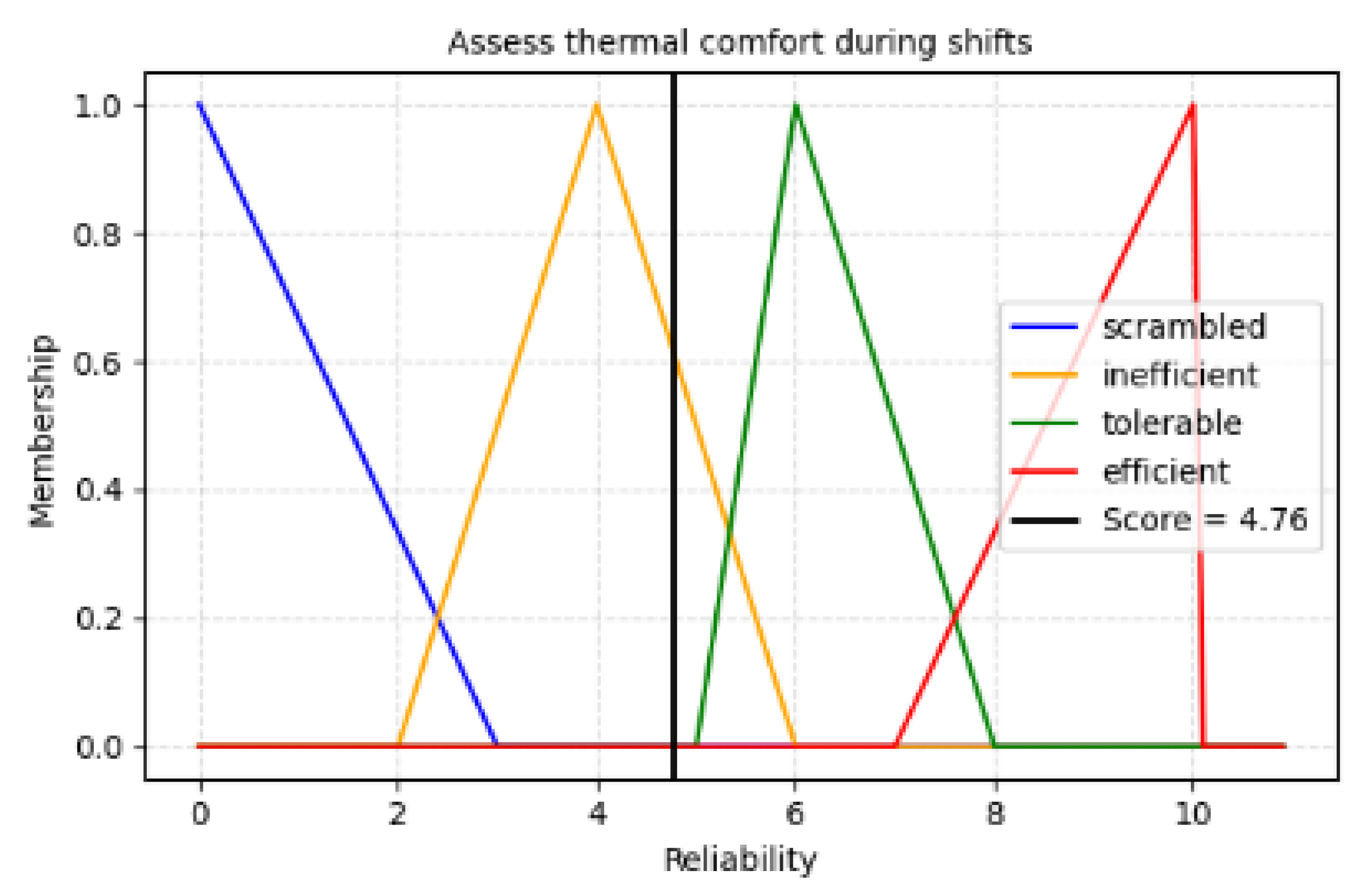
Figure 5.
- Evaluate heat stress conditions in mining environments.
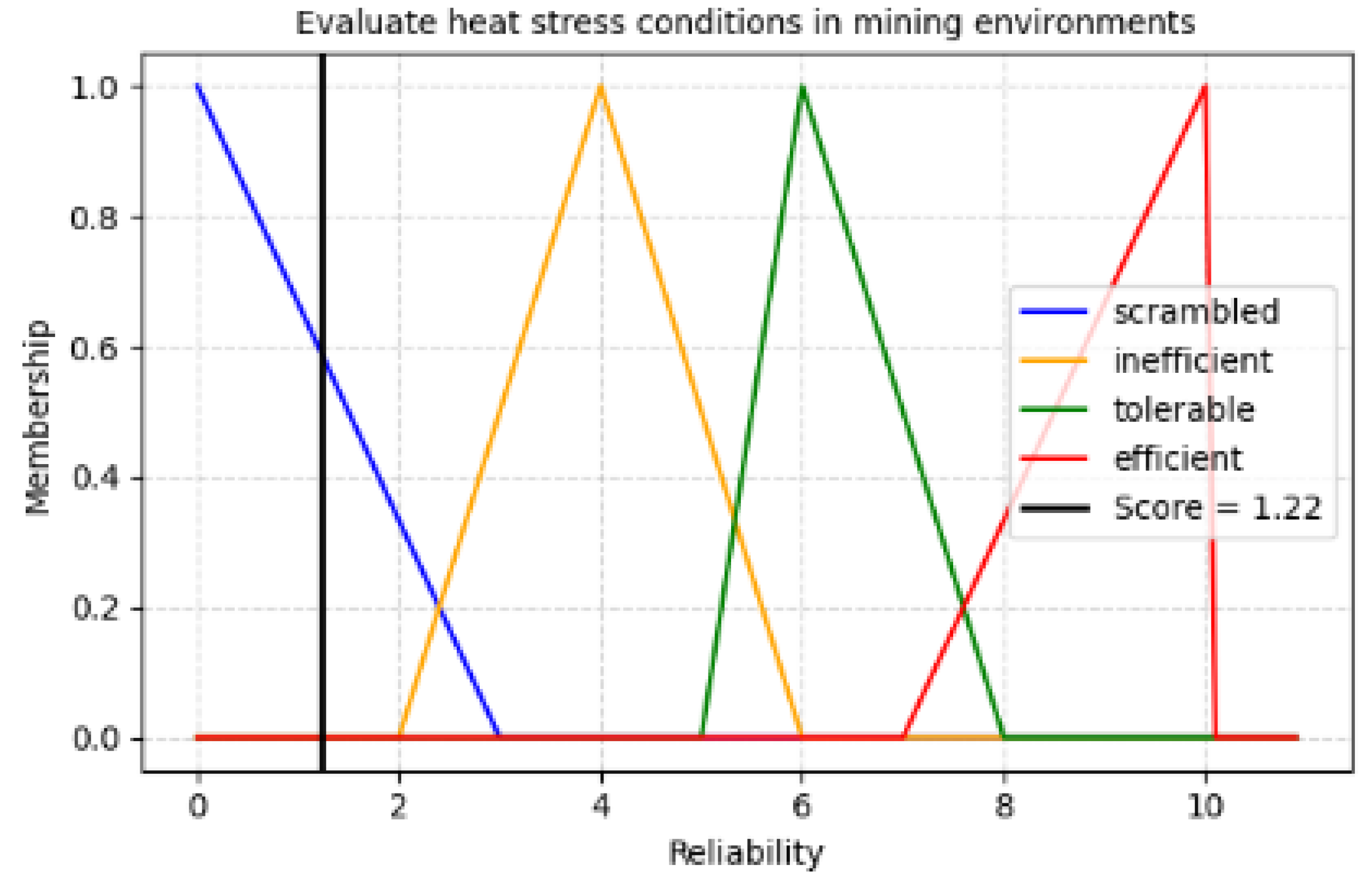
Figure 6.
- Identify and characterize psychophysiological stressors.
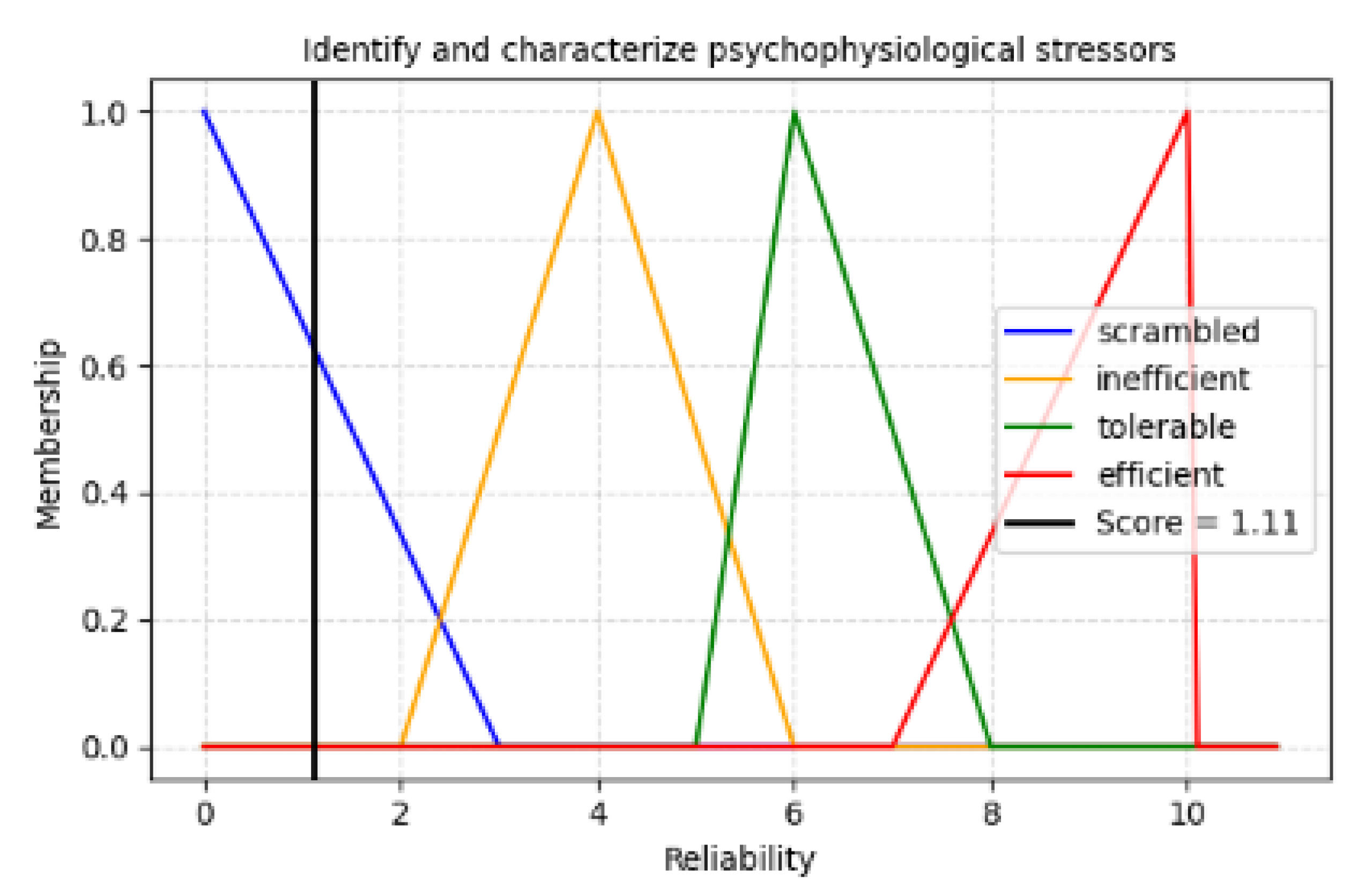
Figure 7.
Quantify physical workload under thermal load conditions.
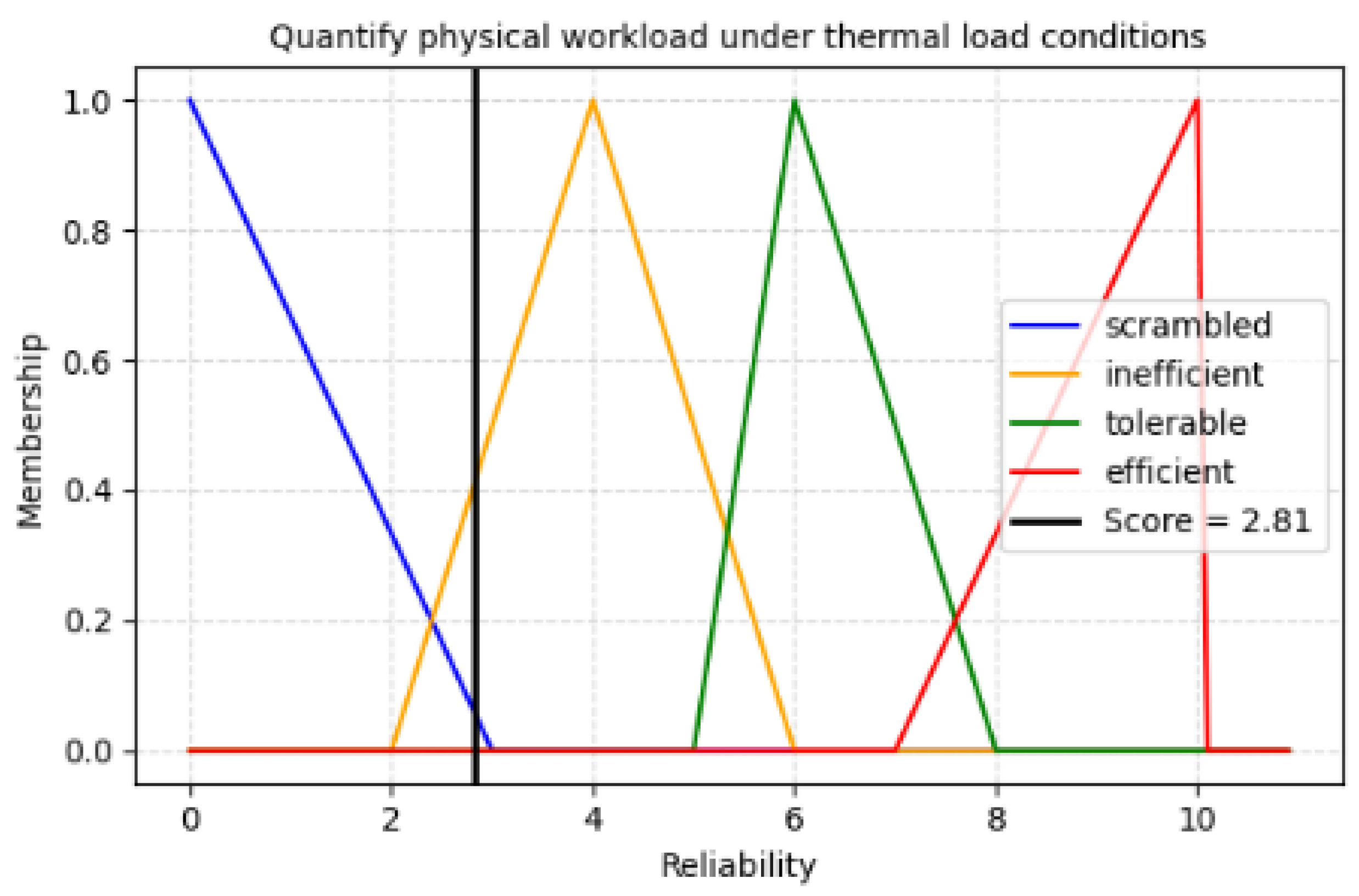
Figure 8.
Assess work postures and workload.
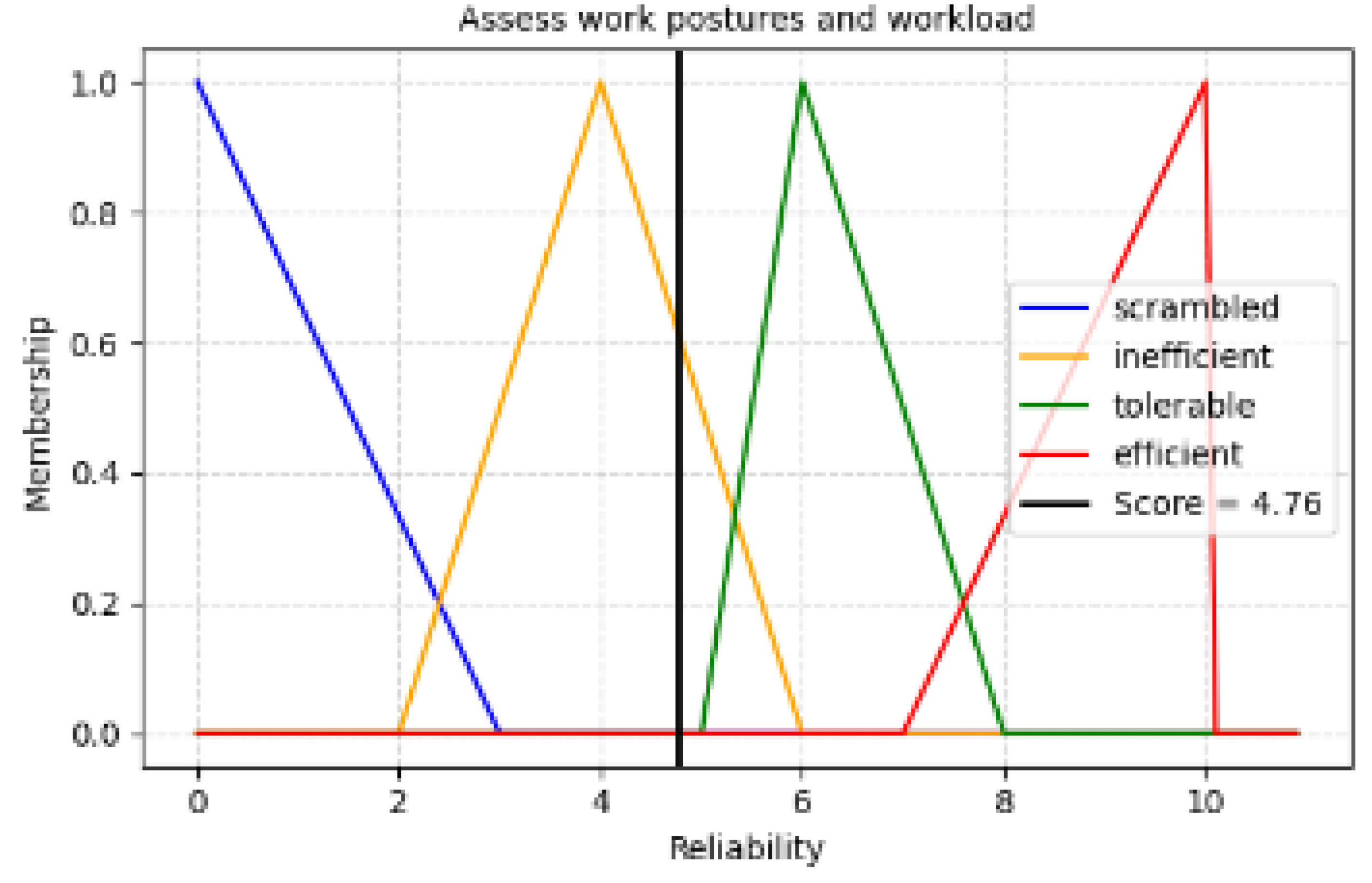
Figure 9.
Develop management protocols based on TWL.

Figure 10.
- Implement procedures to reduce occupational heat stress.
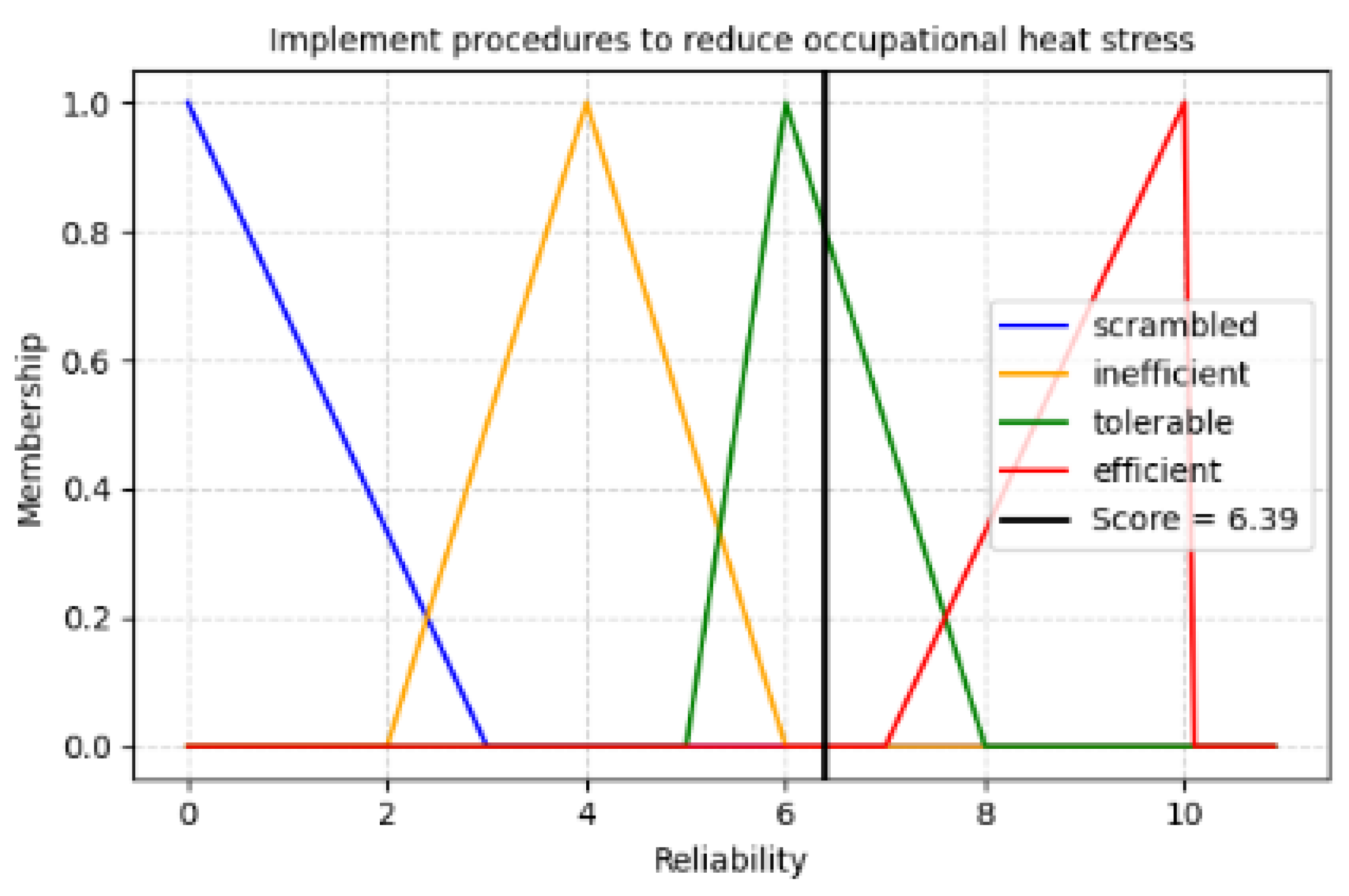
Figure 11.
- Establish control measures based on heat stress data.
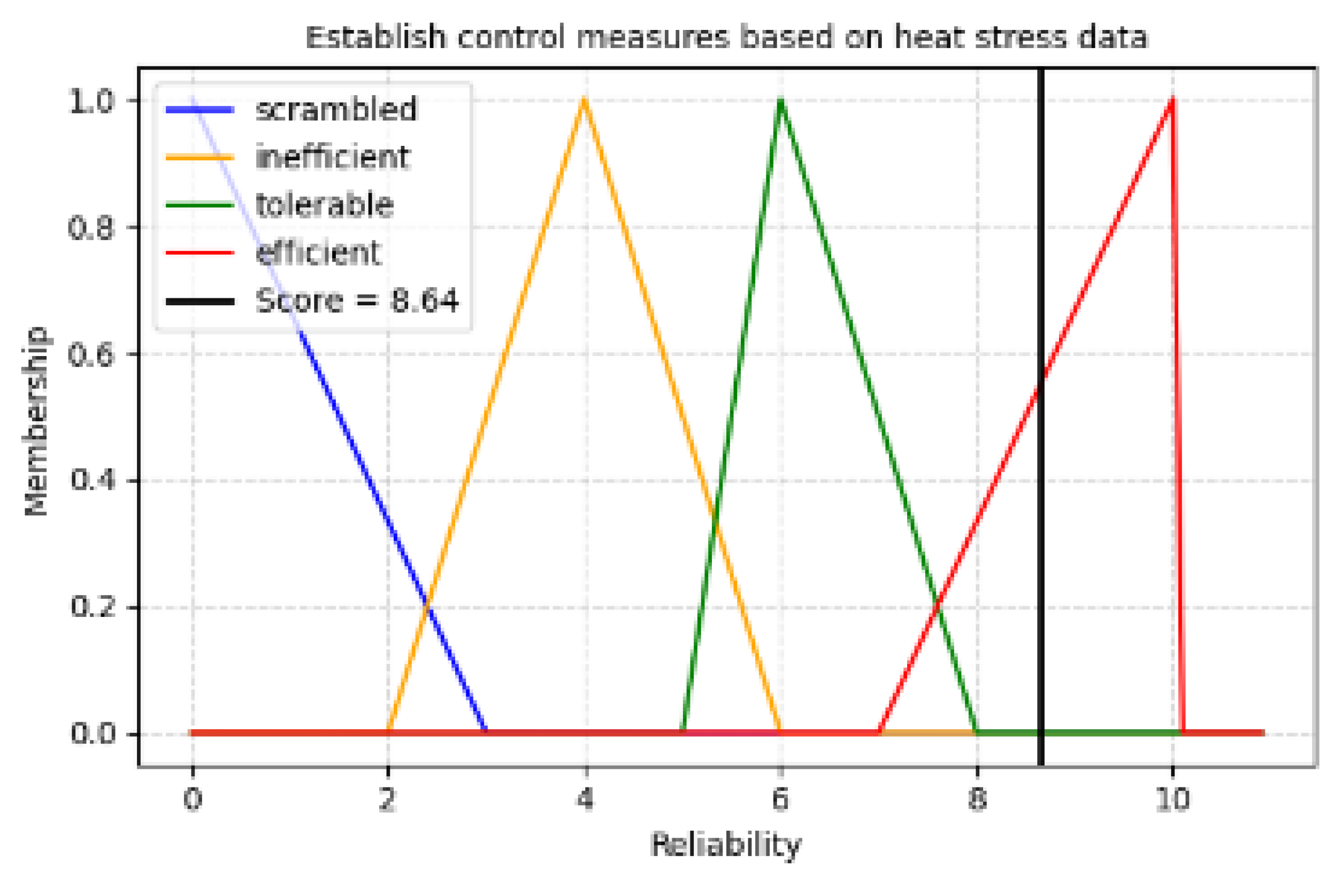

Table 1.
- six core aspects.
| Core aspects | Description |
|---|---|
| Input (I) | The trigger or starting point for the function |
| Output (O) | The result or outcome produced by the function |
| Preconditions (P) | The conditions that must be satisfied before the function can be executed |
| Resources (R) | The materials, tools, or information required to perform the function |
| Control (C) | The mechanisms or guidelines regulating the function’s execution |
| Time (T) | The temporal aspect that defines when the function must be completed |
Table 2.
- Classification of control modes in Fuzzy CREAM based on defuzzified reliability scores.
| Range | Control Mode | Operational Interpretation |
|---|---|---|
| 0≤ y* ≤2.5 | Scrambled | Highly unpredictable; prone to errors |
| 2.6≤ y* ≤5.0 | Inefficient | Weak control, unstable contextual behavior |
| 0≤ y* ≤2.5 | Tolerable | Sufficient control with variability risks |
| 0≤ y* ≤2.5 | Efficient | Stable and reliable task execution |
Table 3.
Triangular membership function parameters for CPC linguistic values.
| CPC | Linguistic Value | a (min) | b (peak) | c (max) |
|---|---|---|---|---|
| Adequacy of organization | Poor | 0.0 | 0.10 | 0.30 |
| Average | 0.20 | 0.50 | 0.80 | |
| Adequate | 0.70 | 0.90 | 1.00 | |
| Working conditions | Poor | 0.00 | 0.15 | 0.35 |
| Average | 0.25 | 0.50 | 0.75 | |
| Adequate | 0.65 | 0.90 | 1.00 | |
| Time available | Poor | 0.00 | 0.20 | 0.40 |
| Average | 0.30 | 0.50 | 0.70 | |
| Adequate | 0.60 | 0.85 | 1.00 |
Table 4.
- Example of fuzzy IF–THEN rules for CPC combinations.
| Rule | CPC₁ (Organization) | CPC₂ (Conditions) | CPC₃ (Time) | Output Control Mode |
|---|---|---|---|---|
| R1 | Adequate | Adequate | Adequate | Efficient |
| R2 | Poor | Any | Any | Scrambled |
| R3 | Any | Poor | Any | Scrambled |
| R4 | Average | Average | Average | Tolerable |
| R5 | Adequate | Average | Poor | Inefficient |
| R6 | Average | Poor | Poor | Scrambled |
Table 5.
Summary of selected articles on occupational conditions and green mining.
| Author | Research Location and Context | Objective | Methodology | Key Results | Relevance |
|---|---|---|---|---|---|
| (Wyndham, 1974) | This study was conducted in the South African gold mining sector, specifically within the deep-level mines of the Witwatersrand region. | The primary aim was to evaluate how interdisciplinary research in human sciences—particularly physiology, psychology, and sociology—could be applied to improve health, safety, and productivity in underground mining, with an emphasis on heat acclimatization and worker resilience in hot environments. | The study utilized a combination of field experiments, physiological monitoring (including rectal temperature, oxygen consumption, and heart rate), and controlled environmental exposure in climatic rooms. From 1965 onwards, new recruits underwent an 8-day acclimatization program in chambers maintained at 32°C wet-bulb temperature. Exercises were calibrated to simulate moderate mining workloads, gradually increasing metabolic demand over the acclimatization period. | The controlled acclimatization protocol proved highly effective. By 1970, over 280,000 workers had participated across 28 acclimatization facilities. The program led to a significant reduction in heat stroke cases and fatalities, particularly due to improvements in early detection (via oral temperature checks) and immediate on-site cooling of affected individuals. Mortality rates dropped drastically compared to earlier years, when unrecognized or untreated heat stroke had resulted in up to 50% fatality among affected miners. | The study demonstrated that large-scale, structured acclimatization significantly enhances thermal safety in mining. It also allowed for partial work shift reallocation to include safety and productivity training, while reducing the supervisory burden. Wyndham’s findings contributed to the foundational practices in occupational heat stress management and laid the groundwork for modern protocols in thermal risk mitigation in mining environments. |
| (Miller and Bates, 2007) | The study included both controlled laboratory trials and field observations at mining and construction sites in northwest Australia, where summer conditions regularly exceed conventional heat stress thresholds. | The main objective was to evaluate the Thermal Work Limit (TWL) index as a practical, accurate, and robust tool for managing occupational heat stress in both controlled environments and real-world outdoor work settings. The TWL was compared to the widely used but often overly conservative Wet Bulb Globe Temperature (WBGT) index. | Twelve physically active male participants underwent trials in a climate chamber simulating hot environments (38–40 °C dry bulb, ~28 °C wet bulb). They performed repeated 30-minute work intervals at increasing workloads (40–60 W) interspersed with rest, while heart rate, core temperature (via ingestible sensors), and hydration status were monitored. Field studies involved continuous environmental and physiological monitoring of mine and construction workers across three outdoor sites, using heart rate monitors, tympanic thermometers, and urine specific gravity measurements. Environmental conditions were assessed using both TWL and WBGT indices. | In the controlled trials, TWL accurately predicted the metabolic threshold at which physiological strain (elevated core temperature >38.2 °C or heart rate >115 bpm) would occur. Ten of the twelve subjects stayed within predicted limits; the two outliers were likely impacted by poor acclimatization or excess body fat. In the field, TWL provided realistic thresholds that permitted safe continuous labor even when WBGT values suggested mandatory work-rest cycles. Despite consistently high WBGTs (>30 °C), workers maintained stable heart rates, hydration, and core temperatures when TWL exceeded 140 W/m². Management protocols based on TWL were proposed, allowing unrestricted work when TWL >220 W/m² and recommending restrictions and monitoring when TWL <140 W/m². | This study validated TWL as a more reliable and applicable index for heat stress management in hot workplaces compared to WBGT. It demonstrated that TWL better reflects the cooling potential of environmental factors like air movement, thus avoiding unnecessary productivity losses. The authors recommend TWL-based protocols for industry-wide adoption, highlighting its benefits in protecting health while sustaining operational efficiency. |
| (Sakinala et al., 2023) | The study was carried out in a fully mechanized underground coal mine operated by Eastern Coalfields Limited (ECL), a subsidiary of Coal India Ltd. This mine, located in eastern India, produces 3.4 million tons annually and represents a key example of mechanized underground mining in the country. | The study aimed to evaluate the ergonomic conditions of underground machine operators by analyzing their working postures and physical workload. The goal was to identify risk factors for musculoskeletal disorders (MSDs) and fatigue, which are common in deep mining due to constrained workspaces and prolonged exposure to poor environmental conditions. | Work posture was assessed using the Ovako Working Posture Analysis System (OWAS), which classifies postural stress based on joint angles and time spent in each posture. Physical workload was evaluated using pulse rate measurements captured by a Polar M430 activity monitor, and energy expenditure was estimated via the Varghese formula. Four types of machinery operators were evaluated: continuous miner (CM), universal drilling machine (UDM), road header, and load haul dumper (LHD). | Postural analysis revealed that most operators regularly assumed slightly to distinctly harmful postures. For example, CM operators spent 70% of their time with the neck bent backward (distinctly harmful), while UDM, road header, and LHD operators exhibited prolonged bent or twisted trunk positions. In terms of workload, CM operators had a light workload (average pulse: 96 bpm; energy expenditure: 6.5 kJ/min), whereas the UDM, road header, and LHD operators showed moderately heavy workloads (pulse rates ~112–114 bpm; energy expenditure ~9.1–9.4 kJ/min). These findings suggest a substantial risk of fatigue and MSDs, particularly for UDM and road header operators. | This study emphasizes the urgent need for ergonomic interventions in Indian underground mines. The authors advocate for better postural training, workload management, and the adoption of ergonomic design principles (e.g., anthropometry and participatory ergonomics) to reduce occupational health risks. The methodology and findings may be extended to other mining contexts, including opencast and non-coal operations. |
| (Dey and Dey, 2019) | The study was conducted in two underground coal mines in India (referred to as Mine A and Mine B), both operated under subsidiaries of Coal India Limited. While the mines shared similar ventilation and geological conditions, they differed in depth—150 m for Mine A and 320 m for Mine B. | The objective of the study was twofold: (1) to assess the thermal comfort status of underground coal miners using standardized thermal stress indices, and (2) to examine the correlations between thermal comfort and physiological and environmental stress factors. | Twenty male participants (10 per mine) were selected based on strict inclusion criteria: healthy BMI and body surface area, no cardiovascular or physiological disorders, acclimatized to underground work, and with normal resting ECG. Thermal comfort was evaluated using the Predicted Mean Vote (PMV) and Predicted Percentage of Dissatisfied (PPD) indices derived from environmental data collected hourly during the work shift. Pearson correlation and Student’s t-tests were applied to determine the strength of association between PMV/PPD and various environmental and physiological variables such as heart rate, metabolic heat generation, air velocity, convection and evaporation heat exchange. | Both mines showed high thermal stress levels with PMV and PPD values exceeding comfort thresholds—Mine A had a PMV of 3.74 and PPD of 99.28%, while Mine B showed a PMV of 4.09 and PPD of 99.97%. WBGT (Wet Bulb Globe Temperature) values were also elevated compared to OSHA’s recommended limits. A strong positive correlation was found between PMV and metabolic heat production (r = 0.99), while strong negative correlations were found with evaporative heat loss (r = –0.99) and convective heat exchange in breathing (r = –0.88). Medium-strength correlations existed between PMV and PPD (r = 0.60 in Mine A and r = 0.53 in Mine B). These findings indicate that thermal comfort in Indian underground mines is governed by multiple interacting factors, and even relatively shallow mines can present substantial heat stress risks. | The study underscores the importance of systematically identifying and monitoring the various determinants of thermal comfort in underground environments. As Indian mining shifts toward deeper operations, understanding the interplay between physiological strain, environmental heat stress, and mine design becomes increasingly critical. The authors advocate for better air velocity management, targeted work-rest schedules, and enhanced environmental monitoring to reduce discomfort and maintain productivity in heat-stressed mines. |
Table 6.
- Final prioritization score.
| Function | Thermal Impact (C1) | Human Reliability (C2) | FRAM Connectivity (C3) | Final Score |
|---|---|---|---|---|
| Evaluate heat stress conditions | 0.92 | 0.91 | 0.90 | 0.91 |
| Quantify physical workload | 0.89 | 0.87 | 0.88 | 0.88 |
| Identify psychophysiological stressors | 0.85 | 0.86 | 0.84 | 0.85 |
| Monitor and measure thermal conditions | 0.80 | 0.82 | 0.83 | 0.82 |
| Assess thermal comfort | 0.78 | 0.79 | 0.81 | 0.79 |
| Assess postures and workload | 0.75 | 0.74 | 0.73 | 0.74 |
| Establish control measures | 0.70 | 0.72 | 0.71 | 0.71 |
| Implement heat stress procedures | 0.68 | 0.70 | 0.69 | 0.69 |
| Develop protocols based on TWL | 0.65 | 0.68 | 0.67 | 0.67 |
Disclaimer/Publisher’s Note: The statements, opinions and data contained in all publications are solely those of the individual author(s) and contributor(s) and not of MDPI and/or the editor(s). MDPI and/or the editor(s) disclaim responsibility for any injury to people or property resulting from any ideas, methods, instructions or products referred to in the content. |
© 2025 by the authors. Licensee MDPI, Basel, Switzerland. This article is an open access article distributed under the terms and conditions of the Creative Commons Attribution (CC BY) license (http://creativecommons.org/licenses/by/4.0/).
Copyright: This open access article is published under a Creative Commons CC BY 4.0 license, which permit the free download, distribution, and reuse, provided that the author and preprint are cited in any reuse.


