

Submitted:
20 June 2025
Posted:
23 June 2025
You are already at the latest version
Abstract
Kombucha is a sweetened tea infusion fermented using a symbiotic culture of bacteria and yeast (SCOBY). Recently, kombucha has gained popularity due to its potential health benefits, attributed to its high antioxidant and probiotic properties. The aim of this research was to formulate a novel antioxidant-rich beverage with synbiotic benefits by utilizing ingredients such as Laminaria digitata (brown seaweed), cinnamon, and lavender adjuncts, alongside alternative substrates like acacia honey and conventionally used ingredients such as ginger (Zingiber officinale Roscoe). This study comprehensively evaluated parameters including pH levels, acidity, alcohol content, color, and antioxidant potential of the beverages. All kombucha beverages exhibited significantly high antioxidant potential levels, particularly in Honey Kombucha (HK) samples, which ranged between 164.44%–164.78% DPPH inhibition and 155.44%–155.29% TE (µg/mL) for the FRAP assay on days 3 and 7. Sugar Kombucha Seaweed (SKS) and Sugar Kombucha Cinnamon (SKC) samples received the highest acceptability for flavor from the sensory panel, with scores of 87.5% and 70%, respectively. However, Honey Kombucha Ginger (HKG) received the lowest acceptability with only 12.5%. The added adjuncts and substrates significantly influenced the antioxidant potential compared to plain unfermented tea (PT). This research paper outlines well characterised fermentation process for formulating health promoting beverages utilizing locally sourced ingredients.
Keywords:
Kombucha fermentation
; seaweed
; honey
; probiotics
; antioxidant activity
1. Introduction
Kombucha, a fermented beverage derived from sweetened tea, has garnered significant attention in recent years due to its potential health benefits and increasing consumer interest in functional foods. Traditionally prepared with a symbiotic culture of bacteria and yeast (SCOBY), kombucha is distinguished by its distinctive effervescence and slightly sour flavour. The fermentation process not only enhances flavour profiles but also promotes the production of bioactive compounds, including antioxidants, vitamins, and probiotics [1]. These characteristics have led to widespread consumption of kombucha as both a refreshing beverage and a functional drink with purported health benefits. The historical origins of kombucha can be traced back to China, where it was used for its medicinal properties around 220 B.C. [2]. It soon proliferated to other regions, including Japan, Eastern Europe, and Russia, traditionally being employed as a remedy for various ailments such as digestive issues and fatigue [3,4]. Various studies have reported the antioxidative and antibacterial properties of kombucha, attributing these effects primarily to its polyphenolic content and the presence of organic acids produced during fermentation [5].
The microbial composition of SCOBY in kombucha varies significantly between batches, which can influence fermentation dynamics and the final product’s biochemical profile [7]. Commonly associated microorganisms include various strains of yeast such as Zygosaccharomyces and Brettanomyces, along with acetic acid bacteria including Acetobacter and Gluconobacter [1]. This variability can complicate efforts to standardize the health benefits of kombucha, as the specific strains involved may affect chemical composition, flavour, and nutritional value [6,7].
One of the key aspects of kombucha that warrants investigation is its antioxidant potential, which is primarily attributed to the bioactive compounds released during fermentation. Research has demonstrated that kombucha exhibits significant free radical scavenging abilities, contributing to its profile as a health-promoting beverage [8]. Among these compounds, polyphenols, organic acids, and vitamins are of particular importance due to their documented health benefits, including anti-inflammatory and antimicrobial properties [9]. Polyphenol-rich fermented foods (PFFs) such as Kombucha are reported to have better bioavailability and bioactivity than polyphenol-rich foods such as tea, honey or seaweed by itself. This is because polyphenolic substrates are hydrolyzed into smaller more bioavailable and bioactive phenolic compounds (such as quercetin, kaempferol, gallic acid, ellagic acid, etc.) formed during food fermentation by polyphenol-associated enzymes [10]. Further, the presence of live probiotics in kombucha is also notable, as they can enhance gut health and support immune function [11].
Recent trends in kombucha production have seen innovative approaches that incorporate a variety of ingredients beyond traditional tea and sugar. Ingredients such as fruits, spices, and medicinal herbs are frequently introduced to create distinctive flavour profiles and enhance health benefits [12]. In this regards, studies exploring alternative substrates, such as honey, have gained traction. Honey not only serves as a fermentable carbohydrate source but is also rich in antioxidants, vitamins, and minerals, making it an attractive alternative to refine sugar in kombucha fermentation [13]. The integration of Laminaria digitata, a type of brown seaweed, into kombucha production has been a recent focus of many product formulation studies. Known for its high nutritional value, Laminaria digitata is rich in vitamins, minerals, and bioactive compounds, such as polyphenols and polysaccharides, which have potential health implications including antioxidant and anti-inflammatory effects [14]. A previous study on the impact of seaweed polysaccharides and tea polyphenols showed their blends to increase the abundance of Bacteroidetes in in vitro colonic fermentation systems. Increased abundance of Bacteroidetes has been implicated in reducing the incidence of obesity and atherosclerosis [15]. The incorporation of this seaweed into kombucha could foster synergies between beneficial compounds arising from both the fermentation process and the seaweed, potentially leading to a beverage with enhanced health-promoting properties.
The research aims to provide in-sights into the impact of these adjuncts on the biochemical properties of kombucha and to explore consumer acceptance of alternative flavour profiles. In addition to the health benefits attributed to kombucha consumption, understanding the fermentation dynamics influenced by adjunct ingredients is crucial for producing a consistent and palatable product. This study utilizes various analytical techniques to measure key parameters, including pH, titratable acidity, total soluble solids, alcohol content, and antioxidant activity. Moreover, sensory evaluations were undertaken to assess consumer preferences and acceptability regarding the novel kombucha formulation containing Laminaria digitata and honey. This research seeks to elucidate the interplay between fermentation processes, adjunct ingredient integration, and the resultant health benefits of kombucha. The findings will contribute to a deeper understanding of how innovative ingredient combinations can enhance the nutritional profile and market acceptance of kombucha beverages while promoting health and wellness.
2. Materials and Methods
2.1. Materials & Analytical Equipment
For the preparation of the kombucha samples, locally sourced materials were utilized. Barry’s gold black tea (Camellia sinensis) blend served as the primary tea type. Acacia honey (Co. Cork, Ireland) and granulated caster sugar were used as main substrates [13]. The SCOBY culture was sourced from Berlin, Germany. Adjuncts included Laminaria digitata (brown seaweed, Co. Clare, Ireland), local dried lavender flowers and dry ginger powder and cinnamon (Kerala, India).
The analytical equipment utilized for this study comprised an electronic pH meter, refractometer, optical density reader, Anton Paar Alcolyzer, nano-spectrophotometer, and Hunter Lab colorimeter.
2.2. Method Description
Kombucha samples were prepared according to established procedures outlined in the literature
2.2.1. Preparation of Kombucha Samples
Two distinct kombucha tea samples were prepared in accordance with established procedures. First, 1 L of boiled water was poured into 2-L brewing beakers. Then, six grams of Barry’s gold tea (equivalent to two tea bags) were added to the hot water and steeped for 10 minutes before discarding the tea bags. Next, in one beaker, 10% (w/v) of sucrose was dissolved in the steeped tea. In the second beaker, 7% (w/v) of acacia honey was incorporated into the tea brew. The sweetened brews were permitted to cool to room temperature and once the tea reached a temperature below 29°C, 80 grams of the SCOBY were introduced into each sweetened tea brew. The surface of each beaker was covered with cheesecloth and secured with a rubber band to seal the fermentation beaker from possible contamination.
The samples were then incubated at 24-25°C under aerobic conditions for a primary fermentation period of 7 days. Following this period, both kombucha brews were filtered through a fine mesh sieve. The resulting kombucha liquid was then transferred into swing-top bottles for secondary fermentation.
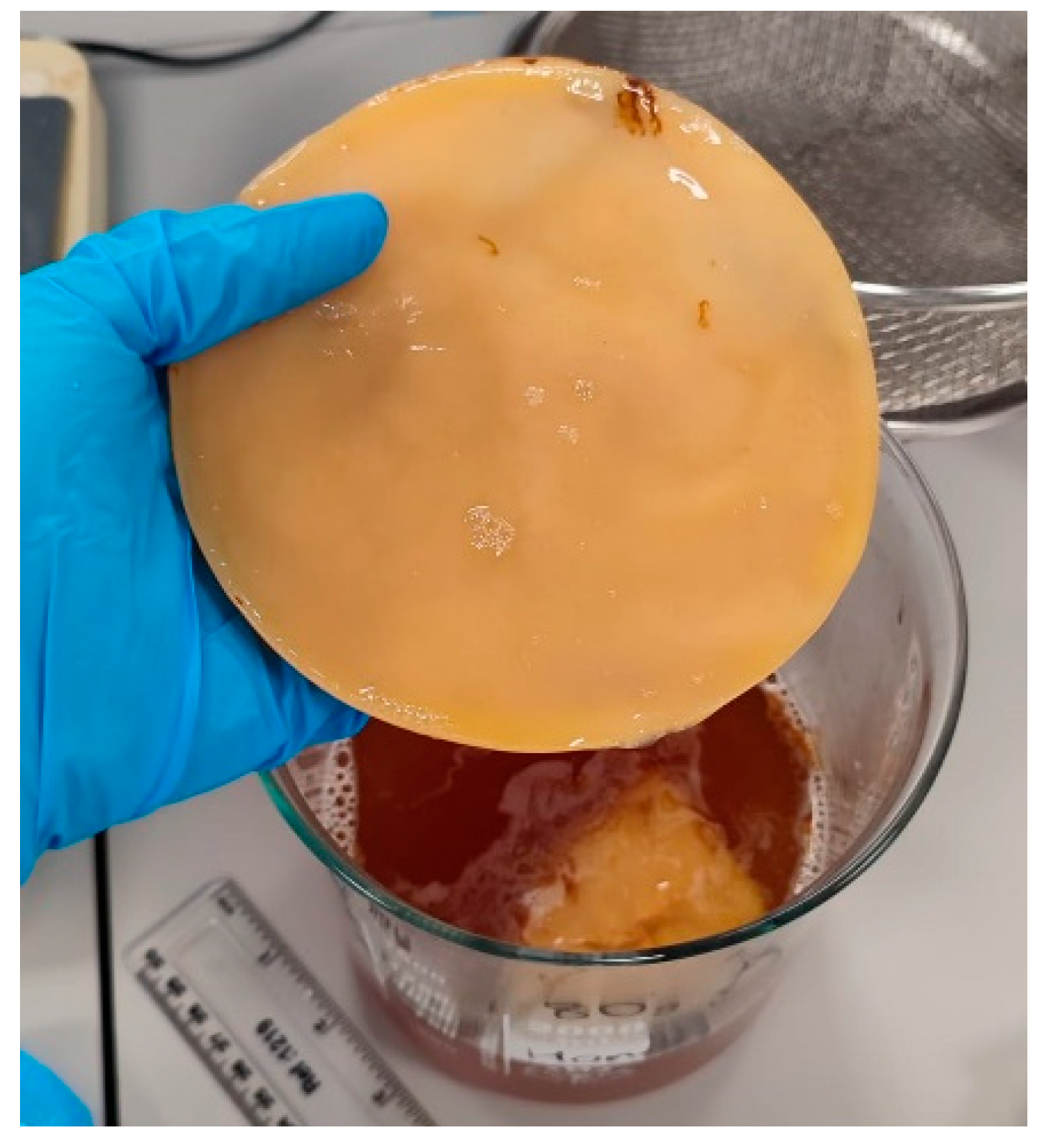
Figure 1.
Kombucha Scoby used for fermentation.
2.2.2. Incorporation of Adjuncts
Various adjuncts such as Laminaria digitata (brown seaweed), dry ginger powder, dried lavender flowers and cinnamon powder were introduced to both the honey and sugar brew containers during the secondary fermentation. The adjuncts were selected based on their reported aroma, bioactive composition and impact on sensory profiles in pre trials. Ginger and seaweed were added at 0.15% while lavender and cinnamon were added at 0.05%.Thus, the concentration of adjuncts used varied between 0.05-0.15% w/v following reports where adjuncts such as food byproducts (pecan shells; soapberry; sugar cane syrup; hydrolysate of pomace, pineapple, and pear peel; pomace; sweet sorghum; cellar residues etc.) and stinging nettle have been used for producing kombucha [6,16,17]. The secondary fermentation continued for an additional 4 days under the same temperature conditions. The process was repeated in triplicate batches before further analysis.
2.2.3. pH Measurement, Total Soluble Solids (TSS) and Alcohol
To monitor pH, an electronic calibrated pH meter was utilized. For alcohol content measurement, 30 mL samples of each kombucha were filtered through a funnel using filter paper. The decarbonated liquids were then assessed with an alcohol meter (Alcolyzer 3001, Anton Paar). TSS was determined using a refractometer, where a single drop of kombucha was applied to the prism for measurement. Each measurement was recorded in triplicate to record standard deviations.
2.2.4. Titratable Acidity (TA)
The pH meter was calibrated before use, and the initial pH of each kombucha sample was recorded. For TA determination, 20 mL of each sample was diluted with 50 mL of distilled water, to which 2-3 drops of phenolphthalein indicator were added. Titration was performed using 0.1 M sodium hydroxide to reach an endpoint pH of 9, and the acidity of kombucha was calculated in terms of acetic acid concentration using the formula:
2.2.5. Sensory Analysis
A 4-point hedonic scale was used to evaluate the overall acceptability of the kombucha samples. Each sample (20 mL) was served in clear plastic cups labelled with random 3-digit codes to avoid bias. Ten trained panellists participated in the sensory evaluation, ranking the flavour of each sample, which included SKS, HKS, HKG, HKC, SKC, SKL and a commercially available control sample (V). The ranking scale ranged from 1 (highest acceptability) to 4 (lowest acceptability). The mean scores from the evaluations were calculated and expressed as percentages to identify the most acceptable product.
2.2.6. Colorimeter Analysis
Colorimetric analysis was performed using a HunterLab ColorFlex EZ colorimeter. Calibration was conducted using standard black and white tiles. The kombucha samples were placed over the light trap, and multiple readings of lightness (L*), redness (a*), and yellowness (b*) were taken in triplicates for each sample.
2.2.7. Antioxidant Potential Measurements
Antioxidant potential was assessed utilizing both the FRAP and DPPH assays. For the FRAP assay, The FRAP reagent was prepared by dissolving 1.55 g of sodium acetate trihydrate in 8 ml of acetic acid, followed by the addition of 450 ml of deionized water (dH2O). The pH of this solution was measured and adjusted to 3.6. The final volume was adjusted to 500 ml using dH2O. For the 2,4,6-Tripyridyl-s-triazine (TPTZ) solution, 15.6 mg of TPTZ was dissolved in 5 ml of 40 mM HCl to obtain a 10 mM solution. Additionally, 27 mg of ferric chloride hexahydrate was dissolved in 5 ml of dH2O to prepare a 20 mM FeCl3∙6H2O solution. These solutions were then combined in a 10:1:1 ratio and heated at 37 °C for 30 minutes. The initial absorbance of the FRAP reagent was measured at 590 nm, after which the samples were added to a 96-well plate and further incubated at the same temperature for 30 minutes. The change in absorbance, calculated as the difference between absorbance at 30 minutes and at zero time, was determined. A Trolox stock solution at 1 mM was then prepared to create serial dilutions for use as standards. Kombucha samples were diluted in a 200 µL volume. In a 96-well plate, 120 µL of each diluted kombucha sample was combined with the pre-warmed FRAP reagent and placed into wells. Each sample was tested in triplicate. Absorbance was measured at 590 nm after 30 minutes of incubation at 37°C. The antioxidant capacity was expressed in µg Trolox Equivalent per millilitre (µg TE/mL) based on constructed standard curves.
For the DPPH assay, 1 mg/mL of DPPH stock solution was prepared. Kombucha samples were diluted to a total volume of 1 mL, incorporating 125 µL of DPPH solution and 10 µL of each kombucha sample. Following an incubation period of 30 minutes at 37°C, absorbance was taken at 517 nm. The percentage of inhibition was calculated using the formula:
The measurements were carried out in triplicate and A control is absorbance of DPPH without tested sample while A sample is absorbance of DPPH with tested sample
2.2.8. Statistical Analysis
All experiments were repeated in triplicate, and results were expressed as mean values ± standard deviation (SD). Data analysis was performed using Microsoft Excel 365, while GraphPad Prism statistical software conducted one-way ANOVA tests, with significance defined at p < 0.05. The Tukey post hoc test was employed to identify specific parameter differences exhibiting statistical significance.
3. Results and Discussion
3.1. pH Monitoring
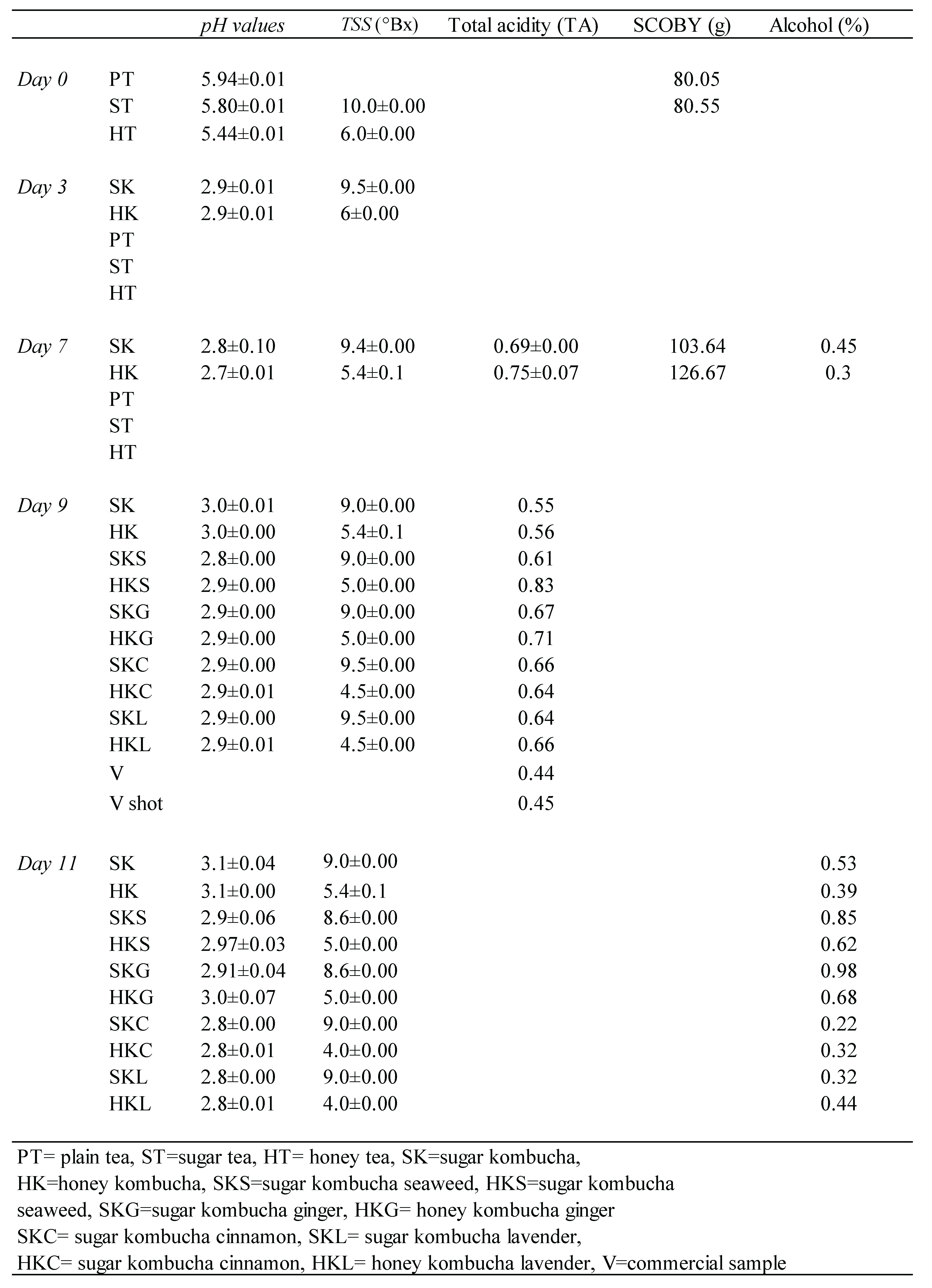
The pH range considered safe for kombucha consumption is deemed to be between 2.5 and 4.2 to inhibit pathogenic bacterial growth and have shelf stable product [5, 6]. The kombucha samples studied demonstrated a significant reduction in pH from an initial value of 5.6 on Day 0 to approximately 2.9 by Day 3. This pH reduction results from effective fermentation activity and production of organic acids, consistent with findings from prior studies that document similar pH trends in black tea kombucha [18].
3.2. Total Soluble Solids (TSS) and SCOBY Growth
Initial TSS measurements indicated a starting point of 10°Brix for SK samples and 6°Brix for HK samples. As fermentation progressed, decreases were noted, with SK samples dropping to 9°Brix and HK samples to 4.5°Brix by Day 9. These results align with literature indicating that fermentation results in gradual sugar consumption and TSS reduction [13].
3.3. Titratable Acidity (TA)
The TA of acetic acid in the kombucha samples was consistently within the recommended range of 0.27% to 2.03% across all samples. Notably, HK samples presented a higher TA value of 0.75%, attributed to the rapid conversion of sugars to acetic acid in honey compared to sugar substrates, aligning with other research findings [19]. Honey Kombucha samples showed considerably higher SCOBY weight at the end of primary fermentation at 126.67 g.
3.4. Alcohol Content
Ethanol concentrations analysed after primary fermentation revealed SK samples exhibited a slightly higher alcohol concentration (0.45%) compared to HK samples (0.30%). Secondary fermentation further increased alcohol content with the highest at 0.98% for SKG sample on day 11, indicating ongoing active secondary fermentation. These findings suggest that manipulation of substrate concentrations and fermentation conditions can significantly impact ethanol levels [20].
3.5. Sensory Analysis
The sensory evaluation indicated that kombucha containing sugar substrates received higher acceptance ratings compared to those with honey. Specifically, SKS and SKG received acceptability scores of 87.5% and 75%, respectively, while HKG noted a dramatically lower acceptance rate of 12.5%, highlighting consumer preference for less acidic profiles. This observation aligns with results from other studies conducted on kombucha flavoured with alternative ingredients [21]. Though ginger sugar fermented Kombucha is widely available in the marketplace, our study showed that the combination of honey and ginger led to less preferable profiles. This could also be a result of biotransformation of ginger volatile compounds during fermentation that altered the flavour of Kombucha unfavourably. Modification or transformation of compounds by bacteria and yeast during fermentation is a known phenomenon [22]

Table 1.
pH values, total soluble solids (TSS), total acidity (TA), scoby weight, and alcohol concentration readings for each sample.
Table 1.
pH values, total soluble solids (TSS), total acidity (TA), scoby weight, and alcohol concentration readings for each sample.
3.6. Colorimeter Analysis
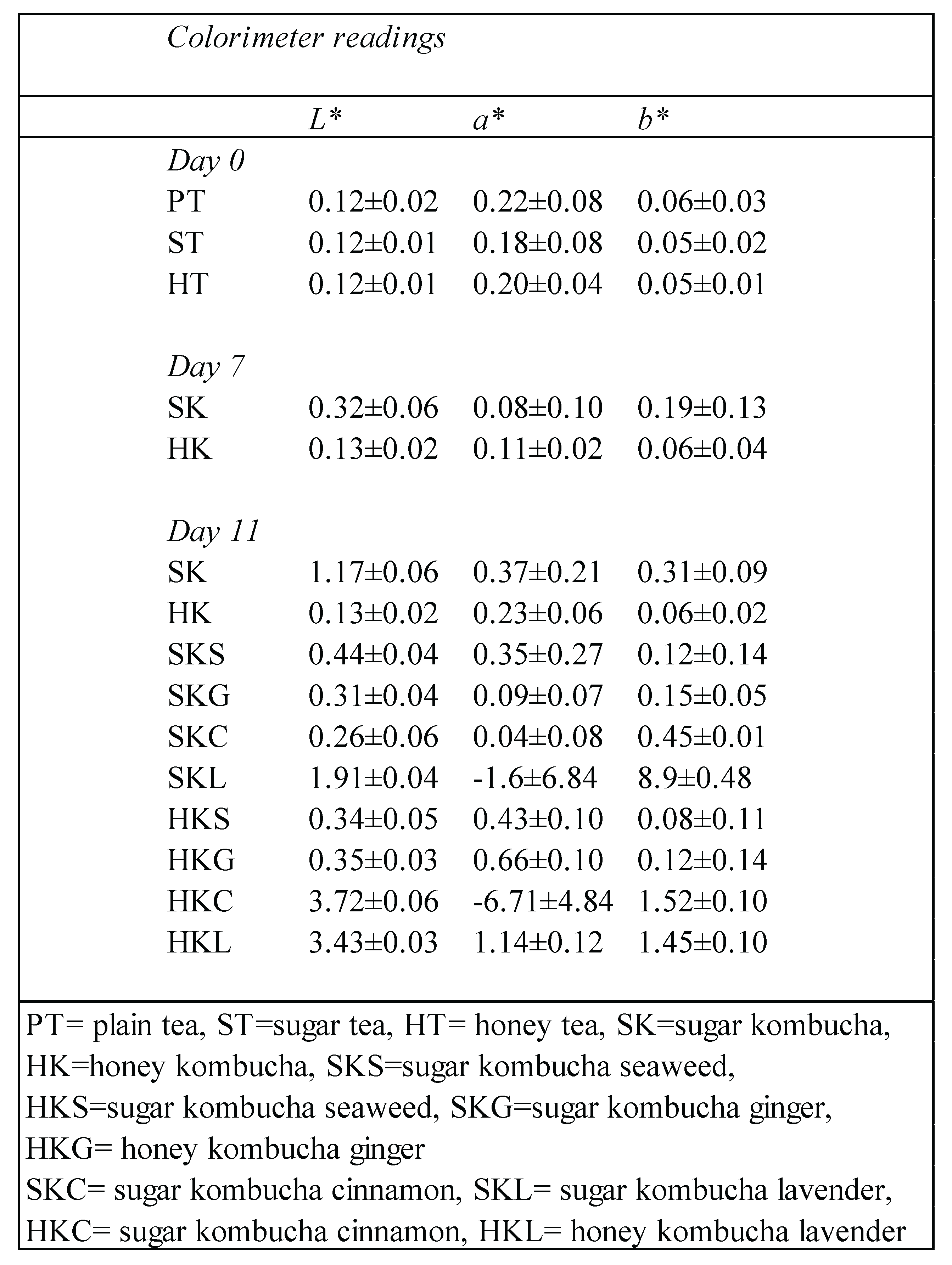
Colorimetric evaluations revealed that all kombucha samples had low L* values at the onset, indicating darker hues. The fermentation process led to notable lightening of the liquid, correlating with microbial consumption of soluble solids during fermentation days [23]. Honey kombucha with lavender and cinnamon as adjuncts showed highest L* values i.e lightest of the samples.
Table 2.
Colorimeter readings.
3.7. Antioxidant Potential
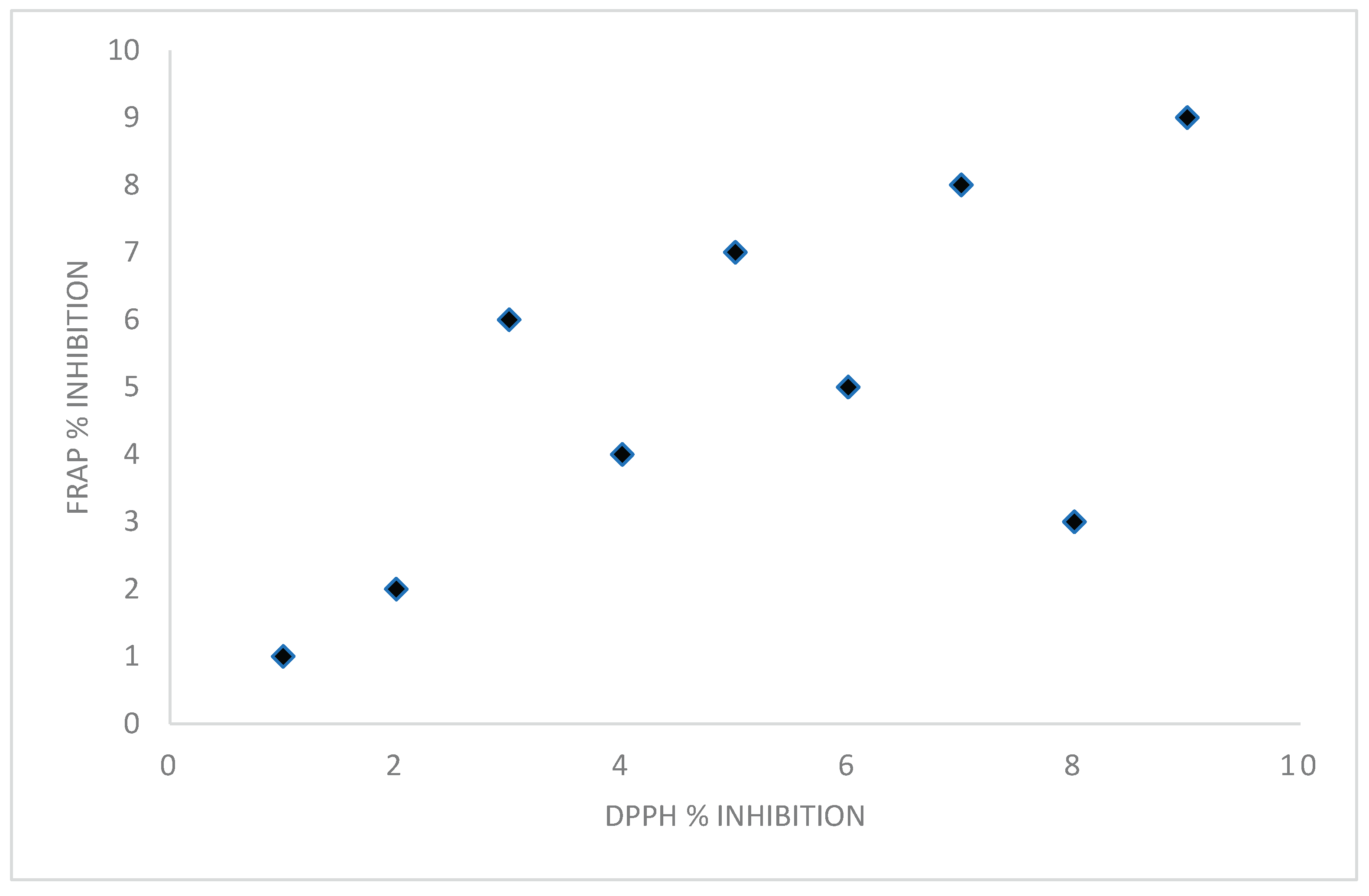
The increased antioxidant level in the present kombucha samples can be attributed to fermentation, where microbial hydrolysis process occurs, releasing these tea polypheolic compounds further [24]. FRAP and DPPH assay results confirmed significant antioxidant capacities in kombucha samples, with SK and HK demonstrating higher levels compared to PT, validating the hypothesis of potential enhancement of antioxidants through fermentation [25]. The DPPH values for SK and HK ranged from 159.62% to 163%, while FRAP showed values between 108.19 µg/mL and 141.52 µg/mL Trolox equivalence. FRAP and DPPH assays presented positive significant correlations (spearman correlation coefficient =0.666) for all samples on (Day 11) as seen in (Figure 2). These findings validate the effectiveness of fermentation processes and the incorporation of adjuncts in enhancing the antioxidant capacity of kombucha beverages [26].
Figure 3.
Graph of FRAP and DPPH antioxidant assay correlations (Day 11).
Honey kombucha samples showed a notable increase in antioxidant capacity compared to sugar kombucha variants. This was especially evident after adding adjuncts such as ginger and seaweed, where HK samples retained higher antioxidant levels from Days 9 to 11. The observed synergistic effects indicate that honey not only serves as a substrate but also enhances the overall antioxidant activity of kombucha beverages [21]. This aligns with earlier literature emphasizing honey’s rich phenolic content, contributing to the enhanced health benefits derived from fermented products [27].
Table 3.
FRAP and DPPH antioxidant potential values.
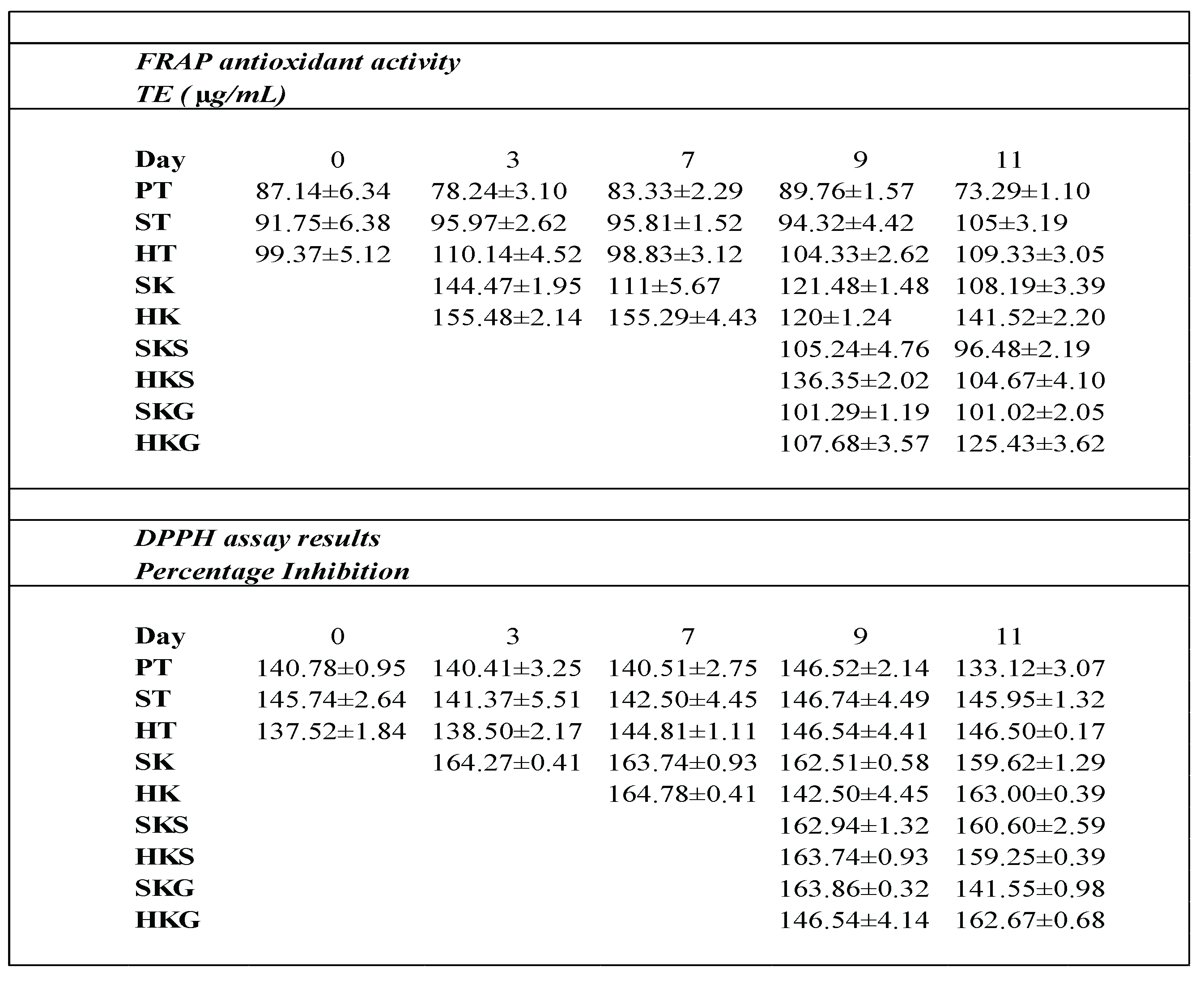
Table 4.
Final DPPH and FRAP values after posthoc analysis.
| Sample | DPPH (%) | Sample | FRAP (µg/mL) |
|---|---|---|---|
| SK | 162.54±2.08a | HK | 143.07±16.71a |
| SKS | 161.77±1.66a | SK | 121.29±16.48ab |
| HKS | 161.50±3.17a | HKS | 120.51±22.40abcd |
| HK | 158.68±10.81a | HKG | 116.56±12.55abd |
| HKG | 154.61±11.40a | SKS | 104.4±5.33bcd |
| SKG | 152.70±15.78a | HT | 101.16±0.19abcd |
| ST | 144.46±2.37b | SKG | 100.86±22.40bcd |
| HT | 142.78±4.42b | ST | 96.57±5.01bcd |
| PT | 140.27±4.76b | PT | 82.35±6.67c |
Means followed by different letters are significantly different at the p < 0.05 level according to Tukey’s test.
3.8. Shelf-life Analysis
Shelf-life studies are essential for assessing the microbial safety and stability of kombucha beverages. The stored bottles at 4 ℃ were checked weekly for signs of spoilage, such as mold or off odors as well as for antioxidant activity via FRAP analysis. This study found that kombucha maintained its quality and antioxidant properties for three months when stored in glass bottles under refrigerated conditions in agreement with reported studies [8]. Proper packaging and storage practices are crucial to prevent further fermentation and degradation of flavour profiles associated with kombucha [28]. Research findings indicated that kombucha, when subjected to forced carbonation techniques, showed better retention of quality and fewer fluctuations in alcohol content compared to naturally carbonated variants [22]. These insights can guide future studies to optimize preservation techniques and extend the shelf-life of kombucha products.
4. Discussion
The results of this study contribute valuable insights into the development of kombucha infused with Laminaria digitata and honey, highlighting the potential for enhanced antioxidant properties and consumer acceptance. The observed antioxidant capacities of both Sugar Kombucha and Honey Kombucha samples were significantly higher than the unfermented tea, corroborating previous findings that attribute the bioactive properties of kombucha to the active fermentation processes driven by SCOBY [25,26].
In this study, Honey Kombucha (HK) samples exhibited remarkably high levels of DPPH inhibition, particularly between 164.44% and 164.78% on Day 3 and Day 7. This significant antioxidant potential can be associated with the rich micronutrient profile of honey as well as the bio-actives present in Laminaria digitata. According to one study [29], the incorporation of honey enhances the phenolic content of the final beverage, contributing to its antioxidant profile. Additionally, the bioactive compounds found in Laminaria digitata, including polyphenols such as flavonoids [30], further enhance overall antioxidant composition and support the health-promoting attributes of the kombucha.The significant antioxidant potential of Honey Kombucha, particularly its high DPPH inhibition levels, can be attributed to both honey’s rich micronutrient profile and the bioactive compounds in Laminaria digitata. Studies indicate that honey enhances phenolic content, elevating antioxidant properties. This is comparable to findings in cocoa honey kombucha, where high phenolic and flavonoid content significantly contributed to antioxidative activity [13].The findings from the FRAP assay, which indicated antioxidant values ranging from 155.44 to 155.29 TE (µg/mL), are consistent with literature reporting similar trends where kombucha samples show significant reductions in oxidative stress markers due to their high antioxidant capacity [31]. These results underscore the potential for kombucha to be marketed as a functional beverage with health benefits linked to its antioxidant constituents.
The addition of adjunct ingredients such as cinnamon and ginger not only improved sensory attributes but also appeared to enhance the antioxidant potential of kombucha. Cinnamon is widely recognized for its antioxidant & anti-inflammatory properties, and its incorporation may have contributed synergistically to the kombucha’s overall health benefits [32]. Similarly, ginger has been documented to exhibit antioxidant and anti-inflammatory properties, further amplifying the effects of the kombucha beverage [33]. The role of adjunct ingredients, such as cinnamon and ginger, in augmenting the antioxidant and sensory attributes further supports their potential synergy in enhancing kombucha’s health benefits. Cinnamon and ginger are known for their strong antioxidant properties, which contribute positively to the beverage’s profile, similar to findings in kombucha variations involving different tea bases and adjunct fermentation [25,34].
The sensory evaluation indicated that panellists favored the Sugar Kombucha options over Honey Kombucha. The lower preference for Honey Kombucha may be linked to its increased biomass growth and notable acidity, resulting from honey compounds, affecting its taste profile. This trend supports findings that flavor significantly affects consumer acceptance and choice [35]. The high acceptance scores for SKS (87.5%) and SKC (70%) point to strong market potential for kombucha brews using sugar substrates and flavor adjuncts.The preference for Sugar Kombucha could also stem from its balanced acidity and flavor, which contrasts with more acidic taste of Honey Kombucha that may have been less appealing. During fermentation depending on the sugars present various acids like glucuronic acid, malic acid, lactic acid, and acetic acid are produced that impact flavour and preference [36] This underscores the necessity of fine-tuning fermentation parameters like pH, substrate selection, and adjunct integration to enhance consumer approval, as highlighted by research on how fermentation conditions affect kombucha’s sensory and chemical qualities [25].
Managing the acidity level, specifically keeping the pH between 2.5 and 4.2, is vital for successful kombucha production. This range effectively suppresses harmful bacterial growth while supporting advantageous fermentation [37]. In our study, achieving a pH of 2.9 by the third day signified vigorous fermentation, critical for developing appealing flavors and beneficial compounds. Monitoring acidity is key, as overly acidic conditions can negatively impact consumer liking and the beverage’s appeal. The importance of maintaining a suitable pH range cannot be overstated, as it fosters beneficial microbial activity and discourages pathogens. The observed pH regulation throughout the fermentation process highlights the need for careful management to prevent excessive acidity, which could negatively impact taste and overall product quality [25].
The inherent complexity of kombucha fermentation presents a challenge in achieving consistent SCOBY weights across different batches, impacting microbial composition analyses. Variation in microbial populations can lead to differences in fermentation results, affecting both the biochemical and sensory characteristics of the final product [7]. This variability, including fluctuations in SCOBY mass, affects microbial dynamics and can lead to batch inconsistencies, impacting both taste and biochemical profiles [33]. Implementing controlled fermentation processes, as recommended in recent research, can help stabilize these variations, thereby enhancing the beverage’s health benefits and market potential [38].
Short shelf-life study highlighted that kombucha stored under optimal conditions could maintain its quality and antioxidant properties up to three months. Finally, the findings suggest that utilizing alternative substrates and adjuncts can innovate the development of kombucha with superior antioxidant properties and wider consumer appeal. Future research could focus on refining fermentation processes and exploring diverse botanical adjuncts to expand kombucha’s functional capabilities and market potential [34].
5. Conclusions, Recommendations, and Limitations
This study underscores the significant antioxidant potential of kombucha, attributed to its rich flavonoid and polyphenolic content. Through a detailed examination of the fermentation process, we observed that kombucha samples generally reached a final pH of approximately 3 by the conclusion of an 11-day fermentation period, alongside noticeable variations in substrate concentrations. Notably, honey-enriched kombucha samples demonstrated higher acidity levels but contained lower ethanol concentrations relative to their sugar-based counterparts, though all brews complied with EU regulations for non-alcoholic beverages (Regulation (EU) No 1169/2011 <1.2% alcohol by volume (ABV)). Positive correlations between substrate type and antioxidant potential were evident, particularly in the honey-enriched samples (HK), which exhibited peak antioxidant activities on Days 3 and 7.
Future research endeavours should extend the fermentation period, as this may augment the production of organic acids, thereby influencing both the flavour profile and safety of the beverage for consumption. Additionally, the incorporation of adjuncts such as diverse fruit juices could further amplify kombucha’s antioxidant capabilities. Specific recommendations for subsequent studies include:
- Conducting comprehensive shelf-life analyses to elucidate the characteristics and functional efficacy of microorganisms present in kombucha.
- Investigating varying concentrations of adjuncts like seaweed and ginger to assess their impact on the biochemical properties of kombucha.
- Engaging a larger and more diverse sensory panel to improve the accuracy and representativeness of consumer acceptance data.
- Further optimizing sugar and honey concentrations to enhance both the flavour profile and health benefits across all kombucha variants.
Such investigations will provide deeper insights into improving the overall quality and consumer appeal of kombucha as a functional beverage.
References
- Yang, J. , Lagishetty, V., Kurnia, P., Henning, S.M., Ahdoot, A.I., and Jacobs, J.P. (2022). Microbial and Chemical Profiles of Commercial Kombucha Products. Nutrients, 14(3), p.670. [CrossRef]
- Wang, X., Wang, D., Wang, H., Jiao, S., Wu, J., Hou, Y., Sun, J., & Yuan, J. (2022). Chemical Profile and Antioxidant Capacity of Kombucha Tea by the Pure Cultured Kombucha. LWT, 168, 113931. [CrossRef]
- Góis, M.; et al. (2023) ‘Perceptions of Probiotics and Kombucha Consumption in Relation to Emotion Regulation: An Exploratory Study Comparing Portugal and Brazil’, Beverages, 9(3), p. 61. [CrossRef]
- Amarasinghe, H. , Weerakkody, N. S., & Waisundara, V. Y. (2018). Evaluation of Physicochemical Properties and Antioxidant Activities of Kombucha “Tea Fungus” During Extended Periods of Fermentation. Food Science & Nutrition, 6(3), 659–665. [CrossRef]
- Mousavi, S. M. , Rahimifard, S., & Jazi, M. F. (2020). Review of Kombucha: Characterization, Health Benefits, and Applications in Food Fermentation. Food Reviews International, 36(1), 109–126.
- Bishop, P. , Pitts, E. R., Budner, D., & Thompson-Witrick, K. A. (2022). Kombucha: Biochemical and Microbiological Impacts on the Chemical and Flavor Profile. Food Chemistry Advances, 1(1), 100025. [CrossRef]
- Vargas, B.K. , Fabricio, M.F. and Záchia Ayub, M.A. (2021) ‘Health effects and probiotic and prebiotic potential of Kombucha: A bibliometric and systematic review’, Food Bioscience, 44, p. 101332. [CrossRef]
- La Torre, C. , Fazio, A., Caputo, P., Plastina, P., Caroleo, M. C., Cannataro, R., & Cione, E. (2021). Effects of Long-Term Storage on Radical Scavenging Properties and Phenolic Content of Kombucha from Black Tea. Molecules, 26(18), 5474. [CrossRef]
- Cardoso, R. R. , Neto, R. O., dos Santos D’Almeida, C. T., do Nascimento, T. P., Pressete, C. G., Azevedo, L., Martino, H. S. D., Cameron, L. C., Ferreira, M. S. L., & Barros, F. A. R. de. (2020). Kombuchas from Green and Black Teas Have Different Phenolic Profiles, Which Impact Their Antioxidant Capacities, Antibacterial, and Antiproliferative Activities. Food Research International, 128, 108782. [CrossRef]
- Yang, F. , Chen, C., Ni, D., Yang, Y., Tian, J., Li, Y., Chen, S., Ye, X., & Wang, L. (2023). Effects of Fermentation on Bioactivity and the Composition of Polyphenols Contained in Polyphenol-Rich Foods: A Review. Foods, 12(17), 3315–3315. [CrossRef]
- Fabricio, M. F. , Vargas, B. K., Tischer, B., Wagner, R., Ribeiro, S. R., Cordeiro, N., Flôres, S. H., & Záchia Ayub, M. A. (2023). Revamping Kombucha Production: Achieving Consistency and Probiotic Potential Through a Tailor-Made Microbial Consortium. International Journal of Gastronomy and Food Science, 34, 100844. [CrossRef]
- Tran, T., Grandvalet, C., Verdier, F., Martin, A., Alexandre, H., & Tourdot-Maréchal, R. (2020). Microbiological and Technological Parameters Impacting the Chemical Composition and Sensory Quality of Kombucha. Comprehensive Reviews in Food Science and Food Safety, 19(4), 2050–2070. [CrossRef]
- Neti Yuliana, Fibra Nurainy, Sari, G. W., Sumardi, & Endang Linirin Widiastuti. (2023). Total Microbe, Physicochemical Property, and Antioxidative Activity During Fermentation of Cocoa Honey into Kombucha Functional Drink. Applied Food Research, 3(1), 100297. [CrossRef]
- Shen, S. , Yang, W., Li, L., Zhu, Y., Yang, Y., Ni, H., Jiang, Z., & Zheng, M. (2023). In vitro fermentation of seaweed polysaccharides and tea polyphenol blends by human intestinal flora and their effects on intestinal inflammation. Food & Function, 14(2), 1133–1147. [CrossRef]
- Santhiravel, S., Bekhit, A. E.-D. A., Mendis, E., Jacobs, J. L., Dunshea, F. R., Rajapakse, N., & Ponnampalam, E. N. (2022). The Impact of Plant Phytochemicals on the Gut Microbiota of Humans for a Balanced Life. International Journal of Molecular Sciences, 23(15), 8124. [CrossRef]
- Cubas, A.L.V.; et al. (2023) ‘Advances in the Production of Biomaterials through Kombucha Using Food Waste: Concepts, Challenges, and Potential’, Polymers, 15(7), p. 1701. [CrossRef]
- Vitas, J., Malbasa, R., Grahovac, J., & Loncar, E. (2013). The Antioxidant Activity of Kombucha Fermented Milk Products with Stinging Nettle and Winter Savory. Chemical Industry and Chemical Engineering Quarterly, 19(1), 129–139. [CrossRef]
- Lončar, E., Djurić, M., Malbaša, R., Kolarov, L. J., & Klašnja, M. (2006). Influence of Working Conditions Upon Kombucha Conducted Fermentation of Black Tea. Food and Bioproducts Processing, 84(3), 186–192. [CrossRef]
- Nyhan, L. M., Lynch, K. M., Sahin, A. W., & Arendt, E. K. (2022). Advances in Kombucha Tea Fermentation: A Review. Applied Microbiology, 2(1), 73-103. [CrossRef]
- Laavanya, D. , Shirkole, S. and Balasubramanian, P. (2021) ‘Current challenges, applications and future perspectives of SCOBY cellulose of Kombucha fermentation’, Journal of Cleaner Production, 295, p. 126454. [CrossRef]
- Candra, K., Yusof, N. A., & Daud, N. H. M. (2023). Health Benefits and Sensory Acceptance of Kombucha Prepared from Different Substrates. Foods, 12(7), 1354. [CrossRef]
- Njieukam, J. A., Ciccone, M., Gottardi, D., Ricci, A., Parpinello, G. P., Siroli, L., Lanciotti, R., & Patrignani, F. (2024). Microbiological, Functional, and Chemico-Physical Characterization of Artisanal Kombucha: An Interesting Reservoir of Microbial Diversity. Foods, 13(12), 1947–1947. [CrossRef]
- Sinamo, K. N., Ginting, S., & Pratama, S. (2022). Effect of sugar concentration and fermentation time on secang kombucha drink. IOP Conference Series: Earth and Environmental Science, 977(1), 012080. [CrossRef]
- Hur, J., Choi, Y., Kim, H., & Lee, J. (2014). The Antioxidant Activity of Kombucha Fermented with Different Tea Types. Food Chemistry, 43(8), 3565–3571. [CrossRef]
- Jakubczyk, K., Kałduńska, J., Kochman, J., & Janda, K. (2020). Chemical Profile and Antioxidant Activity of the Kombucha Beverage Derived from White, Green, Black and Red Tea. Antioxidants, 9(5), 447. [CrossRef]
- Değirmencioğlu, N., Elif, Y., & Sahan, Y. (2019). Phenolics Antioxidant Capacity and Bioaccessibility of Kombucha Tea. Foods, 8(2), 22.
- Dżugan, M., Tomczyk, M., Sowa, P., & Grabek-Lejko, D. (2018). Antioxidant Activity as Biomarker of Honey Variety. Molecules, 23(8), 2069. [CrossRef]
- FSAI. (2021, November). Guidance Note 37: Good Manufacturing Practices for the Production of Ready-to-eat Unpasteurized Fermented Products. Food Safety Authority of Ireland. https://www.fsai.ie/publications/guidance_note_37.html.
- Jang, S. S., McIntyre, L., Chan, M., Brown, P. N., Finley, J., & Chen, S. X. (2021). Ethanol Concentration of Kombucha Teas in British Columbia, Canada. Journal of Food Protection, 84(11), 1771–1780. [CrossRef]
- Zaharudin, N. , Salmeán, A. A., & Dragsted, L. O. (2018). Inhibitory Effects of Edible Seaweeds, Polyphenolics, and Alginates on the Activities of Porcine Pancreatic α-Amylase. Food Chemistry, 245, 1196–1203. [CrossRef]
- Carlos, J., Boldori, J. R., Paulo, L., Lunardi, A. G., Aguiar, T. A., Sigal, R., Roehrs, R., & Cristiane Casagrande Denardin. (2025). Toxicity and Antioxidant Activity of Black Tea Kombucha in Wistar Rats: A 28-Day Repeated Dose Oral Study. Chemistry & Biodiversity. [CrossRef]
- Pagliari, S., Forcella, M., Lonati, E., Sacco, G., Romaniello, F., Rovellini, P., Fusi, P., Palestini, P., Campone, L., Labra, M., Bulbarelli, A., & Bruni, I. (2023). Antioxidant and Anti-Inflammatory Effect of Cinnamon (Cinnamomum verum J. Presl) Bark Extract after In Vitro Digestion Simulation. Foods, 12(3), 452. [CrossRef]
- Samaneh Salafzoon, Hamideh Mahmoodzadeh Hosseini, & Raheleh Halabian. (2017). Evaluation of the antioxidant impact of ginger-based kombucha on the murine breast cancer model. Journal of Complementary and Integrative Medicine, 15(1). [CrossRef]
- Thenuwara, G., Cui, X., Yao, Z., Javed, B., Naik, A. S., & Tian, F. (2024). Evaluating the Health Implications of Kombucha Fermented with Gardenia jasminoides Teas: A Comprehensive Analysis of Antioxidant, Antimicrobial, and Cytotoxic Properties. BioChem, 4(4), 350–370. [CrossRef]
- Joshi, V. K. , & Kumar, V. (2016). Kombucha: Technology, Microbiology, Production, Composition, and Therapeutic Value. International Journal of Food and Fermentation Technology, 6(1), 13–21. [CrossRef]
- Yeon Ju Lee, Hye Jee Kang, Su Hyung Yi, & Young Hoon Jung. (2023). Antioxidant Properties of Kombucha Made with Tartary Buckwheat Tea and Burdock Tea. Preventive Nutrition and Food Science, 28(3), 347–352. [CrossRef]
- Villarreal-Soto, S. A. , Beaufort, S., Bouajila, J., Souchard, J.-P., & Taillandier, P. (2018). Understanding Kombucha Tea Fermentation: A Review. Journal of Food Science, 83(3), 580–588. [CrossRef]
- Chou, Y.-C., Lin, H.-W., Wang, C.-Y., Hsieh, C.-C., Santoso, S. P., Lin, S.-P., & Cheng, K.-C. (2024). Enhancing Antioxidant Benefits of Kombucha Through Optimized Glucuronic Acid by Selected Symbiotic Fermentation Culture. Antioxidants, 13(11), 1323–1323. [CrossRef]
Disclaimer/Publisher’s Note: The statements, opinions and data contained in all publications are solely those of the individual author(s) and contributor(s) and not of MDPI and/or the editor(s). MDPI and/or the editor(s) disclaim responsibility for any injury to people or property resulting from any ideas, methods, instructions or products referred to in the content. |
© 2025 by the authors. Licensee MDPI, Basel, Switzerland. This article is an open access article distributed under the terms and conditions of the Creative Commons Attribution (CC BY) license (http://creativecommons.org/licenses/by/4.0/).
Copyright: This open access article is published under a Creative Commons CC BY 4.0 license, which permit the free download, distribution, and reuse, provided that the author and preprint are cited in any reuse.


