Preprint
Article

This version is not peer-reviewed.

Physical and Competitive Environments Experienced by Basketball Athletes During the Years of Sports Development

Submitted:

31 December 2024

Posted:

06 January 2025

You are already at the latest version

Abstract

The characteristics of the physical environment where the main sports experiences are experienced are decisive for achieving positive results in sports. The objective of this article was to verify the quality of the facilities and materials for practicing basketball during the formative years. A mixed-method study with a sequential explanatory design was conducted. Quantitative data were collected from Brazilian athletes aged 18 and 19 (n = 141), and then interviews were conducted with 24 athletes. To discover the differences between age groups, the Kruskal-Wallis test was used, and the association between qualitative variables was analyzed using the Chi2 test. The analysis of qualitative data was guided by Thematic Analysis. The results showed that public and private gyms were the most frequented places for practicing basketball, with private gyms being considered better in terms of structure and materials. The athletes' perception of the broader structure of the sports system in the different Brazilian states demonstrated the influence that certain contexts and cultures, more specifically structural and social characteristics, have on sports development. This study demonstrates that options for accessing and remaining in sport are directly influenced by factors such as the geographic location of athletes and their families.

Keywords: 
;  ;  ;  ;  
Subject: 
Social Sciences  -   Psychology

1. Introduction

A pyramid can represent sports development in Brazil. This means that we have a broad, general base that tapers off through a process of selecting the fittest [1] and/or those with the most resources. This process begins with the participation of many children in the formative categories. It ends with few opportunities to access elite sports in sports clubs, generally located in the country's large metropolises.
It has identified issues in youth sports that need to be addressed if we are to reduce the negative impact that participation can have on athletes' development [2]. One of these issues is access to sports programs, more specifically, appropriate contexts for athletic development in youth. As [3] long ago pointed out, access to sports programs and participation is not simply a matter of preference or taste but is mediated by the availability of appropriate resources and pro-gram options that allow participants and their families to feel comfortable entering certain environments.
To better understand this process, we used the Personal Assets Framework (PAF) as a conceptual model to explain the mechanisms and results that constitute Positive Youth Development (PYD) through sport. For the PAF, young people's sporting experiences are influenced by three dynamic elements: (a) the types of activities athletes engage in, (b) the nature of the relationships athletes form, and (c) the suitability of the wider physical and competitive environments surrounding sport (appropriate contexts) [4,5]
Considering the importance of these elements for sports development, studies have been carried out with basketball [6,7,8,9], volleyball [10], handball [11,12], futsal [13] and several other sports [14], in order to understand the influence of the environments in which the main sporting experiences are lived in youth. In general, the evidence revealed that historically in Brazil, sports have been developed in gyms and private clubs [7,10,15], where most athletes have their first contact with sports initiation [8,16].
Despite the importance of the dynamic elements for PYD, the literature on the interaction of these elements is still scarce, and more studies are needed that consider different modalities, cultures, and practice contexts [17]. As far as we know, no studies have explored the contexts of sports development from a mixed-method approach in Brazilian reality. Therefore, this study aimed to verify and deepen the understanding of the physical and competitive environments experienced by basketball athletes during their formative years, considering the quality of the place and materials for practice.

2. Materials and Methods

This is mixed-methods research (MMR) with a sequential explanatory strategy (QUANT → qual) [18] supported by a pragmatic orientation [19]. Specifically, quantitative data (Phase 1) were collected and analyzed, followed by qualitative data (Phase 2) [20] (see Figure 1).
This study was approved by the Ethics Committee for Research Involving Human Beings of the State University of Santa Catarina - Brazil (Opinion 4.733.011).

2.1. Quantitative stage (Phase 1)

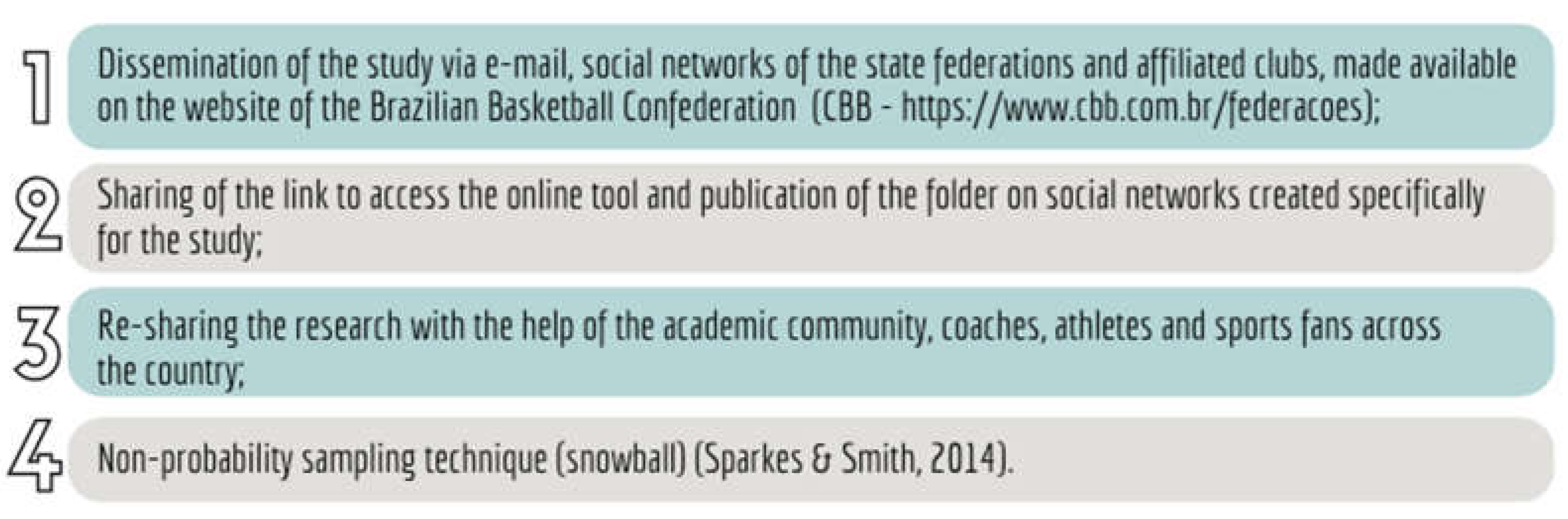
This study stage involved 141 basketball players (78.7% male and 21% female) aged 18 and 19, selected using convenience sampling [21]. The eligibility criteria were based on the competition structure for athletes in training at a national level, aimed at athletes up to the age of 19, the last category before adult competitions. The following strategies were used to recruit the athletes (see Figure 2):
For data collection, the Instrument for the Assessment of Sports Training in Basketball (IAFEB) was created and adapted from the Instrument for the Assessment of Sports Training in Volleyball - IAFEV [22]. The IAFEB was built based on the three dynamic elements proposed by the PAF [4,23], with the 'appropriate contexts' element being the focus of this study.
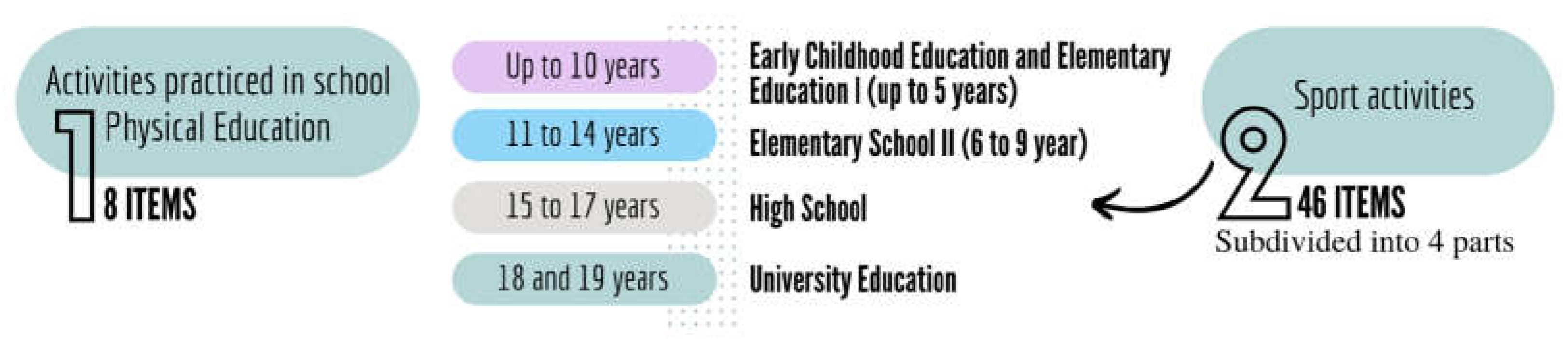
The instrument is divided into sequential age groups according to the compulsory stages of Basic Education and Brazilian Higher Education (see Figure 3).
The information were collected from June to December 2021, when the instrument was available on the Google Forms platform.
Firstly, a descriptive analysis of the quantitative variables (mean and standard deviation) was conducted. The qualitative analyses were summarized in relative and absolute frequencies. Next, criteria assumption tests (normality test) were carried out using the Kolmogorov-Smirnov test. The Kruskal-Wallis test was used to determine the differences between the age groups, and the association between the qualitative variables was analyzed using the Chi-square (χ²) test. All the analyses were conducted using SPSS 24.0 statistical software (SPSS Inc., Chicago, IL, USA), with the reference statistical value p<0.05.

2.2. Qualitative stage (Phase 2)

This stage was conducted after the quantitative stage had been completed, as suggested by the sequential explanatory strategy [24] and 24 athletes took part, recruited in a non-probabilistic intentional manner, based on the data collection of phase 1 [23], according to the following criteria:
(I) called up to the national team (three men and four women);
(II) called up to the state team (four men and three women);
(III) those with the longest time playing basketball (10 men).
A semi-structured interview script was created based on the main results obtained in stage 1, guided by the dynamic element 'appropriate contexts' for theoretical analysis of the data and organization of the themes. The script was divided into the sequential age groups described in the IAFEB. It included the following themes: the quality of the places where the main sporting activities took place, the quality of the materials available for practicing basketball, and the structure of the competitions experienced over the years. A pilot study was conducted to check the interview script's specificity and the quality of the results, aiming to refine and improve the interviewer's communication skills [7].
The athletes were contacted via information in phase 1. Four contact attempts were made at different times with each selected athlete. The interviews were conducted by telephone between April and July 2022. The conversations were recorded using an audio recording available on the Windows platform, with prior authorization from the participants for later transcription and analysis. The interviews lasted an average of one hour. All the narratives were transcribed in full, and the material was sent to the athletes to validate the transcribed content. Only two athletes requested changes to the transcribed material.
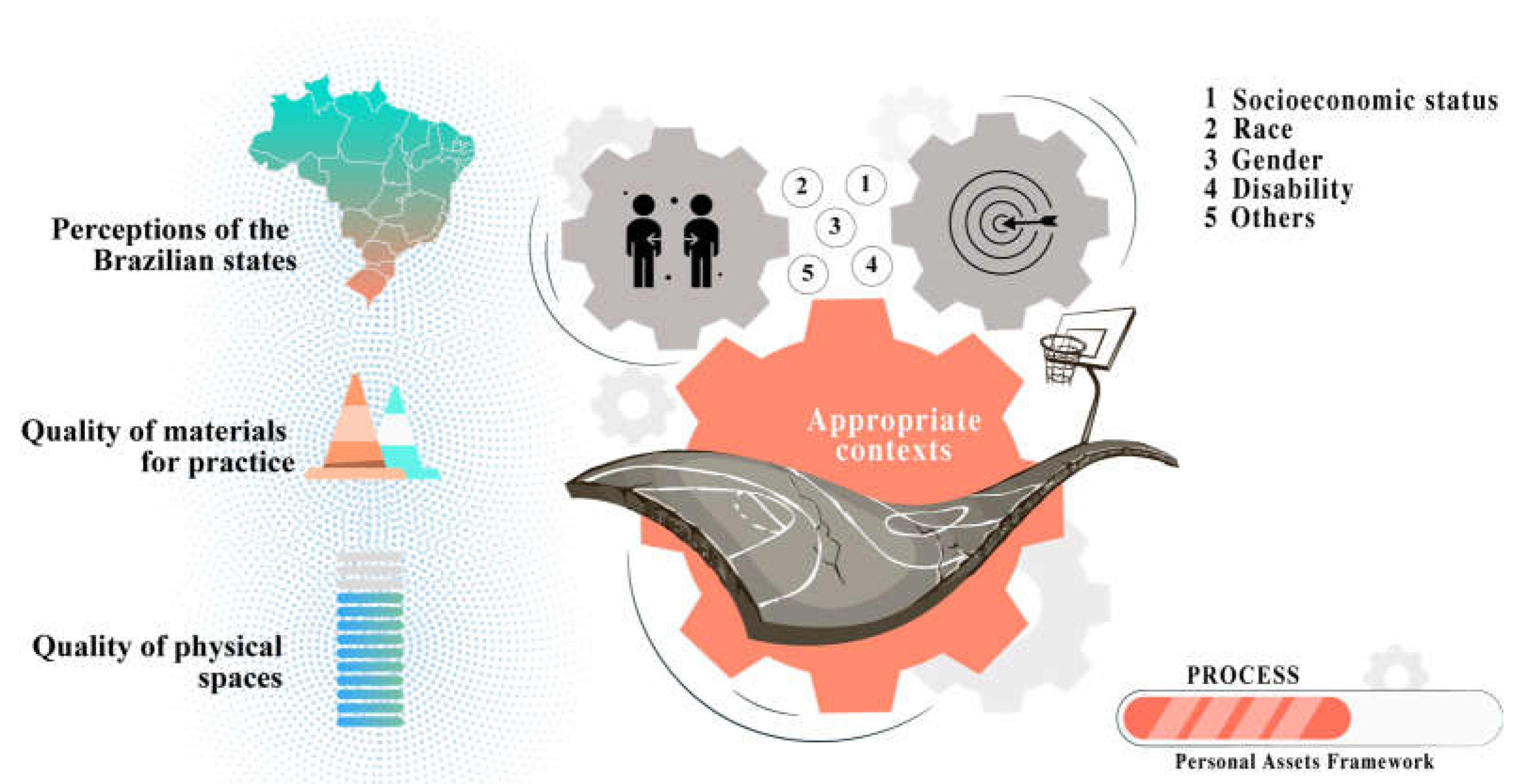
The interviews were analyzed using Thematic Analysis (TA) with a deductive-inductive design [25]. The qualitative data were analyzed to generate themes using a well-established six-stage approach [25] the stages of which can be summarized as (I) familiarization with the data from reading the transcripts, (II) generation of initial codes, using a deductive (theory-driven) and inductive (data-driven) approach; (III) construction of themes with the aid of visual map-ping and continuous engagement with the data (see Figure 4); (IV and V) review and definition of the themes and export of the initial codes and their associated excerpts to specific software; (VI) writing of the report.
The themes are reported in the Results section. They were combined with quantitative data to produce a more complete picture, avoid intrinsic biases, and build on and develop the initial findings [26]. NVivo software (Version 10.2.2 © QSR International) was used to systematize the data set and organize the themes during the analysis stages.
The critical friend strategy was adopted to ensure the quality of the analysis and the reliability of the data. This strategy aimed to foster the introspection of the main researcher through reflective dialogues with the research team members [27].

3. Results

Statistically significant differences were found regarding the quality of the places where the athletes practiced basketball during each stage of their formative years (see Table 1). The public gymnasium was identified as one of the main venues for practicing the sport, and its quality was perceived as moderate by most athletes. Similarly, the private gym was recognized as a place commonly frequented by the athletes but was characterized as having a high or very high quality for basketball practice.
The narratives reinforced the quantitative results regarding the quality of public gyms for practicing the sport:
“At the core, the court was open. It wasn't the best option for us to train, but as it wasn't anything serious, we could train calmly; there was a normal table, the balls weren't the best quality, but we could train normally [...]”
(Athlete 16, 2022).
“[...] it was a cement court. I remember to this day; I was 11 years old when I said to my coach 'we train on a pigeon poo court', we had to clean the court, clean the balls, and then we played on a court where we had to set up all the timers, set up the scoreboard because it was a rented court. [...]”
(Athlete 8, 2022).
Most athletes started going to more structured environments (private gyms) at age 11. These environments (usually sports clubs) had better-prepared structures, where elite adult competitions usually took place, according to the following narratives:
“The [name of the club] was the best, the gym is gigantic, full of courts, a gym full of equipment, the biggest structure I've ever seen, that I've ever trained in. There were four courts there so you could train basketball, shoot [...]”
(Athlete 33, 2022).
“The structure was much better, much better than the others in terms of courts; the balls were very well preserved. The tables were maintained almost every month, so they were always good for training. We had a gym available, a fitness coach for pre-training warm-ups, as well as tactical and technical training. So it was a much better structure than the others”
(Athlete 32, 2022).
The quality of the practice equipment was considered high or very high by the athletes, especially from the age of 11. Before that age, the quality of the materials was considered moderate (see Table 2).
It can be seen that the materials available for training, especially in the early stages, were insufficient and of poor quality, according to Athletes 54 and 107, respectively:
“[...] in the beginning, it was those plastic penalty balls, the place was great, the floor was wooden, but we never had help with materials, it was a basket that tore, only the rim was left, the ball was full of pitombo [...]”.
(Athlete 54, 2022).
“[...] what was scarcer were the balls, but the rest of the materials we found a way to get, like cones, rope, things like that.”
(Athlete 107, 2022).
From the age of 11, players began to go to better-structured venues with materials that would help them develop in basketball until they were 19. Private clubs were the places most sought after by athletes because of the physical structures they offered:
“As it was the club's subsidiary, it was much better financially, they had much more reinforced equipment, the ball was already made of leather, there was a pump, they had those cones to make the sinuosa [...]”
(Athlete 54, 2022).
“[...] it was another world, we got there, and the first thing we saw in the gym was the wooden court, apart from the club which was huge, it was another planet for us [...] in 2018, it was the year I saw the difference between playing in a social project and playing in a club [...]”
(Athlete 129, 2022).
In Table 3, we can see that the influence of the venue and practice materials shifted from indifferent to positive as the athletes progressed through the sport over the years. The results show that the athletes completely changed their perception of the influence of sports structure.
The narratives presented below show two realities of practice which, when expressed, highlight differences in access to certain environments and, consequently, their structures and materials for sports development:
“[...] The equipment was enough, obviously for me it could be improved a lot, even the fact that sometimes there was no court to train on or we went to train at a very bad time, so there were conditions, there were things that favored being good, but sometimes it wasn't so perfect. However, it was enough to get started”
(Athlete 19, 2002).
“When it rained a lot, we didn't come, but when it rained and stopped, we were able to train even when the court was wet, when the weather was closed, we risked it, but when it rained a lot, he [the coach] gave us an online training session to train at home” [...]
(Athlete 107,2002).
From another perspective, the following narratives present the experience of better-structured environments in terms of accessibility to a place and materials suitable for practice.
“[...] The [name of the club] is totally different from the [name of the project]; it's another world! It's a fantastic club, structure-wise, you have a court all day, you have a wonderful gym inside the club, you have physiotherapy inside the club, you have everything [...]”
(Athlete 102, 2022).
“Wow, it was very good, because they received all the investment from the government, the courts were very good, every week a new ball arrived, a sensational gym, even more so now that the club has been renovated, but the gym has always been very good, the court is one of the best in [name of city], even the professional volleyball game takes place there [...]”
(Athlete 129, 2022).
When asked about the structure in which sports competitions were held, most of the athletes felt comfortable expressing their opinions about the state where they played during the interviews. Two main categories emerged in the analysis, expressed from the perspectives that either favored or disfavored sports development in the different Brazilian regions.
The narratives below show that the possibilities for practicing basketball in the North and Northeast regions of Brazil are limited and reflect the difficulties athletes face in accessing contexts that would enable them to train in the sport:
“Apart from soccer, you have to show that this sport is good for people to want it. Here only schools play, teams that have money and are basketball fanatics”
(Athlete 64 - Amazonas/AM, 2022).
“Basketball should improve a lot here, basketball is very undervalued here in Maranhão [...]”
(Athlete 46 - Maranhão/MA, 2022).
“[...] here it's one team per city, but not every city competes because there's no money to travel, there's no investment from the city itself, they don't release the bus, sometimes even the city's court is very bad and there's no way to hold a championship there or anything like that. And it ended up being very limited to Salvador and then when you see, of the seven teams there are, six are from Salvador”
(Athlete 129 - Bahia/BA, 2022).
On the other hand, the perspective of athletes who played in the South and Southeast of the country reflects a different view of Brazilian basketball. Aspects such as infrastructure, financial incentives, and the level of competitions have favored the training of athletes in these regions:
“[...] the good thing about the state of Paraná is that it encourages athletes a lot, just because you've been called up [to the state or national team] is already your merit, you've already won a scholarship. If you make the national team, it's another level; if you get a medal, it's another level; participating in a national championship is even more important [...]”
(Athlete 8 - Paraná/PR, 2022).
“[...] here in Santa Catarina [name of city] it helps a lot, there's a lot of encouragement from the town hall, they encourage us a lot in sport”
(Athlete 90 - Santa Catarina/SC, 2022).
“[...] this is true for any sport, the showcase of sport is usually Rio de Janeiro, São Paulo, Santa Catarina, usually the showcase of sport is these three, and there's no way you can play professionally in Mato Grosso, for example”
(Athlete 120 - Santa Catarina/SC, 2022).

4. Discussion

When examining and deepening our understanding of the physical and competitive environments experienced by Brazilian basketball players during their formative years, we found that public and private gyms were the two main places where the players had their sporting experiences, with the quality of the private gym being considered better than that of the public one. Up to the age of 10, the influence of the environment and materials for practicing basketball was perceived as indifferent by the athletes. However, this perception changed from the age of 11, when the youngsters began to have access to more structured environments.
The structure of the venues where sports initiation usually takes place, i.e., children's initial contact with the sport in Brazil, is inferior compared to the structure provided for the more advanced categories, focused on specialization and performance. Although the influence of the quality of the venue and materials was indifferent up to the age of 10, it was clear from the athletes' comments that it was not an ideal structure for their long-term development. Future research could explore the implications of sports initiation environments (venue, materials, professionals, planning, etc.) in order to understand the impact they have on children's decisions about whether or not to continue their athletic careers, as we understand that this is a crucial time that should be structured and led by the best professionals in order to enable more athletes to have a long-term sports career.
Concerning places of practice, the findings reinforce the evidence found by [15] since, although access in Brazil has historically been in private clubs, government programs seem to be present in the lives of young people, especially for children seeking their first contact with the sport. In a retrospective study of former Olympic basketball athletes, [7] found that they were born and lived during their childhood in environments where the local government offered sports free of charge. On the other hand, [10] found that elite Brazilian volleyball athletes had a balance between practicing in clubs and at school, similar to the adult female basketball league athletes investigated by [8], while in the study with male league athletes conducted by [16], the club was the athletes' first place of contact with basketball.
Despite the importance of government initiatives and public spaces that offer sports activities to young people of all ages, our results showed that the quality of private gyms was superior to public ones, leading athletes to look for better facilities from age 11. This scenario reinforces [14] finding that age and infrastructure conditions are factors that directly influence athletes' choice of one venue over another.
This is corroborated by the athletes investigated by [7], who had to migrate to other environments inside and outside their city or state of origin to evolve and have better conditions for developing their athletic careers. However, it should be noted that most of the time, the search for and, consequently, remaining in more structured environments is influenced by the socio-economic condition of the athletes and their families since it is the private clubs that offer the best conditions for practice and the greatest expectation of long-term involvement in sport in Brazil.
Although there are narratives about the achievements of 'rationalized' athletes who rise out of poverty and enter professional sport, research indicates that the majority of high-performance athletes come from middle-class homes, meaning that individuals from lower classes have fewer opportunities to access quality venues and training compared to their peers in the same geo-graphical regions [5]. In the survey conducted by [28], the direct relationship between individuals' monthly income and participating in some form of physical activity in Brazil was proven.
The results obtained inductively through the interviews provided important insights into how athletes in certain Brazilian regions perceive sport. In line with the results found by [29], the South region, represented by the state of Santa Catarina, has stood out in the training of basketball athletes. In the Southeast region, São Paulo is repeatedly highlighted as the main state in the development of athletes, both as a place of birth and a place to start and participate in competitions [7,8,16]. This evidence exemplifies the few opportunities to access sports in Brazil, especially for young people in cities far from the major training centers, such as the North and Northeast of the country. Athletes who begin training in lesser-known places often have their development hampered by the lack of materials and the physical and human structure necessary for their growth.
Although this study did not consider the analysis of socio-economic variables, the theme emerged from the qualitative results, bringing to light aspects that affect whether or not athletes have access to more structured environments in the country. Therefore, its implications for athletes' development merit further research. We suggest that future studies seek to identify how the socio-economic condition of athletes and their families is related to access and, consequently, the continuity of young people in sport, as well as the existence of suitable contexts for practicing basketball in the different Brazilian regions so that we can expand the literature on the subject and seek alternatives for the growth of the sport in Brazil.

5. Limitations and practical applications

This study had limitations that should be considered when interpreting the results. The athletes in the quantitative phase of the study were recruited using non-probability sampling techniques, meaning that selection bias cannot be ruled out. Due to the use of a retrospective questionnaire, recall bias cannot be completely excluded, and the generalizability of the results may be limited. Although the number of participants is acceptable for qualitative interpretation, it is low for statistical analysis.
Expanding specific initiatives is important to address inequality in access to sports. Some of these initiatives may include remodeling the Brazilian sports system with better allocation of resources to educational sports and supporting organizations that work in these two areas, which are fundamental for the proliferation of sports throughout the country. Modifying the structure of sports clubs that work directly with high-performance sports is necessary to increase their competitive capacity in a global context, offering more access and enabling the participation of athletes from all regions of Brazil. This should be done with an emphasis on economic, cultural, ethnic, and religious differences, ensuring these do not influence opportunities for involvement in sports. These actions are fundamental and imperative for Brazil to consistently move away from the peripheral role it currently plays in the international sports scene.

6. Conclusions

Public and private gyms were the most frequented places by athletes to practice basketball over the years, with private gyms perceived as more conducive to sports development (structure and materials), especially after age 11. The athletes' perceptions of the broader structure of the sports system in different Brazilian regions demonstrated the influence that certain contexts and cultures—specifically, structural and social characteristics—have on athletes' development. The narratives showed that options for access and continuity in sports are directly influenced by factors such as the geographical location of the participants and their families.

Supplementary Materials

The supplementary document will contain the following document: Figure S1: Diagram representing the sequential explanatory design; Figure S2: Strategies for recruiting athletes; Figure S3: IAFEB items; Figure S4: Thematic map; Table S1: Quality of physical and competitive spaces throughout the training years; Table S2: Quality of materials for basketball practice; Table S3: Influence of location and practice materials on sports development in basketball.

Author Contributions

Conceptualization, Larissa Maciel and Alexandra Folle; Formal analysis, Larissa Maciel, Mariana Beirith and Sergio Ibáñez; Funding acquisition, Alexandra Folle and Mariana Beirith; Investigation, Mariana Beirith and Sergio Ibáñez; Methodology, Larissa Maciel and Mariana Beirith; Project administration, Alexandra Folle; Supervision, Alexandra Folle; Writing – original draft, Larissa Maciel; Writing – review & editing, Larissa Maciel, Alexandra Folle, Mariana Beirith and Sergio Ibáñez.

Funding

This research was funded by Coordination for the Improvement of Higher Education Personnel (CAPES) - Code 001; Santa Catarina State Research and Innovation Support Foundation (FAPESC), grant agreement Nº2023TR272.

Institutional Review Board Statement

The study was conducted in accordance with the Ethics Committee for Research Involving Human Beings of the State University of Santa Catarina - Brazil (Opinion 4.733.011).

Informed Consent Statement

Informed consent was obtained from all subjects involved in the study.

Acknowledgements

We would like to thank all the athletes who participated in both stages of the study, as well as everyone who made this research possible by sharing information throughout the country.

Conflicts of Interest

The authors declare no conflicts of interest.

References

  1. Ferreira, A.P. Preparar talentos para o alto nível: um contraste entre “o que se sabe” e o “que se faz” na zona Euroace. In Nuevas tendencias para el impulso del talento desportivo; Ibáñez, S.J., Medina, A.A., Molina, S.F., Eds.; Wanceulen: Sevilha, 2021; pp. 83–99. [Google Scholar]
  2. Coakley, J. Positive youth development through sport: myths, beliefs, and realities. In Positive Youth Development through Sport, 2nd ed.; ; Holt, N.L., Ed.; Routledge/Taylor & Francis Group: New York, 2016; pp. 21–33. [Google Scholar]
  3. Bourdieu, P. Sport and Social Class . Social Sci. Inf. 1978, 17, 819–840. [Google Scholar] [CrossRef]
  4. Côté, J.; Turnnidge, J.; Murata, A. Youth sport research: describing the integrated dynamic elements of the personal assets framework. Int. J. Sport Psychol. 2020, 51, 562–578. [Google Scholar] [CrossRef]
  5. Côté, J.; Murata, A.; Martin, L.J. The personal and social development of children in sport. In The Wiley-Blackwell Handbook of Childhood Social Development; Smith, P.K., Hart, C.H., Eds.; John Wiley & Sons Ltd: Hoboken, 2022; pp. 386–404. [Google Scholar] [CrossRef]
  6. Folle, A.; Nascimento, J.V.; Souza, E.R.; Galatti, L.R.; Graça, A. Female basketball athlete development environment: proposed guidelines and success factors. Educ. Fís. Ciencia 2017, 19, 1–15. [Google Scholar]
  7. Galatti, L.R.; Marques, R.; Barros, C.E.; Paes, R.R. Excellence in women basketball: Sport career development of world champions and Olympic medalists Brazilian athletes. Rev. Psicol. Deporte 2019, 28, 1–23. [Google Scholar]
  8. Galatti, L.R.; Marques Filho, C.V.; Santos, Y.Y.S.; Watoniki, G.; Korkasas, P.; Mercadante, L.A. Trajetória no basquetebol e perfil sociodemográfico de atletas brasileiras ao longo da carreira: um estudo com a liga de basquete feminino. Movimento 2021, 27, 1–23. [Google Scholar] [CrossRef]
  9. Maciel, L.F.P.; Beirith, M.K.; Ibáñez, S.J.; Galatti, L.R.; Farias, G.O.; Folle, A. Personal engagement of basketball athletes: Insights from mixed methods research. J. Phys. Educ. Sport 2024, 24, 1795–1806. [Google Scholar] [CrossRef]
  10. Collet, C.; Folle, A.; Ibáñez, S.J.; Nascimento, J.V. Practice context on sport development of elite Brazilian volleyball athletes. J. Phys. Educ. 2021, 32, 1–11. [Google Scholar] [CrossRef]
  11. Lima, L.A.; Reverdito, R.S.; Folle, A.; Subjana, C.L.; Galatti, L.R. Excelência no Handebol: o processo de desenvolvimento esportivo de atletas brasileiras campeãs do mundo. Quad. Psicol. 2022, 24, 1–25. [Google Scholar] [CrossRef]
  12. Lima, L.A.; Reverdito, R.S.; Scaglia, A.J. Engagement in athletic career: a study of female Brazilian handball world champions. Int. J. Sports Sci. Coaching 2022, 0, 1–11. [Google Scholar] [CrossRef]
  13. Mascarin, R.B.; Vicentini, L.; Marques, R.F.R. Brazilian women elite futsal players’ career development: diversified experiences and late sport specialization. Motriz 2019, 25, 1–10. [Google Scholar] [CrossRef]
  14. Santinha, G.; Oliveira, R.; Gonçalves, L.J. Contextual factors influencing young athletes’ decision to do physical activity and choose a sports’ club: the case of Portugal. Healthcare 2022, 10, 347. [Google Scholar] [CrossRef] [PubMed]
  15. Beneli, L.M.; Galatti, L.R.; Montagner, P.C. Analysis of social-sportive characteristics of Brazil women’s national basketball team players. Rev. Psicol Deporte 2017, 26, 133–137. [Google Scholar]
  16. Cunha, D.L.; Fraiha, G.A.L.; Darido, S.C.; Pérez, B.L.; Galatti, L.R. Trayectoria de los jugadores de baloncesto del nuevo baloncesto Brasil. Cuad. Psicol. Deporte 2017, 17, 119–128. [Google Scholar]
  17. Lindgren, E.C.; Annerstedt, C.; Dohsten, J. “The individual at the centre” - a grounded theory explaining how sport clubs retain young adults. Int. J. Qual. Stud. Health Well-being 2017, 12, 1361782. [Google Scholar] [CrossRef]
  18. Creswell, J.W. Research Design: Qualitative, Quantitative, and Mixed Methods Approaches, 4th ed.; Sage: Thousand Oaks, CA, 2014. [Google Scholar]
  19. Dewey, J. Human Nature and Conduct: An Introduction to Social Psychology; Henry Holt: New York, 1992. [Google Scholar]
  20. Creswell, J.W.; Plano Clark, V.L. Designing and Conducting Mixed Methods Research, 3rd ed.; Sage: Thousand Oaks, CA, 2018. [Google Scholar]
  21. Ibáñez, S.J.; Pérez-Goye, E.; García-Rubio, J.; Courel-Ibáñez, J. Effects of task constraints on training workload in elite women’s soccer. Int. J. Sports Sci. Coaching 2019, 15, 99–107. [Google Scholar] [CrossRef]
  22. Collet, C.; Nascimento, J.V.; Folle, A.; Ibáñez, S.J. Construcción y validación de un instrumento para el análisis de la formación deportiva en voleibol. Cuad. Psicol. Deporte 2019, 19, 178–191. [Google Scholar] [CrossRef]
  23. Côté, J.; Turnnidge, J.; Vierimaa, M. A personal assets approach to youth sport. In Routledge Handbook of Youth Sport; Routledge: London, 2016. [Google Scholar]
  24. McCrudden, M.T.; McTigue, E.M. Implementing integration in an explanatory sequential mixed methods study of belief bias about climate change with high school students. J. Mix. Methods Res. 2019, 13, 381–400. [Google Scholar] [CrossRef]
  25. Braun, V.; Clarke, V. Using thematic analysis in psychology. Qual. Res. Psychol. 2006, 3, 77–101. [Google Scholar] [CrossRef]
  26. Descombe, M. Communities of practice: a research paradigm for the mixed methods approach. J. Mix. Methods Res. 2008, 2, 270–283. [Google Scholar] [CrossRef]
  27. Smith, B.; McGannon, K.R. Developing rigor in qualitative research: problems and opportunities within sport and exercise psychology. Int. Rev. Sport Ex Psychol, 2018, 11, 101–121. [Google Scholar] [CrossRef]
  28. Pontes, S.S.; Silva, A.M.; Santos, L.M.S.; Sousa, B.V.N.; Oliveira, E.F. Práticas de atividade física e esporte no Brasil. Rev. Bras. Promoc. Saúde 2019, 32, 1–9. [Google Scholar] [CrossRef]
  29. Maciel, L.F.P.; Folle, A.; Flach, M.C.; Silva, S.C.; Silva, W.R.; Beirith, M.K.; Collet, C. The relative age effect on athletes of the Santa Catarina Basketball Federation. Montenegro J. Sports Sci. Med. 2022, 11, 29–35. [Google Scholar] [CrossRef]
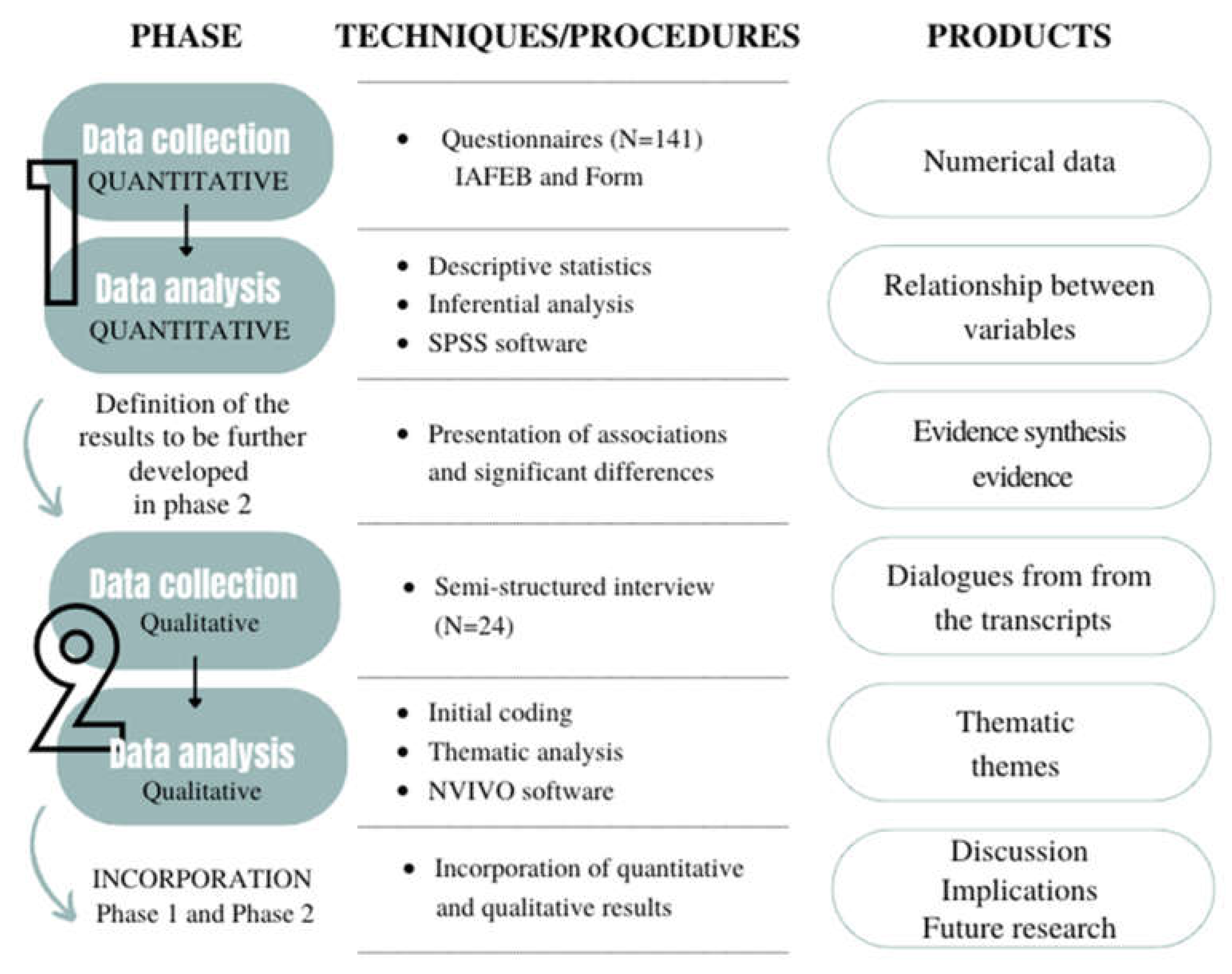
Figure 1. Diagram representing the sequential explanatory design [18]. Note: IAFEB - Instrument for the Assessment of Sports Training in Basketball.
Preprints 144653 g001
Figure 2. Strategies for recruiting athletes.
Preprints 144653 g002
Figure 3. IAFEB items.
Preprints 144653 g003
Figure 4. Thematic map.
Preprints 144653 g004
Table 1. Quality of physical and competitive spaces throughout the training years.
Spaces Quality < 10 years 11 to 14 15 to 17 18 to 19 Chi2
Public Places Very low 22 20% 16 15% 1 9% 8 11% x²=9.654
p=0.646
Low 25 23% 21 19% 1 9% 16 22%
Moderate 42 39% 44 40% 7 64% 36 49%
High 14 13% 17 16% 1 9% 8 11%
Very high 5 5% 11 10% 1 9% 5 7%
Public Gym Very low 11 11% 12 11% 2 13% 15 22% x²=25.918
p=0.014
Low 18 18% 15 14% 2 13% 12 17%
Moderate 51 50% 48 46% 1 7% 21 30%
High 16 16% 17 16% 8 53% 15 22%
Very high 6 6% 12 11% 2 13% 6 9%
Private Gym Very low 16 14% 8 6% 1 3% 9 10% x²=43.920
p<0.001
Low 10 9% 4 3% 1 3% 6 7%
Moderate 15 14% 11 9% 6 18% 22 26%
High 46 42% 41 32% 18 53% 20 23%
Very high 23 21% 63 50% 8 23% 29 34%
School Very low 24 24% 21 19% 3 25% 14 19% x²=19.502
p=0.077
Low 24 24% 13 12% 1 8% 6 8%
Moderate 31 31% 36 33% 6 50% 24 33%
High 17 17% 30 27% 1 8% 19 26%
Very high 4 4% 9 8% 1 8% 10 14%
Another location Very low 22 37% 22 35% 0 0% 16 36% x²=17.359
p=0.137
Low 16 27% 7 11% 1 25% 5 11%
Moderate 18 30% 19 30% 3 75% 16 36%
High 2 3% 8 13% 0 0% 5 11%
Very high 1 2% 6 10% 0 0% 2 4%
Table 2. Quality of materials for basketball practice.
Materials Quality < 10 years 11 to 14 15 to 17 18 to 19 Chi2
Balls, cones, tables Very low 3 2% 2 1% 0 0% 2 2% x²=139.85
p<0.001
Low 14 10% 8 6% 0 0% 2 2%
Moderate 61 44% 17 12% 4 10% 43 44%
High 41 30% 43 31% 34 89% 13 13%
Very high 18 13% 69 50% 0 0% 38 39%
Uniforms,vests Very low 10 7% 8 6% 0 0% 3 3% x²=192.31
p<0.001
Low 23 17% 3 2% 0 0% 7 7%
Moderate 51 37% 16 11% 0 0% 49 50%
High 38 28% 44 32% 38 100% 9 9.2%
Very high 15 11% 68 49% 0 0% 30 31%
Table 3. Influence of location and practice materials on sports development in basketball.
Variable Quality < 10 years 11 to 14 15 to 17 18 to 19 Chi2
Influence of location and materials Very negative 3 2% 0 0% 0 0% 0 0% x²=648.58
p<0.001
Negative 0 0% 9 6% 0 0% 0 0%
Indifferent 124 90% 1 1% 0 0% 1 1%
Positive 0 0% 21 15% 38 100% 97 99%
Very positive 10 7% 108 78% 0 0% 0 0%
Disclaimer/Publisher’s Note: The statements, opinions and data contained in all publications are solely those of the individual author(s) and contributor(s) and not of MDPI and/or the editor(s). MDPI and/or the editor(s) disclaim responsibility for any injury to people or property resulting from any ideas, methods, instructions or products referred to in the content.
Copyright: This open access article is published under a Creative Commons CC BY 4.0 license, which permit the free download, distribution, and reuse, provided that the author and preprint are cited in any reuse.
Prerpints.org logo

Preprints.org is a free preprint server supported by MDPI in Basel, Switzerland.

Subscribe

Disclaimer

Terms of Use

Privacy Policy

Privacy Settings

© 2026 MDPI (Basel, Switzerland) unless otherwise stated