

Submitted:
31 December 2024
Posted:
03 January 2025
You are already at the latest version
Abstract
Bio-based plastics can solve environmental and sustainability issues arising from synthetic plastics. Chicken feathers as well as sugarcane bagasse are two of the most affordable, abundant and sustainable sources of protein. But they constitute one of the major daily waste products released into the environment. Food item packaging biofilms made from these two bio-wastes could be helpful to both people and the environment. Keratin is hydrophilic, non-burning and biodegradable, making it suitable for usage in a wide range of chemical processes. The primary purpose of this research was to generate biodegradable plastic films from chicken feather and sugarcane bagasse biowaste. The hydrolyzed-feather-keratin (HFK) was extracted using a low-cost acid precipitation and alkali extraction method that included urea and sodium sulphide. This aided in adopting a thermoplastic approach to build and describe sustainability and environmental films based upon keratin with variable glycerol concentrations. Extraction of cellulose from sugarcane bagasse was optimized statistically, which was then acetylated to make cellulose acetate powder. This was utilized to make bioplastic film. Hence, the present study demonstrates an efficient and sustainable approach to produce bioplastic polymers from biowaste, which could be conceivably used in various plastic wrapping industries for food, pharmaceutics and so on.
Keywords:
bioplastic
; biowaste
; keratin
; cellulose
; food item packaging
1. Introduction
Plastic garbage has a number of negative consequences for health and the environment. Plastic debris comprises harmful chemicals which escape from landfills due to poor management. Chemicals included in plastics or plastics garbage during transportation have an influence on humans and the environment. Burning plastic garbage raises the risk of heart disease, causes rashes, nausea, and headaches and harms the nerves [1].
A biopolymer is one which is either biobased or biodegradable. Biomass-based products are made in-part or fully from biomass. For example, Biobased polypropylene (PP) is a type of plastic that is used to create drinking straws. Biodegradable (or “compostable”) plastics could be broken down by bacteria and microorganisms. This group of polymers includes polybutylene adipate terephthalate or PBAT (e.g., plastic bags). Following a flurry of innovations in the field of environmentally friendly packaging aimed at reducing the negative environmental effects of conventional packaging, bioplastics have recently been introduced to the market. A research was conducted by Ansink et al. to probe into the public perception towards recycling behaviour for biomaterials. The results showed that people aren’t very responsive to knowledge. Furthermore, they are almost completely unaffected by the branding that identifies the type of bioplastic used. This insensitivity is exacerbated by two disturbing factors. One is that even if a biopolymers logo is visible, only 35% of people see it. The other reality is that those who adhere to the logo, recycle no better than those that don’t. Across all treatments, almost 90% of people throw their cups out with plastic rubbish. While this is the planned recycling option for both conventional and biobased plastics, it is not the case for biodegradable plastics, which must be discarded. Participants are unresponsive to the therapies, as evidenced by non-parametric tests and instabilities. The logical next step is to examine the influence of bioplastic packaging on consumer purchases of such items using actual transaction or scanning data [2].
Animal by-products are now used as fertilisers, cattle feed and pet food [3]. Furthermore, a considerable portion of it is dumped, burnt, or disposed off in landfills, resulting in diseases, economic concerns, environmental degradation and waste of renewable sources [4]. Feather, in particular, is one of the important resources for making biodegradable products. Every year, over 4 billion lbs of feathers are put as by-products in the US, most of which are discarded in landfills [5]. Feathers are discarded in landfills, which results in environmental contamination and the loss of a useful raw material that contains over 90% of protein in them. Feathers are produced inexorably during chicken production, making them a reliable and sustainable source. Using bird-feathers to create products will increase the value of feathers while providing a low- cost, renewable raw resource.
Under the concept of “waste to riches,” the excitement for creation of bioplastics has grown significantly in recent years. The use of biomass materials such as fibre or cellulose or starch to substitute petroleum-based ingredients in the manufacture of plastics is a well-accepted technique for building an eco-friendly community [6]. Researchers from all around the world are interested in bioplastics created from environmentally friendly and organic sources of biopolymers including cellulose, starch, lactic, hydroxy alkanoates, proteins and other components made from plants or microorganisms [7]. Petrochemical polymers such as polyethylene and polypropylene, which are non-biodegradable, are employed in a variety of applications. Landfills are generally used for the treatment and/ or disposal of waste plastics. This has resulted in environmental issues such as contamination of the air, land and water [8]. Bioplastics comprising natural ingredients or biodegradable polymers, such as poly hydroxy alkanoates (PHA), poly-lactic acid (PLA), polybutylene succinate (PBS) and PBS-co-adipate have recently been produced. Agro, medical and dairy industries are all experimenting with biopolymers as alternative for traditional plastic [9,10].
The word “bioplastics” is still a bit of a grey area. It can be manufactured using renewable feedstocks (like bio-polyethylene), biodegradable feedstocks (like polybutylene succinate), or perhaps both. Plastics are primarily made up of carbon and hydrogen, both of which are extremely resistant to natural breakdown. The environment and biological organisms are both harmed by their build-up. Traditional plastic decomposition methods, such as landfilling, burning and substance treatment, cause environmental devastation. The non-biodegradable nature of plastics also poses a huge hazard to humans. Plastic pollution in the water, in addition to landfills, is damaging both human health as well as marine creatures. Exposure of humans to plastic particles by drinking water, breathing air and eating seafood, can induce toxicity and infectious disorders. Bioplastics biodegradation capacity allows it to degrade into chemicals or biomass via degradation by a wide range of microorganisms [7].
Protein-based bioplastics are a viable alternative to these materials. These bioplastics are mostly constructed of proteins derived from agro-food waste, making them both inexpensive and environmentally friendly. Furthermore, their manufacturing is straightforward (akin to that of standard plastics), allowing for easy modification of their useful qualities. In this regard, the creation of composites or the development of novel linkages to change the characteristics for protein-based materials is critical in order to compete with traditional plastics in applications like food packaging [11]. Thermoplastics are plastic substances which become stretchy and flexible at a specified elevated temperature, and then settle down when cooled. Thermoplastic makes up a large amount of the plastics used in food packaging. They can be swiftly and cost-effectively framed into any desired form to meet food wrapping needs. They are well suited to reusing and recycling, as well as to the waste-to-energy process. Polystyrene or polyester or nylon, as well as vinyl-polymers are the most often used thermo- polymers in food packing [12]. Because of its biodegradable qualities, low cost and renewability, starch is a good contender for building sustainable materials. To save petrochemical resources and lessen environmental effects, a lot of research has gone into developing starch-based polymers. However, there are several disadvantages to starch-based materials, such as long-term stability, ageing and low mechanical qualities. To increase the product’s shelf life, elasticity and limits, plasticizers like glycerin are generally added [13].
Studies have reported that by 2050, the growth in demand for plastics may result in the extraction of 20% of all fossil fuels worldwide. Global energy demand is also expected to climb substantially, resulting in increased reliance on fossil fuels. Excess use of fuels increases greenhouse gas emissions, posing a serious environmental danger. Plastic trash disposal, in addition to production, is a major concern. Some plastics, however, can be recycled with extra procedures such as separation, shipping, processing, and reprocessing. The bulk of plastic garbage is burned, removing carbon dioxide as well as other noxious chemicals into the sky. CO2 is the most important greenhouse gas, accounting for more than half of global warming now and perhaps three-quarters by 2100. Bioplastics made from environmentally benign and natural biopolymers such as proteins, cellulose or starch or hydroxy alkanoates or other materials generated using plants and microbes have piqued the curiosity among researchers globally [7].
Because petroleum-based plastics create solid waste material, which causes serious worldwide environmental concerns, bioplastics are seen to be an appropriate solution for some forms of traditional plastic packaging. Bioplastics have more benefits than traditional plastics since they are made using plants, other biomass, microbe fermentation, chemical synthesis and/or may be broken down by microorganisms (biodegradable). Despite growing ecological awareness, market demand and regulations around plastic use, the bioplastic packaging sector is still in its infancy. One of the impediments is the poor performance of bioplastics in a number of packaging applications [14]. While some bio-based plastics breakdown naturally in the environment into harmless compounds, while others require particular conditions to disintegrate. Over the last few years, worldwide bioplastics output has been steadily increasing. Bioplastics, on the other hand, still have a very modest market share [15]. Various types of biological resources are being utilised globally, for the production of bioplastics. Prominent examples include the production of bioplastics from corn and tamarind [16], bioplastic sheets from Taro starch (Colocasia esculenta) [17], bioplastics from starch extracted from the plant Prosopis juliflora [18], bioplastics from cellulose extracted from Parthenium hysterophorus weed [7], corn starch-based nanocomposite bioplastics preparation using TiO2 nanoparticles [13] protein bioplastic K-60 created from keratin derived from chicken feathers including an alkaline reagent (NaOH) and PVA/glycerol [19].
The main objective of this study was to use waste for the production of eco-friendly bioplastics. Keratin from chicken feathers and cellulose from sugarcane bagasse are by-products which are inexpensive and available in great amounts that can be used in the production of bio plastics. The present work aimed at producing cellulose and keratin-based bioplastic film from sugarcane bagasse. Their biodegradation properties were also analysed.
2. Materials and Methods
2.1. Cellulose Based Bioplastic Film from Sugarcane Bagasse
2.1.1. Sample Collection
Sugarcane bagasse (dry fibrous material obtained after crushing sugarcane during juice extraction) was collected from a local sugarcane juice shop at Suntikoppa, Coorg, Karnataka.
2.1.2. Pre-Treatment of Sugarcane Bagasse
Sugarcane bagasse was washed many times using distilled water to remove the dirt (Figure 1). After the washing process, bagasse was dried at 60℃ and the weight of the material was recorded every 1 hour until the weight remained constant. Various parts of the bagasse were crushed using a pestle mortar followed by a blender for further powdering it (Figure 2). Sugarcane-biomass was thus obtained as the powdered sugarcane bagasse.
2.1.3. Extraction of Cellulose
Chlorination and alkaline methods were used to extract cellulose [20,21]. 10 g of the powdered sample was dewaxed by vaporising with toluene as well as ethanol for 2 hours using a Rotary Evaporator (Figure 3) to eliminate waxes, pectin, organics and other impurities [22]. Following this, water and 95% ethanol were used to wash the given clear powder (Figure 4). The modified powder was dried at 60°C until no weight change was noticed. For the breakdown of hemicelluloses included in the material, a 5 g dewaxed sample was put in 3% sulfuric acid with a fibre to liquid ratio of 1:10 under continuous stirring at 90°C for 2 hours (Figure 5) [23] The solution was then cooled to 25°C and processed using Whatman Grade 1 filter paper. The residue obtained was washed three times with distilled water before being dried at 60°C. Delignification was achieved by treating the dried powder (Figure 6) with 0.7% sodium hypochlorite (wt/vol, pH 4.5) at 90°C for 2 hours while maintaining a fibre to liquid ratio of 1:15. The sample was then treated for 1 hour at 30°C with a 2% (wt/vol) sodium bisulphite solution to extract holocellulose, which is a mixture of cellulose and hemicellulose. It was filtered and rinsed with distilled water after already being treated with sodium bisulfite, and then dried at 60°C. The holocellulose (Figures 7 & 8) was next treated for 2 hours at 90°C with 5% sodium hydroxide (fibre to liquid ratio of 1:15, wt/vol). The sample was completely rinsed with distilled water before being treated for 2 hours at 90°C with 3% sodium hypochlorite (wt/vol, pH 4.5) while maintaining a fibre to liquid ratio of 1:15 (Figure 8) [7].The solution was filtered and the residue obtained was dried at 60°C until the weight remained constant.
2.1.4. Bioplastic Preparation from the Extracted Cellulose
The recovered cellulose from bagasse was utilized for making cellulose acetate bioplastic [23]. Acetylation of cellulose was achieved by the addition of sulfuric acid using acetic anhydride as an acetylating reagent and glacial acetic acid as a solvent. 10 g of isolated cellulose was combined with 24 ml glacial acetic acid and agitated at 37°C for 1 hour. Thereafter, the combination of 35 ml glacial acetic acid as well as 0.1 ml sulfuric acid was roused for 1 hr at 37℃. 0.6 mL sulfuric acid and 28 mL acetic anhydride were added when the liquid was cooled to 18°C. The mixture was incubated at 35°C for 1.5 hours, stirring constantly. Dropwise additions of 20 mL acetic acid with 10 mL water were made, and the mixture was agitated for 1 hour. Finally, the material was rinsed with distilled water until the pH reached 7.0. A bioplastic film was cast from dried cellulose acetate (CA) powder (Figure 9). To make a homogeneous viscous solution, 2 g of CA powder was diluted with 10 ml of 99.5% acetone and agitated constantly. The viscous solution was put onto a petridish (Figure 10) and maintained at 30℃ until it transformed into a dried bioplastic film.
2.1.5. Influence of Alkali
A 1 cm x 1 cm bioplastic sheet was made and weighed exactly before being immersed in an alkaline solution comprising sodium hydroxide at 40% concentration for three days. After three days, the percentage of weight reduction was calculated. For 3 days, a low-density polyethylene sheet of the same weight (as the control) was likewise subjected to this alkali.
2.1.6. Influence of Acid
Separately, a pre-weighted bioplastic sheet measuring 1 cm x 1 cm was treated with 10% sulfuric acid for three days. After 3 days, the bioplastic film was removed, dried and weighed to determine the percentage of weight reduction. In the same way, an available commercial low-density polyethylene film (as the control) was treated with this acid.
2.1.7. Influence of Salt
Pre-weighted bioplastic sheet of 1 cm x 1 cm was combined with 50 g sodium chloride salt and incubated for 10 days to determine the effect of salt. The biobased film was taken from the salt every 3 days, cleaned completely, dried and weighed. In the same way, a commonly produced low-density polyethylene film (as the control) was treated with this salt.
2.2. Keratin Based Bioplastic Film from Chicken Feathers
2.2.1. Sample Collection
Fresh and wet chicken feathers sample were collected from a broiler chicken slaughterhouse in Suntikoppa, Coorg, Karnataka.
2.2.2. Pre-Treatment of Feathers
Chicken plumage were cleaned and dried for 72 hours at 60°C (Figure 11). Degreasing was performed using diethyl ether at 24°C with a relative humidity (RH) of 65% for 24 hours and treatment using CTAB (1 g/L) for 3 hours to eliminate microorganisms (Figure 12). Clean, defatted feathers were dried in the sun for 1–2 days before being kept in sealed bags at 4°C for later use.
2.2.3. Extraction of Keratin
The feathers were dissolved by combining 12.5 g of chopped feathers with 0.5M Na2S as recommended and utilised in previous research [24,25], and digested at 50°C for 6 hours using a REMI 2MLH mechanical stirrer. To remove the supernatant from undissolved feathers, the resulting mixture was filtered twice using Whatman no.1 filter paper and centrifuged for 15 minutes at 10,000 rpm in a REMI R-8C centrifuge. Using a Digital pH metre DP 505, the pH was regulated to 3.5 to precipitate the protein [24]. Centrifugation around 10,000 rpm for 10 min was used to collect keratin protein sediments, which were then washed with double distilled water. To make keratin powder, the keratin protein particles were dried overnight at 60°C (Figure 13). 1mg of these keratin samples were dissolved in 2mL of 2N NaOH.
2.2.4. Preparation of Bioplastic from the Extracted Keratin
60mL of keratin solution was combined with increasing doses of glycerol (1, 2, 3, 4, 5 and 6%) and treated for 3 hours at 60°C with steady magnetic stirring (Figure 14). The aliquot was spread onto a circular petri-plate and baked for 48 hours at 60°C. Following this, the biopolymer was separated from the plate (Figure 15), tagged and kept for examination. This procedure was performed with all the glycerol doses.
2.2.5. Influence of Alkali
The resulting bioplastic sheet was weighed accurately before being stored in an alkaline solution of 40% sodium hydroxide for three days. Following this, the percentage weight reduction was calculated. For 3 days, a low-density polyethylene sheet of the same weight (as the control) was likewise subjected to this alkali.
2.2.6. Influence of Acid
Separately, a pre-weighted bioplastic sheet measuring 1 cm x 1 cm was treated with 10% sulfuric acid for three days. After 3 days, the bioplastic film was removed, dried and weighed to determine the percentage of weight reduction. In the same way, an available commercial low-density polyethylene film (as the control) was treated with this acid.
2.2.7. Influence of Salt
Pre-weighted bioplastic sheet of 1 cm x 1 cm was combined with 50 g sodium chloride salt and incubated for 10 days to determine the effect of salt. The biobased film was taken from the salt every 3 days, cleaned completely, dried and weighed. In the same way, a commonly produced low-density polyethylene film (as the control) was treated with this salt.
2.3. Short-Term Degradation Analysis of the Prepared Cellulose and Keratin Based Bioplastics and Low-Density Polyethylene in Soil
2.3.1. Short-Term Biodegradation Analysis of the Prepared Cellulose and Keratin Based Bioplastics and Low-Density Polyethylene in Soil
Non-sterilized cellulose and keratin-based bioplastic films, as well as low-density polyethylene films (2 cm x 3 cm), were buried in agricultural soil (100 g soil/pot). For 7 days, the pots were kept in a controlled environment (25°C and 60% relative humidity). Throughout the trial, the moisture content of the soil was kept between 35 and 40%. After 7 days, the plastic films were retrieved and the residual masses were calculated after brushing the soil away. The decrease of the polymers was used to compute the degradation ratio.
3. Results
3.1. Cellulose Based Bioplastic Film from Sugarcane Bagasse
3.1.1. Extraction of Cellulose
Using alkali treatment as well as chlorination, cellulose acetate was recovered from Bagasse biomass in this work. The extraction of cellulose was improved, and even the obtained cellulose was acetylated to make cellulose acetate.
3.1.2. Cellulose Yield
Thin sheets of bioplastic film were created. The white powdered shape of the extracted material suggested that a large proportion of the non-cellulosic components were removed. The recovered cellulose yield from sugarcane bagasse material was estimated to be 30.57% (wt/wt) which was calculated using the following formula:
Yield percentage = (Weight of cellulose / bagasse biomass) x 100
3.1.3. Bioplastic Preparation
Bioplastic film was made from the cellulose acetate produced from the extracted cellulose (Figure 16). Solvent casting was used to create a thin 0.8 mm bioplastic sheet. After evaporation of acetone, highly viscous dope was transformed to film in this procedure. NaOH aided the acetic anhydride based efficient reaction with the hydroxyl groups of cellulose by boosting fibre swelling during the cellulose extraction process. After acetylation, cellulose acetate was formed, demonstrating its acetone solubility. Cotton linters and flax fibres were utilised to make cellulose acetate-based bioplastic (Figure 17).
3.1.4. Light Microscopy Results of the Prepared Bioplastic
3.1.5. Influence of Alkali
At a high alkali concentration (40% NaOH), the weight-loss of bio- based and low- density polyethylene films was examined. In 40% NaOH, the weight reduction of biopolymers increased over time. After three days of treatment with 40% NaOH, bioplastic had lost up to 75% of its weight. However, after 3 days of treatment with 40% NaOH, the loss of weight of low-density polyethylene was virtually 0%, indicating that low-density polyethylene is more resistant to alkali than cellulose-based bioplastics. Because of the existence of hydrolysable ester linkages in cellulose acetate, the cellulose-based plastic is sensitive to alkali.
3.1.6. Influence of Acid
At a 30% sulfuric acid concentration, the weight loss of bioplastic and low-density polyethylene films was studied. After three days in the vicinity of 30% sulfuric acid, the bioplastic had shed 40% of its weight. In the presence of 30% sulfuric acid, the losing weight of low-density polyethylene reached 50% in three days.
3.1.7. Influence of Salt
The results showed that salts such as sodium chloride seemed to have no influence on the bioplastic formed, since there was no weight loss after three days. The bioplastic demonstrated good salt resistance and hence signified that it might be a good replacement for polythene, which is routinely used in the manufacture of salt containers.
3.2. Keratin Based Bioplastic Film from Chicken Feathers
3.2.1. Extraction of Keratin
To transform discarded feathers into a biopolymer, chicken feathers were treated with sodium sulphide. In order to achieve maximal potency in the regenerated product, optimal circumstances appeared to necessitate short incubation durations. The parent keratin’s -sheet structure was substantially preserved by keeping the pH around 3.5. The keratin that was created was found to have promising physical qualities for its application as a biopolymer.
3.2.2. Keratin Yield
The yield of the extracted keratin powder from chicken feather material was estimated to be 44.94% (wt/wt) which was calculated using the following formula:
Yield percentage = (Weight of keratin / feather biomass) x 100
3.2.3. Bioplastic Preparation
Plastic films were made from extracted keratin solution combined with various concentrations of glycerol (1 to 5%). The finest mechanical and thermal characteristics were found in bioplastics produced from keratin and 2% glycerol. Bioplastics containing 1% and 3% glycerol broke very easily and were not strong enough. Other bioplastics containing 4% and 5% glycerol were unable to dry completely which made them sticky and weak (Figure 19).
3.2.4. Light Microscopy Results of the Prepared Bioplastic
Light microscopy of the bioplastic containing 2% glycerol revealed extremely good suitable morphologies free of cavities, edges and holes (Figure 20). As a result, the glycerol assisted in the formation of a homogeneous mixture with visible evidence of plasticization with in keratin matrix. The 6% glycerol biopolymers film had more gaps and non-soluble particles than the 2% glycerol bioplastic film. The appearance of unfilled micro spaces might be due to a better degree of plasticizer dispersion in the polymer matrices when the plasticizer level is lower.
3.2.5. Influence of Alkali
At a high alkali concentration (40% NaOH), the weight-loss of biopolymers versus low-density polyethylene films was examined. After three days of treatment with 40% NaOH, bioplastic had lost 100% of its weight and the weight loss in low-density polyethylene was virtually 0%, indicating that low-density polyethylene was much more resistant to alkali than bioplastic made from keratin.
3.2.6. Influence of Acid
At a 30% sulfuric acid concentration, the weight-loss of bioplastic and low-density polyethylene films was recorded. After three days in the vicinity of 30% sulfuric acid, the bioplastic had lost 80% of its weight and the low-density polyethylene had lost 50% of its weight.
3.2.7. Influence of Salt
The bioplastic lost 65% of its weight after 3 days in the presence of sodium chloride. There was no change in the weight of low-density polyethylene in the presence of salt.
3.2.8. Comparitive Analysis of Weight-Loss Study
The bioplastics obtained from cellulose and keratin were subjected to treatment with different chemicals and their weight loss was studied, as explained in the above sections. The influence of alkali, salt and acid on weight-loss of these samples was compared with that of low-density polyehtylene plastic. As reported in the earlier sectins, both the types of bioplastics demosntrated significantly higher degradability when compared to low-density polyehtylene plastic, as depicted by the reduction in weight of these samples after treatment with the various chemicals. Keratin bioplastic demonstrated better degradability results than the cellulose bioplastic. This is summarised in Figure 21.
3.3. Short-Term Biodegradation Analysis of the Prepared Cellulose and Keratin Based Bioplastics and Low-Density Polyethylene in Soil
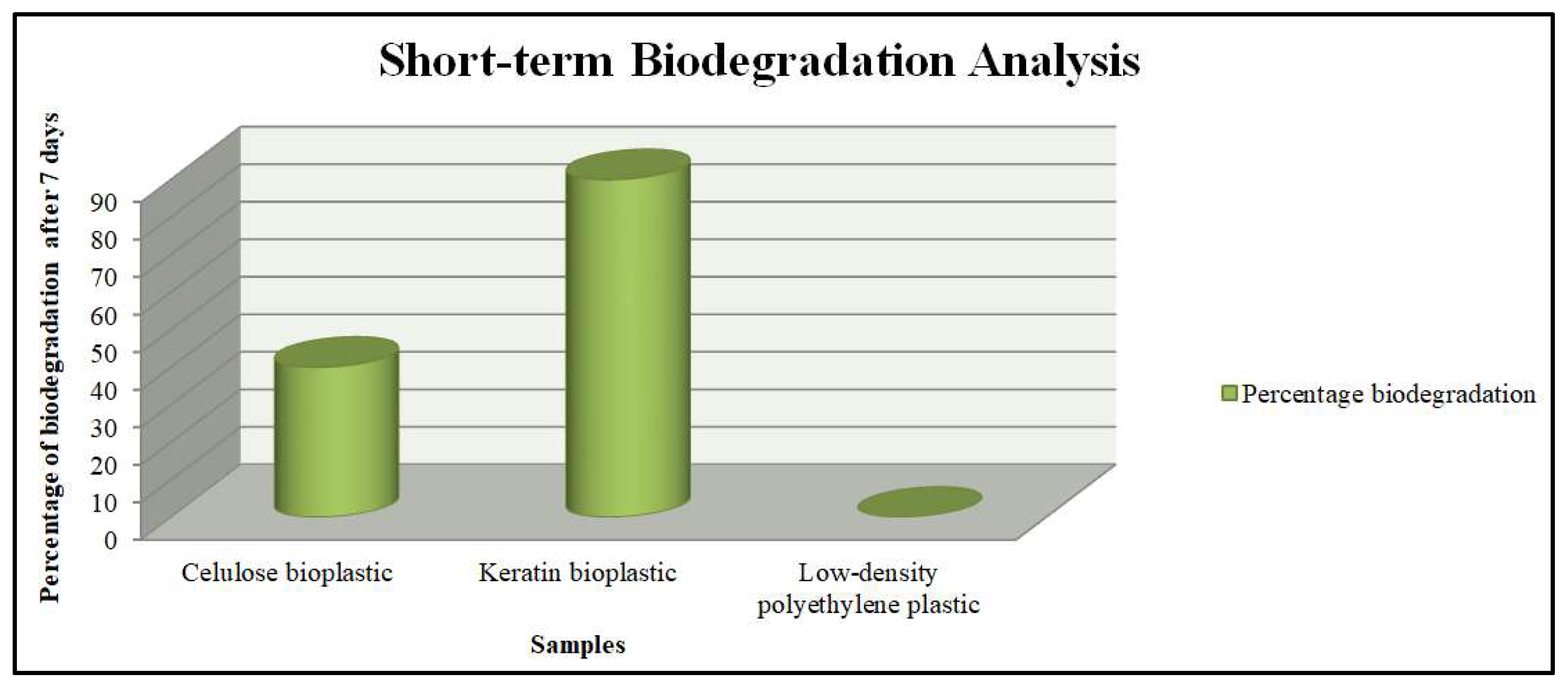
To determine the degradability of the each polymer in nature, cellulose and keratin-based bioplastic films, as well as low-density polyethylene film (2 cm x 3 cm), were buried in agricultural soil (100 g-soil/pot) for 7 days and the weight reductions of the plastics were measured (Figure 22). The weight-loss in cellulose-based bioplastic observed was 4% (Figure 23), which suggested that this bioplastic might take at least 175 days for 100% degradation of cellulose bio-plastic used in this study. The weight reductions of Kreatin-based bioplastic observed was 90% (Figure 23), where very minute remnants of the plastic were observed in the soil which were difficult to separate from the soil. It was inferred that it might take around 8 days for 100% degradation of the amount of keratin bio-plastic used in this degradation study. However, low-density polyethylene remained un-degraded (Figure 23). No physical change was observed. This finding suggested that the chemical composition and bonding properties of bioplastics are directly connected to their disintegration in nature. A comparitive analysis of this degradability test is depicted graphically in Figure 24.
4. Discussion
Biodegradable raw materials derived from components such as proteins, polysaccharides or lipids are currently seeing a surge in research. The usage of biodegradable polymers is thought to be the most efficient option to a number of synthetic polymer-related environmental contamination issues. Feather is among the most important possible biodegradable resources. The protein keratin makes up over 90% of protein content in feathers and it is abundant in the chicken sector. Within United States, 3 to 4 billion lbs of feather waste is produced by the poultry business, while China produces over 1.5 billion pounds. Despite the fact that it is inexpensive, biodegradable, renewable and readily accessible, is nearly not useful in industrial uses. But for uses in animal food, duvets and coats, feather is primarily released as solid waste in landfills, posing environmental and economic concerns. Furthermore, the duvet plus down coat that have been abandoned may cause secondary issues. Several research organisations are producing suitable feather to tackle solid waste contamination [26]. The most common cellulose extraction method is to use an alkali, such as sodium hydroxide solution. Although alkali treatment is an effective method for eliminating non-cellulosic materials and therefore is widely used in industry, it produces waste, which adds to the already existing environmental issues. The standard process is used to handle a variety of wood samples in a variety of ways. Placing labelled filter bags carrying single wood samples in a Soxhlet extractor or beaker full of chemicals is a conventional method [27]. An innovative, environmentally acceptable method is using chemically modified keratin derived by wool debris as a nitrogen/phosphorus-containing fire retardant in cotton fabrics [28]. Plasticizers used in bioplastic preparation, including natural antioxidants, diacetin or citrate or glycerol derivatives etc, increase the flexibility property and extensibility of bioplastic sheets [29]. However, some of the most regularly utilized plasticizers really aren’t eco sustainable [30]. Few of the commonly used plasticisers include triacetin, diacetin, diamyl tartrate, glyceryl tribenzoate, peg, chitosan and glycerol [29,31].
Bioplastics have many of the same benefits as petroleum-based plastics (low cost, light in weight and flexibility), but also with the added benefit of “organic” ingredients. They’re claimed to be more eco-friendly and long-lasting than standard polymers [32]. Another source of concern is the rising expense of nonrenewable oil products, which is prompting scientists to discover environmentally good and safe replacements. Biological and chemical operations such as bacterial fermentation, hydrolysis, as well as other methods are used to make bio-based polymers from renewables such as grain, potatoes, corn and even vegetable oil. Within the different resources available in nature, starch is the most commonly used by researchers. The linear form of amylase imparts mechanical properties of flexibility and strength to the bioplastics. Amylopectin’s branching structure, on the other hand, results in lower resistance to final tensile and elongation properties in bioplastics [16].
The treatment of lignin and hemicelluloses with sodium hypochlorite and alkaline solution resulted in their solubilisation [33,34]. The second treatment with sodium hypochlorite resulted in the massive removal of excess lignin and other contaminants from elementary cellulose. Because natural biomass contains various non-cellulosic substances like lignocellulosic materials and others to offer potency to the biomass, the study of bagasse biomass revealed spherical structures of the fibres with large impurities on the surface, as reported by other studies [35].
The chemical makeup of the original raw material may explain the variations in weight loss between bioplastic and low- density polyethylene. However, when exposed to 30% sulfuric acid, the bioplastic outperformed petroleum-based polythene, owing to its chemical crystalline structure’s high stability and atom-to-atom bonding, making it appropriate for the pharmaceutical and food sectors.
As a result, the components demonstrated strong bonding, which was influenced by the presence of chemical bonding in keratin with glycerol [26]. Bioplastics may be decomposed by a group of bacteria in nature, wherein microbial metabolism converts them to carbon dioxide and water. Non-biodegradable petrochemical plastics like PA66, polypropylene and polyethylene persist for a long time in the environment because they are resistant to microorganism invasion.
5. Conclusions
The extraction of cellulose and keratin from sugarcane bagasse waste and chicken feather biomass, respectively, was effective in this work. Bioplastic films were made from the harvested cellulose and keratin.
The morphology of obtained cellulose was validated by light microscopy, which revealed a neat yet rough surface featuring ridges related to the chemical treatment that removed a considerable number of hemicelluloses that were tightly bound to the cellulose. The maximum strength of chicken feather keratin film was reduced when the glycerol content was raised. The addition of glycerol to the microstructure of keratin biofilms made the film surfaces more uniform. The bioplastic manufactured from keratin with 2% glycerol displayed the best thermal and mechanical characteristics, according to the findings reported in this study. Aside from that, it exhibited good compatible morphology without edge, hollow or holes, according to light microscopy tests reported in this study. In terms of salt and diluted acid resistance, the bioplastic made from cellulose acetate displayed similar resistance as that of petroleum-based plastic. The bioplastic’s mechanical qualities imply that it may be used to make packaging materials, salt containers, fibre and plastic tools.
The findings of this study demonstrate the efficient use of cellulose and keratin for the creation of biodegradable plastic. These bioplastics produced were also proven as biodegradable. Conclusively, the developed cellulose and keratin-based bioplastics in this work, display a promising future in various industrial applications.
Author Contributions
Conceptualization, P.N. and N.B.M.; methodology, N.B.M.; validation, P.N.; data curation, N.B.M.; writing—original draft preparation, N.B.M.; writing—review and editing, P.N., S.J.; supervision, P.N. All authors have read and agreed to the published version of the manuscript.
Funding
This research received no external funding.
Data Availability Statement
All the data pertaining to this research have been made available in this manuscript.
Acknowledgments
In this section, you can acknowledge any support given which is not covered by the author contribution or funding sections. This may include administrative and technical support, or donations in kind (e.g., materials used for experiments).
Conflicts of Interest
The authors declare no conflicts of interest.
References
- Azmin, S. N. H. M., Hayat, N. A. binti M., & Nor, M. S. M. Development and characterization of food packaging bioplastic film from cocoa pod husk cellulose incorporated with sugarcane bagasse fibre. Journal of Bioresources and Bioproducts 2020,. [CrossRef]
- Ansink, E., Wijk, L., & Zuidmeer, F. No clue about bioplastics. Ecological Economics 2022, 191, 107245.
- 3. Guang-Yong Zhu; Xian Zhu; Xue-Liang Wan; Qi Fan; Yan-Hua Ma; Jing Qian; Xiao-Lei Liu; Yi-Jing Shen; Jun-Hui Jiang Hydrolysis technology and kinetics of poultry waste to produce amino acids in subcritical water. Journal of Analytical and Applied Pyrolysis 2010, 88(2), 187– 191. [CrossRef]
- E. Jin, N. Reddy, Z. Zhu, Y. Yang, Graft polymerization of native chicken feathers for thermoplastic applications. J. Agric. Food Chem. 2011, 59 (5), 1729–1738. [CrossRef]
- Mokrejs, P., Svoboda, P., Hrncirik, J., Janacova, D., & Vasek, V. Processing poultry feathers into keratin hydrolysate through alkaline-enzymatic hydrolysis. Waste management & research. The journal of the International Solid Wastes and Public Cleansing Association, ISWA 2011, 29(3), 260–267. [CrossRef]
- Fiorentino, G., Ripa, M., & Ulgiati, S. Chemicals from biomass: technological versus environmental feasibility. A review. Biofuels, Bioproducts and Biorefining 2017, 11(1), 195-214.
- Nigam, S., Das, A. K., & Patidar, M. K. Synthesis, characterization and biodegradation of bioplastic films produced from Parthenium hysterophorus by incorporating a plasticizer (PEG600). Environmental Challenges 2021, 5, 100280.
- Wayman, C.&Niemann, H. The fate of plastic in the ocean environment–a minireview. Environmental Science: Processes & Impacts 2021, 23(2), 198-212.
- Lunt, J. Large-Scale Production, Properties and Commercial Applications of Polylactic Acid Polymers. Polymers Degradation Stability 1998, 59, 145-152. https://dx.doi.org/10.1016/S0141-3910(97)00148-.
- Bonanomi, G., Chiurazzi, M., Caporaso, S., Del Sorbo, G., Moschetti, G. and Felice, S. Soil Solarization with Biodegradable Materials and Its Impact on Soil Microbial Communities. Soil Biology and Microbiology 2008, 40, 1989- 1998.
- Perez-Puyana, V. M., Jiménez-Rosado, M., Martínez, I., & Romero, A. Tuning the Mechanical and Functional Properties of Pea Protein-Based Bioplastics via Different Physical and Chemical Cross-Linking Methods. ACS Applied Polymer Materials 2024, 6(3), 1891-1899.
- Behera, L., Mohanta, M., & Thirugnanam, A. Intensification of yam-starch based biodegradable bioplastic film with bentonite for food packaging application. Environmental Technology & Innovation 2022, 25, 102180.
- Amin, M. R., Chowdhury, M. A., & Kowser, M. A. Characterization and performance analysis of composite bioplastics synthesized using titanium dioxide nanoparticles with corn starch. Heliyon 2019, 5(8), e02009. [CrossRef]
- Liliani, & Tjahjono, B. A conceptual framework for a dyadic supplier-customer co- innovation of bioplastic packaging. Procedia CIRP 2020, 90, 339- 343. [CrossRef]
- Filho, W. L., Salvia, A. L., Bonoli, A., Saari, U. A., Voronova, V., Klõga, M., … Barbir, J. An assessment of attitudes towards plastics and bioplastics in Europe. Science of The Total Environment 2021, 755, 142732. [CrossRef]
- MohammanAsaduzzaman Chowdhury, Nayem Hossain, Tauhidul Islam Noman, Ali Hasan, Alam Shafiul, Kashem Mohammod Abul. Biodegradable, physical and microbial analysis of tamarind seed starch infused eco-friendly bioplastics by different percentage of Arjuna powder, Results in Engineering 2022, 13, 100387, ISSN 2590-1230. [CrossRef]
- Mrithula Shanmathy, Monalisha Mohanta, A. Thirugnanam. Development of biodegradable bioplastic films from Taro starch reinforced with bentonite, Carbohydrate Polymer Technologies and Applications 2021, 2, 100173, ISSN 2666-8939. [CrossRef]
- M.K. Marichelvam, P. Manimaran, M.R. Sanjay, S. Siengchin, M. Geetha, K. Kandakodeeswaran, Pawinee Boonyasopon, Sergey Gorbatyuk. Extraction and development of starch-based bioplastics from Prosopis Juliflora Plant: Eco-friendly and sustainability aspects, Current Research in Green and Sustainable Chemistry 2022, 5, 100296, ISSN 2666-0865. [CrossRef]
- Alashwal, B. Y., Saad Bala, M., Gupta, A., Sharma, S., & Mishra, P. Improved properties of keratin-based bioplastic film blended with microcrystalline cellulose: A comparative analysis. Journal of King Saud University- Science 2019. [CrossRef]
- J.I. Moran, V.A. Alvarez, V.P. Cyras, A. Vazquez. Extraction of cellulose and preparation of nanocellulose from sisal fibers, Cellulose 15 2008, 149–159. [CrossRef]
- C.U. Maheswari, K.O. Reddy, M. Muzenda, B.R. Guduri, A.V. Rajulu. Extraction and characterization of cellulose microfibrils from agricultural residue - Cocos nucifera L, Biomass Bioenergy 2012, 46, 555–563. [CrossRef]
- K.O. Reddy, C. Uma Maheswari, E. Muzenda, M. Shukla, A.V. Rajulu. Extraction and characterization of cellulose from pretreated ficus (peepal tree) leaf fibers, J. Nat. Fibers 2016, 13, 1, 54–64. [CrossRef]
- R. Candido, G. Godoy, A.R. Gonçalves, Characterization and application of cellulose acetate synthesized from sugarcane bagasse, Carbohydr. Polym. 2017, 167, 280–289. [CrossRef]
- Sharma, S., Gupta, A., Chik, S. M. S. T., Gek, K. C., Podde, P. K., Thraisingam, J., & Subramaniam, M. Extraction and characterization of keratin from chicken feather waste biomass: a study. In Proceedings of the national conference for postgraduate research (NCON-PGR 2016), Universiti Malaysia Pahang (UMP), Pekan 2016, 693-699.
- S. Sharma, A. Gupta, S.M.S.B.T. Chik, C.Y.G. Kee, P.K. Poddar. Dissolution and characterization of biofunctional keratin particles extracted from chicken feathers, IOP Conference Series: Materials Science and Engineering, IOP Publishing 2017, p 012013. [CrossRef]
- Rahman, M. M., Hassan, A., Hossain, I., Jahangir, M. M. R., Chowdhury, E. H., & Parvin, R. Current state of poultry waste management practices in Bangladesh, environmental concerns, and future recommendations. Journal of Advanced Veterinary and Animal Research 2022, 9(3), 490.
- Leavitt, SW, Danzer, SR. Method for processing small wood samples to holocellulose for stable-carbon isotope analysis. Analytical Chemistry 1993, 65(1):87–9.
- Kaustubh C. Patankar, Saptarshi Maiti, Girendra Pal Singh, Mohammad Shahid, Sandeep More, Ravindra V. Adivarekar. Chemically modified wool waste keratin for flame retardant cotton finishing, Cleaner Engineering and Technology 2021, 5, 100319, ISSN 2666-7908. [CrossRef]
- Phuong VT, Verstichel S, Cinelli P, Anguillesi I, Coltelli M-B, Lazzeri A. Cellulose acetate blends – Effect of plasticizers on properties and biodegradability. J Renew Mater 2014, 2(1):35–41.
- Decroix, C., Chalamet, Y., Sudre, G., & Caroll, V. Thermo-mechanical properties and blend behaviour of cellulose acetate/lactates and acid systems: Natural-based plasticizers. Carbohydrate polymers 2020, 237, 116072.
- N. Mostafa, A.A. Farag, H.M. Abo-Dief, A.M. Tayeb. Production of biodegradable plastic from agricultural wastes, Arab. J. Chem. 2018, 11, 546–553. [CrossRef]
- Zimmermann, L., Dombrowski, A., Völker, C., & Wagner, M. Are bioplastics and plant-based materials safer than conventional plastics? In vitro toxicity and chemical composition. Environment International 2020, 106066. [CrossRef]
- K.O. Reddy, C. Uma Maheswari, E. Muzenda, M. Shukla, A.V. Rajulu. Extraction and characterization of cellulose from pretreated ficus (peepal tree) leaf fibers, J. Nat. Fibers 2016, 13, 1, 54–64. [CrossRef]
- Bian, J., Peng, P., Peng, F., Xiao, X., Xu, F., & Sun, R. C. Microwave-assisted acid hydrolysis to produce xylooligosaccharides from sugarcane bagasse hemicelluloses. Food chemistry 2014, 156, 7-13.
- B.S. Kaith, H. Mittal, R. Jindal, M. Maiti, S. Kalia. Environment benevolent biodegradable polymers: synthesis, biodegradability, and applications, in: Cellulose Fibers: Bio- and Nano-Polymer Composites 2011, 425–451. [CrossRef]
Figure 1.
Distilled water wash of sugarcane bagasse.
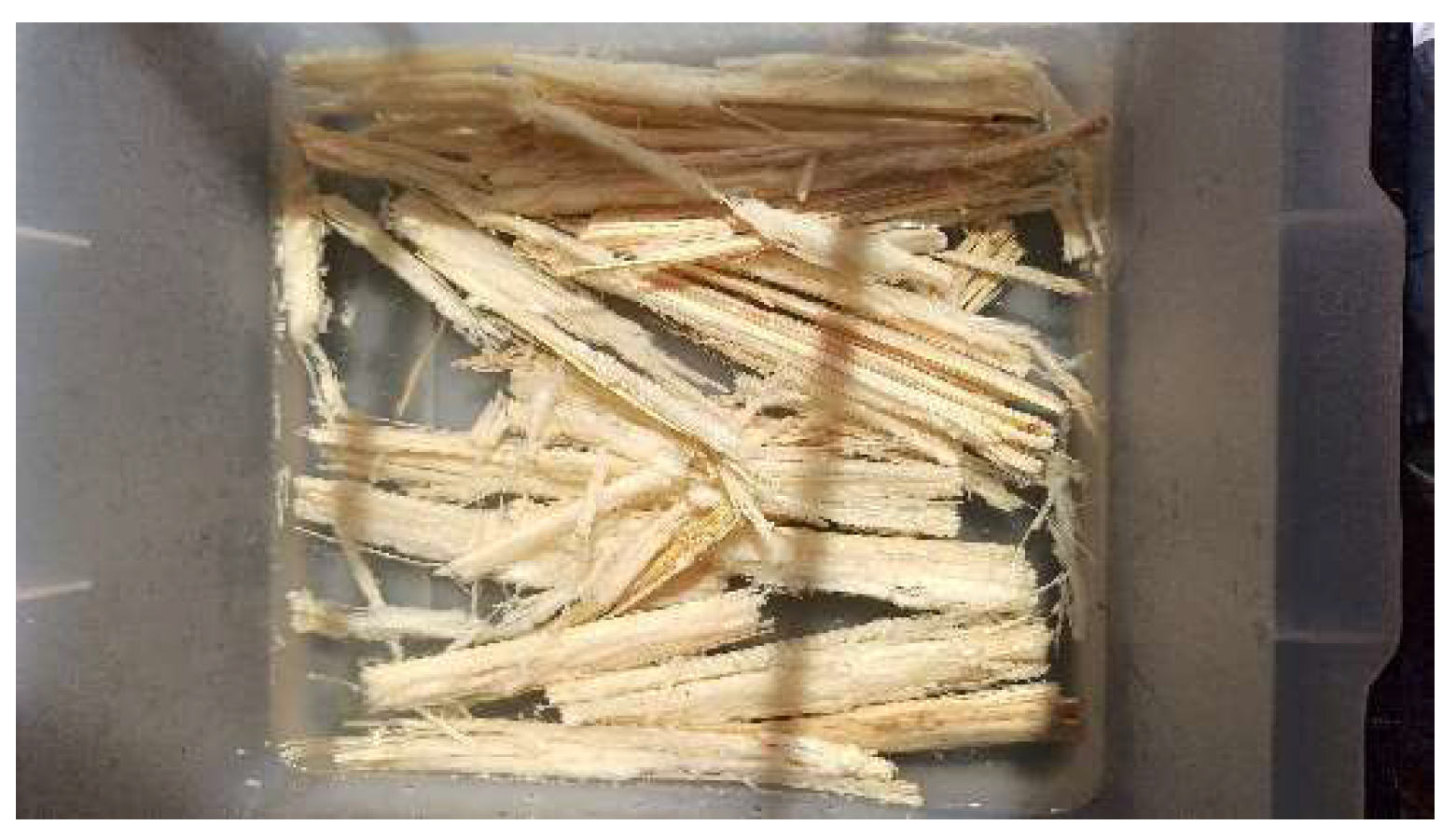
Figure 2.
Crushing of dry bagasse using a blender.
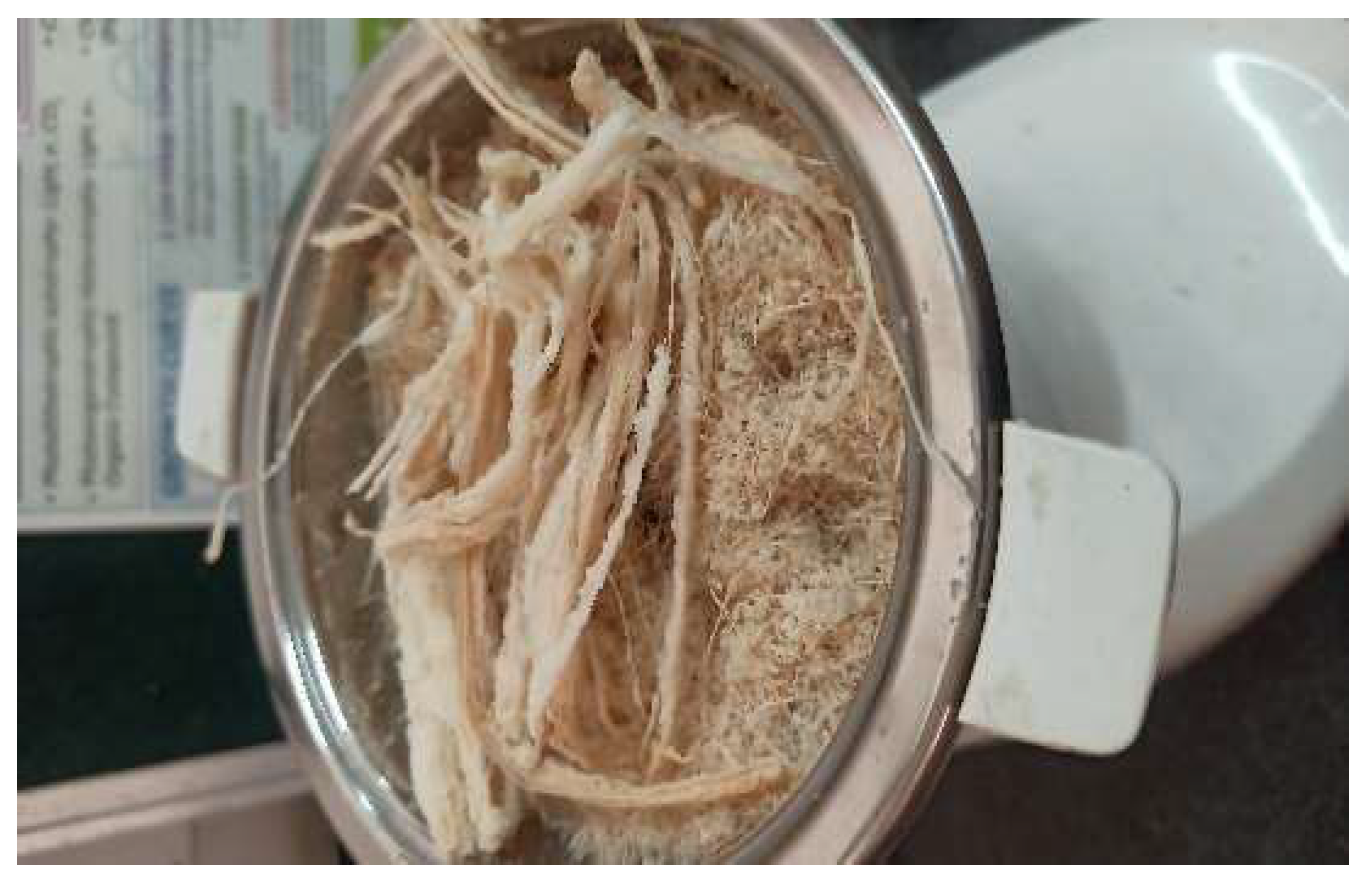
Figure 3.
Dewaxing of sugarcane bagasse with toluene and ethanol in a Rotary Evaporator.
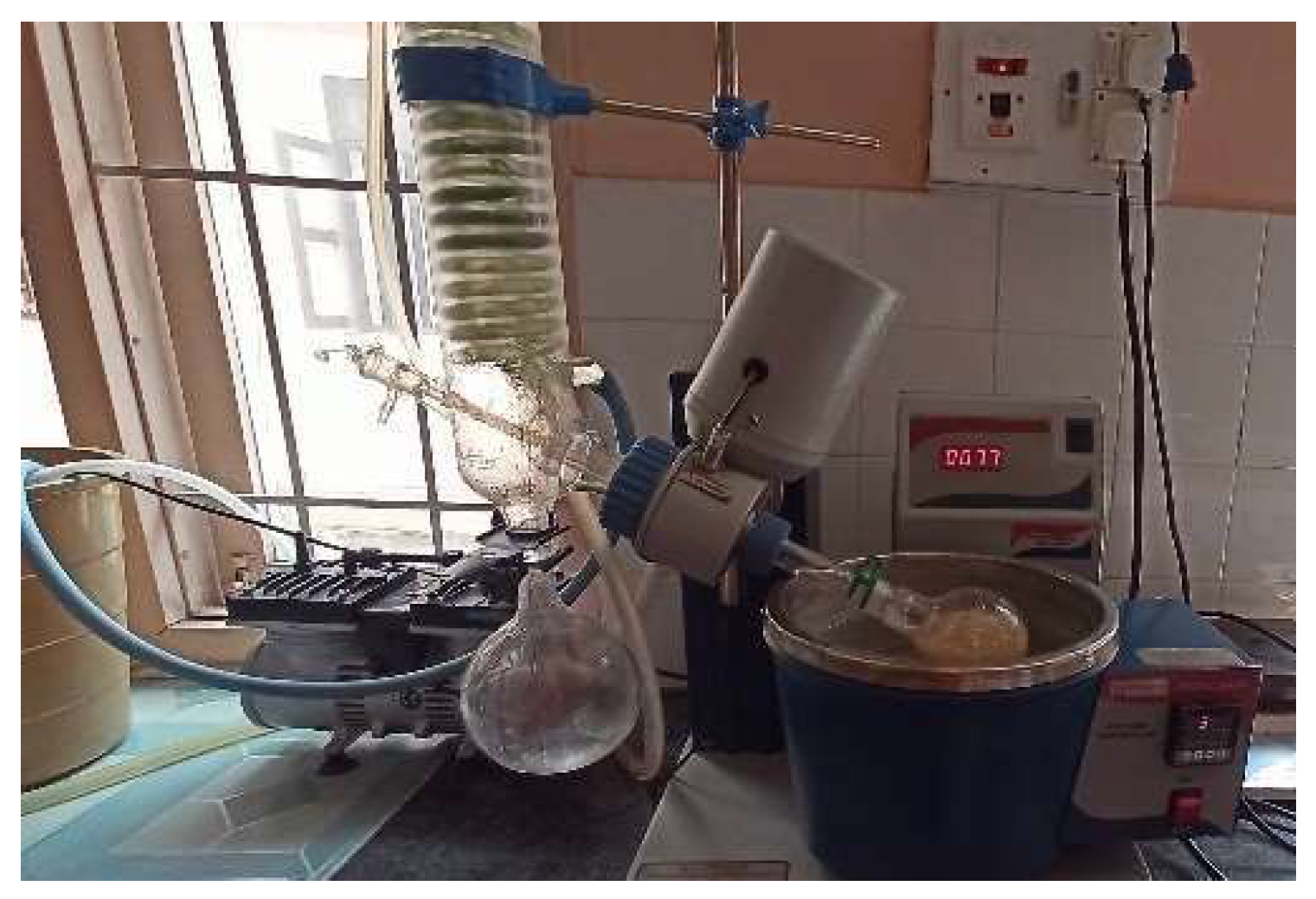
Figure 4.
Dewaxed sugarcane bagasse.
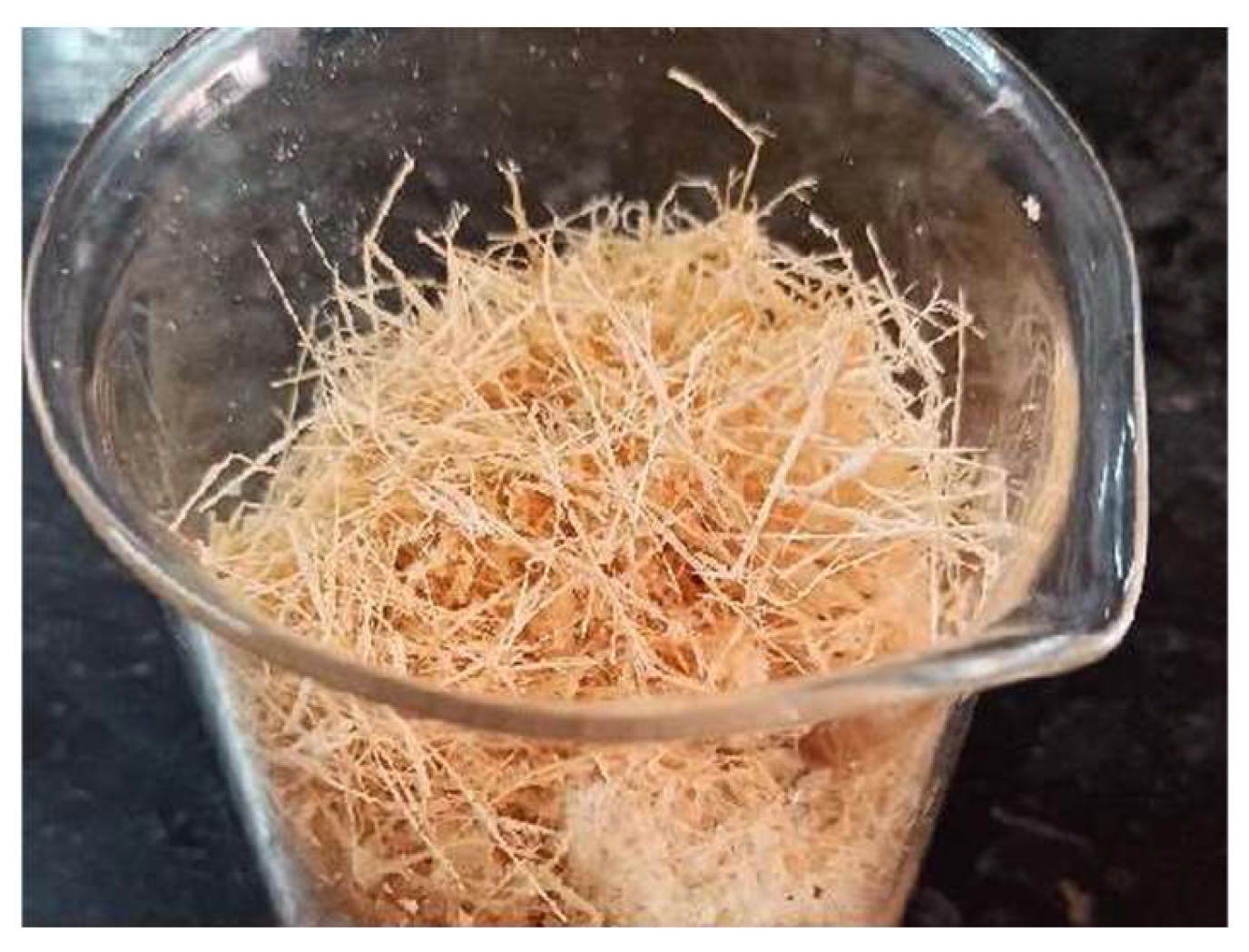
Figure 5.
Hydrolysed hemicellulose solution.
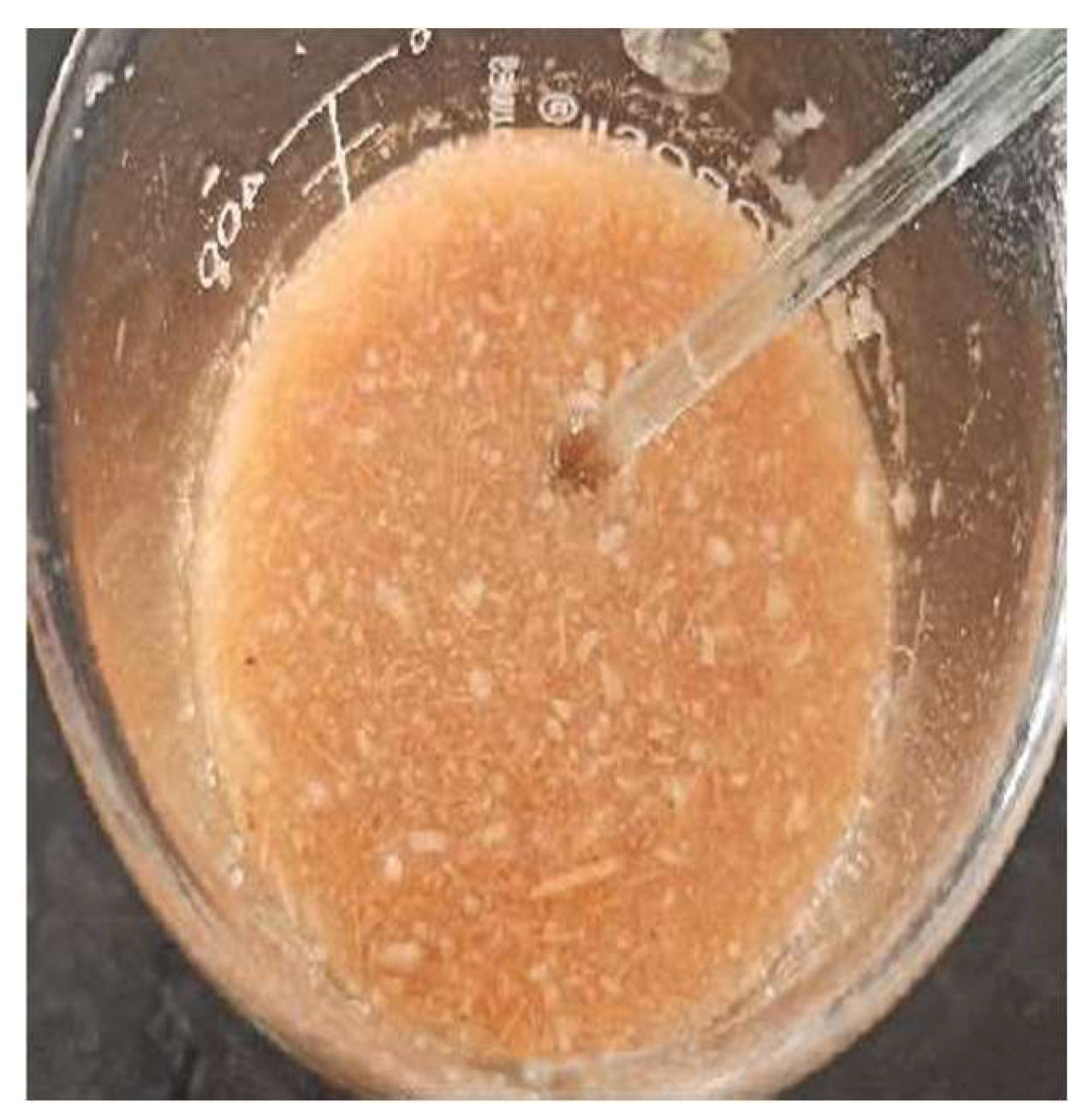
Figure 6.
The solid residue of sugarcane bagasse.
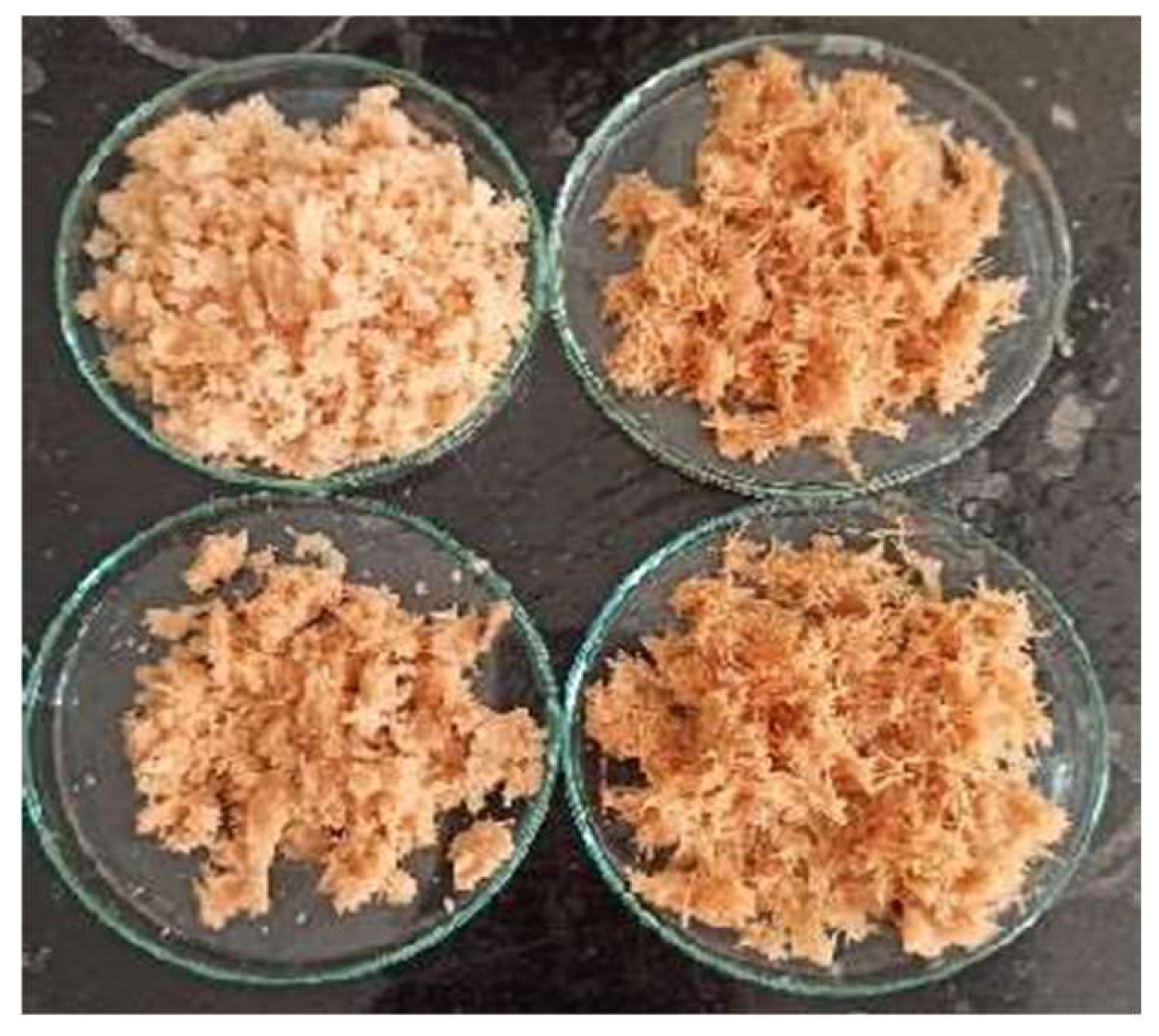
Figure 7.
Dried sugarcane bagasse powder.
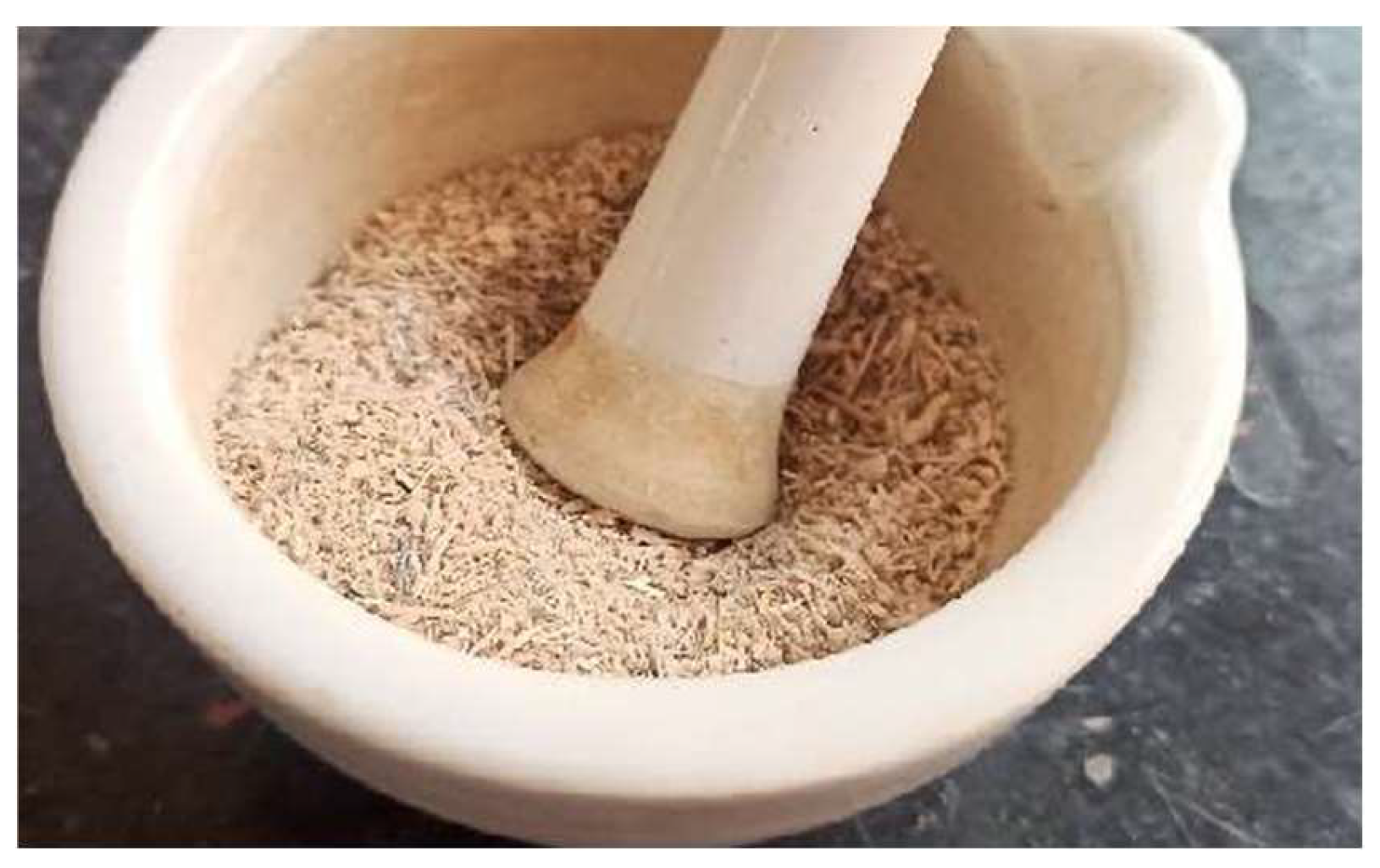
Figure 8.
Dried holocellulose.
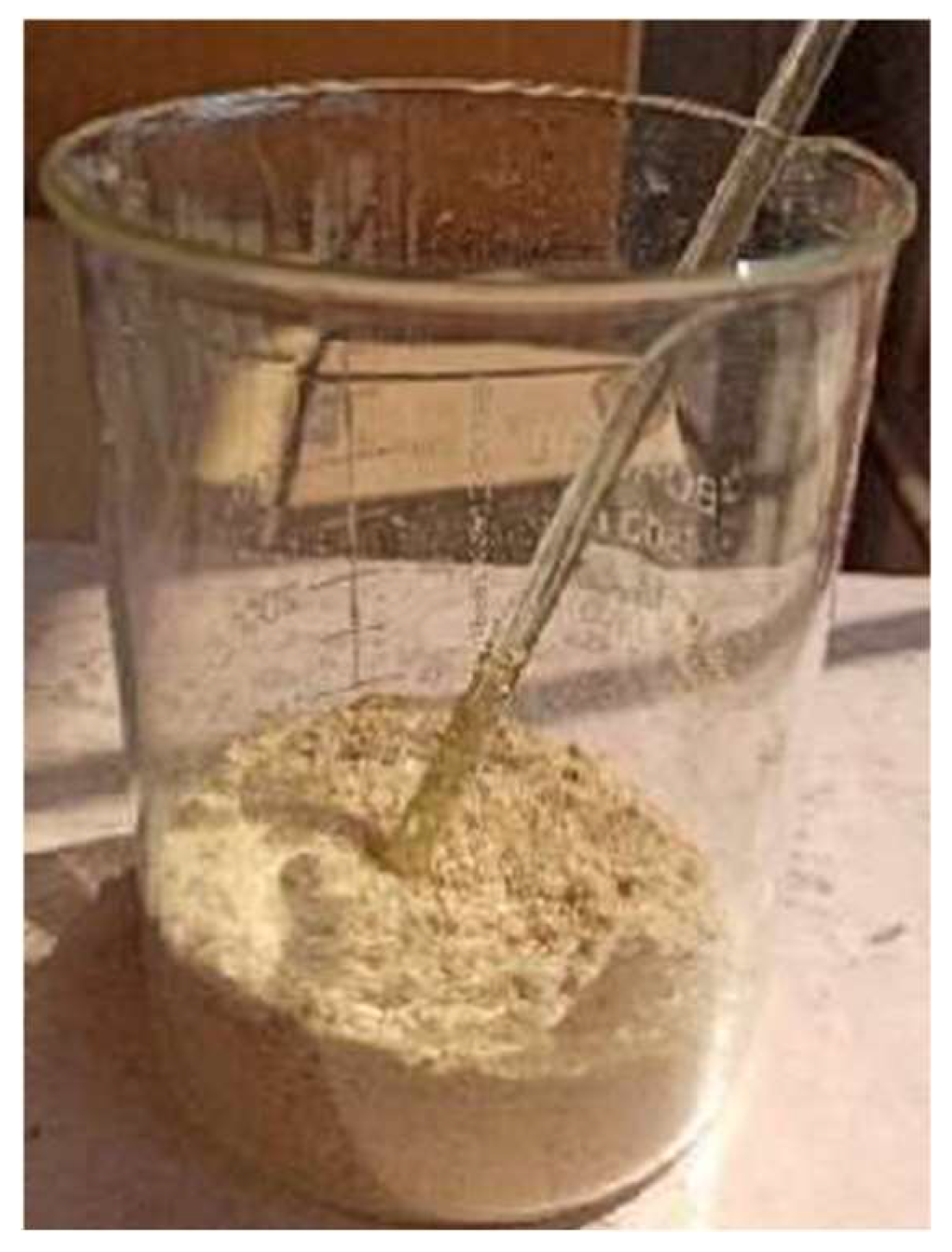
Figure 9.
Dried cellulose acetate (CA).
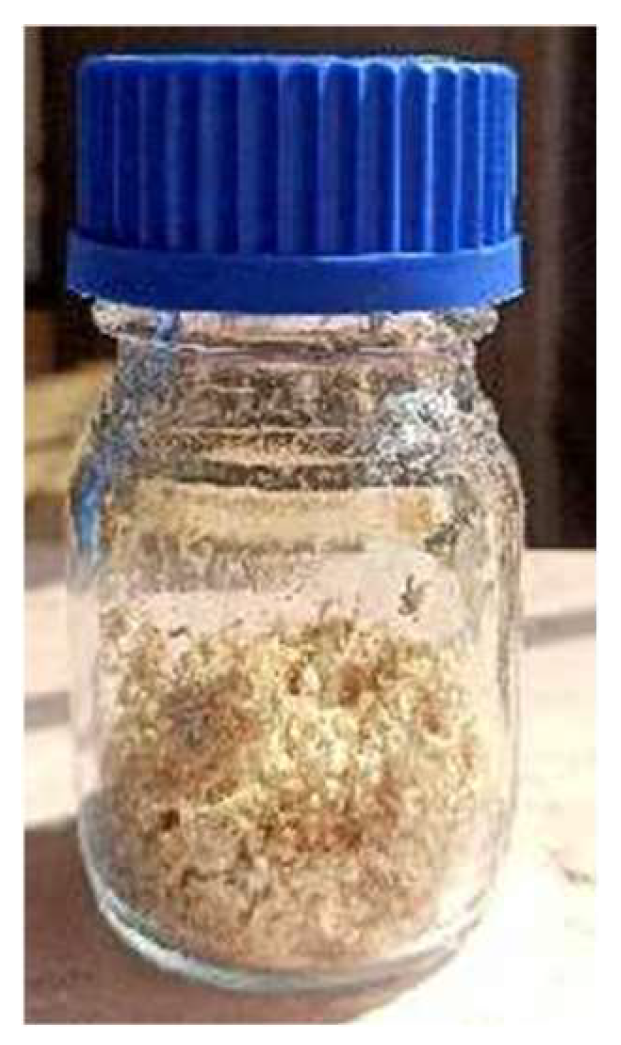
Figure 10.
Fluid of CA casting.
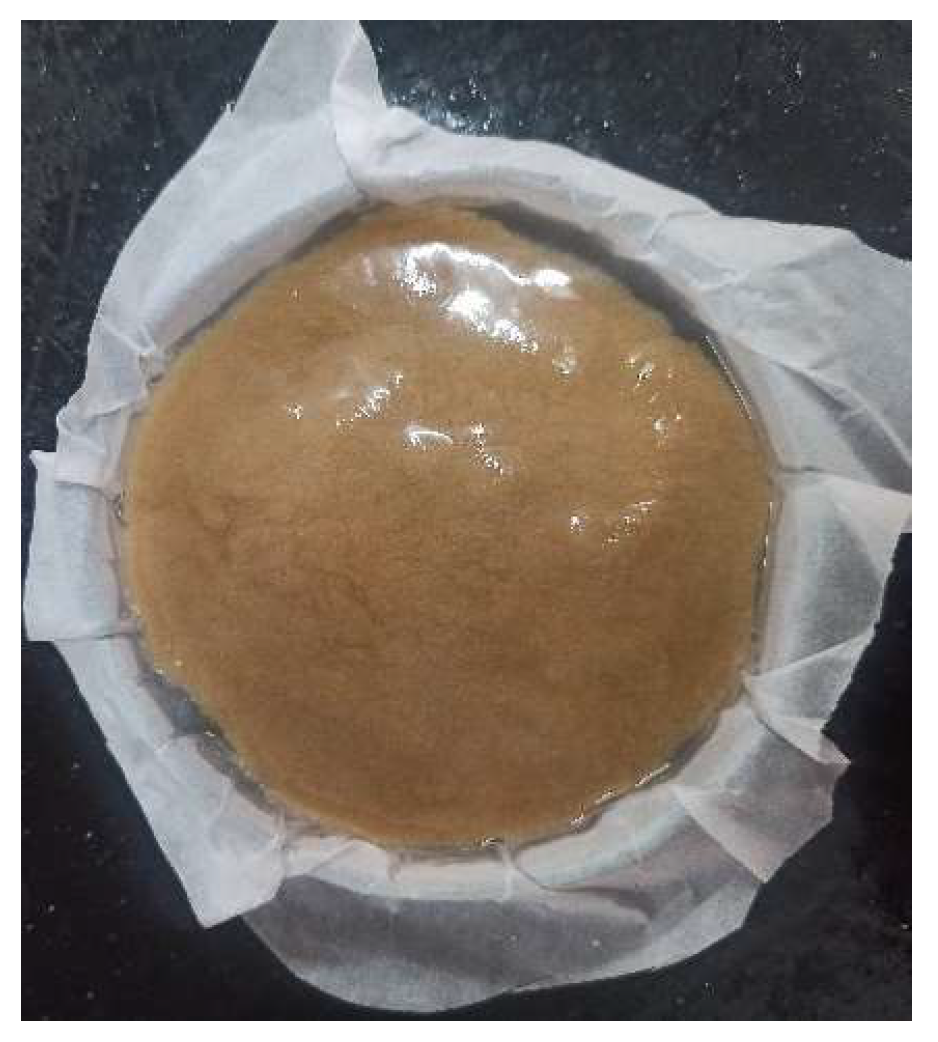
Figure 11.
Washed and dried chicken feathers.
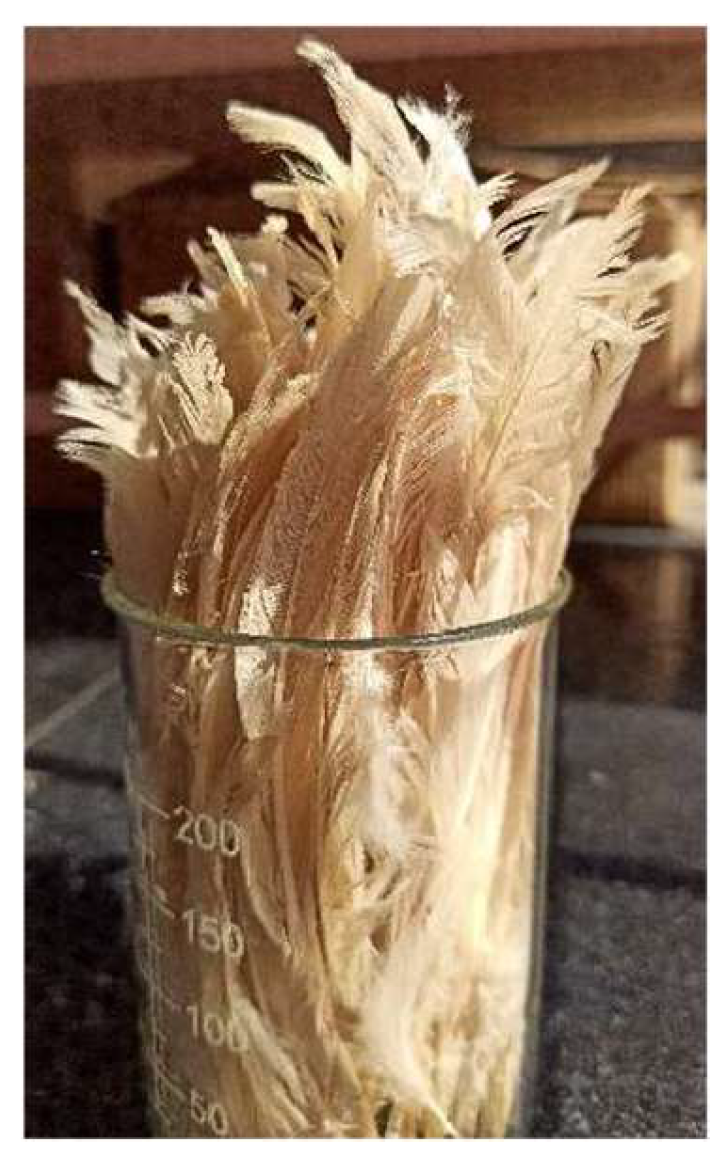
Figure 12.
Degreasing of feathers with petroleum ether followed by CTAB treatment.
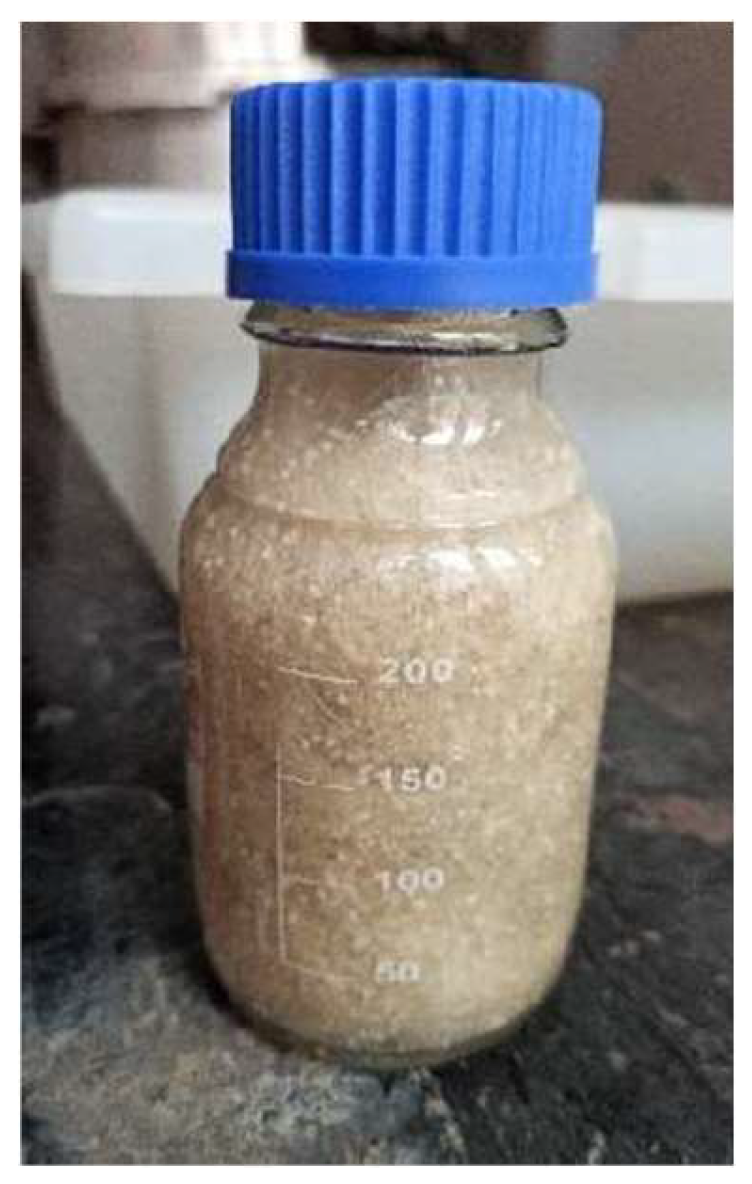
Figure 13.
Dried keratin powder.
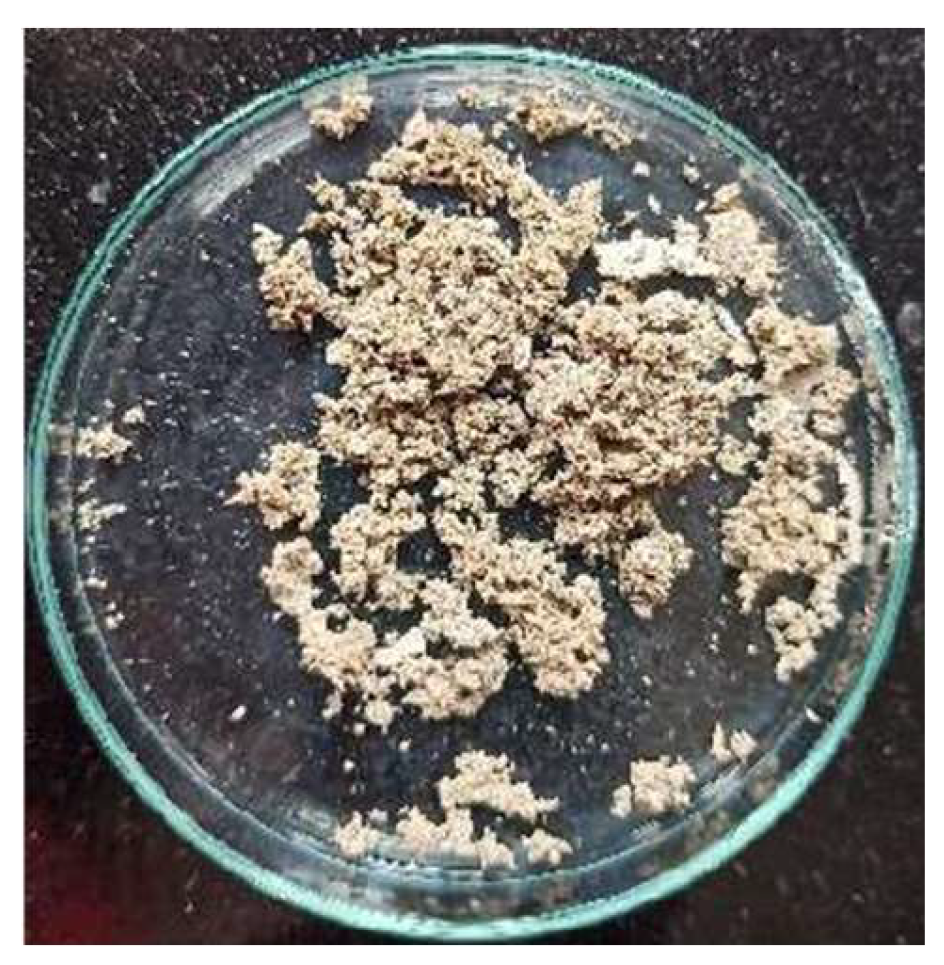
Figure 14.
Keratin powder dissolved in NaOH.
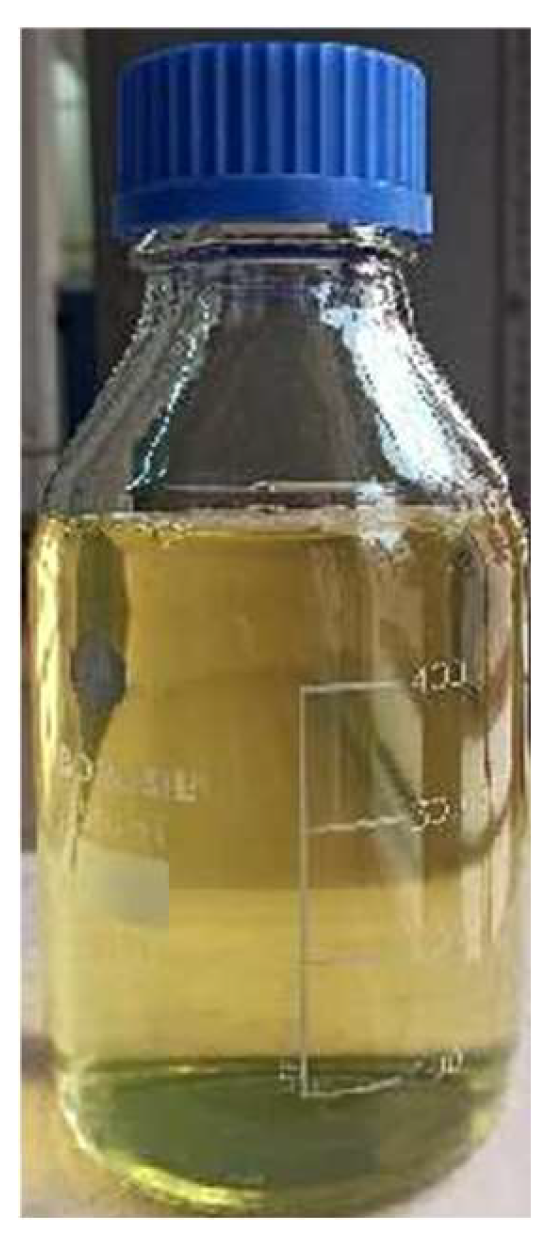
Figure 15.
Keratin and glycerol aliquots spread over circular petri-plates.
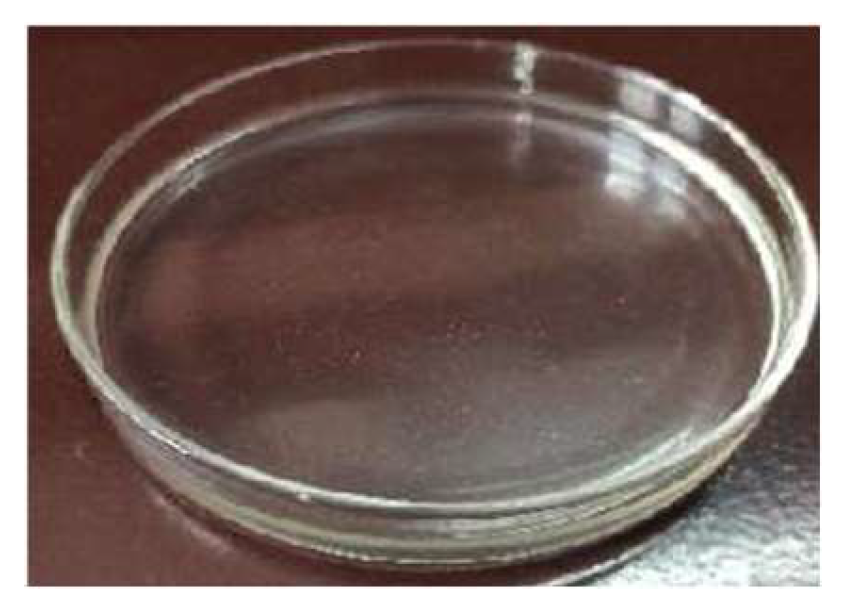
Figure 16.
Extracted cellulose.
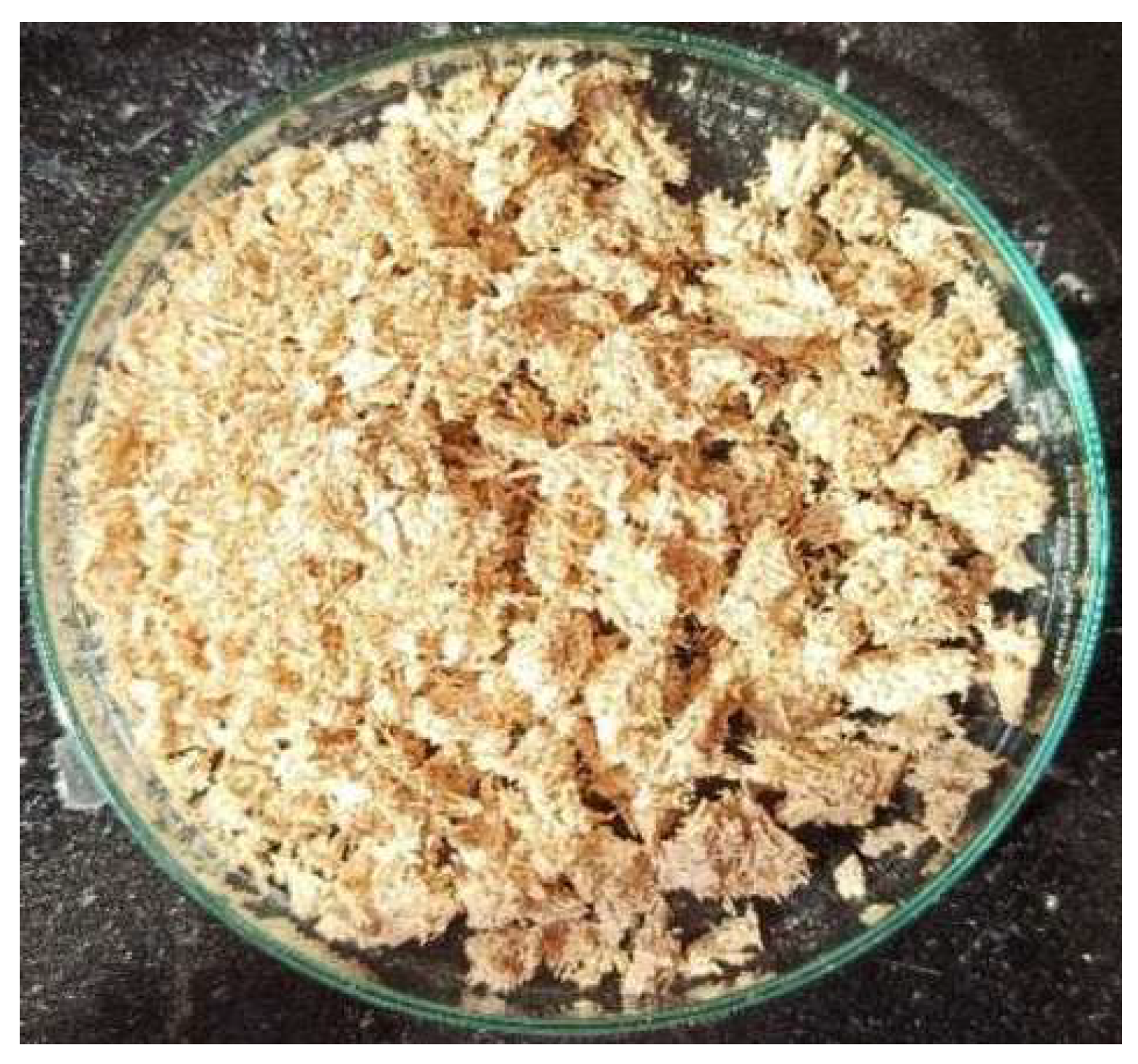
Figure 17.
Cellulose-based bioplastic film.
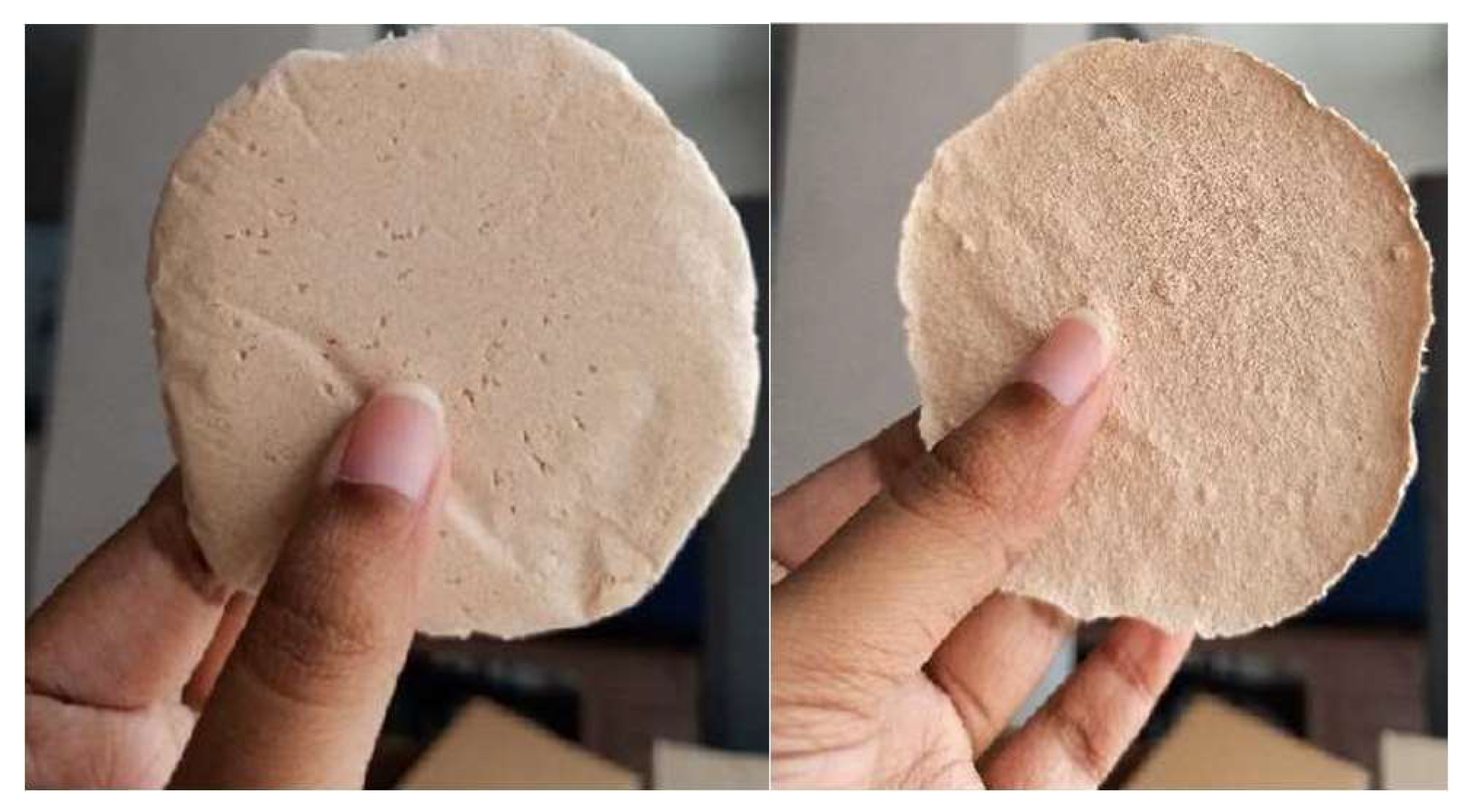
Figure 18.
Light micrographs of sugarcane biomass (left) and extracted cellulose at 40X (right).
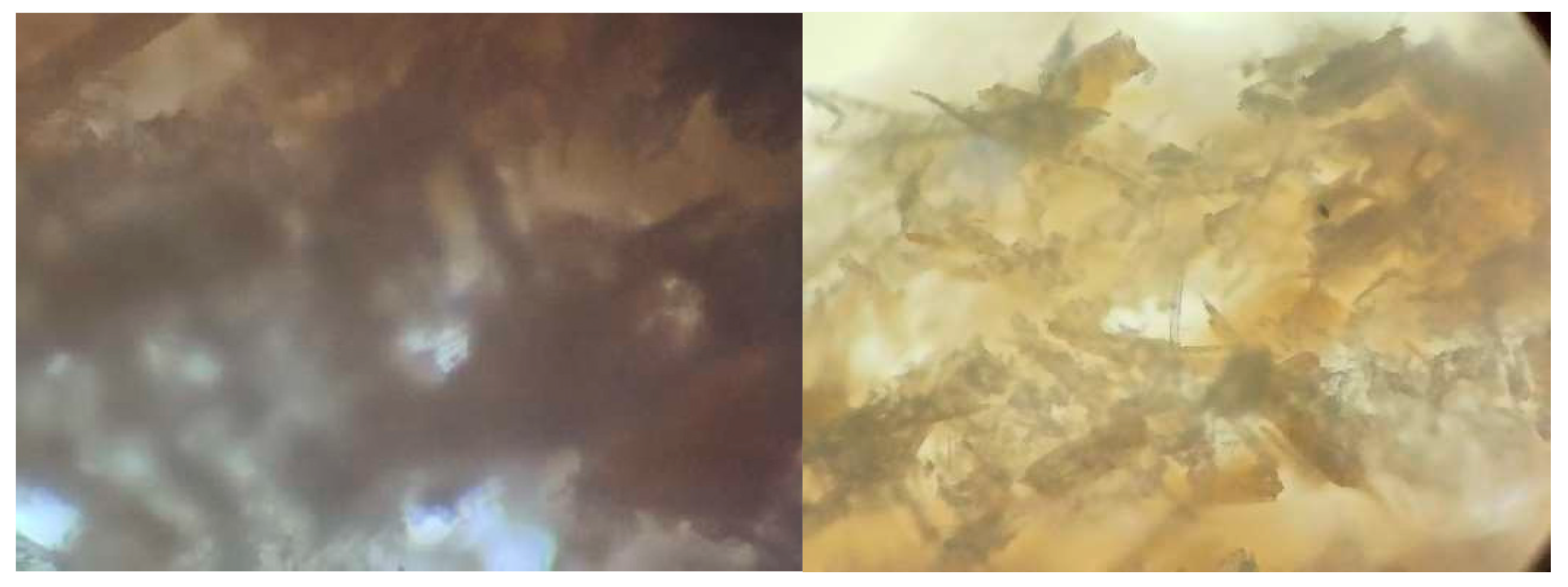
Figure 19.
Keratin based bioplastic containing 1-6% glycerol (from top left to bottom right).
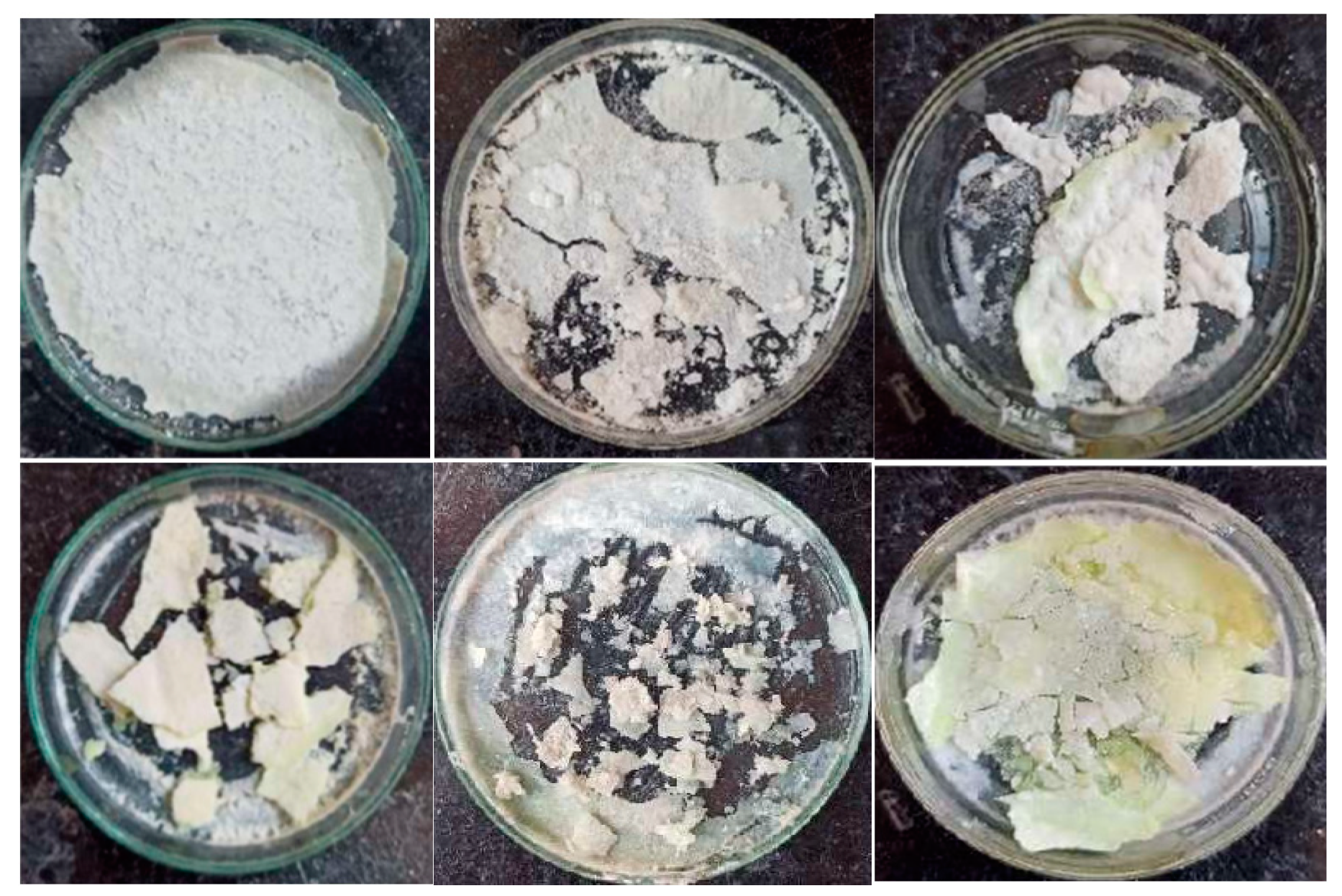
Figure 20.
Light micrographs of bioplastics containing 2% (left) and 6% (right) glycerol observed under 40X.
Figure 20.
Light micrographs of bioplastics containing 2% (left) and 6% (right) glycerol observed under 40X.
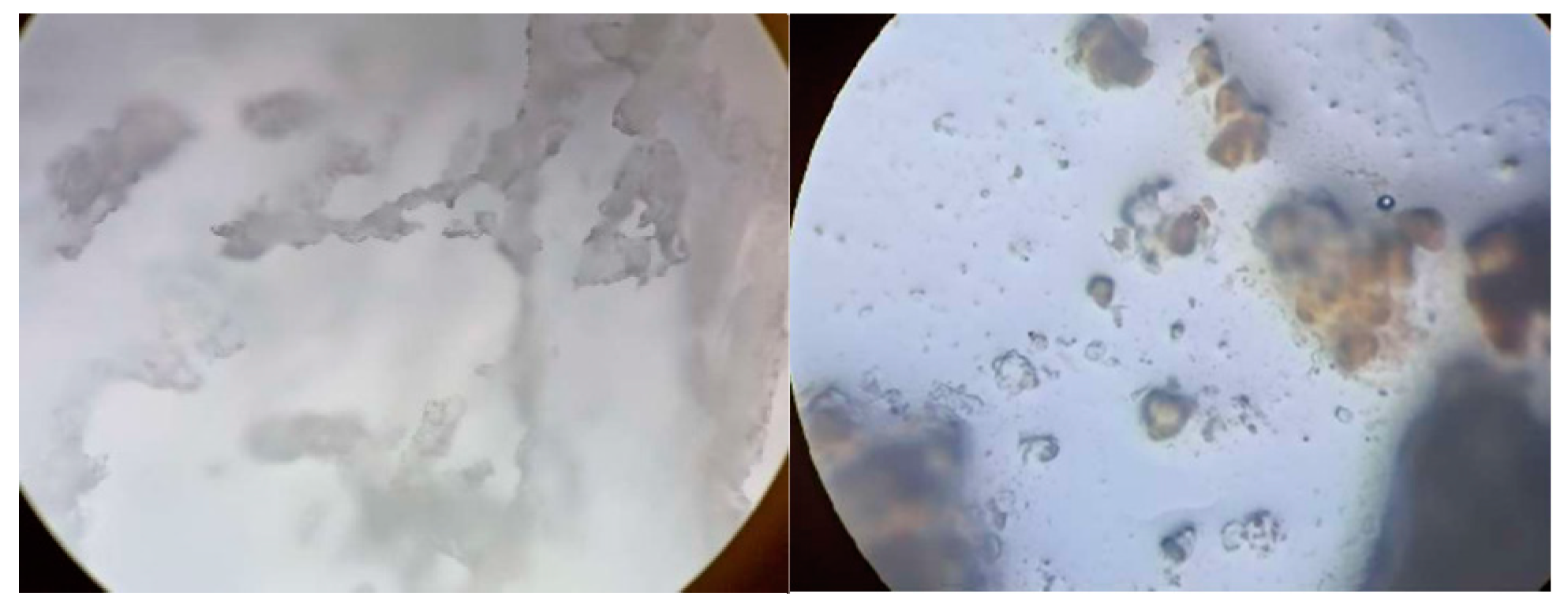
Figure 21.
Comparitive weight loss of samples after treatment with different chemicals.
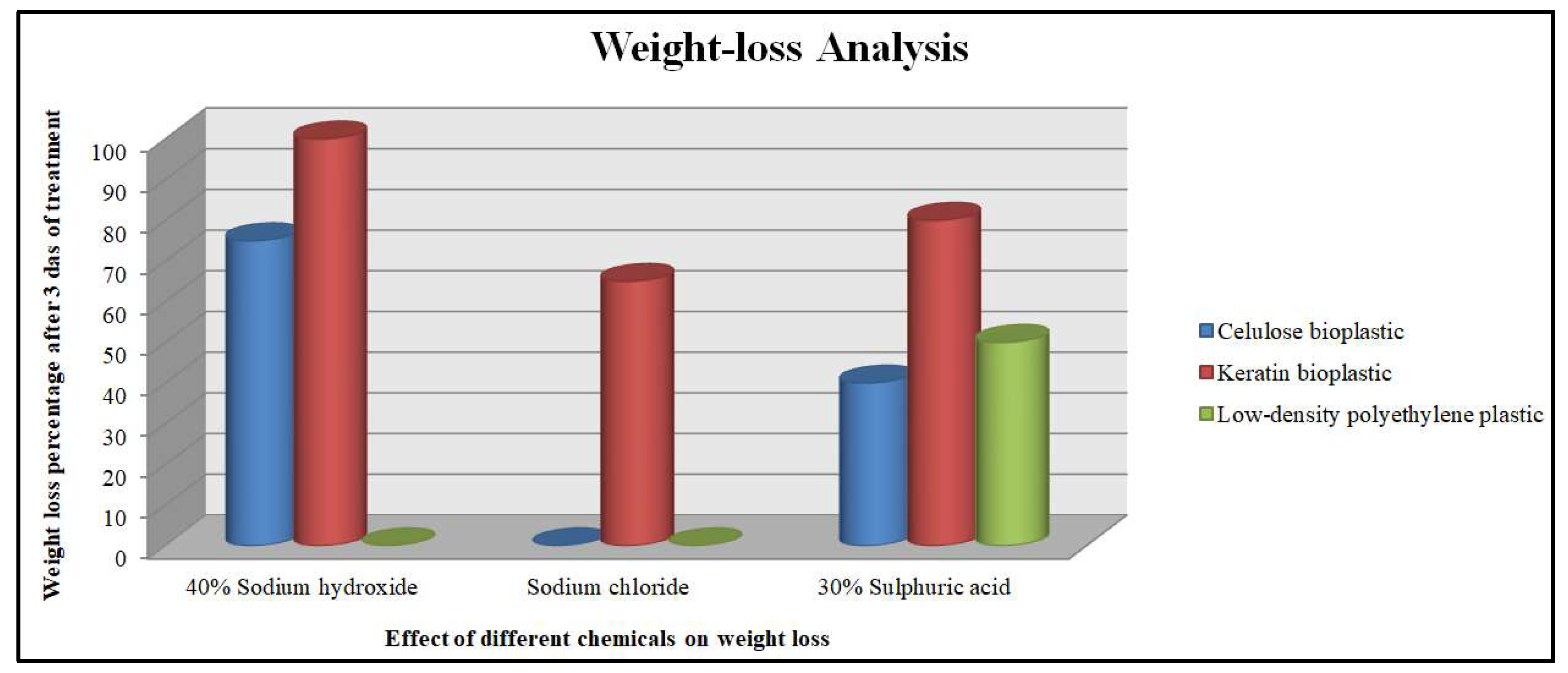
Figure 22.
Short-Term Degradation of Cellulose-based bioplastic (left), keratin-based bioplastic (middle) and low-density polyethylene film (right) in soil day 1.
Figure 22.
Short-Term Degradation of Cellulose-based bioplastic (left), keratin-based bioplastic (middle) and low-density polyethylene film (right) in soil day 1.
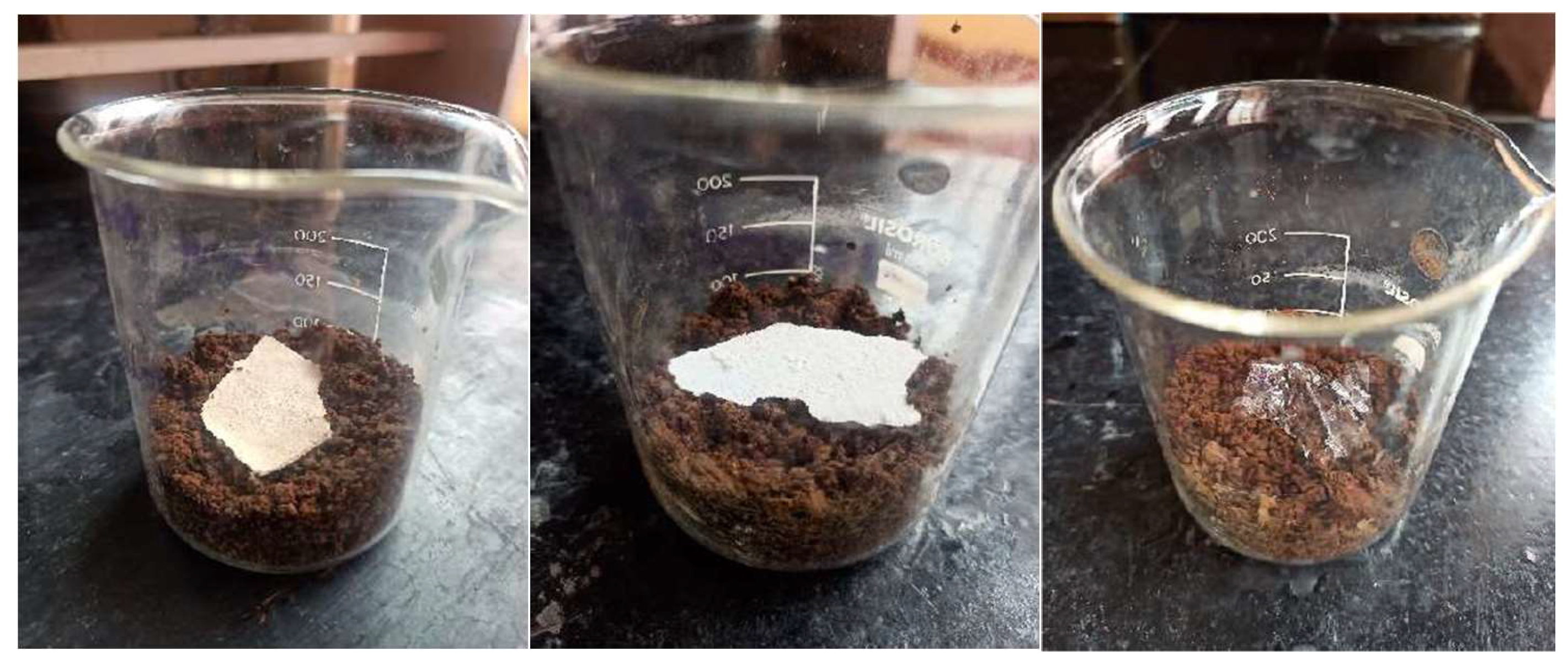
Figure 23.
Short-Term Degradation of Cellulose-based bioplastic (left), keratin-based bioplastic (middle) and low-density polyethylene film (right) in soil after 7 days.
Figure 23.
Short-Term Degradation of Cellulose-based bioplastic (left), keratin-based bioplastic (middle) and low-density polyethylene film (right) in soil after 7 days.
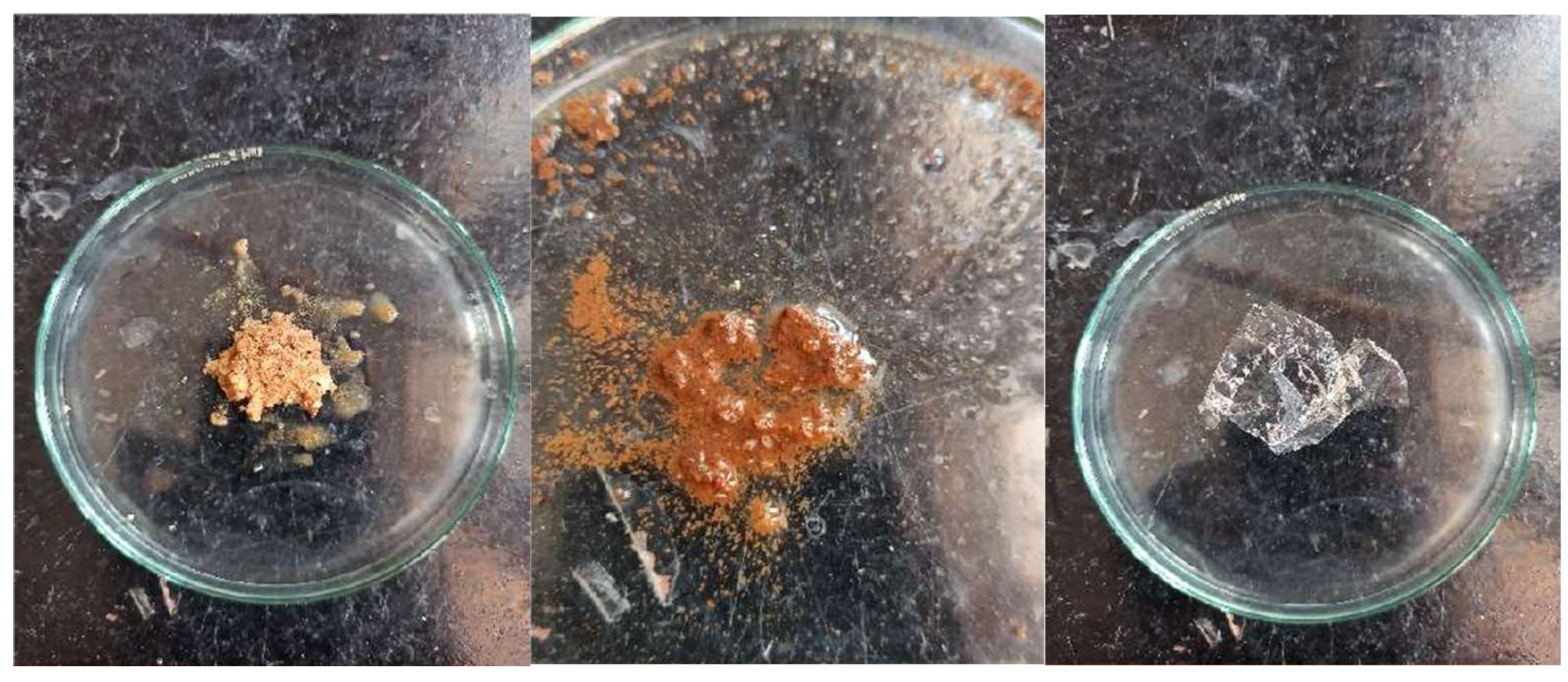
Figure 24.
Comparitive weight loss of samples after short-term biodegradation analysis in soil.
Disclaimer/Publisher’s Note: The statements, opinions and data contained in all publications are solely those of the individual author(s) and contributor(s) and not of MDPI and/or the editor(s). MDPI and/or the editor(s) disclaim responsibility for any injury to people or property resulting from any ideas, methods, instructions or products referred to in the content. |
© 2025 by the authors. Licensee MDPI, Basel, Switzerland. This article is an open access article distributed under the terms and conditions of the Creative Commons Attribution (CC BY) license (http://creativecommons.org/licenses/by/4.0/).
Copyright: This open access article is published under a Creative Commons CC BY 4.0 license, which permit the free download, distribution, and reuse, provided that the author and preprint are cited in any reuse.


