

Submitted:
19 December 2024
Posted:
20 December 2024
You are already at the latest version
Abstract
One of the primary focal points is the critical evaluation of the role that prescribed burning plays in temperate and boreal forests. The significance of understanding the intricate interplay between human intervention and natural processes in these ecosystems. While non-intervention strategies are often heralded as the optimal approach for preserving biodiversity, it is crucial to recognize the pivotal role that wildfires, both naturally occurring and prescribed, play in shaping and maintaining the robustness of forest ecosystems. This study a scoping review aims to explore in-depth the intricate and multifaceted relationship between forest wildfire protection and biodiversity conservation strategies, delving into the complexities and nuances that exist within this crucial field. This comprehensive examination draws insights into recent scholarly contributions, encompassing a diverse range of perspectives and methodologies to provide a holistic understanding. Relationship between forest wildfire management and biodiversity conservation, highlighting the necessity for adaptive strategies that incorporate both scientific insights and traditional ecological knowledge. In conclusion, the literature collectively underscores the critical need to re-evaluate current fire management practices to enhance biodiversity outcomes during the climate crisis. The integration of scientific insights with Indigenous fire stewardship presents a promising pathway for fostering resilient forest ecosystems and promoting biodiversity conservation.
Keywords:
Biodiversity Conservation
; Ecological Restoration
; Forest Wildfire
; Global Strategies
; Climate Crisis
1. Introduction
Wildfire is an ancient and natural process that shapes the structure and function of nearly every ecosystem on Earth[1]. It plays a crucial role in maintaining ecosystem health and promoting biodiversity, in recent years, there have been significant changes in land use patterns, coupled with the effects of climate change such as increasing drought and temperatures[2]. These changes are leading to a dramatic increase in the frequency and intensity of wildfires, pushing them to unprecedented levels[3]. The impacts of these larger and more severe wildfires are being felt across the globe, all ecosystems are experiencing a rise in the occurrence of uncontrollable fires, posing challenges to indigenous communities, fire management groups, and land managers[4,5]. As a result, there is a growing need to balance the conservation of biodiversity with the protection of human assets from wildfires[6]. Understanding the intricate interactions between fire management strategies and the conservation of biodiversity is of utmost importance, the efforts are being made by national and global communities to develop a new approach to fire management that takes into account the preservation of native species and their habitats[7].
This includes incorporating traditional knowledge and practices from Indigenous people, who have long possessed valuable insights into sustainable fire management, and native species conservation, we can work towards ensuring the long-term health and resilience of our ecosystems[8]. This involves implementing active fire management techniques, such as controlled burns, which can help reduce the risk of uncontrolled wildfires it is crucial to protect and conserve the biota in managed flammable systems, safeguarding not only the biodiversity but also the cultural heritage tied to these ecosystems[2,4,9]. As we navigate the challenges posed by changing landscapes and a warming climate, it is critical to prioritize the preservation of our natural heritage, efforts between diverse stakeholders, including indigenous communities, fire management groups, and land managers, will be essential in finding sustainable solutions[9,10].
Through shared knowledge and innovative approaches, we can better safeguard our ecosystems, mitigating the devastating impacts of wildfires while nurturing the delicate balance between human needs and the natural world[5,10]. To mitigate the impacts on biodiversity, environmental leaders should consider implementing a variety of burning options to address the challenges posed by unplanned ignitions in a changing climate[19,20]. There is a growing concern in scientific literature and the media about the rise in forest wildfires. In the past, local communities have recognized the importance of controlling these fires and have implemented various strategies to do so[21].
With industrialization, forest management began to view fire as a hazard and restricted human intervention, the devastating effects of wildfires on society led to a reevaluation of this approach and a more flexible societal approach to fire management was adopted, allowing some fires to burn for community safety[22,23]. Most recent forest fires are believed to be a result of human activities, such as campfires, discarded cigarettes, burning of plants, and use of fire for hunting, military activities, and farming[23].
Fragmentation and simplification of wild forest ecosystems have made them more susceptible to fire, along with the reduction of biodiversity[24]. Wild land species tend to suffer reduced yield losses, highlighting the pivotal role of biodiversity in ecosystem stability, due to the increasing occurrence and intensity of forest fires globally, new strategic approaches are needed to minimize damages and conserve biodiversity[25]. Climate change, climate variability, and the increasing vulnerability of urban interfaces have made forest fires a pressing global problem, and it is essential to integrate wildfire risk reduction goals into policies, plans, and activities of various stakeholders, including agricultural and forest land management agencies, private contractors, and residents in wildland-urban interfaces[26,27].
Collaboration among these stakeholders and agencies is crucial for successful forest fire management[28]. Globalization has also increased the risk of expanding forest wildfires, as warned in scientific literature[29,30]. This study is a scoping review of the global adoption of joint fire and biodiversity strategies and collected examples from different regions. This review emphasized the urgent need for countries to allocate their fire management resources more effectively to reduce the risk of major wildfires and their consequences. The study aims to show that rapid response and suppression strategies are not suitable for managing wildfires at a landscape scale, and the increasing demands of fires are consuming significant resources, impacting both nature conservation and economic potential. The scope of this study is to improve the importance of Cost-effective approaches such as fuel reduction management prioritized over extensive resources for full preparedness programs, and traditional joint fire and biodiversity strategies should be incorporated into prevention efforts to reduce severe wildfires.
2. Materials and Methods
2.1. Methodology
The focus of this scoping review is to synthesize current research regarding how forest wildfires are managed to protect biodiversit. In particular, the scoping review will focus on wildfires that occur in forests, scrublands, marquis, and other wild land areas, including peat lands and savannah, since these comprise the majority of wildfires. Although recognized as an important phenomenon, the review will not cover house and industrial fires. Wildfires can be started or exacerbated by both human and natural sources. The review is not limited to specific conservation strategies, and the objectives are focused on how wildfires themselves can be used as conservation tools, which also have the potential to drive negative impacts on biodiversity.
The aim of the review is to 'map' the current evidence and to present overviews of the current evidence to identify gaps in the literature and the future research's needs. This scoping review of the literature included a thorough and relevant investigation of past research available through electronic databases, including publications and studies from international scientific organizations. An assortment of databases and resources from WHO, UNDP, Copernicus, NACo/EDGE, NASA, and also collect the Global included Local Governments Gazettes, Regulations, Documents, International reports, and data, including articles, and papers from, EBSCO, EMBASE, CINAHL, Scopus, Science Direct, Web of Science, and Google Scholar. The design of the study is a scoping review of the literature using a variety of analysis techniques included in the mixed methods review.
2.2. Materials and Technique:
The following requirements must be met:
- 1)
- Every study must have been published in a peer-reviewed journal.
- 2)
- All of the included studies, and reports were written in English.
- 3)
- All of the examined studies included sample studies of the Methodology in Global Perspectives on Forest Wildfire Protection and Biodiversity Conservation Strategies
The Inclusion criteria for the scoping review study:
- i)
- The included studies, and reports evaluated the measures reported for environmental, Forest Wildfire Protection and Biodiversity Conservation Strategies, and Ecosystems Climate Crisis aspects.
- ii)
- The included articles, report, proceedings, and conference papers evaluated aspects of Forest Wildfire, Biodiversity Strategies, and their effects.
- iii)
- All the keywords of the title study's, research on the literature.
The exclusion criteria for the scoping review study:
- i)
- English is the only language used in the study.
- ii)
- Studies using a sample of Forest Wildfire and other Kind of Fires were excluded.
- iii)
- All authors participated equally in all stages and steps of the study.
The histogram at Figure 1 shows the frequency and the number of database studies and reports that were used. Figure 2 shows the PRISMA guidelines [31], and a flow chart diagram, which incorporates all of the proceeding papers, Local government gazettes, regulations articles, reviews, and reports included in this study's literature.
3. Results
3.1. Diversity Wildfire Forest Analyzing Data
This study estimated biodiversity in forest fire-prone sites and natural forests, analyzing data for species response and calculating the Importance Value Index (IVI). Herb data was also analyzed for frequency and dominance. The Shannon-Wiener diversity index used mathematical calculations measures [32]. The following mathematical formula is used to calculate the diversity index by the following formula:
H =-Σ s/i=1 PilnPi
When (H) is the diversity of species, (S) is the number of species, and (Pi) is the fraction of individuals in the whole sample who belong to the (i) species. This index considers both the quantity and the relative abundance of species.
The Climate Crisis and extreme weather events are predicted to become more common in the future, raising the possibility of unprecedented climatic extremes or record-breaking catastrophes. Extreme heat waves and droughts have a significant impact on ecosystem stability and carbon cycling because they cause increased plant mortality and delay ecosystem recovery[33]. Figure 3 shows the exploring the impacts of unprecedented climate extremes on forest ecosystems.
3.2. Understanding Forest Wildfires
Wildfires are influenced by ecological, climatic, institutional, and socio-economic factors, resulting in varying perspectives on the subject[34,35,36,37,38]. Biodiversity encompasses the breadth of life forms on Earth, including plants, animals, microorganisms, their genetic composition, and the ecosystems they form[2,39]. The study's approach considers ecological, social, and economic perspectives to define biodiversity and evaluate the management of natural ecosystems for preserving biodiversity[40]. Throughout the review, we assess the strengths and limitations of the research[40,41]. Despite a scarcity of published material on forests, wildfires, and conservation, we aim to offer a comprehensive overview of wildfires and their management in relation to biodiversity[42].
Forest wildfires are an important ecological process that permanently shape plant communities that require fire for seed germination and sapling growth, the link between land use and climatic change is accentuating the intensity and frequency of forest fires[43,44]. Some of the main factors inducing or contributing to the ignition of forest fires include accidents resulting from lightning on rainy days, debris burning, barbecues, car crashes, power lines, arson, hyperthermias, military activities, rallies, sabotage, and fireworks[45,46]. Wildfires have immediate and long-term effects on ecosystem health, they are also relevant for the conservation of biodiversity, the primary effects of wildfire on the environment include the combustion of biomass[9]. Changes in weather, release of carbon and nutrient matter to the atmosphere, impacts on local climate, irreversible destruction of soil seed and spore banks, and effects on water quality and quantity[34,47]. Wildfires cause changes in the ecosystem structure and function, transformations in the landscape configuration, and fragmentation, hence altering the ecosystem dynamics and the environmental services land provides to humans[8,47]. Besides ecological effects, the health and economies of forest-dependent people are also affected[17,49]. Wild land fires, indicating that fires are actual examples of social-ecological systems and human-environmental systems, management strategy and social response, along with the efforts of public fire services and science, also involve aspects of ethics and culture, the general behavioural pattern of wildfire is inherently unpredictable, and its complexity is tightly linked to several factors and their interactions[50,51]. Figure 4 shows the study's correlations and association of the social-ecological systems risk factors.
3.3. Causes and Impacts
Nature may extend the wildfire period with relatively strong winds, one of those factors combines with severe drought conditions, the forest may burn so violently that not all seeding has a chance to replicate[52,53,54]. Consequently, the area could be directly colonized by pioneers, enhancing the useful diversity resulting from greater genetic drift[55,56]. Human-related activities also cause wildfires, changes in the use of natural resources or land use and neglect may promote fires in particular habitats, facilitating fire distribution and boosting fire intensity[57,58,59]. Wildfires have a significant impact on ecosystems, especially when it comes to altering or destroying habitats[1,60]. This poses a serious threat to biodiversity, small-scale fires can be beneficial in some healthy ecosystems, they are generally not enough to support species that depend on fire[44,61].
The increased fragmentation and loss of habitat that result from wildfires often lead to further reduction of species[2,46,62]. The changes to the landscape caused by fires can also impact the distribution of species and vegetation, leading to shifts in population sizes and displacement of certain species[5,63]. The extent and quality of areas affected by fires can also influence the composition of plant species in an area, with some plants being unable to recover from the damage caused by the fires can even lead to the complete loss of entire plant populations, resulting in the elimination of species[64].
3.4. Current Challenges
The current management of wildfires is insufficient and ill-prepared to address the challenges of the future in order to effectively preserve ecosystem services and safeguard people and human-made values[65]. Climate Change factors, such as higher average temperatures, heat waves, induced drought, increased frost, and thaw incidents, heightened evapotranspiration, alterations in precipitation and runoff patterns in both mountainous and flat regions[45,61]. Significantly contribute to the frequency of wildfires and the severe impacts they can have on ecosystems[66]. Forestry, integrated risk, and watershed management play a crucial role in reducing the frequency and intensity of wildfires, as well as their vulnerability and effects on ecosystems[67]. Unfortunately, current wildfire management does not receive adequate attention from decision-makers at the national policy level, in legislation, or from the scientific research community compared to other major natural disasters like flooding and earthquakes[68]. There are known effective methods for preventing wildfires, including accurate ignition predictions and lightning alert networks, reducing fine fuel near residences and settlements, and implementing controlled prescribed burning with the involvement of local communities and volunteers[54,69]. The challenge is to prevent communities from burning and to facilitate safer burning practices, considering factors such as temperature, wind direction, and smoke dispersion speed[69,70]. Restructuring and refining future fire and health strategies to adopt a multi-risk-based management approach, which integrates socio-economic and environmental trade-offs, would help enhance the resilience of human well-being, society, and ecosystems for better protection of biodiversity[20,71].
3.5. Biodiversity Conservation in Forest Ecosystems
Understanding previous research on biodiversity in natural forest ecosystems is necessary to develop appropriate and up-to-date forest management strategies, from intrinsic and moral arguments to conservation and management of lands, biodiversity actually plays a fundamental role in forest ecosystems[72]. Biodiversity is crucial for the functioning, health, and resilience of ecosystems it contributes significantly to ecosystem productivity, stability, and sustainability, its effects on ecosystem services are both direct[69]. Indirect, and it influences territorial dynamics, the potential for forest certification, and the tourism and recreation associated with the exploitation and consumption of forest products[73,74. Preserving biodiversity means firstly setting up appropriate indicators to measure its status in the ecosystem in order to propose appropriate strategies for biodiversity conservation functions and services[75]. Three metrics facilitate the quantification of different types of biological diversity in order to draw up more exhaustive biodiversity assessments, genetic diversity is vital for the ability of local populations to adapt to changes in the environment[76]. Factors, both historical and contemporary, can negatively impact the genetic resilience of tree populations, so it's important for forest management practices to prioritize the conservation of genetic diversity[77]. Crucial for effectively managing forests for genetic conservation, and the vulnerability of tree species and other life forms impact ecosystems, which in turn affects agricultural operations[78]. Cork oak forests, it's important to assess various biodiversity characteristics and indicators, such as tree age, density, and the quality of soil microorganisms[75,79]. In Mediterranean ecosystems that have been influenced by human activity, the diversity of the dominant tree species provides important ecosystem services[76,80]. A more diversified ecosystem and landscape can enhance resilience and facilitate recovery after a fire, tools that serve multiple functions, as this will contribute to the resilience of agricultural economy, investments should be supported by policy actions and should be valued by society[77,81].
3.6. Importance of Biodiversity, and Existing Wildfire Protection
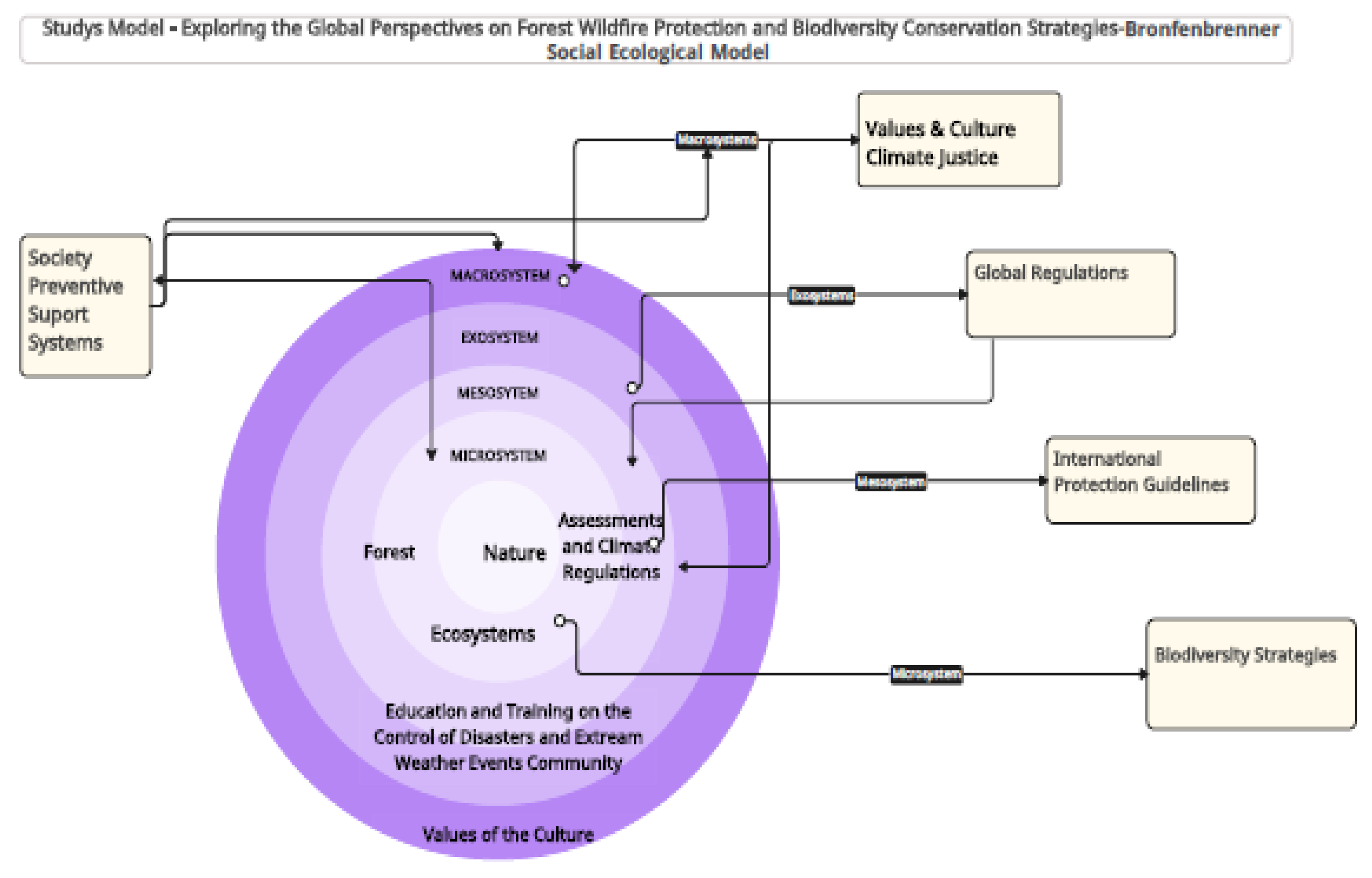
Biodiversity is a key factor in the development of healthy and adaptable forest ecosystems. Ecosystem resilience can be seen in the context of maintaining biodiversity, the diverse species composition of forests can function as an ecosystem with a high adaptive capability through different environmental conditions[82,83]. The functions of diverse forest ecosystems are also visible in the various chains of living things from one place, both in the ground, in the trees, and in interaction with animals and humans[84,85]. These various unspoiled series of species can provide natural services to human life, such as soil fertility[86], good water infiltration for available clean groundwater, vegetation for stabilizing soil and reducing land and mudslides[87], water buffers, and biodiversity reservoirs, as well as being a store of biological diversity[87,88,89,90,91]. The Figure 5 shows holistic hypothesis of studies correlations and assessments of the exploring the Global perspectives on Forest wildfire protection and Biodiversity conservation strategies.
4. Discussion
From the importance of combining local and international policies for better management strategies to the challenges of doing so discuss how wildfire prevention policies can impact biodiversity based on real-life experiences in different areas and how this ties into global policy[92,93,94,95,96,97,98,99,100,101,102,103,104,105,106]. The local communities have limited influence on forestry practices, while others stress the importance of involving professionals like fire departments, NGOs, and private individuals[94,107,108]. Cooperation between local and professional fire departments, along with a community-wide approach, is highlighted in some studies[109], while others emphasize the need for effective communication and knowledge sharing between residents[110], politicians, and land managers for better wildfire protection[93,111]. Address public concerns about prescribed fires[95,112], emphasizing the importance of education, understanding, and engaging with the public, and the communities[113,114]. Local to global policy and legal frameworks in various parts of the world, must continue to support the full integration of wildfire protection and professional fire departments into biodiversity conservation planning, policy, and practice[96,115]. Majority of policy frameworks[10], evidence of their practical application, focus predominantly on either fire prevention, suppression[14,97], and hazard reduction by professionals or on biodiversity conservation through reducing fire frequency, inroads[6,98], or area, usually in unison with reducing other drivers of unsuitable disturbance[45,99,100]. Consequently, while these policies and legal frameworks, including their subsequent legislation[101,102,116], influence and may support the use of many different non-industrial land management practices to achieve various goals of biodiversity conservation by promoting, for example[103,117], traditional management, recycling, and grazing, wildfire protection practiced at local or land management levels is not specifically designed to support the creation of strong co-benefits, outcomes, and indicators that meet both sets of goals[104,116,118. However, such joint-focused outcomes and indicators linking wildfire protection to biodiversity conservation have been developed at different spatial levels, in other policy frameworks, and in formal conservation agreements[105,106,119]. Studies that evaluated practices reported that active fire management intervention is currently non-existent or[120], at best, poorly developed in terms of its wider use in contributing to sustained biodiversity conservation of threatened fire-dependent species[121,122,123,124]. Wild land fire science, clear results improve the way conservation and sustainable use are planned on the landscape[125,126]. Community led initiatives are especially important in Africa[127], as in these countries a prevalence of subsistence agriculture exists[128,129]. In Canada, a well-coordinated plan involving academic institutions, government partners[130,131], and stakeholders was put into action at three different sites to showcase a variety of forest ownership[132], wild land-urban interface status, forest management history, cultural uses, socio-economic values, and ecological features[133]. This initiative, led by natural resources communities in partnership with a small team of professionals, continues to show progress through its integrated approach[134]. In the small forested communities of Shuswap and Cranbrook, British Columbia, both a significant hazard reduction event and a field session with fire managers[135], natural resource professionals, community members, and the public have highlighted successful collaborative conservation efforts in the Columbia Basin landscape and the Kootenay Rocky Mountain Trench[136,137]. A comprehensive report assessing the results and potential of adaptive management has also been finalized, leading to a new vision, values for change, and commitments in Perspectives on Forest Wildfire Protection and Biodiversity[138,139,140,141]. Public health inspections and medical supplies play a critical role in preventing and support staffs providing healthcare services, wildfires and embracing perspectives on climate and ecosystems protection and biodiversity conservation strategies[142,143,144,145,146,147,148]. All facilities and educational institutes provide in-depth training on physical disasters and extreme weather events, as well as promoting and protecting public health, particularly during the Pandemic COVID-19 minimized the phenomenon, and increase on the Climate Crisis [2,87,149,150,151,152,153].
5. Conclusions
This study outlines the scale, approach, and details of what researchers are studying and where the knowledge and practice gaps may lie unnoticed. Emerging research in various countries held voice in this review and indicated a potential need for integrative research approaches. To enable advancement in this field, emphasis entails four major avenues. First, we need to improve understanding of the socio-cultural, economic, and ethical aspects within conservation and contiguous fields. Second, opportunities exist to address the widely unexplored entry points of tourism, sacred natural sites, pollution, and indigenous and locally adapted fire regimes. Thirdly, community-engaged and co-created research strategies may foster tolerance, wise adaptation, increase understanding, and positive management behaviors among land managers and the broader public. Finally, fourth, to enable regional scale or larger trends, need to foster research that utilizes landscape-scale and whole-of-jurisdiction approaches. While extensive and all providing relevant guidance, all literature search of this study individually highlights that this is never something that can be maintained or controlled for an extended period—fire is a formidable force with variability in a changing world, during the emergency environmental age of Climate Crisis. This study offered positive insights to some of the extraordinary nuanced field forward. The review returns a concerning yet hopeful message about the state of research today. Increasing global interdisciplinary research on biodiversity conservation in forest wildfire landscapes that are complex and multi-learning generations is essential and urgent. Until this is focused on increased, the way forward is uncertain and carries potential dangers, provided a systematic map of scientific and academic articles relevant to researchers, planners, and policymakers in the field of wildfire protection and biodiversity conservation.
Author Contributions
Conceptualization, N.S.,A.K., and I.A.; methodology, A.K., L.D., N.S. and I.A.; software, N.S.,A.K. and I.A.; validation, L.D., and I.A.; formal analysis, N.S. and I.A.; investigation, L.D.,A.K., N.S. and I.A.; resources, N.S. and I.A.; data curation, A.K., N.S. and I.A.; writing—original draft preparation, A.K., L.D., N.S. and I.A.; writing—review and editing, A.K., L.D. N.S. and I.A.; visualization, A.K. and N.S.; supervision, L.D. and I.A.; project administration, I.A.; funding acquisition, I.A. All authors have read and agreed to the published version of the manuscript.
Funding
This research received no external funding.
Institutional Review Board Statement
Not applicable.
Informed Consent Statement
Not applicable.
Data Availability Statement
Not applicable.
Acknowledgments
The authors are appreciated and are grateful for invitation from the Editors.
Conflicts of Interest
The authors declare no conflicts of interest.
References
- Geraskina, A.P.; Tebenkova, D.N.; Ershov, D.V.; Ruchinskaya, E.V.; Sibirtseva, N.V.; Lukina, N.V. WILDFIRES AS A FACTOR OF LOSS OF BIODIVERSITYAND FOREST ECOSYSTEM FUNCTIONS. Вoпрoсы леснoй науки. 2022, 5, 1–70. [Google Scholar]
- Mansoor, S.; Farooq, I.; Kachroo, M.M.; Mahmoud, A.E.; Fawzy, M.; Popescu, S.M.; Alyemeni, M.N.; Sonne, C.; Rinklebe, J.; Ahmad, P. Elevation in wildfire frequencies with respect to the climate change. Journal of Environmental management. 2022, 301, 113769. [Google Scholar] [CrossRef] [PubMed]
- Nizamani, M.M.; Hughes, A.C.; Qureshi, S.; Zhang, Q.; Tarafder, E.; Das, D.; Acharya, K.; Wang, Y.; Zhang, Z.G. Microbial biodiversity and plant functional trait interactions in multifunctional ecosystems. Applied Soil Ecology. 2024, 201, 105515. [Google Scholar] [CrossRef]
- Pedrinho, A.; Mendes, L.W.; de Araujo Pereira, A.P.; Araujo, A.S.; Vaishnav, A.; Karpouzas, D.G.; Singh, B.K. Soil microbial diversity plays an important role in resisting and restoring degraded ecosystems. Plant and Soil. 2024, 1–25. [Google Scholar] [CrossRef]
- Bhambri, P.; Kautish, S. Technological advancements in promoting ecosystem health. In Digital Technologies to Implement the UN Sustainable Development Goals 2024 Sep 17; Springer Nature Switzerland: Cham; pp. 413–432.
- Calhoun, K.L.; Chapman, M.; Tubbesing, C.; McInturff, A.; Gaynor, K.M.; Van Scoyoc, A.; Wilkinson, C.E.; Parker-Shames, P.; Kurz, D.; Brashares, J. Spatial overlap of wildfire and biodiversity in California highlights gap in non-conifer fire research and management. Diversity and Distributions. 2022, 28, 529–541. [Google Scholar] [CrossRef]
- Kalita, H.; Das, K. Chapter-4 Exploring the Ecological Role of Insects in Biodiversity and Ecosystems. Advances in Entomology. 2023.
- O'Gorman, C.J.; Bentley, L.P.; McKay, C.; Purser, M.; Everly, K.M. Examining abiotic and biotic factors influencing specimen black oaks (Quercus kelloggii) in northern California to reimplement traditional ecological knowledge and promote ecosystem resilience post-wildfire. Ecology and Society 2022, 27. [Google Scholar] [CrossRef]
- Guo, Y.; Hai, Q.; Bayarsaikhan, S. Utilizing Deep Learning and Spatial Analysis for Accurate Forest Fire Occurrence Forecasting in the Central Region of China. Forests. 2024. [CrossRef]
- Chowdhury, R.; Talukder, B.; Basta, P.C.; Olivero-Verbel, J.; Polson-Edwards, K.; Galvao, L.; Espinal, C. Saving the Amazon in South America by a regional approach on climate change: the need to consider the health perspective. The Lancet Global Health. 2024, 12, e913–e915. [Google Scholar] [CrossRef]
- Calkin, D.E.; O'Connor, C.D.; Thompson, M.P.; Stratton, R.D. Strategic wildfire response decision support and the risk management assistance program. Forests. 2021. [CrossRef]
- Hai, J.; Zhang, L.; Gao, C.; Wang, H.; et al. How does fire suppression alter the wildfire regime? A systematic review. Fire 2023. [Google Scholar] [CrossRef]
- Noonan-Wright, E.; Seielstad, C. Wildfire Management Strategy and Its Relation to Operational Risk. Journal of Forestry. 2024. [CrossRef]
- Fenton, J. Developing Community Resilience to Wildfire Through Emergency Response Management. 2021. [Google Scholar]
- Suarez, D.; Gomez, C.; Medaglia, A.L.; Akhavan-Tabatabaei, R.; Grajales, S. Integrated decision support for disaster risk management: Aiding preparedness and response decisions in wildfire management. Information Systems Research. 2024 Mar 12.
- Hessburg, P.F.; Prichard, S.J.; Hagmann, R.K.; Povak, N.A.; Lake, F.K. Wildfire and climate change adaptation of western North American forests: a case for intentional management. Ecological applications. 2021, 31, e02432. [Google Scholar] [CrossRef] [PubMed]
- Marshall, E.; Elliot-Kerr, S.; McColl-Gausden, S.C.; Penman, T.D. Costs of preventing and supressing wildfires in Victoria, Australia. Journal of environmental management. 2023, 344, 118606. [Google Scholar] [CrossRef]
- DellaSala, D.A.; Baker, B.C.; Hanson, C.T.; Ruediger, L.; Baker, W. Have western USA fire suppression and megafire active management approaches become a contemporary Sisyphus? . Biological Conservation. 2022, 268, 109499. [Google Scholar] [CrossRef]
- Plantinga, A.J.; Walsh, R.; Wibbenmeyer, M. Priorities and effectiveness in wildfire management: evidence from fire spread in the western United States. Journal of the Association of Environmental and Resource Economists. 2022, 9, 603–639. [Google Scholar] [CrossRef]
- Fillmore, S.D. Towards a Theory of Default Suppression: Decision Making in the Context of Full Suppression and Managed Wildfires on Federal Lands, USA. 2023.
- Pinto, G.A.; Rousseu, F.; Niklasson, M.; Drobyshev, I. Effects of human-related and biotic landscape features on the occurrence and size of modern forest fires in Sweden. Agricultural and Forest Meteorology. 2020, 291, 108084. [Google Scholar] [CrossRef]
- Pausas, J.G.; Keeley, J.E. Wildfires and global change. Frontiers in Ecology and the Environment. 2021, 19, 387–395. [Google Scholar] [CrossRef]
- Abid, F. A survey of machine learning algorithms based forest fires prediction and detection systems. Fire technology. 2021. [CrossRef]
- Tariq, A.; Shu, H.; Siddiqui, S.; Munir, I.; Sharifi, A.; Li, Q.; Lu, L. Spatio-temporal analysis of forest fire events in the Margalla Hills, Islamabad, Pakistan using socio-economic and environmental variable data with machine learning methods. Journal of Forestry Research. 2022, 33, 183–194. [Google Scholar] [CrossRef]
- Alkhatib, A.A.; Abdelal, Q.; Kanan, T. Wireless Sensor Network for Forest Fire Detection and behavior Analysis. International Journal of Advances in Soft Computing & Its Applications 2021, 13. [Google Scholar]
- Goldstein, J.E.; Graham, L.; Ansori, S.; Vetrita, Y.; Thomas, A.; Applegate, G.; Vayda, A.P.; Saharjo, B.H.; Cochrane, M.A. Beyond slash-and-burn: The roles of human activities, altered hydrology and fuels in peat fires in Central Kalimantan, Indonesia. Singapore Journal of Tropical Geography. 2020, 41, 190–208. [Google Scholar] [CrossRef]
- Ivanova, S.; Prosekov, A.; Kaledin, A. A survey on monitoring of wild animals during fires using drones. Fire. 2022. [CrossRef]
- Dampage, U.; Bandaranayake, L.; Wanasinghe, R.; Kottahachchi, K.; Jayasanka, B. Forest fire detection system using wireless sensor networks and machine learning. Scientific reports. 2022, 12, 46. [Google Scholar] [CrossRef]
- Marques, J.F.; Alves, M.B.; Silveira, C.F.; e Silva, A.A.; Silva, T.A.; Dos Santos, V.J.; Calijuri, M.L. Fires dynamics in the Pantanal: Impacts of anthropogenic activities and climate change. Journal of Environmental Management. 2021, 299, 113586. [Google Scholar] [CrossRef]
- Krikken, F.; Lehner, F.; Haustein, K.; Drobyshev, I.; van Oldenborgh, G.J. Attribution of the role of climate change in the forest fires in Sweden 2018. Natural Hazards and Earth System Sciences. 2021, 21, 2169–2179. [Google Scholar] [CrossRef]
- Page, M.J.; McKenzie, J.E.; Bossuyt, P.M.; Boutron, I.; Hoffmann, T.C.; Mulrow, C.D.; et al. The PRISMA 2020 statement: an updated guideline for reporting systematic reviews. BMJ 2021, 372, n71. [Google Scholar] [CrossRef] [PubMed]
- Nolan, K.A.; Callahan, J.E. Beachcomber biology: The Shannon-Weiner Species Diversity Index. Pages 334-338, in Tested Studies for Laboratory Teaching, Volume 27 (M.A. O'Donnell, Editor). Proceedings of the 27th Workshop/Conference of the Association for Biology Laboratory Education (ABLE), 383 pages. 2006. [Google Scholar]
- Holm, J. A.; Medvigy, D. M.; Smith, B.; Dukes, J. S.; Beier, C.; Mishurov, M.; Xu, X.; Lichstein, J. W.; Allen, C. D.; Larsen, K. S.; Luo, Y.; Ficken, C.; Pockman, W. T.; Anderegg, W. R. L.; Rammig, A. Exploring the impacts of unprecedented climate extremes on forest ecosystems: hypotheses to guide modeling and experimental studies. Biogeosciences 2023, 20, 2117–2142. [Google Scholar] [CrossRef]
- Burke, M.; Driscoll, A.; Heft-Neal, S.; Xue, J.; Burney, J.; Wara, M. The changing risk and burden of wildfire in the United States. Proceedings of the National Academy of Sciences. 2021, 118, e2011048118. [Google Scholar] [CrossRef] [PubMed]
- Cunningham, C.X.; Williamson, G.J.; Bowman, D.M. Increasing frequency and intensity of the most extreme wildfires on Earth. Nature ecology & evolution. 2024, 8, 1420–1425. [Google Scholar]
- Bowman, D.M.; Kolden, C.A.; Abatzoglou, J.T.; Johnston, F.H.; van der Werf, G.R.; Flannigan, M. Vegetation fires in the Anthropocene. Nature Reviews Earth & Environment. 2020, 1, 500–515. [Google Scholar]
- Chen, B.; Jin, Y. Spatial patterns and drivers for wildfire ignitions in California. Environmental Research Letters. 2022. [CrossRef]
- Kalogiannidis, S.; Chatzitheodoridis, F.; Kalfas, D.; Patitsa, C.; Papagrigoriou, A. Socio-psychological, economic and environmental effects of forest fires. Fire. 2023, 6, 280. [Google Scholar] [CrossRef]
- de Diego, J.; Fernández, M.; Rúa, A.; Kline, J.D. Examining socioeconomic factors associated with wildfire occurrence and burned area in Galicia (Spain) using spatial and temporal data. Fire Ecology 2023. [Google Scholar] [CrossRef]
- Romagnoli, F.; Masiero, M.; Secco, L. Windstorm Impacts on Forest-Related Socio-Ecological Systems: An Analysis from a Socio-Economic and Institutional Perspective. Forests. 2022. [CrossRef]
- Kirillina, K.; Shvetsov, E.G.; Protopopova, V.V.; Thiesmeyer, L.; Yan, W. Consideration of anthropogenic factors in boreal forest fire regime changes during rapid socio-economic development: case study of forestry districts with increasing burnt area in the Sakha Republic, Russia. Environmental Research Letters. 2020, 15, 035009. [Google Scholar] [CrossRef]
- Tedim, F.; Leone, V. The dilemma of wildfire definition: What it reveals and what it implies. Frontiers in forests and global change. 2020. [CrossRef]
- Pereira, P.; Bogunovic, I.; Zhao, W.; Barcelo, D. Short-term effect of wildfires and prescribed fires on ecosystem services. Current Opinion in Environmental Science & Health. 2021, 22, 100266. [Google Scholar]
- Haque, M.K.; Azad, M.A.; Hossain, M.Y.; Ahmed, T.; Uddin, M.; Hossain, M.M. Wildfire in Australia during 2019-2020, Its impact on health, biodiversity and environment with some proposals for risk management: a review. Journal of Environmental Protection. 2021, 12, 391–414. [Google Scholar] [CrossRef]
- Garcia, L.C.; Szabo, J.K.; de Oliveira Roque, F.; Pereira, A.D.; da Cunha, C.N.; Damasceno-Júnior, G.A.; Morato, R.G.; Tomas, W.M.; Libonati, R.; Ribeiro, D.B. Record-breaking wildfires in the world's largest continuous tropical wetland: Integrative fire management is urgently needed for both biodiversity and humans. Journal of environmental management. 2021, 293, 112870. [Google Scholar] [CrossRef]
- Southwell, D.; Legge, S.; Woinarski, J.; Lindenmayer, D.; Lavery, T.; Wintle, B. Design considerations for rapid biodiversity reconnaissance surveys and long-term monitoring to assess the impact of wildfire. Diversity and Distributions. 2022, 28, 559–570. [Google Scholar] [CrossRef]
- Carmona-Yáñez, M.D.; Francos, M.; Miralles, I.; Soria, R.; Ahangarkolaee, S.S.; Vafaie, E.; Zema, D.A.; Lucas-Borja, M.E. Short-term impacts of wildfire and post-fire mulching on ecosystem multifunctionality in a semi-arid pine forest. Forest Ecology and Management. 2023, 541, 121000. [Google Scholar] [CrossRef]
- Baranowski, K.; Faust, C.; Eby, P.; Bharti, N. Quantifying the impact of severe bushfires on biodiversity to inform conservation. Global Ecology and Conservation. 2020, 27, e01566. [Google Scholar] [CrossRef]
- Dawe, D.A.; Parisien, M.A.; Boulanger, Y.; Boucher, J.; Beauchemin, A.; Arseneault, D. Short-and long-term wildfire threat when adapting infrastructure for wildlife conservation in the boreal forest. Ecological Applications. 2022, 32, e2606. [Google Scholar] [CrossRef] [PubMed]
- Gao, T.; Zhao, C.; Fornacca, D.; Wang, R.; Xiao, W. Effects of wildfire on bird diversity in a Pinus yunnanensis forest. Forest Ecology and Management. 2024, 565, 122021. [Google Scholar] [CrossRef]
- Hoffman, K.M.; Davis, E.L.; Wickham, S.B.; Schang, K.; Johnson, A.; Larking, T.; Lauriault, P.N.; Quynh Le, N.; Swerdfager, E.; Trant, A.J. Conservation of Earth’s biodiversity is embedded in Indigenous fire stewardship. Proceedings of the National Academy of Sciences. 2021, 118, e2105073118. [Google Scholar] [CrossRef] [PubMed]
- Jaafari, A.; Rahmati, O.; Zenner, E.K.; Mafi-Gholami, D. Anthropogenic activities amplify wildfire occurrence in the Zagros eco-region of western Iran. Natural Hazards. 2022. [CrossRef]
- Liu, M.; Yang, L. Human-caused fires release more carbon than lightning-caused fires in the conterminous United States. Environmental Research Letters. 2020. [CrossRef]
- Sjöström, J.; Granström, A. Human activity and demographics drive the fire regime in a highly developed European boreal region. Fire Safety Journal. 2023. [CrossRef]
- Hao, Q.; Tang, M.; Huang, X.; Zhang, C.; et al. Holocene wildfire regime shifts induced by the enhancement of human activities in the Changjiang (Yangtze River) Basin. Catena 2024. [Google Scholar] [CrossRef]
- Suhardono, S.; Fitria, L.; Suryawan, I.W.; Septiariva, I.Y.; Mulyana, R.; Sari, M.M.; Ulhasanah, N.; Prayogo, W. Human activities and forest fires in Indonesia: An analysis of the Bromo incident and implications for conservation tourism. Trees, Forests and People. 2024, 15, 100509. [Google Scholar] [CrossRef]
- Li, S.; Banerjee, T. Spatial and temporal pattern of wildfires in California from 2000 to 2019. Scientific reports. 2021. [CrossRef] [PubMed]
- Menezes, L.S.; de Oliveira, A.M.; Santos, F.L.; Russo, A.; de Souza, R.A.; Roque, F.O.; Libonati, R. Lightning patterns in the Pantanal: Untangling natural and anthropogenic-induced wildfires. Science of the total environment. 2022, 820, 153021. [Google Scholar] [CrossRef] [PubMed]
- Hantson, S.; Andela, N.; Goulden, M.L.; Randerson, J.T. Human-ignited fires result in more extreme fire behavior and ecosystem impacts. Nature communications. 2022, 13, 2717. [Google Scholar] [CrossRef]
- Braun, A.C.; Faßnacht, F.; Valencia, D.; Sepulveda, M. Consequences of land-use change and the wildfire disaster of 2017 for the central Chilean biodiversity hotspot. Regional Environmental Change. 2021, 21, 37. [Google Scholar] [CrossRef]
- Driscoll, D.A.; Armenteras, D.; Bennett, A.F.; Brotons, L.; Clarke, M.F.; Doherty, T.S.; Haslem, A.; Kelly, L.T.; Sato, C.F.; Sitters, H.; Aquilué, N. How fire interacts with habitat loss and fragmentation. Biological Reviews. 2021, 96, 976–998. [Google Scholar] [CrossRef]
- Dhyani, S. Are Himalayan ecosystems facing hidden collapse? Assessing the drivers and impacts of change to aid conservation, restoration and conflict resolution challenges. Biodiversity and Conservation. 2023.
- Bianca, L. The Impact of Extreme Climate Events on the American Continent: Causes, Consequences, and Adaptation Strategies. INFLUENCE: INTERNATIONAL JOURNAL OF SCIENCE REVIEW. 2024, 6, 145–152. [Google Scholar]
- Ashman, K.R.; Watchorn, D.J.; Lindenmayer, D.B.; Taylor, M.F. Is Australia’s environmental legislation protecting threatened species? A case study of the national listing of the greater glider. Pacific Conservation Biology. 2021, 28, 277–289. [Google Scholar] [CrossRef]
- Fillmore, S.D.; McCaffrey, S.M.; Smith, A.M.S. A mixed methods literature review and framework for decision factors that may influence the utilization of managed wildfire on federal lands, USA. Fire. 2021. [CrossRef]
- Colavito, M. The human dimensions of spatial, pre-wildfire planning decision support systems: A review of barriers, facilitators, and recommendations. Forests. 2021. [CrossRef]
- Hunter, M.E.; Colavito, M.M.; Wright, V. The use of science in wildland fire management: a review of barriers and facilitators. Current Forestry Reports. 2020. [CrossRef]
- Schultz, C.A.; Miller, L.F.; Greiner, S.M.; Kooistra, C. A Qualitative Study on the US Forest Service's risk management assistance efforts to improve wildfire decision-making. Forests. 2021. [CrossRef]
- Rapp, C.; Rabung, E.; Wilson, R.; Toman, E. Wildfire decision support tools: An exploratory study of use in the United States. International journal of wildland fire. 2020, 29, 581–594. [Google Scholar] [CrossRef]
- Schinko, T.; Berchtold, C.; Handmer, J.; Deubelli-Hwang, T.; Preinfalk, E.; Linnerooth-Bayer, J.; Scolobig, A.; Serra, M.; Plana, E. A framework for considering justice aspects in integrated wildfire risk management. Nature Climate Change. 2023, 13, 788–795. [Google Scholar] [CrossRef]
- Tedim, F.; McCaffrey, S.; Leone, V.; Vazquez-Varela, C.; Depietri, Y.; Buergelt, P.; Lovreglio, R. Supporting a shift in wildfire management from fighting fires to thriving with fires: The need for translational wildfire science. Forest Policy and Economics. 2021, 131, 102565. [Google Scholar] [CrossRef]
- Salgotra, R.K.; Chauhan, B.S. Genetic diversity, conservation, and utilization of plant genetic resources. Genes. 2023. [CrossRef] [PubMed]
- Exposito-Alonso, M.; Booker, T.R.; Czech, L.; Gillespie, L.; Hateley, S.; Kyriazis, C.C.; Lang, P.L.; Leventhal, L.; Nogues-Bravo, D.; Pagowski, V.; Ruffley, M. Genetic diversity loss in the Anthropocene. Science. 2022, 377, 1431–1435. [Google Scholar] [CrossRef]
- Hoban, S.; Bruford, M.; Jackson, J.D.; Lopes-Fernandes, M.; Heuertz, M.; Hohenlohe, P.A.; Paz-Vinas, I.; Sjögren-Gulve, P.; Segelbacher, G.; Vernesi, C.; Aitken, S. Genetic diversity targets and indicators in the CBD post-2020 Global Biodiversity Framework must be improved. Biological Conservation. 2020, 248, 108654. [Google Scholar] [CrossRef]
- Hoban, S.; Bruford, M.W.; Funk, W.C.; Galbusera, P.; Griffith, M.P.; Grueber, C.E.; Heuertz, M.; Hunter, M.E.; Hvilsom, C.; Stroil, B.K.; Kershaw, F. Global commitments to conserving and monitoring genetic diversity are now necessary and feasible. Bioscience. 2021, 71, 964–976. [Google Scholar] [CrossRef]
- De Kort, H.; Prunier, J.G.; Ducatez, S.; Honnay, O.; Baguette, M.; Stevens, V.M.; Blanchet, S. Life history, climate and biogeography interactively affect worldwide genetic diversity of plant and animal populations. Nature Communications. 2021, 12, 516. [Google Scholar] [CrossRef] [PubMed]
- Cortés, A.J.; Restrepo-Montoya, M.; Bedoya-Canas, L.E. Modern strategies to assess and breed forest tree adaptation to changing climate. Frontiers in Plant Science. 2020, 11, 583323. [Google Scholar] [CrossRef] [PubMed]
- Pereira, L.; Mutesa, L.; Tindana, P.; Ramsay, M. African genetic diversity and adaptation inform a precision medicine agenda. Nature Reviews Genetics. 2021. [CrossRef]
- Kardos, M.; Armstrong, E.E.; Fitzpatrick, S.W.; Hauser, S.; Hedrick, P.W.; Miller, J.M.; Tallmon, D.A.; Funk, W.C. The crucial role of genome-wide genetic variation in conservation. Proceedings of the National Academy of Sciences. 2021, 118, e2104642118. [Google Scholar] [CrossRef] [PubMed]
- Theodoridis, S.; Fordham, D.A.; Brown, S.C.; Li, S.; Rahbek, C.; Nogues-Bravo, D. Evolutionary history and past climate change shape the distribution of genetic diversity in terrestrial mammals. Nature communications. 2020, 11, 2557. [Google Scholar] [CrossRef]
- Kitamura, K.; Uchiyama, K.; Ueno, S.; Ishizuka, W.; Tsuyama, I.; Goto, S. Geographical gradients of genetic diversity and differentiation among the southernmost marginal populations of Abies sachalinensis revealed by EST-SSR polymorphism. Forests. 2020, 11, 233. [Google Scholar] [CrossRef]
- Oettel, J.; Lapin, K. Linking forest management and biodiversity indicators to strengthen sustainable forest management in Europe. Ecological Indicators. 2021. [CrossRef]
- Hansen, A.J.; Noble, B.P.; Veneros, J.; East, A.; Goetz, S.J.; Supples, C.; Watson, J.E.; Jantz, P.A.; Pillay, R.; Jetz, W.; Ferrier, S. Toward monitoring forest ecosystem integrity within the post-2020 Global Biodiversity Framework. Conservation Letters. 2021, 14, e12822. [Google Scholar] [CrossRef]
- Verma, A.K. Influence of climate change on balanced ecosystem, biodiversity and sustainable development: An overview. International Journal of Biological Innovations. 2021.
- Costantini, E.A.; Mocali, S. Soil health, soil genetic horizons and biodiversity#. Journal of Plant Nutrition and Soil Science. 2022, 185, 24–34. [Google Scholar]
- Haq, S.M.; Calixto, E.S.; Kumar, M. Assessing biodiversity and productivity over a small-scale gradient in the protected forests of Indian Western Himalayas. Journal of Sustainable Forestry. 2021. [CrossRef]
- Prakash, S.; Verma, A.K. Anthropogenic activities and Biodiversity threats. International Journal of Biological Innovations, IJBI. 2022, 4, 94–103. [Google Scholar] [CrossRef]
- Öztürk, M.A.; Altay, V.; Efe, R. Biodiversity, Conservation and Sustainability in Asia. 2022. [Google Scholar]
- Di Sacco, A.; Hardwick, K.A.; Blakesley, D.; Brancalion, P.H.; Breman, E.; Cecilio Rebola, L.; Chomba, S.; Dixon, K.; Elliott, S.; Ruyonga, G.; Shaw, K. Ten golden rules for reforestation to optimize carbon sequestration, biodiversity recovery and livelihood benefits. Global Change Biology. 2021, 27, 1328–1348. [Google Scholar] [CrossRef] [PubMed]
- Cavender-Bares, J.; Gamon, J.A.; Townsend, P.A. Remote sensing of plant biodiversity. 2020. [Google Scholar]
- Panlasigui, S.; Spotswood, E.; Beller, E.; Grossinger, R. Biophilia beyond the building: Applying the tools of urban biodiversity planning to create biophilic cities. Sustainability. 2021. [CrossRef]
- Trogisch, S.; Liu, X.; Rutten, G.; Xue, K.; Bauhus, J.; Brose, U.; Bu, W.; Cesarz, S.; Chesters, D.; Connolly, J.; Cui, X. The significance of tree-tree interactions for forest ecosystem functioning. Basic and Applied Ecology. 2021, 55, 33–52. [Google Scholar] [CrossRef]
- Canedoli, C.; Ferrè, C.; El Khair, D.A.; Comolli, R.; Liga, C.; Mazzucchelli, F.; Proietto, A.; Rota, N.; Colombo, G.; Bassano, B.; Viterbi, R. Evaluation of ecosystem services in a protected mountain area: Soil organic carbon stock and biodiversity in alpine forests and grasslands. Ecosystem services. 2020, 44, 101135. [Google Scholar] [CrossRef]
- Pisani, D.; Pazienza, P.; Perrino, E.V.; Caporale, D.; De Lucia, C. The economic valuation of ecosystem services of biodiversity components in protected areas: A review for a framework of analysis for the Gargano National Park. Sustainability. 2021, 13, 11726. [Google Scholar] [CrossRef]
- Yuan, Z.; Ali, A.; Loreau, M.; Ding, F.; Liu, S.; Sanaei, A.; Zhou, W.; Ye, J.; Lin, F.; Fang, S.; Hao, Z. Divergent above-and below-ground biodiversity pathways mediate disturbance impacts on temperate forest multifunctionality. Global Change Biology. 2021, 27, 2883–2894. [Google Scholar] [CrossRef] [PubMed]
- Fan, K.; Chu, H.; Eldridge, D.J.; Gaitan, J.J.; Liu, Y.R.; Sokoya, B.; Wang, J.T.; Hu, H.W.; He, J.Z.; Sun, W.; Cui, H. Soil biodiversity supports the delivery of multiple ecosystem functions in urban greenspaces. Nature Ecology & Evolution. 2023, 7, 113–126. [Google Scholar]
- Kattel, G.R. Climate warming in the Himalayas threatens biodiversity, ecosystem functioning and ecosystem services in the 21st century: is there a better solution? Biodiversity and Conservation. 2022. [CrossRef]
- Leal Filho, W.; Azeiteiro, U.M.; Balogun, A.L.; Setti, A.F.; Mucova, S.A.; Ayal, D.; Totin, E.; Lydia, A.M.; Kalaba, F.K.; Oguge, N.O. The influence of ecosystems services depletion to climate change adaptation efforts in Africa. Science of The Total Environment. 2021, 779, 146414. [Google Scholar] [CrossRef] [PubMed]
- Lecina-Diaz, J.; Martínez-Vilalta, J.; Alvarez, A.; Vayreda, J.; Retana, J. Assessing the risk of losing forest ecosystem services due to wildfires. Ecosystems 2021. [Google Scholar] [CrossRef]
- Arrogante-Funes, F.; Aguado, I.; Chuvieco, E. Global assessment and mapping of ecological vulnerability to wildfires. Natural Hazards and Earth System Sciences 2022, 22, 2981–3003. [Google Scholar] [CrossRef]
- Kelly, L.T.; Giljohann, K.M.; Duane, A.; Aquilué, N.; Archibald, S.; Batllori, E.; Bennett, A.F.; Buckland, S.T.; Canelles, Q.; Clarke, M.F.; Fortin, M.J. Fire and biodiversity in the Anthropocene. Science. 2020, 370, eabb0355. [Google Scholar] [CrossRef]
- Dorey, J.B.; Rebola, C.M.; Davies, O.K.; Prendergast, K.S.; Parslow, B.A.; Hogendoorn, K.; Leijs, R.; Hearn, L.R.; Leitch, E.J.; O’Reilly, R.L.; Marsh, J. Continental risk assessment for understudied taxa post-catastrophic wildfire indicates severe impacts on the Australian bee fauna. Global Change Biology. 2021, 27, 6551–6567. [Google Scholar] [CrossRef] [PubMed]
- Mays, C.; McLoughlin, S. End-Permian burnout: The role of Permian–Triassic wildfires in extinction, carbon cycling, and environmental change in eastern Gondwana. Palaios. 2022. [CrossRef]
- Beranek, C.T.; Hamer, A.J.; Mahony, S.V.; Stauber, A.; Ryan, S.A.; Gould, J.; Wallace, S.; Stock, S.; Kelly, O.; Parkin, T.; Weigner, R. Severe wildfires promoted by climate change negatively impact forest amphibian metacommunities. Diversity and Distributions. 2023, 29, 785–800. [Google Scholar] [CrossRef]
- Galloway, J.M.; Lindström, S. Impacts of large-scale magmatism on land plant ecosystems. Elements. 2023. [CrossRef]
- Souza-Alonso, P.; Omil, B.; Sotelino, A.; García-Romero, D.; Otero-Urtaza, E.; Lorenzo Moledo, M.; Reyes, O.; Rodríguez, J.C.; Madrigal, J.; Moya, D.; Molina, J.R. Service-learning to improve training, knowledge transfer, and awareness in forest fire management. Fire Ecology. 2024, 20, 19. [Google Scholar] [CrossRef]
- Zabaniotou, A.; Pritsa, A.; Kyriakou, E.A. Observational evidence of the need for gender-sensitive approaches to wildfires locally and globally: case study of 2018 wildfire in Mati, Greece. Sustainability. 2021. [CrossRef]
- Vigna, I.; Millington, J.; Ascoli, D.; Comino, E.; Pezzoli, A.; Besana, A. A picit jeu: Agent-based modelling with serious gaming for a fire-resilient landscape. Journal of Environmental Management. 2024, 370, 122529. [Google Scholar] [CrossRef]
- Sun, Z. Actionable Science for Wildfire. InActionable Science of Global Environment Change: From Big Data to Practical Research 2023 Nov 2; Springer International Publishing: Cham; pp. 149–183.
- Konijnendijk, C.C.; Nesbitt, L.; Wirtz, Z. Urban Forest Governance in the Face of Pulse Disturbances—Canadian Experiences. Arboriculture & Urban Forestry (AUF). 2021, 47, 267–283. [Google Scholar]
- Lagos, T.; Choi, J.; Segundo, B.; Gan, J.; Ntaimo, L.; Prokopyev, O.A. Bilevel optimization approach for fuel treatment planning. European Journal of Operational Research. 2025, 320, 205–218. [Google Scholar] [CrossRef]
- Rönnqvist, M.; Martell, D.; Weintraub, A. Fifty years of operational research in forestry. International Transactions in Operational Research. 2023, 30, 3296–3328. [Google Scholar] [CrossRef]
- Gorghiu, G.; Bîzoi, M.; Gorghiu, L.M.; Buruleanu, C.L.; Suduc, A.M. Rewilding as a multifaceted concept and emerging approach: The Romanian experience. Sustainability. 2024, 16, 1645. [Google Scholar] [CrossRef]
- Navarro, D.M.; Cobo, B.; Souza-Alonso, P.; Merino, A.; Ruiz-Gallardo, J.R.; Paños, E. SERVICE-LEARNING INITIATIVES TO PROMOTE THE TRANSFER OF KNOWLEDGE AND CITIZEN PARTICIPATION IN FOREST FIRE MANAGEMENT. InEDULEARN24 Proceedings 2024; IATED; pp. 5857–5862.
- Woinarski, J.C.; McCormack, P.C.; McDonald, J.; Legge, S.; Garnett, S.T.; Wintle, B.; Rumpff, L. Making choices: prioritising the protection of biodiversity in wildfires. International Journal of Wildland Fire. 2023, 32, 1031–1038. [Google Scholar] [CrossRef]
- Woinarski, J.C.Z.; Garnett, S.T.; Zander, K.K. Social valuation of biodiversity relative to other types of assets at risk in wildfire. Conservation biology. 2024. [CrossRef] [PubMed]
- Iglesias, M.C.; Hermoso, V.; Campos, J.C.; Carvalho-Santos, C.; Fernandes, P.M.; Freitas, T.R.; Honrado, J.P.; Santos, J.A.; Sil, Â.; Regos, A.; Azevedo, J.C. Climate-and fire-smart landscape scenarios call for redesigning protection regimes to achieve multiple management goals. Journal of Environmental Management. 2022, 322, 116045. [Google Scholar] [CrossRef]
- Ascoli, D.; Plana, E.; Oggioni, S.D.; Tomao, A.; Colonico, M.; Corona, P.; Giannino, F.; Moreno, M.; Xanthopoulos, G.; Kaoukis, K.; Athanasiou, M. Fire-smart solutions for sustainable wildfire risk prevention: Bottom-up initiatives meet top-down policies under EU green deal. International journal of disaster risk reduction. 2023, 92, 103715. [Google Scholar] [CrossRef]
- Pandey, P.; Huidobro, G.; Lopes, L.F.; Ganteaume, A.; Ascoli, D.; Colaco, C.; Xanthopoulos, G.; Giannaros, T.M.; Gazzard, R.; Boustras, G.; Steelman, T. A global outlook on increasing wildfire risk: current policy situation and future pathways. Trees, Forests and People. 2023, 14, 100431. [Google Scholar] [CrossRef]
- Lecina-Diaz, J.; Campos, J.; Pais, S.; Carvalho-Santos, C.; Azevedo, J.; Fernandes, P.; Gonçalves, J.; Aquilue, N.; Roces-Diaz, J.; Agrelo de la Torre, M.; Brotons, L. Stakeholder perceptions of wildfire management strategies as nature-based solutions in two Iberian biosphere reserves. Ecology and Society. 2023. [CrossRef]
- Hoffmann, S. Challenges and opportunities of area-based conservation in reaching biodiversity and sustainability goals. Biodiversity and Conservation. 2022. [CrossRef]
- Kayamba-Phiri, F.; Abbott, D. Community-led resource mobilization and early warning systems process assessment: Full report. 2023. [Google Scholar]
- Rytkönen S, Hotakainen S. PROMOTING COMMUNITY-LED CONSERVATION: Opportunities, challenges and measures. 2020.
- Mietkiewicz, N.; Balch, J.K.; Schoennagel, T.; Leyk, S.; St Denis, L.A.; Bradley, B.A. In the line of fire: consequences of human-ignited wildfires to homes in the US (1992–2015). Fire. 2020, 3, 50. [Google Scholar] [CrossRef]
- Iglesias, V.; Stavros, N.; Balch, J.K.; Barrett, K.; Cobian-Iñiguez, J.; Hester, C.; Kolden, C.A.; Leyk, S.; Nagy, R.C.; Reid, C.E.; Wiedinmyer, C. Fires that matter: reconceptualizing fire risk to include interactions between humans and the natural environment. Environmental Research Letters. 2022, 17, 045014. [Google Scholar] [CrossRef]
- De Sisto, M.; Shearing, C.; Heffernan, T.; Sanderson, D. Reshaping disaster management: An integrated community-led approach. Australian Journal of Public Administration. 2024. [CrossRef]
- Muigua, K. Embracing Community Based Empowerment Approaches for Climate Change Adaptation and Mitigation. kmco.co.ke.
- Georgiadou, M.C.; Loggia, C. Community-led vs. subsidised housing. Lessons from informal settlements in Durban. Housing Studies. 2024. [CrossRef]
- Rivera-Kientz, K.; Negrón, R.; Estrada-Martínez, L.M.; Brown, N.H.; Ozor Commer, C.; Admankar, M.; Lillquist, J.; Johnson, N.; Inegbedion, R.; Watanabe, P. Community-Led Climate Preparedness and Resilience in Boston: New Evidence from Communities of Color. Climate. 2024, 12, 149. [Google Scholar] [CrossRef]
- Maezumi, S.Y.; Fletcher, M.S.; Safford, H.; Roberts, P. Fighting with fire: Historical ecology and community-based approaches to fire management, stewardship, and ecosystem resilience. One Earth. 2024. [CrossRef]
- Slayi, M.; Zhou, L.; Thamaga, K.H.; Nyambo, P. The Role of Social Inclusion in Restoring Communal Rangelands in Southern Africa: A Systematic Review of Approaches, Challenges, and Outcomes. Land. 2024. [CrossRef]
- Blouin Genest, G.; Burlone, N.; Champagne, E.; Eastin, C.; Ogaranko, C. Translating COVID-19 emergency plans into policy: A comparative analysis of three Canadian provinces. Policy Design and Practice. 2021, 4, 115–132. [Google Scholar] [CrossRef]
- Akimowicz, M.; Képhaliacos, C.; Landman, K.; Cummings, H. Planning for the future? The emergence of shared visions for agriculture in the urban-influenced Ontario’s Greenbelt, Canada, and Toulouse InterSCoT, France. Regional environmental change. 2020, 20, 1–4. [Google Scholar] [CrossRef]
- Smith, R.W.; Jarvis, T.; Sandhu, H.S.; Pinto, A.D.; O'Neill, M.; Di Ruggiero, E.; Pawa, J.; Rosella, L.; Allin, S. Centralization and integration of public health systems: Perspectives of public health leaders on factors facilitating and impeding COVID-19 responses in three Canadian provinces. Health Policy. 2023, 127, 19–28. [Google Scholar] [CrossRef]
- Bhatia, D.; Allin, S.; Di Ruggiero, E. Mobilization of science advice by the Canadian federal government to support the COVID-19 pandemic response. Humanities and Social Sciences Communications. 2023, 10, 1–20. [Google Scholar] [CrossRef] [PubMed]
- Stolee, P.; Elliott, J.; Giguere, A.M.; Mallinson, S.; Rockwood, K.; Gould, J.S.; Baker, R.; Boscart, V.; Burns, C.; Byrne, K.; Carson, J. Transforming primary care for older Canadians living with frailty: mixed methods study protocol for a complex primary care intervention. BMJ open. 2021, 11, e042911. [Google Scholar] [CrossRef] [PubMed]
- Evans JM, Wheeler SM, Sati S, Gradin… S. Assessing the delivery of coordinated care to patients with advanced chronic kidney disease in Ontario, Canada: a survey of patients and healthcare Journal of Integrated, 2021.
- Aggarwal, S.; Agarwal, P.; Gupta, N. A comprehensive narrative review of challenges and facilitators in the implementation of various HPV vaccination program worldwide. Cancer Medicine. 2024. [CrossRef]
- Stolee, P.; Elliott, J.; Giguere, A.M.; Mallinson, S.; Rockwood, K.; Gould, J.S.; Baker, R.; Boscart, V.; Burns, C.; Byrne, K.; Carson, J. Protocol: Transforming primary care for older Canadians living with frailty: mixed methods study protocol for a complex primary care intervention. BMJ Open. 2021, 11. [Google Scholar] [CrossRef] [PubMed]
- Ramsbottom, C. Policy Coordination in a Federal State: Lessons from the Canadian Covid-19 Vaccine Implementation Experience. 2022. [Google Scholar]
- Allin, S.; Fitzpatrick, T.; Marchildon, G.P.; Quesnel-Vallée, A. The federal government and Canada's COVID-19 responses: from ‘we're ready, we're prepared’to ‘fires are burning’. Health Economics, Policy and Law. 2022, 17, 76–94. [Google Scholar] [CrossRef] [PubMed]
- Hegedűs, M.; Szivós, E.; Adamopoulus, I.; Dávid, L.D. Hospital integration to improve the chances of recovery for decubitus (pressure ulcer) patients through centralised procurement procedures. Journal of Infrastructure, Policy and Development. 2024, 8, 7273. [Google Scholar] [CrossRef]
- Adamopoulos, I.P.; Frantzana, A.A.; Syrou, N.F. Medical educational study burnout and job satisfaction among general practitioners and occupational physicians during the COVID-19 epidemic. Electr J Med Educ Technol. 2024, 17, em2402. [Google Scholar] [CrossRef] [PubMed]
- Adamopoulos, I.P.; Frantzana, A.A.; Syrou, N.F. General practitioners, health inspectors, and occupational physicians’ burnout syndrome during COVID-19 pandemic and job satisfaction: A systematic review. EUR J ENV PUBLIC HLT. 2024, 8, em0160. [Google Scholar] [CrossRef] [PubMed]
- Adamopoulos, I.; Syrou, N.; Lamnisos, D.; Dounias, G. Public Health Inspectors Classification and Assessment of Environmental, Psychosocial, Organizational Risks and Workplace Hazards in the Context of the Global Climate Crisis. Preprints 2024, 2024120639. [Google Scholar] [CrossRef]
- Adamopoulos, I.; Frantzana, A.; Syrou, N. Climate crises associated with epidemiological, environmental, and ecosystem effects of a storm: Flooding, landslides, and damage to urban and rural areas (Extreme weather events of Storm Daniel in Thessaly, Greece). Med Sci Forum. 2024, 25, 7. [Google Scholar] [CrossRef]
- Thapa, P.; Adamopoulos, I.P.; Sharma, P.; Lordkipanidze, R. Public hygiene and the awareness of beauty parlor: A study of consumer perspective. Eur J Env Public Hlt. 2024, 8, em0157. [Google Scholar] [CrossRef] [PubMed]
- Adamopoulos, I.P.; Syrou, N.F.; Adamopoulou, J.P. Greece’s current water and wastewater regulations and the risks they pose to environmental hygiene and public health, as recommended by the European Union Commission. Eur J Sustain Dev Res. 2024, 8, em0251. [Google Scholar] [CrossRef] [PubMed]
- Adamopoulou, J.P.; Frantzana, A.A.; Adamopoulos, I.P. Addressing water resource management challenges in the context of climate change and human influence. Eur J Sustain Dev Res. 2023, 7, em0223. [Google Scholar] [CrossRef] [PubMed]
- Adamopoulos, I.P.; Syrou, N.F.; Lamnisos, D.; Boustras, G. Cross-sectional nationwide study in occupational safety & health: Inspection of job risks context, burn out syndrome and job satisfaction of public health Inspectors in the period of the COVID-19 pandemic in Greece. Saf Sci. 2023, 158, 105960. [Google Scholar] [CrossRef]
- Adamopoulos, I.P.; Lamnisos, D.; Syrou, N.F.; Boustras, G. Public health and work safety pilot study: Inspection of job risks, burn out syndrome and job satisfaction of public health inspectors in Greece. Saf Sci. 2022, 147, 105592. [Google Scholar] [CrossRef]
- Adamopoulos, I.P. Job satisfaction in public health care sector, measures scales and theoretical background. Eur J Environ Public Health. 2022, 6, em0116. [Google Scholar] [CrossRef] [PubMed]
- Adamopoulos, I.; Lamnisos, D.; Syrou, N.; Boustras, G. Training Needs and Quality of Public Health Inspectors in Greece during the COVID-19 pandemic, European Journal of Public Health, Volume 32, Issue Supplement_3, October 2022, ckac131.373. [CrossRef]
Figure 1.
The histogram of the frequency and the number of database studies and reports that were used.
Figure 1.
The histogram of the frequency and the number of database studies and reports that were used.

Figure 2.
The flow chart of the study's PRISMA.
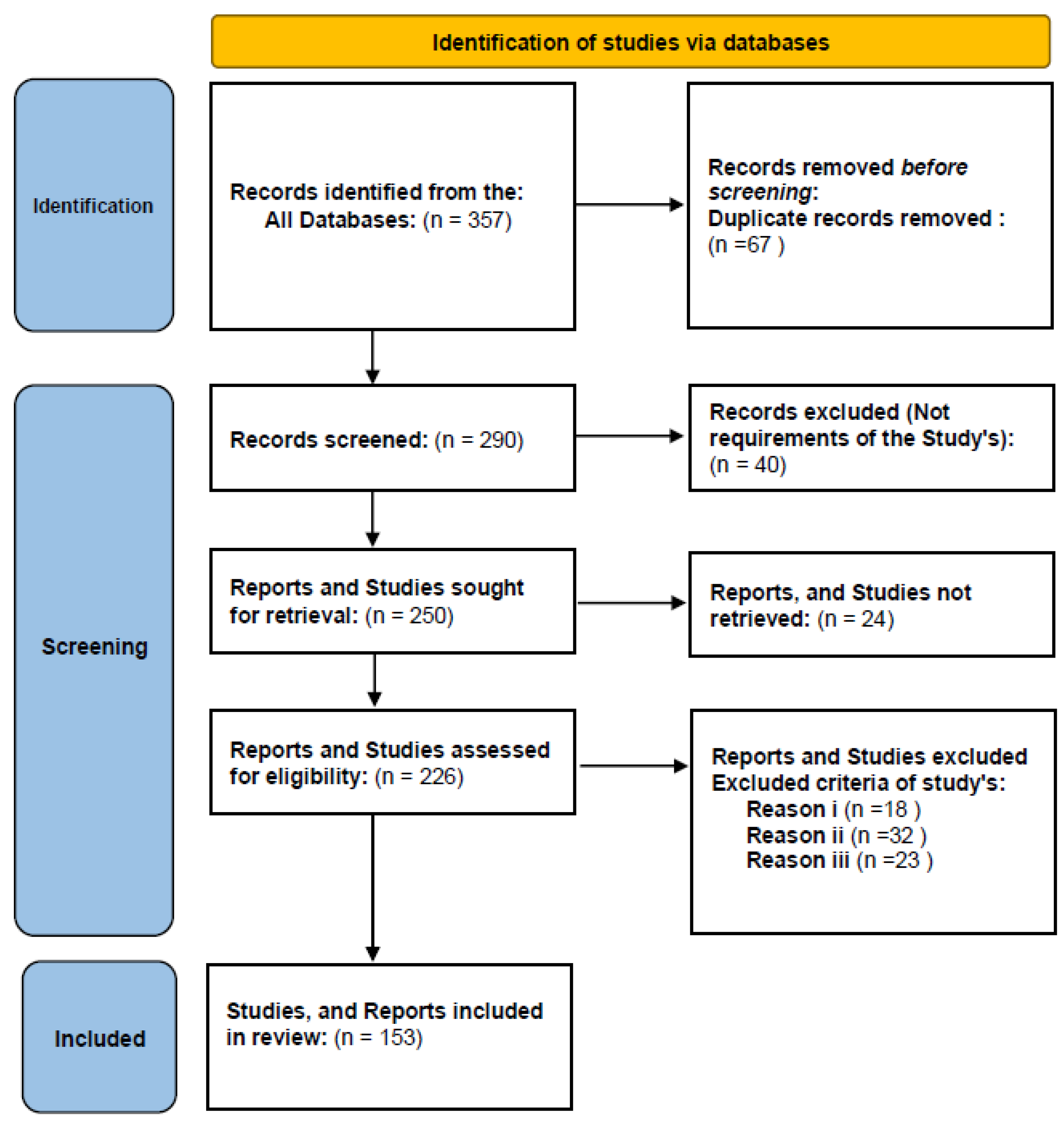
Figure 3.
Exploring the impacts of unprecedented climate extremes on forest ecosystems[33].
Figure 3.
Exploring the impacts of unprecedented climate extremes on forest ecosystems[33].
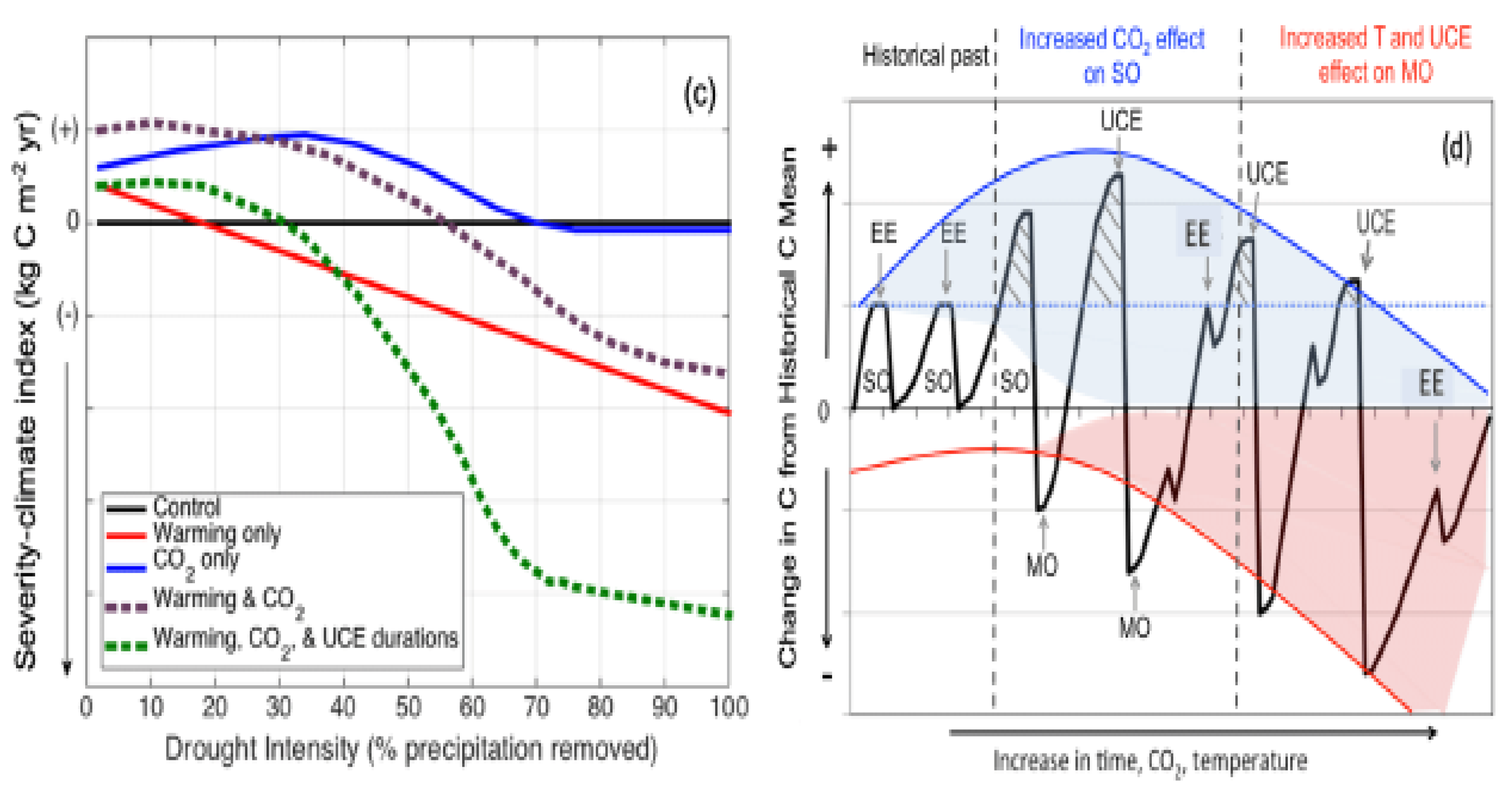
Figure 4.
Study's correlations and association of the social-ecological systems risk factors.
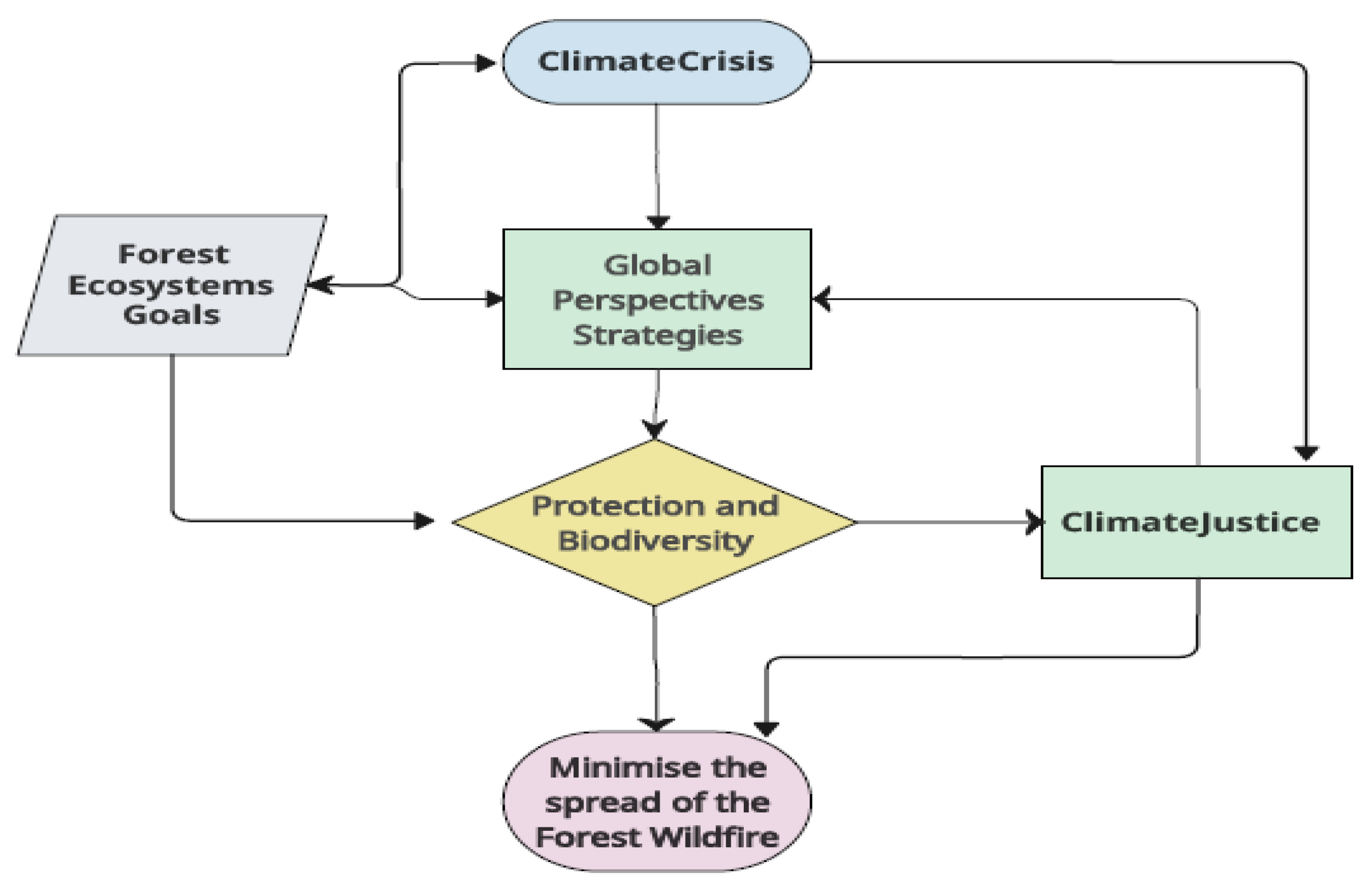
Figure 5.
Hypothesis of studies correlations and assessments.
Disclaimer/Publisher’s Note: The statements, opinions and data contained in all publications are solely those of the individual author(s) and contributor(s) and not of MDPI and/or the editor(s). MDPI and/or the editor(s) disclaim responsibility for any injury to people or property resulting from any ideas, methods, instructions or products referred to in the content. |
© 2024 by the authors. Licensee MDPI, Basel, Switzerland. This article is an open access article distributed under the terms and conditions of the Creative Commons Attribution (CC BY) license (http://creativecommons.org/licenses/by/4.0/).
Copyright: This open access article is published under a Creative Commons CC BY 4.0 license, which permit the free download, distribution, and reuse, provided that the author and preprint are cited in any reuse.


