

Submitted:
14 October 2025
Posted:
14 October 2025
You are already at the latest version
Abstract
Urban air pollution and emission reduction commitments have stimulated interest in cleaner vehicle technologies in Latin America, yet hybrid vehicle penetration in Ecuador, particularly in Guayaquil, remains limited. This study analyzes technical and commercial determinants of purchase intention using a mixed methods design that combines a survey of 384 consumers with interviews of 20 dealership representatives. Spearman correlations indicate that technical attributes show stronger associations with purchase intention than commercial variables: technology and performance (ρ = 0.65, p < 0.001) and maintenance (ρ = 0.61, p < 0.001) are the most influential, followed by environmental influence (ρ = 0.53, p < 0.001); public policies (ρ = 0.48, p < 0.001) and purchase price (ρ = 0.45, p < 0.001) display moderate effects. Overall, 51.5% of respondents report a favorable intention to purchase a hybrid vehicle in the short to medium term. Interviews confirm an information gap on tax incentives at the point of sale and underscore the potential of financing schemes to mitigate upfront cost barriers. Findings suggest that, in this market, narratives emphasizing long term operating savings and reliability outperform purely environmental appeals. We discuss implications for dealership communication, targeted credit programs, and public awareness campaigns to accelerate sustainable mobility transitions in urban Ecuador.
Keywords:
hybrid vehicles
; technology adoption
; purchasing factors
; sustainable mobility
; public policies
1. Introduction
Globally, environmental pollution resulting from the intensive use of fossil fuels has driven the search for sustainable solutions, with one of the main strategies being the transition to vehicles with cleaner technologies, such as hybrid and electric vehicles [1]. This alternative aims not only to reduce polluting emissions but also to mitigate the effects of climate change and protect public health [2]. Locally, private vehicles in the city of Guayaquil produce approximately 136 tons of carbon monoxide, 1,662 tons of carbon dioxide, and 12 tons of nitrogen oxides [3].In this global context, Latin American countries have begun adopting these technologies. For example, studies conducted by Colombia’s Ministry of Energy demonstrated that these vehicles could reduce polluting emissions by up to 20% [4]. Additionally, it was reported that in 2024, hybrid vehicle sales in Colombia increased by 27% , solidifying its position as the third-largest market in the region after Brazil and Mexico. In comparison, Ecuador showed lower adoption, with 12,726 units sold in the same year, despite an 80% growth compared to 2023 [5].
In Ecuador, interest in clean vehicle technologies has been reflected in a sustained growth in the sales of hybrid and electric cars [6]. Since the introduction of the Toyota Prius in 2005, measures have been implemented to incentivize their commercialization, including the elimination of Value Added Tax (VAT), Special Consumption Tax (ICE), and tariffs, which has reduced the acquisition cost by up to 35% [7]. These efforts have yielded results: in July 2023, sales of hybrid and electric vehicles increased by 31% compared to the same month the previous year [8]. In 2025 alone, 82% of the hybrid units sold were concentrated in the provinces of Pichincha, Guayas, and Azuay, confirming a market concentration trend [9]. Recent studies confirm that the Ecuadorian automotive market has continued this upward trend in the commercialization of hybrid cars since 2023 [10]. In that month alone, 1,219 hybrid vehicles were sold, representing a 32% growth compared to January 2024 and accounting for 15% of total sales [11]. This demonstrates that since 2023, there has been an upward trend in the use of new environmental technologies in mobility, although they remain limited to urban contexts [12].
In particular, the city of Guayaquil has become one of the main hubs for the adoption of hybrid vehicles nationwide. In 2024, between 2,800 and 3,300 units were sold, accounting for approximately 9% to 11% of the local market [13]. Although this figure demonstrates significant growth, internal combustion engine vehicles still dominated with a share of nearly 89% , reflecting that the transition toward cleaner mobility remains gradual. It is also evident that consumers continue to show a preference for conventional internal combustion technologies despite the health and environmental problems they cause [14].
However, the adoption of hybrid vehicles in Guayaquil and in Ecuador as a whole remains limited. Technical, commercial, and social factors, as well as consumer unfamiliarity and economic accessibility gaps, hinder the widespread adoption of this technology [15]. This situation reveals a disconnect between the available technological offerings and consumer purchasing decisions, which slows progress toward truly sustainable mobility [16]. This study aims to analyze the technical and commercial factors that influence the acquisition of hybrid vehicles in Guayaquil. To achieve this, consumer perceptions are investigated, and technical aspects such as energy efficiency, range, and maintenance are evaluated through data collection tools and comparative analyses. Based on these results, strategic recommendations are proposed to strengthen the adoption of hybrid vehicles, targeting both dealerships and buyers, thereby contributing to the promotion of more sustainable mobility in the city.
From a theoretical perspective, this research promotes the adoption of clean technologies in emerging markets by integrating technical, commercial, and social variables into a comprehensive model. It also contributes to understanding consumer behavior in contexts of technological innovation, expanding theories on innovation diffusion and decision-making in the automotive sector. Methodologically, the study employs a mixed-method approach, combining quantitative and qualitative techniques to gain a holistic understanding of the phenomenon. In the quantitative phase, structured surveys are administered to a representative sample of consumers with potential interest or capacity to acquire a hybrid vehicle. In the qualitative phase, semi-structured interviews are conducted with sales advisors, automotive technicians, dealership managers, and other key stakeholders in the automotive industry. Additionally, technical specifications of the best-selling hybrid models in the local market are examined and compared.
The purpose of this study is to analyze the technical and commercial factors that influence the acquisition of hybrid vehicles in the city of Guayaquil. To achieve this, the specific objectives are as follows: to analyze commercial factors using data collection tools that provide insights into market behavior and consumer preferences; to evaluate the technical factors that influence purchasing decisions through comparative analysis of technical specifications, considering variables such as energy efficiency and maintenance costs; and finally, to propose strategic recommendations aimed at strengthening the adoption of hybrid vehicles. This study serves as a technical-commercial report intended for both dealerships and potential buyers.
2. Literature Review
A hybrid vehicle is defined as an automobile that combines two propulsion sources: an internal combustion engine and an electric motor. This system enables more efficient operation by adapting to different driving conditions. When the internal combustion engine operates within its optimal efficiency range, the electric motor can act as a generator, recharging the system’s batteries. Under certain circumstances, such as in urban driving or at low speeds, the vehicle can operate solely on the electric motor, using the energy stored in the battery. Additionally, hybrid vehicles are equipped with regenerative braking systems, which recover part of the kinetic energy generated during deceleration, converting it into electrical energy that is stored back in the battery [17]. Figure 1 illustrates the operation of a hybrid vehicle, highlighting its potential advantages over internal combustion engines, as well as its environmental benefits.
Currently, most electric vehicles have an internal combustion engine that is in charge of vehicle propulsion and provides energy to the battery, in addition to an electric motor that also recharges the battery. The arrangement of these components is responsible for generating different hybrid vehicle models according to their powertrain [18]. Table 1 mentions the classification of hybrid automobiles along with their main characteristics.
2.1. Complementary Measures for the Adoption of Hybrid Vehicles in Ecuador
The national government has implemented complementary tools to promote the adoption of hybrid vehicles. One of these measures was the reform of Article 55 of the Organic Law of the Internal Tax Regime (LORTI), which establishes that electric and hybrid vehicles with a purchase value of up to 35 thousand dollars are exempt from paying VAT. Under the same framework, the Special Consumption Tax for electric and hybrid vehicles was restructured through a system of tax brackets. Some of the main resolutions issued to encourage the purchase of hybrid and electric units include Regulation NAC-DGERCGC-2022, issued by the Internal Revenue Service (SRI), which grants a five-year exemption from the annual property tax for new automobiles. Additionally, Regulation NAC-DGERCGC22-00000004 proposes tariff reductions for these types of vehicles. The tariff exemption for electric vehicles ranges from 35% to 0% , while hybrid units receive a reduction from 15% to 5% [19].
2.2. Access to Loans and Incentives for the Acquisition of Hybrid Vehicles
Despite the multiple environmental benefits and tax exemptions granted to electric and hybrid vehicles in Ecuador, significant challenges remain for their widespread adoption, particularly the lack of financing from private banks. Some exceptions include the "First Vehicle Loan" program launched by Banco del Pacífico, which covers up to 80% of the vehicle’s total cost with preferential rates and repayment terms of up to seven years. Certain local governments have also joined these initiatives; for instance, the municipality of Cuenca has implemented pilot credit programs for electric taxis [20]. Regarding monetary incentives from the central government, there are currently no state subsidy programs supporting these types of vehicles. On the part of dealerships, discount plans have begun to emerge to encourage the purchase of hybrid cars, although these programs offer limited benefits typically around a 5% discount [21].
2.3. Technical Factors Influencing the Purchase of a Hybrid Vehicle
The acquisition of hybrid vehicles in the global context is influenced by a series of technical factors, among which their functionality, efficiency, and adaptability to urban conditions stand out. These aforementioned conditions are key for consumers when evaluating the feasibility of purchasing such a vehicle compared to more conventional alternatives [22].
2.3.1. Degree of Hybridization and Energy Efficiency
It refers to the distance a hybrid vehicle can travel using its propulsion system without the need to refuel or recharge energy. Hybrid vehicles are typically classified based on their degree of hybridization into mild, full, and plug-in hybrids. Each of these types features different powertrain configurations, energy efficiency levels, and acquisition costs. The degree of hybridization is one of the main factors influencing the perception of acquiring a hybrid vehicle. Some of the key requirements related to this factor are associated with the driving environment and expectations of fuel consumption savings. It represents the relationship between energy consumed and distance traveled. Hybrid models offer several advantages in this regard by harnessing braking energy and combining electric and internal combustion engines. This results in reduced emissions of pollutants such as CO2 and lower fuel expenses, particularly in urban traffic conditions [23].
2.3.2. Maintenance, and Technical Support
Compared to their internal combustion counterparts, hybrid automobiles can generate net fuel savings. This advantage is particularly key in urban environments, where constant deceleration allows energy recovery through the regenerative system and the prominent role of the electric motor at low speeds [24]. Maintenance is relevant in the consumer’s purchase perception. In this context, hybrid cars offer certain advantages, such as reduced brake system maintenance costs due to the use of energy regeneration, which minimizes wear on discs and pads. The use of the electric motor extends the lifespan of components such as the exhaust system, transmission, and filters [25]. The durability of electric batteries has also improved significantly, with warranties that can reach 8 to 10 years or 160,000 kilometers. However, the high cost of replacing these batteries remains one of the main limitations perceived by consumers, especially in countries lacking appropriate recycling and replacement systems. Technical support continues to be considered crucial for the acquisition of a hybrid vehicle, as it directly impacts the operational viability of the vehicle and consumer confidence. In this context, it is evident that Ecuadorian workshops lack both the equipment and trained personnel [26].
2.4. Commercial Factors
In addition to technical factors, the decision to purchase a hybrid vehicle is also influenced by commercial factors. These factors reflect market conditions such as consumer perception and behavior. Moreover, they are considered essential for understanding the dynamics of hybrid vehicle market penetration in Ecuador [10].
2.4.1. Sale Price, Perceived Value, and Access to Financing and Government Incentives
The price of hybrid models is generally higher than that of conventional vehicles with similar features. Several factors influence this cost, particularly manufacturing-related aspects such as battery production and energy management systems. This price difference often discourages potential buyers from acquiring these vehicles. In the context of Guayaquil, where the local economy is characterized by limited capacity for investment in durable goods, vehicle acquisition is closely tied to the quality to price ratio. The availability of financing options is also a significant factor influencing the purchase of these models. In Ecuador, financing programs for hybrid vehicles are considered limited, and large-scale fiscal incentives are lacking, aside from certain measures such as VAT exemption and vehicle property tax relief for specific models. Furthermore, it is important to highlight the absence of official campaigns to promote these benefits. This lack of information leads to reduced sales due to a lack of awareness among potential buyers, ultimately diminishing the perceived value of hybrid vehicles as a long-term investment [12].
2.4.2. Market Strategies, Brand Positioning, Consumer Preferences, and Awareness
Market strategies for hybrid vehicles in Ecuador have evolved, but they are still considered limited in both scope and depth. Advertising by Ecuadorian companies tends to focus on the environmental and economic benefits of these vehicles, yet practical demonstrations of their advantages are often lacking. Brand positioning is another key factor influencing purchasing decisions; well-established international brands such as Toyota, Hyundai, and Kia enjoy greater credibility among consumers due to their energy efficiency and durability. In contrast, newer brands struggle to penetrate the market because of a lack of consumer trust. In this context, consumer preferences and awareness are shaped by their level of understanding of hybrid technology, particularly regarding performance and fuel savings compared to traditional vehicles. Ecuadorian buyers, in general, display a limited understanding of the benefits and brands associated with hybrid models. The lack of knowledge about different types of hybridization and their long-term economic and environmental impact leads to greater resistance among older consumers with experience in conventional automotive technologies [24].
3. Materials and Methods
The methodological framework of this research was structured through a process map that systematizes each stage of the study, from the formulation of objectives to the interpretation of results (see Figure 2). This map provides a comprehensive view of the research workflow, ensuring methodological coherence and traceability. It begins with the identification of the problem and the design of the mixed-methods approach, followed by data collection through surveys and interviews, data analysis using statistical and qualitative techniques, and finally the validation and integration of findings. This structured representation allowed for effective coordination between the quantitative and qualitative phases, ensuring consistency across instruments and analytical procedures.
3.1. Research Approach
This research adopts a mixed-methods approach, combining quantitative and qualitative methods to achieve a more comprehensive understanding of the technical and commercial factors influencing the commercialization of hybrid vehicles in the city of Guayaquil. From the quantitative perspective, structured surveys will be administered to current and potential consumers of hybrid vehicles in order to identify behavioral patterns, such as perceptions of technology, performance, and maintenance, as well as economic factors including purchase price, public policy, and environmental influence. On the other hand, the qualitative approach will involve conducting semi-structured interviews with representatives from selected dealerships (Renault, BYD, Ambacar, Hyundai, Ford, Suzuki, Mazda, Chery, Toyota, and Kia) and experts from the automotive sector. For the development of the theoretical framework, the PRISMA method (Preferred Reporting Items for Systematic Reviews and Meta-Analyses) was employed, which facilitates the systematic review of scientific literature through a structured four-stage process: identification, screening, eligibility, and inclusion.
3.1.1. Identification
In the identification phase of the PRISMA method, a systematic search was conducted in academic databases recognized for their scientific rigor and relevance to studies on sustainable mobility and vehicle technology [27]. The databases consulted included Scopus, Web of Science, ScienceDirect, MDPI, SpringerLink, Elsevier, and ResearchGate, as well as the academic search engine Google Scholar to broaden thematic coverage.The search strategy was structured around keywords such as “electric vehicles,” “hybrid vehicles,” “sustainable mobility,” “charging infrastructure,” “purchase decision factors,” “vehicle technology,” “environmental impact of hybrid vehicles,” “technology adoption,” “public policies on electric mobility,” “automotive market Ecuador,” “purchase intention,” and “hybrid vehicles in Guayaquil,” both in Spanish and English.Language filters (Spanish and English) and publication period filters (2020–2025) were applied, selecting only peer-reviewed articles, case studies, systematic reviews, and scientific publications relevant to the Ecuadorian or regional context.This phase retrieved a total of 93 preliminary publications, which were classified and organized for subsequent analysis and refinement in the following PRISMA stages. Before the selection stage, 15 duplicate records appearing across multiple databases were removed.No automated software was used for filtering, so no records were marked as ineligible by automatic tools. Additionally, 5 records were discarded because they corresponded to non-scientific documents (such as news articles, opinion pieces, or non-peer-reviewed content) or lacked full-text access, preventing rigorous analysis.After this initial refinement, the selection phase proceeded with a total of 73 documents.
3.1.2. Selection
During the selection phase, the titles and abstracts of the 73 previously screened records were carefully examined to assess their relevance to the research objectives. Strict inclusion and exclusion criteria were applied to ensure the relevance and quality of the publications.Inclusion criteria considered studies published between 2020 and 2025 that addressed technical or commercial aspects of hybrid or electric vehicles, with a focus on the Ecuadorian or Latin American context, and that presented validated scientific methodology.Duplicates, non-peer-reviewed articles, studies with technological focuses unrelated to mobility, and those lacking significant data for analysis were excluded.As a result of this process, 28 records were discarded, leaving 45 studies to advance to the full-text retrieval phase for detailed evaluation.This stage allowed the analysis to focus on relevant scientific publications with high academic value, ensuring a solid foundation for the systematic review. Of the 45 studies selected for retrieval, 4 reports could not be fully obtained due to access restrictions, unavailability of full text, or inactive repository links. Although these documents initially met the inclusion criteria based on title and abstract, they were excluded from the eligibility phase because it was impossible to access their full content and verify methodological quality.
3.1.3. Eligibility
In the eligibility phase, a full-text review of the 45 retrieved studies was conducted. This thorough review allowed for a detailed evaluation of methodological quality, thematic relevance, and alignment with the research objectives.Aspects analyzed included the focus on technical and commercial factors related to hybrid vehicle acquisition, the geographic context (particularly Ecuador and Latin America), and the scientific rigor of each study. During this stage, articles that did not meet the defined criteria were excluded, such as studies with insufficient information, lack of methodological rigor, or absence of specific data relevant to the analysis. As a result, 41 studies were deemed suitable for inclusion in the qualitative synthesis of the systematic review.
Excluded reports:
- Did not directly address technical or commercial factors of hybrid vehicles (n = 6).
- Geographic context not relevant to the research (countries outside Latin America) (n = 3).
- Insufficient methodological quality or not peer-reviewed (n = 4).
A total of 13 reports were excluded during this phase. Although these documents were retrieved in full text, they did not meet the specific eligibility criteria defined for this systematic review.
3.1.4. Inclusion
In the final inclusion phase, a total of 28 studies that fully met the established quality, relevance, and pertinence criteria were incorporated into the qualitative synthesis. These selected works provide valuable and up-to-date information on the technical and commercial factors influencing the acquisition of hybrid vehicles, with a special emphasis on the Ecuadorian and Latin American contexts.The included studies cover diverse topics such as purchasing decisions, public perception, charging infrastructure, environmental impact, public policies, and technical aspects, offering a comprehensive overview that supports the development of the theoretical framework and research analysis. Figure 3 illustrates the PRISMA process for selecting academic texts used in the elaboration of the theoretical framework.
3.2. Data Collection
For the development of this study, a combination of preliminary surveys, descriptive statistics, and correlational analysis will be employed to obtain a comprehensive understanding of the technical and commercial factors influencing the purchase decision of hybrid vehicles in Guayaquil. The preliminary survey will be conducted with employees of dealerships in Guayaquil with the purpose of exploring initial perceptions about hybrid vehicles. The sample will be selected based on the observation of initial response patterns, identification of ambiguities in the items, and adjustment of the language to the target audience’s profile, in order to extract fundamental factors in the acquisition decision and to develop the final questionnaire.
The survey of technical factors considers aspects such as energy efficiency and maintenance. Table 2 presents the results of the surveys based on these technical factors.
Table 3 shown the commercial factor survey considers the sale price, the value of the money, and government incentives.
3.3. Definition of Variables
First, a research question will be considered, which is:
How do technical and commercial factors influence consumers’ decisions to purchase hybrid cars in the city of Guayaquil?
The variables presented around this question are
Dependent Variable
- Decision to purchase hybrid cars
Independent Variables
- Technical factors influencing the purchase decision. — The dimensions considered are: range, maintenance, technology and performance, charging infrastructure, and system durability.
- Commercial factors influencing the purchase decision. — The dimensions considered are: purchase price, financing and payment methods, product availability, and government policies.
An operationalization matrix is developed to define the study variables, their dimensions, indicators, and measurement scales. The factors influencing the purchase decision of hybrid vehicles were evaluated through a structured survey using Likert scales (1-5), including dimensions such as purchase intention, technical factors, and commercial factors, providing an ordinal basis for analysis. This facilitates the conversion of theoretical concepts into observable and measurable elements. The operationalization matrix can be seen in Table 4.
Authors should discuss the results and how they can be interpreted from the perspective of previous studies and of the working hypotheses. The findings and their implications should be discussed in the broadest context possible. Future research directions may also be highlighted.
The survey collected a total of 384 responses regarding Ecuadorians’ perceptions of hybrid vehicles. For the calculation of the sample size, the finite population formula described below was used:
- n: Sample size
- N: Population size
- Z: Critical value of the standard normal distribution
- p: Expected proportion of the population
- q:
- e: Margin of error
Sample Size Determination
- Total population of Guayaquil (30-55 years): ∼900,000
- % with income >$1,500: ∼25%
- Filtered population (N): 900,000 × 0.25 = 225,000 individuals.
Calculation with applied values:
To ensure content validity, the instrument was developed based on a documentary review of previous studies on consumer perception toward hybrid vehicles, Ecuadorian regulations, and the technical and commercial characteristics of this type of vehicle. Subsequently, the questionnaire was validated through expert judgment, involving professionals in automotive engineering, marketing, and statistics, who evaluated:
- The clarity of the items.
- The relevance of each question in relation to its corresponding dimension.
- The coherence with the research objectives.
To assess the internal consistency of the questionnaire on the perception of hybrid vehicles, Cronbach’s alpha coefficient was calculated using the six survey items. Each item was coded on a 5-point Likert scale (1 = minimum value, 5 = maximum value), as presented in Appendix B. Additionally, the following metrics were analyzed for each item:
- Adjusted mean and standard deviation (to assess central tendency and dispersion).
- Corrected item-total correlation (to measure the relationship between each item and the total score).
- Squared multiple correlation (to determine how much of the item’s variance is explained by the others).
- Cronbach’s alpha if item deleted (to identify potential redundancies).
Cronbach’s alpha for the six items was (95% CI: 0.80–0.86), indicating a high level of internal consistency. This value suggests that the instrument is reliable for measuring perceptions toward hybrid vehicles within the studied population.
- Items with the greatest contribution: Items 3 (Performance, r = 0.60) and 4 (Maintenance savings, r = 0.58) showed the highest correlations with the total score, indicating that they contribute most to the construct’s consistency.
- Marginal items: Item 6 (Price, r = 0.41) had the lowest correlation, but its removal would only increase the alpha to 0.84, a minimal change. Therefore, it is recommended to retain it to preserve content validity. Table 5 demonstrates the Cronbach’s alpha validation for the applied questionnaire.
The squared multiple correlation (R²) revealed that items 3 and 4 explain up to 45% and 42% of the shared variance with other items, respectively, reinforcing their relevance within the scale. In contrast, item 5 (Tax exemption) showed lower explanatory power (R² = 0.28).
4. Results
The survey collected a total of 384 responses regarding Ecuadorians’ perceptions of hybrid vehicles, using the finite population formula [28]. Key topics addressed included purchase intention, energy efficiency, maintenance costs, fiscal benefits, environmental influence, and economic barriers.
4.1. Demographic Profile
In terms of gender, the sample was predominantly composed of males (87.5% ), followed by females (11.7% ), and a small group who preferred not to respond (0.8% ). Regarding age, the 25 to 34-year-old group represented the largest segment (38.5% ), closely followed by the 35 to 44-year-old group (35.9% ) and the 45 to 54-year-old group (19.8%). Respondents under 25 years accounted for only 3.4%, and those aged 55 or older made up 2.3%. This distribution indicates that interest in hybrid vehicles is concentrated among young adults in their productive years.
4.2. Purchase Intention of Hybrid Vehicles in Guayaquil
Figure 4 presents a consolidated analysis of the technical factors influencing preference for hybrid vehicles. In this case, the responses categorized as "important" and "very important" were combined, highlighting that maintenance emerges as the most relevant aspect (75.6%), reflecting the importance consumers place on long-term operating costs. This is closely followed by technology and performance (72.1%), demonstrating that attributes such as energy efficiency and performance are equally decisive. This narrow difference (3.5 percentage points) reveals that both factors serve as complementary pillars in the purchase decision.
Figure 5 summarizes the commercial factors that determine the choice of hybrid vehicles, based on the combined responses marked as "important" and "very important." The results reveal a clear hierarchy in consumer preferences: purchase price stands out as the most decisive factor (84.2%), highlighting the market’s economic sensitivity; it is followed by public policies (77.9%), whose impact underscores the importance of government incentives; whereas environmental influence (58%), while still significant, shows comparatively lower influence.
Figure 6 illustrates the purchase intention of potential users based on the previously described technical and commercial factors.
The comprehensive analysis revealed that among the 384 respondents, 51.5% expressed a favorable intention to purchase a hybrid vehicle in the short or medium term. In contrast, approximately 49.5% indicated an unfavorable stance toward acquiring such vehicles. Therefore, a high predisposition toward hybrid vehicles can be observed. It is important to note that the surveys were conducted during the event known as Auto Show 2025, as shown in the Appendix A.
4.3. Correlation Analysis and Strategic Relevance
This study employs a quantitative approach to measure the strength and direction of the relationships between critical factors such as energy efficiency, maintenance costs, government incentives, and consumers’ willingness to purchase hybrid vehicles. Through Spearman correlation analysis, the aim is not only to statistically validate these associations but also to derive key recommendations for stakeholders such as dealerships, public authorities, and manufacturers. In the Spearman correlation analysis, the commonly used ranges to interpret the strength of the association between variables are as follows:
- Weak or no correlation: between 0.00 and 0.30.
- Moderate correlation: between 0.31 and 0.50.
- Strong correlation: between 0.51 and 0.70.
- Very strong correlation: between 0.71 and 1.00. This is illustrated in Table 6.
The most influential factors on purchase intention are technology and performance () and maintenance (), both showing strong statistical significance (). Additionally, environmental influence demonstrates a relevant impact (), highlighting the role of social networks and family in the decision-making process. In contrast, public policies and price exhibit more moderate correlations ( and , respectively), with price being the least significant factor among those analyzed.
4.4. Results of Interviews with Automotive Brand Representatives
To complement the data obtained through quantitative surveys, semi-structured interviews were conducted with twenty representatives from automotive brands that market hybrid vehicles in Ecuador. The interviews provided insight into commercial perspectives on purchase intention, customer profiles, market barriers, sales arguments, as well as awareness and perceived effectiveness of current public policies. Table 7 presents a summary synthesizing the information gathered.
The analysis of interviews with twenty representatives from various automotive brands reveals a clear trend regarding the profile of customers interested in hybrid vehicles: they are mostly young adults and individuals from middle to high socioeconomic backgrounds, with a growing awareness of transportation efficiency and sustainability. However, a relevant niche is also identified among professional drivers, such as taxi operators, who are attracted by fuel and maintenance savings.
Regarding price, although some dealerships still perceive it as an initial barrier, most agree that customers view the investment positively when long-term savings and tax benefits are effectively communicated. The most frequently used sales arguments focus on autonomy, performance, integrated technology, and low operating costs factors that have contributed to greater product acceptance in recent years. Overall, product availability is favorable, with most brands reporting immediate delivery or rapid restocking, except in isolated cases of high demand. This allows for efficient service to interested buyers.
Regarding government policies, although most interviewees consider them positive or sufficient, a structural communication issue is evident: in nearly all cases, customers are unaware of the tax benefits applicable to hybrid vehicles, which limits their ability to make informed decisions. In this context, sales advisors play a fundamental role in reinforcing these incentives during the purchasing process.
5. Discussion
Unlike global studies focused on countries with high electric-vehicle penetration, such as the United States or European nations, this research analyzes a Latin American market characterized by specific barriers, including limited charging infrastructure, lack of awareness about tax incentives, and a historical preference for internal-combustion vehicles. The results reveal that although consumers in Guayaquil value technical benefits (–), adoption is hindered by commercial and social factors such as price () and misinformation regarding public policies (only 23% of respondents were aware of existing incentives). This contrasts with findings in countries like Colombia and Mexico, where large-scale government programs have accelerated the transition [7].
While previous studies in Ecuador have primarily relied on surveys, this research combines statistical analysis (Spearman correlations) with interviews involving key stakeholders (dealerships), identifying gaps between consumer perception and marketing strategies. For instance, although maintenance is a top priority for buyers (75.6% relevance), dealerships tend to emphasize technological performance in their sales arguments, suggesting a disconnect in communication. The study highlights that, unlike in developed markets where environmental factors are decisive, tangible economic considerations prevail in Guayaquil. The strong correlation between technology and maintenance () supports the idea that consumers prioritize long-term savings over ecological benefits, aligning with findings from Peru but contradicting trends observed in Europe [25].
Despite the significant contributions of this research, it is important to acknowledge its limitations. First, the sample showed a higher participation of male respondents, with 87.5% identifying as male, which may underrepresent the perspectives of women—key actors in household purchasing decisions. Additionally, the study focused exclusively on Guayaquil, limiting the generalizability of the findings to other regions of Ecuador that have different socioeconomic and geographic contexts, such as Quito, where factors like altitude may influence hybrid vehicle performance. However, it is worth noting that the dealerships involved operate at the national level, and Guayaquil is currently the most populous and commercially representative city in Ecuador. Another limitation was the omission of critical variables such as charging infrastructure, whose scarcity in the city is a known barrier to the adoption of this technology. These limitations suggest the need for future research with more gender-balanced samples, broader geographic coverage, and a focus on infrastructural and regulatory variables [23].
Dealerships and manufacturers should focus on developing innovative and accessible financing schemes with extended terms (5–7 years) and preferential interest rates, especially targeting key groups identified as young professionals and taxi drivers. Furthermore, it is essential to continuously train sales advisors so they can effectively communicate not only the technical features of the vehicles but also the medium- and long-term return on investment in terms of fuel and maintenance savings.
6. Conclusions
This study on the factors influencing the acquisition of hybrid vehicles in Guayaquil reveals key findings for the business, academic, and political sectors. Using a mixed-methods approach, the most relevant determinants of purchase decisions were identified and analyzed through Spearman’s correlation coefficient. The results highlight that technical factors specifically technology and performance and maintenance costs exhibit a strong correlation with purchase intention, confirming that consumers prioritize long-term economic benefits such as fuel savings and lower repair expenses. These findings align with previous research in emerging markets, where operational profitability drives the adoption of sustainable technologies.
From a commercial perspective, it was evident that although the initial purchase price remains a barrier, its impact can be mitigated through appropriate financing strategies and effective communication of cumulative savings. Public policies showed a positive effect, albeit limited by the low awareness potential buyers have regarding these benefits. This aspect represents a key opportunity for interventions from both the public and private sectors. From a theoretical standpoint, the research contributes to the diffusion of innovations model by integrating variables specific to the Ecuadorian context. The findings support the theory that the adoption of clean technologies depends on tangible economic factors, perceived value, and access to reliable information.
For the public sector, it is recommended to implement large-scale public education campaigns about the existing benefits and fiscal incentives, such as VAT exemptions and tariff reductions. These campaigns should utilize both digital and traditional media, with clear messages and practical examples of economic savings. Simultaneously, it is urgent to develop a network of charging stations at strategic locations throughout the city, starting with shopping centers, main roads, and high traffic density areas, following successful models implemented in other Latin American cities.
For future research, it is suggested to deepen the analysis of purchasing behavior by gender, particularly focusing on the role of women in family mobility decisions. It would also be valuable to evaluate the actual impact of recent public policies on cost reduction for consumers, as well as to conduct comparative studies between different Ecuadorian cities to identify regional best practices that could be replicated in Guayaquil.
Author Contributions
Formal analysis, E.A.-C.; Investigation, E.B.-M.; Methodology, R.L.-C.; Supervision, C.R.-I. All authors have read and agreed to the published version of the manuscript.
Funding
This research received no external funding and the APC was funded by Politecnica Salesiana university.
Institutional Review Board Statement
This study is waived for ethical review by the Institutional Review Ethics Committee of Politecnica Salesiana University, as the study poses no physical or psychological risks to participants, no sensitive issues were addressed, and no procedures were carried out that compromised the integrity of the participants.
Informed Consent Statement
Patient consent was waived due to that the study poses no physical or psychological risks to participants and no sensitive issues were addressed, and no procedures were carried out that compromised the integrity of the participants.
Data Availability Statement
The original contributions presented in this study are included in the article. Further inquiries can be directed to the corresponding author.
Conflicts of Interest
The authors declare no conflicts of interest.
Appendix A. Surveys Conducted at the Auto Show
Figure A1.
Arrival at the auto show event; Conducting surveys with potential hybrid car buyers.

Appendix B. Survey on Hybrid Vehicle Purchase Decision Factors
- 1.
- How likely would you be to consider a hybrid vehicle when purchasing a new car?
Very unlikely
Somewhat unlikely
Neutral
Somewhat likely
Very likely
- 2.
- How important is the opinion of your social circle (family, friends, social media, or influencers) when considering purchasing a hybrid vehicle?
Not at all important
Slightly important
Neutral
Important
Very important
- 3.
- Hybrid vehicles offer 30% to 60% better fuel efficiency than gasoline-powered cars. How important is this factor to you? Not at all important
Slightly important
Neutral
Important
Very important
- 4.
- How important is it to you that a hybrid vehicle offers 30% to 50% lower maintenance costs due to reduced engine wear, brake wear, and fewer mechanical repairs compared to conventional gasoline vehicles?
Not at all important
Slightly important
Neutral
Important
Very important
- 5.
- How important is Ecuador’s tax exemption policy for hybrid vehicles - including 15% VAT (IVA) elimination, 15-35% import tariff reduction, and 5-35% ICE tax removal - in your vehicle purchase decision?
Not at all important
Slightly important
Neutral
Important
Very important
- 6.
- How important is the price range of hybrid vehicles in Ecuador (between $25,000 and $45,000) in influencing your purchase decision? Not at all important
Slightly important
Neutral
Important
Very important
References
- Schvartz, M.A.; Salvia, A.L.; Brandli, L.L.; Leal Filho, W.; Avila, L.V. The electric vehicle market in Brazil: A systematic literature review of factors influencing purchase decisions. Sustainability 2024, 16, 4594. [Google Scholar] [CrossRef]
- Balseca, C.; Rivadeneira, C. Los vehículos eléctricos como una nueva forma de movilidad en el Ecuador y su repercusión con el medio ambiente. Revista Científica y Académica Vitalia 2025, 6. [Google Scholar] [CrossRef]
- López-Chila, R.; Caiza, K.; Zurita, R. Methodology to manage mobility factors and optimize university transportation in the Ecuadorian context. Revista Científica Universitaria Estrategia y Gestión Universitaria 2025, 13. [Google Scholar] [CrossRef]
- Acevedo, C. Decision process to purchase electric vehicles in Bogotá. Pensamiento y Gestión 2020, 49. [Google Scholar] [CrossRef]
- Martínez, J.; Espinoza, V. Challenges and opportunities for electric vehicle charging stations in Latin America. World Electric Vehicle Journal 2024, 15, 583. [Google Scholar] [CrossRef]
- Albarado, R.; Valladolid, J.D. Assessing the growth of electric and hybrid vehicles in Ecuador’s transportation sector: A technical analysis of their impact on the energy matrix. In: Springer Science and Business Media Deutschland GmbH 2024. [CrossRef]
- Pérez López, A.S.; Campuzano Sotomayor, J.C. Efecto de los Incentivos Fiscales en la Importación de Vehículos Electrificados en Ecuador [Proyecto Integrador]; Escuela Superior Politécnica del Litoral (ESPOL), Facultad de Ciencias Sociales y Humanísticas (FCSH): Guayaquil, Ecuador, 2024; Available online: https://dspace.espol.edu.ec/handle/123456789/62688 (accessed on 10 June 2025).
- Tapia, E. Carros híbridos y eléctricos ya son el 13% de las ventas en Ecuador: ¿Cuáles son los más vendidos y cuánto cuestan? 2024. Available online: https://www.primicias.ec/economia/carros-hibridos-electricos-ventas-modelos-precios-81130/ (accessed on 15 June 2025).
- Redacción La Hora. Autos híbridos y eléctricos ganan terreno en Ecuador: Del 4% al 14% del mercado en solo tres años. 2025. Available online: https://www.lahora.com.ec/economia/Autos-hibridos-y-electricos-ganan-terreno-en-Ecuador-del-4-al-14-del-mercado-en-solo-tres-anos-20250620-0013.html (accessed on 27 June 2025).
- Rojas, E.; Fernández, M.; Alomoto, J.; Quiñónez, C.; Mata, C. Comparative study of fuel and greenhouse gas consumption of a hybrid vehicle compared to spark-ignition vehicles. World Electric Vehicle Journal 2025, 16, 4. [Google Scholar] [CrossRef]
- Gonzales, P. Estas son las marcas de carros híbridos más vendidas en Ecuador. 2025. Available online: https://www.primicias.ec/economia/marcas-carros-hibridos-ventas-ecuador-89065/ (accessed on 27 June 2025).
- Beltrán, J.; Ávila, E. Análisis de puntos de carga para vehículos eléctricos en el Distrito Metropolitano de Quito en el año 2022. Sathiri-Sembrador 2022, 19. [Google Scholar] [CrossRef]
- Salas, R.; Cárdenas, D.; Torres, A. Análisis de la transición hacia la movilidad sostenible: Estrategias de negocio para la adopción masiva de vehículos eléctricos en el mercado automotriz en la ciudad de Guayaquil, Ecuador, período 2018–2020. Revista Ingenio 2025, 8. [Google Scholar] [CrossRef]
- Navarrete, R. Análisis de la evolución, situación actual y perspectivas para dinamizar la comercialización del vehículo eléctrico en el Ecuador, período 2018–2020. 2022. Available online: https://repositorio.uasb.edu.ec/bitstream/10644/8719/1/T3814-MAE-Navarrete-Analisis.pdf (accessed on 12 June 2025).
- Beltrán, J. Desarrollo de la electromovilidad en Ecuador: Retos y perspectivas en la adopción de vehículos híbridos. Investigación Tecnológica IST Central Técnico 2024, 6. [Google Scholar] [CrossRef]
- De la A, L.; García, J.; Maldonado, G.; Valdez, J. Desafíos y oportunidades en la infraestructura de carga para vehículos eléctricos en América Latina y el Caribe. Reincisol 2024, 3. [Google Scholar] [CrossRef]
- Toalombo, V.; Negrete, J.; Borja, D. Balance energético para un vehículo híbrido basado en pila de combustible y ventajas en la seguridad de usuarios. Polo del Conocimiento 2022. Available online: https://polodelconocimiento.com/ojs/index.php/es/article/view/4229 (accessed on 29 June 2025).
- Gonzales, L.; Cordero, D.; Espinoza, J. Public transportation with electric traction: Experiences and challenges in an Andean city. Renewable and Sustainable Energy Reviews 2021, 41, 110768. [Google Scholar] [CrossRef]
- Almeida-Guzmán. SRI.—Exoneración del impuesto anual sobre la propiedad de vehículos motorizados (IPVM). 2023. Available online: https://almeidaguzman.com/exoneracion-del-impuesto-anual-sobre-la-propiedad-de-vehiculos-motorizados-ipvm/ (accessed on 28 June 2025).
- Ministerio de Transporte y Obras Públicas. Memorias del Foro & Propuesta de Hoja de Ruta para la Electromovilidad en Ecuador2018. Available online: https://cajarecursosdus.lideresparagobernar.org/uploads/content/documentos/b4future-memorias-1er-foro-electromovilidad-y-hoja-de-ruta-electromovilidad-ecuador_1617901303.pdf (accessed on 29 June 2025).
- Plan, V. Las preferencias arancelarias para los vehículos microhíbridos son cuestionadas. 2024. Available online: https://planv.com.ec/historias/planverde/las-preferencias-arancelarias-para-los-vehiculos-micro-hibridos-son-cuestionadas/ (accessed on 29 June 2025).
- Waliño, P. Vehículos híbridos: Pasado, presente y futuro. 2020. Available online: https://upcommons.upc.edu/bitstream/handle/2117/329690/tfm-wali-o-pablo.pdf?sequence=1&isAllowed=y (accessed on 5 June 2025).
- Gallo, M.; Marinelli, M. Sustainable mobility: A review of possible actions and policies. Sustainability 2020, 12, 7499. [Google Scholar] [CrossRef]
- Litardo, E.; Ibarra, N.; Peñate, Y.; Reigosa, A. Factores determinantes de la intención de compra de vehículos eléctricos en mujeres ecuatorianas. REMCA 2025, 8. [Google Scholar] [CrossRef]
- Siti, T.; Wan, H.; Salina, D.; Harni, A. Factors influencing electric vehicle adoption: A conceptual paper. European Proceedings of Finance and Economics 2022. Available online: https://www.researchgate.net/publication/373198527_Factors_Influencing_Electric_Vehicle_Adoption_A_Conceptual_Paper (accessed on 26 June 2025).
- Jin, C. Coche eléctrico y la batería: Situación actual de mercado y su modelo de operación comercial. 2020. Available online: https://ddd.uab.cat/pub/tfg/2020/228099/TFG_jcheng.pdf (accessed on 3 July 2025).
- Alcoba, D. PRISMA y metaanálisis en la investigación científica. Fides Et Ratio 2024, 28. Available online: http://www.scielo.org.bo/scielo.php?script=sci_arttext&pid=S2071-081X2024000200013 (accessed on 4 July 2025).
- Peñafiel, M.; López, R. Estudio sobre la utilización y efectividad del comercio electrónico (e-commerce) y propuesta para su implementación en las PYMES del sector comercial de Guayaquil. 2012. Available online: http://dspace.ups.edu.ec/handle/123456789/3168 (accessed on 28 July 2025).
Figure 1.
Figure 1. Operation of a hybrid vehicle.
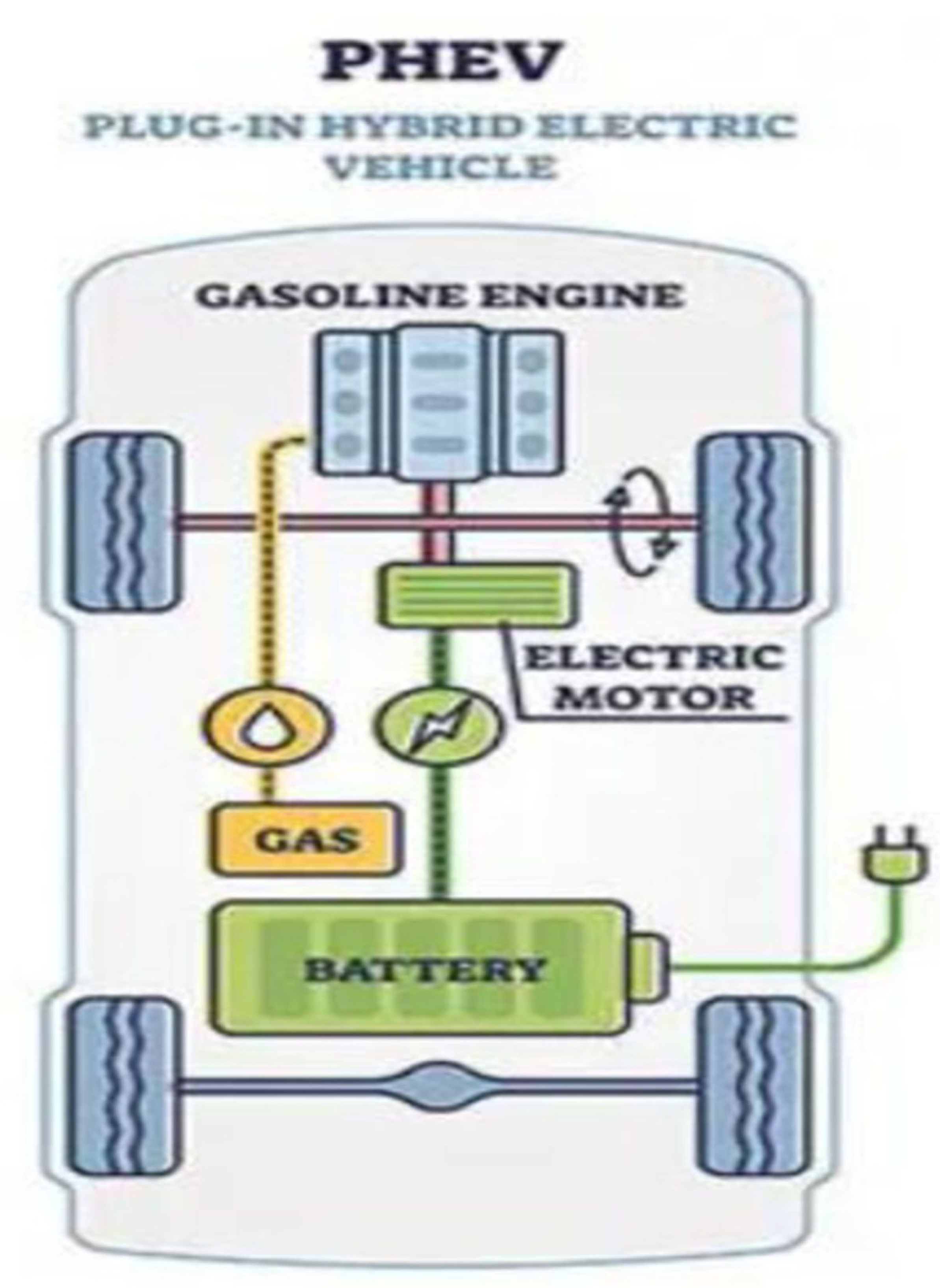
Figure 2.
Methodology Flowchart
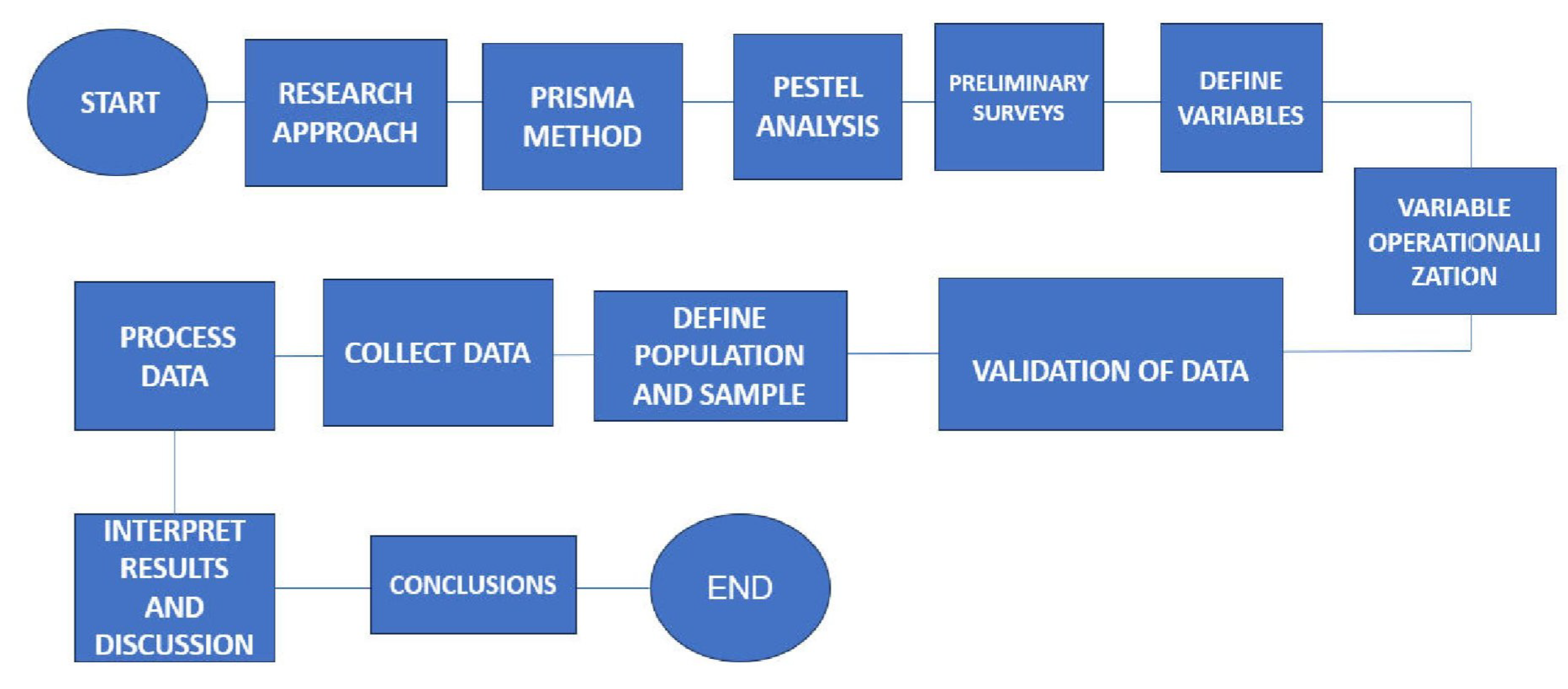
Figure 3.
PRISMA Flow Diagram
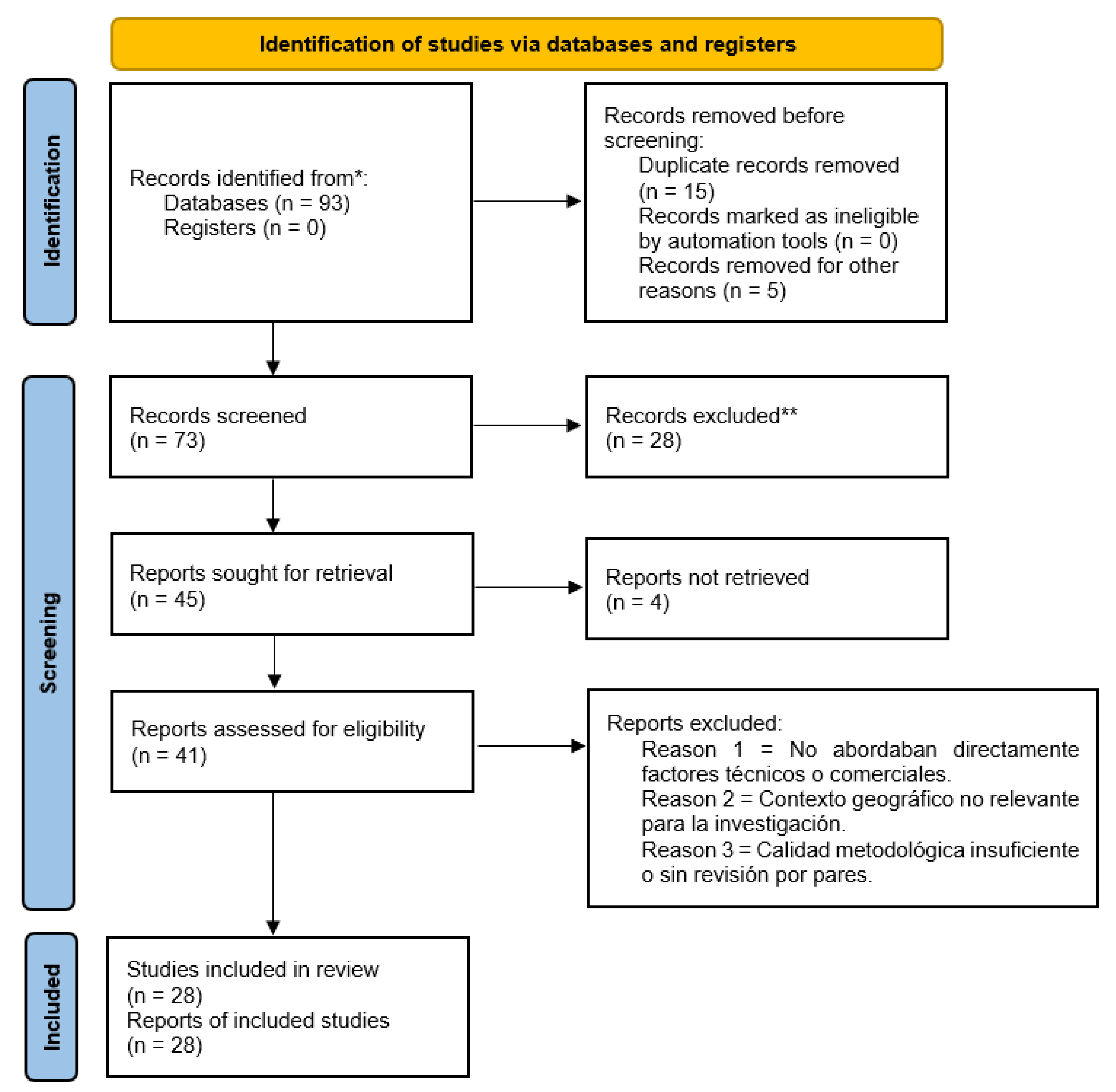
Figure 4.
Technical Factors Influencing the Purchase Decision of Hybrid Vehicles in Guayaquil
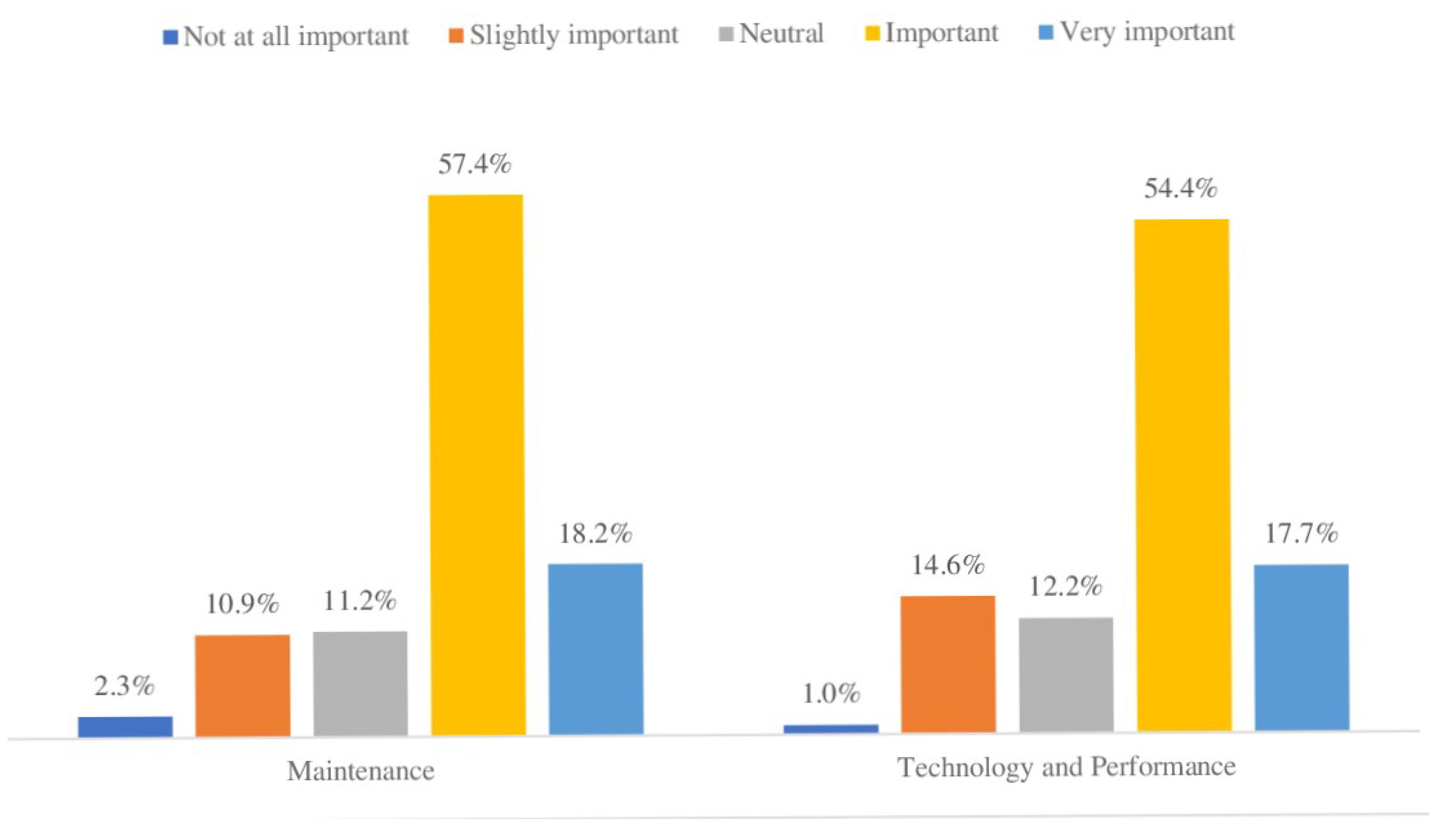
Figure 5.
Commercial Factors Affecting Hybrid Vehicle Purchase Decisions in Guayaquil
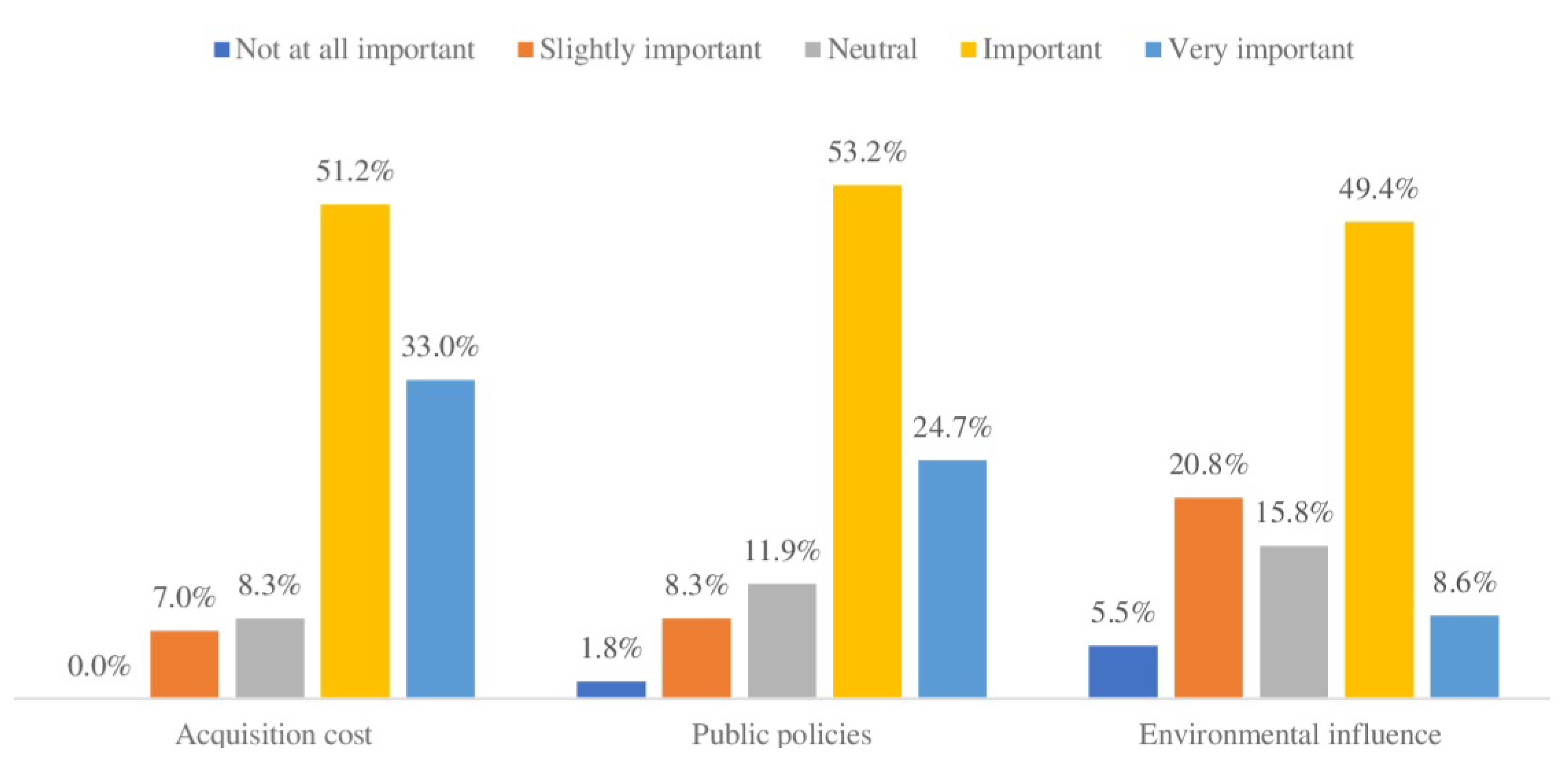
Figure 6.
Purchase intention of hybrid vehicles in Guayaquil
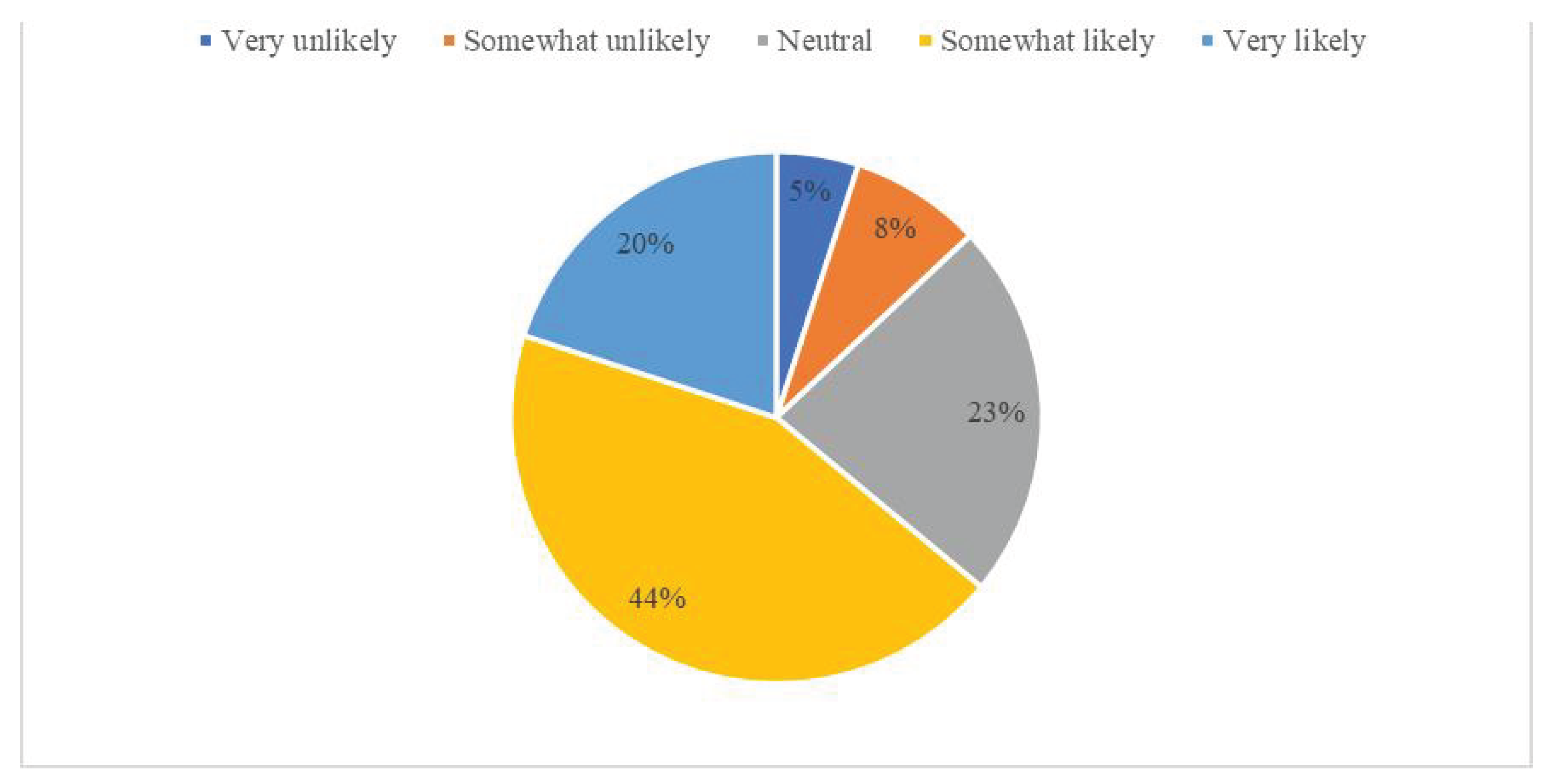

Table 1.
Degrees of Hybridization
| Official Name | General Characteristics | Labels |
|---|---|---|
| Micro-Hybrid Vehicle | • It provides between 10 and 20 metric horsepower (CV).• 12-volt battery for accessories.• Start-Stop system.• Electric traction up to 5 kW [22]. | MHEV |
| Mild hybrid vehicle | • Increases by a range of 20 to 25% of its efficiency compared to internal combustion vehicles.• It features electric traction with a power output not exceeding 15 kW..• Integrated KERS system [22]. | PHEV |
| Hybrid vehicle | • It features electric traction with a power output exceeding 15 kW.• Integrated KERS system.• Increase of 40 to 45% in its efficiency compared to a traditional car [22]. | HEV |
| Plug-in hybrid vehicle | • It contains an external charging system that connects to the public grid.• Electrical components with higher energy capacity.• They operate on electric power for extended periods of time [22]. | PHEV |
| Extended-range electric vehicle (EREV) | • Electric traction system with power greater than 15 kW..• Integrated KERS system.• External charging system [22]. | EREV |
| Fuel cell vehicle | • Electric traction with power greater than 15 kW..•Integrated KERS system.• High-pressure hydrogen tank.• It absorbs the available power during deceleration or braking [22]. | FCEV |
Table 2.
Survey Table for Technical Factors
| Category | Description | Question |
|---|---|---|
| Energy Efficiency | Fuel efficiency measured in kilometers per liter or kWh, and its impact on energy savings. | Do you believe that hybrid vehicles offer better energy efficiency than conventional ones? |
| Maintenance | Frequency, cost, and ease of maintaining hybrid components. | Do you think the maintenance of a hybrid vehicle is more expensive? |
| Technological Reliability | Safety, durability, and trust in hybrid technology. | Do you trust hybrid technology as a viable long-term option? |
| Noise Level and Comfort | Reduction of engine noise and driving comfort. | How much do you value the reduced noise when driving a hybrid vehicle? |
Table 3.
Survey Table for Commercial Factors
| Category | Description | Question |
|---|---|---|
| Purchase Price | Initial cost of the vehicle and financing options. | How important is the purchase price when choosing a hybrid vehicle? |
| Value for Money | Long-term cost-benefit analysis including fuel savings. | Do you believe hybrid vehicles offer better value than conventional ones? |
| Government Incentives | Tax credits, subsidies, and special benefits for hybrid owners. | How much do government incentives influence your decision to buy a hybrid? |
| Resale Value | Estimated depreciation and future market value. | How concerned are you about the resale value of hybrid vehicles? |
Table 4.
Operationalization of Variables
| Variable | Dimension | Indicator | Scale |
|---|---|---|---|
| Decision to purchase hybrid vehicles | Purchase intention | Interest level in acquiring a hybrid vehicle | Likert scale |
| Technical factors | Maintenance | Estimated semestral maintenance costs | Likert scale |
| Technical factors | Technology and performance | Energy efficiency rating | Likert scale |
| Commercial factors | Purchase price | Influence of vehicle cost on decision | Likert scale |
| Commercial factors | Public policies | Availability of incentives | Likert scale |
| Commercial factors | Social influence | Impact of social environment on purchase | Likert scale |
Table 5.
Cronbach’s Alpha Validation Table for the Questionnaire
| No. | Item | Mean | Item-Total Corr. | Multiple R² |
|---|---|---|---|---|
| 1 | Maintenance | 3.89 | 0.58 | 0.42 |
| 2 | Technology and Performance | 4.02 | 0.60 | 0.45 |
| 3 | Purchase Price | 3.55 | 0.41 | 0.25 |
| 4 | Public Policies | 3.67 | 0.44 | 0.28 |
| 5 | Environmental Influence | 3.15 | 0.48 | 0.31 |
Table 6.
Correlation Results Between Variables
| No. | Variable | p | Interpretation | |
|---|---|---|---|---|
| 1 | Technology & Performance | 0.65 | <0.001 | Strong correlation |
| 2 | Maintenance | 0.61 | <0.001 | Strong correlation |
| 3 | Environmental Influence | 0.53 | <0.001 | Strong correlation |
| 4 | Public Policies | 0.48 | <0.001 | Moderate correlation |
| 5 | Purchase Price | 0.45 | <0.001 | Moderate correlation |
Table 7.
Summary of Brand Representatives’ Perceptions
| Brand | Price Consideration | Public Policies | Awareness of Policies |
|---|---|---|---|
| Renault | Acceptable | Accessible | Low |
| BYD | Acceptable | Insufficient | Low |
| Ambacar | Acceptable | Sufficient | High |
| Hyundai | Positive | Tax exemption | Medium |
| Ford | Positive | Needs improvement | Low |
| Suzuki | Acceptable with incentives | Sufficient | Low |
| Mazda | Acceptable | Sufficient | Low |
| Chery | Acceptable | Sufficient | Low |
| Toyota | Acceptable | Sufficient | High |
| Kia | Positive | Needs improvement | Low |
Disclaimer/Publisher’s Note: The statements, opinions and data contained in all publications are solely those of the individual author(s) and contributor(s) and not of MDPI and/or the editor(s). MDPI and/or the editor(s) disclaim responsibility for any injury to people or property resulting from any ideas, methods, instructions or products referred to in the content. |
© 2025 by the authors. Licensee MDPI, Basel, Switzerland. This article is an open access article distributed under the terms and conditions of the Creative Commons Attribution (CC BY) license (http://creativecommons.org/licenses/by/4.0/).
Copyright: This open access article is published under a Creative Commons CC BY 4.0 license, which permit the free download, distribution, and reuse, provided that the author and preprint are cited in any reuse.


