

Submitted:
05 September 2024
Posted:
06 September 2024
You are already at the latest version
Abstract
This article aims to present the outcomes of a study focused on collaboratively developing an Innovation Management Model (IMG) tailored for Colombia's leather agro-industrial chain. The study integrates stakeholder participation, prioritization of variables, literature review, and model validation, emphasizing sustainability considerations throughout the process. Methodologically, it involved a literature review using Scopus, focusing on innovation management models, open innovation, and sustainability, particularly within the leather sector. The search identified 43 documents in Scopus, of which 15 were directly relevant; this analysis was complemented by 18 articles from Google Scholar. Three surveys were conducted to prioritize variables, utilizing Lik-ert-scale questions to assess relevance and congruence. Conceptual innovation models were validated graphically. Initial variables were identified, with 53 selected for the entry stage, 36 for the transformation stage, and 31 for the exit stage. These variables were classified for each stage, resulting in three innovation management models for validation. Key findings included 26 critical variables covering aspects such as agricultural and technological innovation in platforms and projects, capacity development, R&D activities, supply chain dynamics, innovation management processes, knowledge and technology integration, business model adaptation for sustainable development, and environmental impact assessment. The prioritized innovation model is in-tended to assist stakeholders in the leather sector's innovation system by promoting open inno-vation strategies, sustainable and regenerative innovation generation, and enhancing strategic and technological capacities. The prioritized innovation model aims to assist stakeholders in the leather sector's innovation system by promoting open innovation strategies, sustainable and re-generative innovation generation, and enhancing strategic and technological capacities.
Keywords:
cadena de suministro
; agroindustria
; cuero
; modelo de gestión de la innovación
; innovación abierta
; sostenibilidad
1. Introduction
In Colombia, the leather sector, alongside footwear and leather goods, ranks among the Ministry of Commerce, Industry, and Tourism’s 20 strategic sectors under the Productive Transformation Program. This is attributed to its growth over the past decade, labor-intensive nature, and significant export potential. These attributes stem not only from free trade agreement endorsements but also from product innovation and quality [1]. This agroindustrial sector involves diverse stakeholders and associative entities like Fedecuero and the Colombian Association of Leather, Footwear, and Manufacturing Industries (hereafter Acicam). From January to November 2023, Colombian footwear exports totaled US$35.4 million, reflecting a 2% increase from the previous year. Simultaneously, leather goods exports reached US$48.6 million.
According to Acicam’s president, Germán González, in quote from [2] “these figures underscore the export potential of Colombian footwear and leather manufacturing sectors, presenting significant opportunities within current trade agreement markets.” Domestically, household expenditure on footwear between January and November 2023 amounted to $3.27 trillion pesos. “While sales values have risen, unit sales have declined,” noted Acicam’s president, highlighting the attractiveness of international markets for expansion. In Colombia, the leather, footwear, and leather goods industry heavily rely on cattle slaughter, a primary source of leather and hides. However, inadequate leather care during cattle husbandry and slaughter processes limits full utilization of available resources, largely due to insufficient training within the livestock sector in leather and hide management.
Internationally, the footwear industry has witnessed a shift in production plants from developed countries to China, Korea, Hong Kong, Indonesia, Taiwan, and Brazil since the mid-20th century. These countries specialize in labor-intensive production of sports and mass-consumption footwear. Notably, the global footwear industry increasingly adopts synthetic materials like polyurethane (plastic) as substitutes for leather in sole manufacturing. Yet, the most pronounced technological advancements occur in sports footwear, integrating injected plastic soles, microprocessors, composite materials, sophisticated textile fibers, leather, and rubber. Conversely, women’s footwear, characterized by dynamic model changes, incorporates computer-aided design and manufacturing, facilitating enhanced production flexibility to meet evolving consumer demands. This sector is actively committed to ensuring sustainability and future viability [3-4].
Hence, this industry, particularly fashion, involving designers, entrepreneurs, and critics engaged in this emerging trend, aims to transition towards a more environmentally conscious and respectful fashion industry. According to the Acicam Footwear and Leather Goods Observatory [5], Colombian households spent $3.67 trillion pesos on footwear in 2023. The cities with the highest expenditures were Bogotá, with $1.2 trillion pesos; Medellín, with $347.564 billion pesos, and Cali, with $175.254 billion pesos. In terms of spending on leather goods, the Observatory reported a total of $388.254 billion pesos, driven by purchases of backpacks, bags, wallets, and belts.
Figure 1 present the key statistics for the sector, as reported by the National Administrative Department of Statistics (DANE, 2024).
The sector operates within a productive chain comprising a complex system of 17 links, encompassing five types of final goods: footwear, apparel, leather goods, saddlery products, and leather articles. The industrial process within Colombia’s chain begins with tanning and extends to the production of footwear, leather goods, and saddlery. While multiple perspectives and definitions exist regarding the concept of a productive chain [6-10], it is distinct from the concepts of value chain or supply chain. The term “productive chain” emerged in Latin America in the 1990s to denote collaborative efforts among production links and the formulation and implementation of sectoral policies and business support by governmental agencies [10]. In contrast, Law 811 of June 2023, amending Law 101 of 1993 and creating chain organizations in agriculture, fishing, forestry, aquaculture, Agricultural Transformation Societies (SAT), and other provisions, defines a chain as a series of economically and technically linked activities from the start of agricultural production to its final commercialization [11].
Currently, there is a notable uptick in applying concepts, methodologies, techniques, and tools related to innovation and sustainability management across various organizations. Innovation management models have garnered significant attention both conceptually and in practical application within enterprises. This interest underscores the urgent need to align innovation and sustainability strategies with organizational structural models, thereby establishing a critical connection with the research process.
This study identifies key variables and prioritizes innovation and sustainability management models for the agro-industrial leather chain, and by extension, footwear and leather goods, in Quindío Department, Colombia, with implications for other regions. It seeks to address the following questions: What are the most crucial variables for an agro-industrial leather chain management model? Which innovation management model facilitates the dynamism of Science, Technology, and Innovation (STI) within the agro-industrial leather chain?
For ease of comprehension, in addition to this introduction, the article is structured into distinct sections. Section 1 explores the theoretical framework, examining concepts such as innovation, linear models, stage-based models, interactive or mixed models, integrated models, networked models, and open innovation. Additionally, it addresses sustainability within innovation frameworks.
The methodology is presented in Section 2, detailing the use of Scopus with Boolean operators and critical surveillance factors, alongside Google Scholar. Expert consultations and validation by stakeholders in the leather sector of the study region were conducted using relevance and congruence indices. Section 3 offers the results and principal findings of the MGI (Management and Governance of Innovation) for the leather agroindustrial sector in Quindío, Colombia. Section 4 includes a discussion and conclusions, along with recommendations for stakeholders in the science, technology, and innovation system within the leather sector.
2. Theoretical Framework
2.1. Innovation and Innovation Management
Innovation has become pivotal for organizations due to its contributions to productivity, long-term economic competitiveness, and its close correlation with economic development and societal well-being. According to {12], the significance of innovation lies in its substantial benefits, attracting interest from both developed and developing nations. International organizations have played a crucial role in providing a theoretical and conceptual platform, as well as statistical databases that facilitate deeper exploration into innovation studies. Following an extensive literature review, the definition from the Oslo Manual, cited by [13] is considered apt, defining innovation as the introduction of a new or significantly improved product (goods or services), process, marketing method, or organizational method within a company’s internal practices, workplace organization, or external relationships.
Innovation and its technological management are examined through various lenses [14-15]. These studies concur that innovation management involves organizing and directing available resources—human, technical, and economic—to enhance the creation of new knowledge, generate ideas for new products, processes, and services, improve existing ones, and facilitate their transition into manufacturing and marketing phases. Moreover, these works underscore the relationship between innovation, innovation management, and sustainable innovation models.
{16] emphasize that innovation manifests through diverse approaches, concepts, and practices in organizational settings. These include innovation strategies and models of the innovation process and innovation management. Over recent decades, these models have evolved from simple linear and sequential frameworks to increasingly complex ones that incorporate a broad spectrum of stakeholders, both internal and external to the processes.
2.2. Innovation Models
The evolution of innovation management models has been rapid, often categorized into first and second-generation models, distinguished by their linear approach to the innovation process. Technological innovation is conceptualized as a conversion process, wherein inputs are transformed into products through a series of steps spanning from knowledge generation to product commercialization [17].
Linear models depict innovation as a sequential series of stages, highlighting specific activities within each stage or the departments involved. A significant contribution is their incorporation of technological push and market pull elements. Initially, this process was viewed simply as two stages: ideation or invention, followed by subsequent commercialization. [17-18] expand on this by introducing a third stage: idea development through problem-solving, culminating in implementation, and dissemination involving engineering, manufacturing, marketing testing, and promotion.
In recent years, open innovation has emerged as the latest paradigm in innovation models. The concept of open innovation lacks a singular definition, encompassing diverse interpretations and approaches. However, it broadly involves leveraging both internal knowledge and external knowledge flows to accelerate internal innovation and expand external market opportunities [19]. Thus, the core principle of open innovation lies in an organization’s utilization of external resources and insights to enhance its internal innovation processes [20]. According to [21-22], open innovation enables organizations to integrate both internal and external ideas, utilizing internal and external pathways to market while advancing innovation initiatives. Platforms, architectures, and systems are designed to combine internal and external ideas, thereby managing uncertainty and risk more effectively. Engaging external stakeholders can mitigate uncertainties associated with market dynamics and technological advancements, while distributing risks among involved parties [22].
Literature often employs metaphors based on dichotomies to illustrate the open innovation paradigm. While not entirely novel or exclusive, open innovation contrasts with the traditional linear model by its simplicity and attractiveness, retaining a linear approach from science to market.
With the increasing complexity of knowledge, organizations acknowledge the insufficiency of relying solely on internal knowledge reservoirs to maintain competitiveness [23]. This realization has prompted many organizations to embrace open innovation systems as a strategic cornerstone [24], [15], [25], [14], [26-33].
Open innovation represents a decentralized model where knowledge intentionally flows across organizational boundaries, aligning with the overall business model of the organization [34]. The contributions of open innovation, as understood today, involve integrating both existing and novel activities—leveraging external and internal inputs—to bolster organizational innovation capabilities. This approach entails defining diverse methods, techniques, and strategies to effectively generate and develop innovations [19].
For the purposes of this article, based on research and expertise in innovation management models, open innovation is defined as a set of processes and practices enabling organizations to identify and integrate external knowledge to address their innovation challenges [22].
In essence, open innovation can be summarized as “the intentional use of knowledge inputs and outputs to accelerate internal innovation and broaden markets for external use of innovation” [24]. Thus, to fully harness organizational capabilities and knowledge, it becomes imperative for organizations to facilitate the inflow and outflow of valuable resources, fostering close collaborations with environmental factors and agents [23]. Consequently, organizations not only utilize internal knowledge in production processes but also enhance it with external ideas, often resulting in profitability beyond the immediate incorporation into final products. This dynamic enriches the innovation process by integrating ideas, knowledge, achievements, and projects from the global market at any stage.
Likewise, organizations can commercialize their knowledge, ideas, and projects in various ways, such as licensing technological or intellectual property to other companies, establishing spin-off enterprises to explore new business lines, forming alliances between companies, and collaborating with external agents to enhance production capabilities or access new markets.
2.3. Innovation Management Models
From the perspective of innovation management models—organizational structural frameworks emphasizing management activities, whether involving explicit models of the innovation process or not—several models have been identified in studies conducted by authors and organizations across various sectors and countries. For instance:
Research and Development Center of the Electricity Sector (CIDET): This model, as cited by [22], is grounded in six organizational capabilities. It explicitly links internal processes with sector-specific dynamics, encompassing project management processes, competitive intelligence, cooperation, and sectoral information processes.
GIDI Construction Company Model: Proposed by Correa, Yepes, and Pellicer (2007) and referenced in [22] , this model evaluates stakeholder satisfaction with a focus on customer relations and fostering an innovation-centric culture.
PNTI Model for Mexican SMEs, highlighted in the “Manual of Technological Management 2018” and cited by [35], this model tailors innovation management practices specifically for small and medium-sized enterprises (SMEs) in Mexico.
In the realm of innovation management models applied to the agroindustrial sector, extensive research has yielded significant insights. Studies by various scholars and practitioners have contributed substantially to this field, addressing crucial aspects such as:
[36] investigated the interplay between innovation and intellectual capital, revealing deficiencies in human capital satisfaction and job stability. The study underscored the need for skill development in areas like production, process engineering, footwear costing, modeling, biomechanics, design, and style.
[37] explored creation as a behavioral attribute of entrepreneurship and its correlation with innovation and performance within industrial ecosystems, emphasizing constructs such as creation, innovation, and performance.
[38] addressed sustainability in resource-based economies, highlighting strategies adopted by manufacturers to align with environmental regulations. Their findings underscored the importance of product and service innovation (servitization) in fostering resource-efficient economies, positively impacting both productivity and environmental sustainability.
In a similar context, [39] conducted a study aimed at empirically examining the role of innovation capability in enhancing firm performance. The study found that the highest contribution from each dimension of innovation capability came from investment in research and development, while the lowest was attributed to new distribution channels. Meanwhile, the greatest achievement in firm performance stemmed from growth and learning perspectives, with the lowest contribution coming from the customer perspective. Hypothesis testing results demonstrated a significant and positive effect, empirically supporting the role of innovation capability in enhancing firm performance.
Similarly, [40] addressed the success of sustainable product innovations in the textile, clothing, and leather industries. Their research underscores the importance of market acceptance and understanding customer perspectives, contributing to the literature on success factors for sustainable textile innovations.
Lastly, in the study by [41], the variables and characteristics of the model corresponded to a spatial panel model and spatial evolution model, reflecting the developmental trend of industry agglomeration in the leather sector.
These works collectively enrich the discourse on innovation management by offering diverse perspectives and methodologies tailored to specific industrial contexts. They provide valuable insights into enhancing organizational capabilities, fostering innovation culture, and navigating challenges in dynamic economic landscapes.
2.4. Innovation and Sustainability Models
This theoretical framework also encompasses exploring the relationship between sustainability and innovation models. Several notable studies contribute to this understanding:
[42] highlighted that innovation serves as an ideal tool for developing sustainable business models through the adoption of circular processes within companies. [43] conducted an analysis of social innovation and sustainability in Latin America, focusing on how social innovation can pave the way for sustainable development in the region.
In addition to scholarly studies, numerous thesis works by students at Universidad EAN (Bogotá, Colombia) have explored specific models of innovation and business sustainability, such as the “Route of Innovation and Business Sustainability - RISE” model [44- 49].
Furthermore, [50] researched disruptive agri-food innovations, emphasizing their crucial role in transforming agri-food systems towards sustainability. Their research highlighted the emergence and development of local agri-food transition processes through a systemic sustainability approach, linking findings with studies on social movements and the social and solidarity economy.
[51] addressed pressing sustainability challenges, advocating for a profound transformation of current development models. Their work underscored sustainable production and lifestyles, illustrating how design plays a transformative role in reshaping consumer systems.
[52] conducted research focusing on selecting innovative business models suitable for sustainable performance, emphasizing the complexity of decision-making in achieving sustainability goals.
Moreover, recent contributions by [53- 58] further enrich the discourse on innovation and sustainability, offering diverse perspectives and methodologies tailored to contemporary environmental and economic challenges.
These studies collectively underline the evolving landscape of innovation management and its integral role in fostering sustainable practices across various sectors and regions. They provide valuable insights into the complex interplay between innovation, sustainability, and socioeconomic development, guiding future research and practical applications in addressing global sustainability challenges.
3. Materials and Methods
The primary aim of this methodology is to develop a Management Governance Instrument (MGI) specifically tailored for the leather sector. Its core objective is to enhance decision-making processes related to innovation and technology management. This approach offers a comprehensive understanding of conceptual aspects and fosters the generation of novel ideas aimed at catalyzing substantial changes in corporate strategy and structure. The methodological framework unfolds across four essential phases, meticulously outlined in the following Figure 2.
Phase 1: The first phase commenced with a review of specialized literature focusing on innovation management models, specifically within the leather sector. This analysis utilized various specialized databases such as Scopus and Go The first phase started with a review of specialized literature focusing on innovation management models, specifically within the leather sector. This study used the PRISMA (Preferred Reporting Items for Systematic Reviews and Meta-Analysis) protocol as a methodological framework, applying its standardized steps to conduct a systematic literature review, such as defining research questions, inclusion criteria, information sources, search strategies employed, selection process, and evaluation of the quality of the included studies (Moher et al., 2014; Page et al., 2020). Below is the PRISMA flow diagram as shown in Figure 3
The search for relevant articles began in September 2023. This analysis utilized various specialized databases, including Scopus and Google Scholar, which yielded 15 articles from Scopus and 18 articles from Google Scholar. Several search queries were designed to cover a wide range of terms related to innovation management models for the leather sector. Before classifying the articles, clear inclusion and exclusion criteria were established to ensure the relevance and coherence of the selected studies. Some duplicates and irrelevant studies were discarded during the selection process. The search queries applied in this study produced varied results in terms of the number of articles and their relevance. The search in Scopus using TITLE-ABS-KEY (“Innovation Management Models” AND “Leather Industry”) resulted in 4 articles, none of which were relevant. The query TITLE-ABS-KEY (“Leather management” OR “Leather management model”) AND (Tanning OR “Footwear manufacturing” OR “Leather goods” OR “Leather clothing manufacturing” OR “Automotive industry” OR “Leather furniture” OR “Leather sports goods” OR “Luxury leather products” OR “Fur industry” OR “Leather stationery” OR “Leather arts and crafts”) yielded only one relevant article. Using TITLE-ABS-KEY (“Innovation Management”) AND (“Leather Industry” OR “Leather Sector”) resulted in 4 articles with no relevant findings. On the other hand, the broader query TITLE-ABS-KEY (“Leather Industry” OR “Leather Sector” OR “Leather Goods” OR “Leather Products” OR “Maroquinerie”) AND (“Innovation Management” OR “Innovation Models” OR “Innovation Practices” OR “Innovation Strategies”) identified 29 articles, 8 of which were relevant. Finally, searches using TITLE-ABS-KEY (“Leather”) AND TITLE-ABS-KEY (“innovation strategies”) and TITLE-ABS-KEY (“Leather”) AND TITLE-ABS-KEY (“Innovation Management”) yielded 3 and 2 articles, respectively, with 2 relevant articles in each case.
Meanwhile, the search in Google Scholar for the leather sector using the query “Models of innovation management and innovation models” resulted in a total of 10 related articles. This search aimed to identify relevant studies on innovation management models and innovation models in general, demonstrating the existence of a theoretical foundation that could be applied to the proposed conceptual management models. After selecting the relevant articles, an additional literature review was conducted to identify and select variables that could influence the construction of the innovation management model.
Phase 2: In this phase, the objective was to prioritize variables identified in the leather sector’s innovation management model using a Likert scale. These variables were categorized into three groups: input, transformation, and output. This systematic approach enabled the identification of key variables perceived as most significant by participants, thereby honing in on critical areas of innovation management.
Phase 3: The aim of this phase was to assess the relevance and coherence of questions pertaining to 23 key variables in the leather sector’s innovation management model, utilizing specific indices. Additionally, three conceptual graphical models were developed to visually depict the relationships and outcomes associated with these variables across different performance levels (excellent, good, average, and poor).
Phase 4: This final phase focused on selecting the most suitable Innovation Management Model (IMM) for the leather sector, guided by the prioritization of variables identified in earlier phases. Furthermore, efforts were made to align these variables within the chosen IMM to ensure effective and coherent implementation.Table 1: “Search Equations Applied in Scopus to the Leather Sector” presents the equations derived from the review of specialized literature in Scopus. This comprehensive review encompassed a broad spectrum of literature on innovation management models and innovation frameworks. By synthesizing this information, relevant variables crucial for formulating innovation management models were identified. Subsequently, these variables were classified into input, transformation, and output components.
The Scopus search yielded notable findings for the leather sector. For instance, a query combining “Innovation Management Models” and “Leather Industry” identified 4 relevant articles, while searches for “Leather management” or “Leather management model” alongside specific industry terms returned 1 article, linked to an additional item. Searching for “Innovation Management” and either “Leather Industry” or “Leather Sector” yielded 4 articles. A broader search encompassing “Leather Industry,” “Leather Sector,” “Leather Goods,” “Leather Products,” “Maroquinerie,” and terms related to innovation management identified 29 articles, with 8 additional links.
Specific searches for “Leather” and “innovation strategies” as well as “Leather” and “Innovation Management” yielded 3 and 2 articles respectively, with 2 additional related articles. These results offer a comprehensive overview of literature concerning innovation management in the leather industry, covering diverse innovative approaches, models, and strategies.
Using identical keywords, additional searches were conducted on Google Scholar, resulting in the discovery of the following related articles.
After selecting relevant articles, an additional literature review was conducted to identify and select variables that could influence the construction of the innovation management model. The review of specialized literature yielded a total of 13 articles in Scopus and 10 in Google Scholar, which underwent detailed evaluation.
4. Results
The findings for the leather sector across both databases encompass a broad spectrum of variables and characteristics related to tanning technology, production processes, sustainability, product innovation, and business practices. Key areas include the efficiency and sustainability of tanning processes, the spatial evolution of the industry, success factors in sustainable product innovation, and management of knowledge and innovation. Additionally, aspects such as competitiveness, environmental impact, public policies, globalization, and circular economy are addressed. The diversity of identified variables reflects the complexity and multidimensionality of innovation management within this sector, underscoring the necessity for comprehensive and strategic approaches to foster sustainable development and enhance business competitiveness.
4.1. Grouping of Variables by Component
Following the identification of key variables by various authors, they were grouped to categorize them according to the corresponding phase of the process—whether input, transformation, or output. It is noteworthy that prior to this classification, Zartha et al. (2019) conducted earlier research, including the development of an innovation management model for a company specializing in livestock feed supplements, as well as a proposal for the fish farming sector in Colombia. These prior studies provided several pertinent variables for the current investigation, these variables have been integrated with previously established ones, ensuring alignment with the corresponding stages of the input, transformation, and output processes.
4.2. Definition of Variables for Establishing the Proposed MGI
Following investigation, the variables selected by the authors and validated by local agribusiness expert John Jairo Ruíz Salazar are presented. During expert workshops, input, transformation, and output components were presented for tabulation and calculation of key indicators such as mode, modal frequency, and consensus percentage. The selection criteria are clear:
- Winning-priority variable: mode 4 or 5 and consensus above the average of the thematic group.
- Non-winning variable: mode 0, 1, or 2 and consensus above the thematic group.
- Variables under discussion: other variables.
4.3. Analysis of the Definition of Key Variables for Establishing the MGI
Felow is the analysis of the results from the first survey, which received responses from 4 experts. The results were tabulated and the following values were calculated:
- Winning-priority variable: mode 4 or 5 and consensus above the average of the thematic group.
- Non-winning variable: mode 0, 1, or 2 and consensus above the thematic group.
- Variables under discussion: other variables.
Regarding the variables collected during the input phase specifically for the leather sector, the data have been organized and presented in a calculation table dedicated to input variables with mode, modal frequency, and percentage of consensus, offering the results obtained from surveys conducted with experts. A total of 27 variables were evaluated using the technical knowledge of specialists in the field. The specific variables of the leather sector, collected as input data, are detailed in the table of calculations for input variables in the leather sector. This section highlights aspects such as creativity, leadership, financial and human resources, government policies, knowledge generation, customer demand, product quality, organizational innovation, technological surveillance, innovation projects, information technologies, associativity, and University-Business-State linkage, among others. Modes indicate a predominance of responses at level 4 or 5, and consensus percentages reflect a general agreement of 50%. The supply chain, benchmarking, and conditions of the business environment and international market show a consensus of 75%. These results contribute to identifying key factors in innovation management.
In relation to transformation variables in the leather sector in total, 19 variables were evaluated using the technical knowledge of specialists in the field.
The analyzed variables demonstrate diverse responses with a predominance at level 4, indicating a balance between different approaches. Knowledge management and the value chain stand out with a 75% consensus, suggesting their shared importance. Strategies for innovation management, production processes, new product development, and other areas show a consensus of 50%. These results underscore key areas to consider in innovation management, emphasizing the relevance of knowledge and value chain management.
Results related to output variables for the leather sector, reflecting findings derived from expert surveys. A total of 23 variables were evaluated, revealing diverse responses with a predominance of mode 5 and a consensus of 50%. Aspects such as organizational resilience, regulatory compliance, and supply chain improvement are highlighted as key areas of focus in innovation management. Customer satisfaction and access to new markets also emerge as significant factors in business strategy. The diversity of results underscores the need to address multiple dimensions to optimize innovation management within the evaluated sector.
The next stage involves formulating specific questions directed at each priority variable. Subsequently, a survey designed to evaluate the relevance and congruence of these variables will be conducted. The final step in this process involves creating three conceptual models. These models are presented to participants during the second workshop titled “Co-development of the management model design proposal” for their approval. This comprehensive methodological approach ensures thorough evaluation and encourages participation, thereby facilitating the selection of the most suitable model for managing innovation in the leather sector.
4.4. Classification of Priority Variables
Following the identification of the most relevant variables, referred to as definitive variables for the model, a second tool was developed. Each variable was evaluated using a Likert scale from 1 to 4 through questions aimed at identifying priority aspects for companies or institutions, including those in the citrus fruit and leather sectors where the experts are active.
4.5. Analysis MGI
We utilize SECI Model [59], which categorizes knowledge and outlines its conversion processes, crucial for implementing the Knowledge Management Models (KMI) developed throughout this process. According to [60], a model is defined as a structured guide for achieving specific objectives, offering activities and tools for implementation. These models provide a simplified representation of reality and outline steps to achieve predictable outcomes, enabling experimentation and adjustments as needed. A graphical synthesis of the proposed models is presented below.
4.5.1. First Proposed MGI: Linear
Here, we introduce various MGIs stemming from the proposed methodology for the leather sector. These models undergo evaluation by industry experts to select the most suitable one aligned with identified specific needs and characteristics. Applied in this context, the SECI model facilitates knowledge exchange among stakeholders, transformation of this knowledge into documented practices, integration of diverse knowledge sources related to the sector, and internalization within organizational culture. This approach fosters innovation and sustainable development in the leather sector.
Proposal 1, depicted in the following figure, outlines an innovation management model employing a linear approach, delineating a sequential and organized process. This model offers a comprehensive view of how input variables evolve into ideas and enhancements during the process, thereby generating output variables that drive innovative product creation within the organization. The model’s strength lies in its ability to systematically address variables, enabling thorough analysis at both individual and group levels, and adapting to various stages in innovation management.
Below, Figure 3 presents the first proposal for an innovation management model:
4.5.2. Contributions from MGI 1
Within the contributions of MGI 1, it can be seen that the various variables that range from idea management to participation in innovation networks, the breadth and complexity of the model is evident. The input variables cover key aspects such as leadership, financial resources, engagement and regulations, while the transformation variables focus on strategies, production processes, technological development and sustainability. Finally, output variables offer a range of outcomes, from competitive advantage and profitability to environmental impact and customer satisfaction. The ability to analyze each variable at specific moments in the innovation management process highlights the flexibility and adaptability of this model. By drilling down into the significant variables successively, a holistic and detailed understanding of each component is achieved, facilitating informed decision making. This model offers a solid structure for innovation management, integrating key variables in a sequential approach that allows organizations to effectively generate innovative products. Consideration of input, transformation and output variables underlines the importance of a holistic approach to addressing challenges and opportunities in the dynamic innovation environment.
4.5.3. Second Proposed MGI: Generic-Interactive
The second proposed model is characterized as generic-interactive, standing out for its non-linear approach and the simultaneous integration of all variables without following a predefined sequential order. This approach seeks to energize the communication between the variables of the system, allowing a continuous and effective interaction between the entry, transformation and exit phases of the innovation process. The main strength of this model lies in its ability to encourage constant feedback between the variables, which contributes to the adaptability and progressive empowerment of each element. Each variable is developed in different sequences, offering flexibility to adjust to the specific policies of the organization where it is implemented.
Below, Figure 4 presents the second proposal for an innovation management model:
4.5.4. Contributions of GIM 2
Within the contributions of GIM 2, a wide range of aspects are addressed in the input variables, from idea management to the University-Industry-Government linkage. Innovation management, leadership, financial resources, agricultural innovation, and other factors are dynamically integrated, allowing simultaneous consideration of these key elements. The transformation stage is characterized by the application of strategies such as design thinking, lean processes, and agility, highlighting the importance of innovation in production processes and technological development. Regarding output variables, the generic-interactive model aims to generate tangible and sustainable results, such as competitive advantages, an improved product portfolio, innovation profitability, and environmental and economic impact, among others. Adaptability and responsiveness to changes in the environment are essential for business development and customer satisfaction. The generic-interactive approach proposed in the second model represents a dynamic and flexible alternative for innovation management, notable for its ability to effectively integrate key variables in an interactive and adaptive process. This approach could be particularly beneficial in dynamic and changing business environments.
4.5.5. Third Proposed MGI: Strategic Alignment and Innovation
Proposal 3, represented in the following figure, offers an innovation management approach characterized by a strategic alignment and innovation model that seeks to integrate the various phases of the innovation process more closely. This model is based on the concept of linking variables, promoting continuous feedback among input, transformation, and output variables. Each phase of the process involves the sequential development of diverse variables, allowing them to strengthen according to the specific policies of the implementing organization.
Below, Figure 5 presents the third proposal for an innovation management model:
4.5.6. Contributions of MGI 3
MGI 3 contributes a wide spectrum of input variables ranging from idea management to the dynamics of the business environment and the international market. Emphasizing innovation management, leadership, financial resources, engagement, agricultural and technological innovation, and compliance with regulations among other critical aspects, it dynamically integrates these elements, enabling simultaneous consideration. The transformation stage applies strategies such as design thinking, lean processes, and agility, highlighting their role in production processes, technological development, and sustainability. This multidimensional approach allows adaptation to diverse contexts and the strategic management of innovation. Output variables include competitive advantages, an enhanced product portfolio, value creation, innovation profitability, and other significant outcomes, demonstrating the model’s effectiveness in generating tangible and sustainable impacts on organizations. Proposal 3 offers a comprehensive innovation management model distinguished by its holistic approach and dynamic integration of variables throughout the entire process. This model promotes adaptability and continuous improvement, enhancing an organization’s capability to innovate effectively and respond to evolving challenges in the business environment.
4.6. Analysis of Results from the Third Survey
The analysis considers responses from five experts, representing diverse sectors including Curtiembres López Gallego, Wilson Betancourt, Luisa Fernanda Rivera Martínez, and Herrajes e Insumos del Sur. Due to the small participant pool, modal scores, modal frequencies, or consensus percentages were not calculated.
MGI 1 Rating: Ratings range from 1 to 5, with 1 indicating low acceptance and 5 indicating high acceptance. Scores obtained were 0, 1, 0, 4, and 3. The first and third scores suggest low acceptance, while the latter two indicate higher acceptance. No additional comments were provided regarding MGI 1.
MGI 2 Rating: Ratings are on a scale of 1 to 5, with 1 indicating low acceptance and 5 indicating high acceptance. Scores obtained were 5, 1, 3, 5, and 5, indicating varying levels of acceptance among evaluators. No additional comments were provided to supplement these ratings.
MGI 3 Rating: Ratings are based on a scale of 1 to 5, with 1 indicating low acceptance and 5 indicating high acceptance. Scores obtained (3, 4, 4, 4, and 3) were more consistent than those for MGI 2, reflecting broad acceptance of this model. No additional comments were provided to supplement these ratings.
5. Discussion
This section of the article has been divided into three discussion axes. Axis 1 corresponds to the MGI proposal in Leather and sustainability models; axis 2 relates to the MGI in Leather and open innovation models and axis 3 to MGI and validation with experts.
5.1. Axis 1
In the research, based on the results obtained and the literature review conducted, it was determined that while there are publications resulting from research, they do not relate to the topic of the leather production chain. Even when addressing some of its components, none of them refer to a model of innovation and sustainability management for the leather agro-industrial chain.
When searching for leather innovation and sustainability management models, Scopus returned two (2) articles; one book chapter and one conference review, for a total of four (4) documents. This shows the low scientific production in relation to this first axis of discussion. The first article, published in 2024, corresponds to the one carried out by [61], who carried out an investigation, where the central objective was to assess the financial benefits of circular innovations applied in the fashion industry that have been previously assessed as sustainable using Life Cycle Analysis. The results show unexpected and strong financial benefits that can boost similar initiatives that would promote resource equity and, ultimately, promote a real and convenient industrial dedication to environmental stewardship.
While the circular economy is a key strategy to mitigate climate change, the relationship between them has rarely been investigated. Precisely, the second article [62] refers to a study that aimed to fill this gap, applying a life cycle assessment to evaluate the benefits of circularity interventions in the tanning industry. We compared the reference scenario without circular actions with a circular scenario with salt recovery and reuse of tannin baths. We then calculated the environmental benefits with respect to vegetable tanned leather. The results demonstrated the positive effects of circularity activities adopted at the production phase and the environmental impacts related to the leather upstream supply chain accounted for 85% of the total negative impact. In fact, the environmental benefits obtained were completely cancelled out by the impact of cattle breeding and slaughter, which even caused a slight deterioration in the circular scenario. The study highlighted the need to better align interventions designed to promote circularity and mitigate climate change by extending the range of actions to the company’s suppliers. Green supply chain management is key to achieving circularity and a carbon-free future. Finally, the importance of adopting life cycle analyses to assess the effects of circular business models, but especially to identify the main environmental critical points, is also highlighted.
When searching the same database (Scopus), for innovation management models and sustainability models, corresponding to the last five years (2019 to 2024), and only for open access articles, published in English and limited to Social Sciences, 319 documents were found.
In Figure 7, 28.6% of publications are recorded for the Social Sciences, while for the agriculture and biological sciences sector, 0.6% is recorded. The topics addressed in the articles published between 2019 and 2024 are varied, and those specific to the circular economy stand out. Between the years 2021 and 2023, that is, during the Covid 19 pandemic and post-pandemic, an average of 82 articles per year were recorded. And in 2024, with a search date of August 1, 64 articles published in Scopus were recorded.
When the same search criteria were established, but limited to Business, Management and Accounting, 99 documents were found.
In Figure 8, for the Business, Management and Accounting sector, the search yielded 45.6%, a higher figure when compared to the Social Sciences. For the Agriculture and Biological Sciences sector, 1.4% was published, also a higher figure when compared to the same sector in Figure 7. Both searches coincide in the topics addressed, where those specific to the circular economy are highlighted. The year 2023 is where the most articles were published, with a total of 45; and so far in 2024, with a closing date of August 1, 34 articles have been published in Scopus.
From both searches, it is evident that there is no connection between these articles and the model of innovation and sustainability management for the leather agro-industrial chain. For instance, [63] conducted a comprehensive analysis of existing literature on decision support systems and their incorporation of artificial intelligence functionalities within supply chains. Another relevant study by [64] analyzed the serial mediation impact of customer knowledge management on sustainable product innovation through innovative work behavior.
The searches carried out indicate that the MGI and sustainability for the leather agro-industrial chain is a topic with limited references in the specialized literature and that there is no obvious or explicit connection between these investigations and the MGI proposed in the present study.
5.2. Axis 2
In this axis, the analysis corresponds to the MGi of Leather and open innovation models. Here, 23 documents were found in Scopus, among which the work [65] stands out. Their research focused on blockchain technology as a significant innovation recently adopted by global supply chains. This study aimed to evaluate the potential capabilities of this technology, which are highly relevant to the supply chain industry. Another relevant document, though not directly related to the research in this article, is by [66], who examine the importance of external sources of knowledge as factors influencing innovation. They incorporate a variety of external sourcing strategies, internal company competencies, and industry attributes into a unique analytical framework to predict the innovative capabilities of companies in developing countries.
Previous studies and application cases of Open Innovation provide good practices in terms of actors, with an emphasis on “solvers” and “seekers”. However, the literature is not extensive with analysis for MGi in the Leather sector. In the intentional review of literature, it was observed that research in MGi is punctual and for specific topics. Such is the case of the research by [67], where they focus on local Open Innovation studies as a means for public policies to increase collaboration for innovation in Small and Medium Enterprises (hereinafter SMEs). This study focuses on how public policy can effectively increase collaboration for innovation between firms, entrepreneurs, research institutions and the public sector in a way that is easily accessible and beneficial for SMEs. The authors conclude that it is necessary to apply a variety of open innovation models to strengthen regional development in different contexts.
Similarly, [68] address open innovation in its different forms and manifestations, as well as internal or closed innovation, as unique forms of governance with different benefits and costs. The objective of this work is to provide a comparative framework for innovation management, where four (4) categories of open forms of innovation governance are established, discussed and compared with each other and with two (2) internal or closed forms of innovation governance (authority and consensus-based hierarchy). However, its scope is not related in any way to MGI for Leather, the subject of this article.
5.3. Axis 3
Based on the variables identified in the input, transformation processes, and outputs, four prototypes of innovation management models have been developed. These models are specifically tailored to address the particularities of the banana agro-industrial chain and are undergoing collaborative creation with active participation from sector experts during the development of the second workshop titled “Co-development of the proposal for design of management models”.
During this workshop, the validation and prioritization of the aforementioned prototypes take place. Subsequently, the models are graphically presented for evaluation by the experts, accompanied by a detailed description of the behavior of variables in the input, transformation, and output components, as illustrated in the following figures. It is important to highlight that, prior to presenting the models, the association of variables obtained through the analysis of key variables’ definitions, collected during the first workshop for configuring the Innovation Management Model (MGI), is conducted, given the of variables involved in the process, as shown in the subsequent table.
When comparing the results of the searches (see Table 1 and Table 2) and these findings with Table 3, which contrasts unassociated versus associated variables for the MGI visualization, it becomes evident that these models are not closely related to the MGI for the leather agro-industrial sector. Notable initial models of innovation management include: [69], known for his theory of creative destruction and focus on the role of entrepreneurship and innovation in economic development; [70], who presented ideas on innovation and entrepreneurship fundamental to organizational innovation; [71], who discussed disruptive innovation theory, explaining how smaller innovations can displace established products and services; and [72], known for his work on user-centered innovation and the importance of collaboration with users in the innovation process.
The methodologies and validation models used in these studies highlighted relevant topics but were not applicable to a specific agro-industrial chain like the leather sector.
With the analysis of these three thematic axes, it is evident that the MGI for the Leather sector, proposed in this research, is novel for this agro-industrial chain and has no specific references in the academic and research field.
6. Conclusions and Recommendations
The proposed methodology for the leather sector facilitates the development of a specific MGI, with the selected model being Model 3. Initially, a literature review was conducted to identify relevant variables, selecting 53 for the entry stage, 36 for the transformation stage, and 31 for the exit stage. This methodology provides a structured guide that promotes innovation and technology within sector organizations, thus fostering the generation of new ideas and strategies.
Identified gaps in the leather sector include several critical aspects: the lack of structured processes to foster innovation and adopt new technologies, deficiencies in formulating clear leadership and direction strategies, limitations in financial resources for development, low global competitiveness and engagement activities, absence of agricultural and technological innovation projects, the need to strengthen research and development capabilities, challenges in regulatory compliance and adopting sustainable practices, scarcity of specific business skills, issues in supply chain management and quality standards maintenance, difficulties adapting to business and international environments, and underutilization of information and communication technologies to enhance production and marketing efficiency. Addressing these gaps comprehensively is essential for promoting the sector’s growth and sustainability.
Model 3 offers a substantial contribution to closing gaps in the sector by addressing a broad range of variables, from idea management to international market conditions. It focuses on key aspects such as innovation management, leadership, financial resources, and regulatory compliance, establishing a comprehensive foundation for effective innovation management. In the transformation process, approaches like design thinking and lean processes are used to address strategies, technological development, and sustainability, allowing adaptation to various contexts and consideration of different strategies. Output variables, such as competitive advantages and innovation profitability, demonstrate the model’s effectiveness in generating tangible and sustainable impact within the organization.
Recommendations for implementing the proposed MGI in leather sector companies include: 1. Ensuring the MGI aligns with the business strategy and long-term organizational goals to maximize its impact and relevance; 2. Allocating adequate financial and human resources to support the MGI’s implementation and ongoing operation; 3. Developing effective systems for monitoring and evaluating progress and outcomes, allowing adjustments as needed; 4. Fostering a culture that values innovation and continuous learning, providing support and autonomy to employees to actively participate in the transformation process; 5. Establishing effective communication and collaboration mechanisms both internally and with external partners, universities, and government entities to leverage collaboration opportunities and synergies; and 6. Adopting a holistic approach that spans from training and strategic alignment to promoting an innovative culture and effective collaboration with various stakeholders, ensuring the MGI’s long-term success.
Author Contributions
Conceptualization, Luis Horacio Botero Montoya. and Jhon Wilder Zartha Sossa; methodology, data curation, Nolberto Gutiérrez Posada and Adriana Maria Zuluaga Monsalve; software, investigation, writing—review, Gina Lía Orozco Mendoza; validation, Luis Fernando Gutiérrez Cano and José Orlando Gómez Salaza; formal analysis, Jhon Wilder Zartha Sossa; investigation, Luis Fernando Gutiérrez Cano, writing—original draft preparation, Luis Horacio Botero Montoya.; writing—review and editing, Jhon Wilder Zartha Sossa. All authors have read and agreed to the published version of the manuscript.”.
Conflicts of Interest
“The authors declare no conflicts of interest.”.
References
- Rivera Godoy, J.A. Accounting performance and EVA in SMEs in the leather, footwear and leather goods industry in Colombia. Revista Universidad y Empresa, 2020, 22, 131-159. https://doi.org/10.12804/revistas.urosario.edu.co/empresa/a.7335.
- Why would there be a risk of rising footwear prices according to Acicam? Available online: https://www.portafolio.co/negocios/industrias/acicam-riesgo-por-el-alza-de-precios-del-calzado-597601 (accessed on 25 july 2024).
- Chiampo, F., Shanthakumar, S., Ricky, R., & Ganapathy, G. P. Tannery: environmental impacts and sustainable technologies. Materials Today: Proceedings. 2023. https://doi.org/10.1016/j.matpr.2023.02.025.
- Rigueto, C. V. T., Rosseto, M., Krein, D. D. C., Ostwald, B. E. P., Massuda, L. A., Zanella, B. B., & Dettmer, A. Alternative uses for tannery wastes: a review of environmental, sustainability, and science. Journal of Leather Science and Engineerin. 2020, 2, 1-20. https://doi.org/10.1186/s42825-020-00034-z.
- Inexmoda. Fashion observatory.. Available online https://www.inexmoda.org.co/wp-content/uploads/2024/02/Observatorio-Inexmoda-Febrero-2024-F.pdf (accessed on 30 may 2024).
- Rojas, J. J. B., Cano, J. A., & Giraldo, M. D. Economic opening and trade policy: study of the dairy sector and its difficulties in Colombia. Revista Venezolana de Gerencia. 2020, 25, 846-868.
- de Morais, J. P. G., Campana, M., Del Valle, T. A., Moreira, T. G., da Silva, E. D. R., do Prado, R. F., & de Oliveira, R. E. Inclusion of babassu bran produced in milk production in Amazonia. Tropical Animal Health and Production. 2021, 53, 527. https://doi.org/10.1007/s11250-021-02962-2.
- Dernat, S., Etienne, R., Hostiou, N., Pailleux, J.Y., Rigolot, C. Consecuencias ex post de los procesos de prospectiva participativa en la agricultura. ¿Cómo ayudar a los productores de leche a afrontar los resultados de la planificación de decisiones colectivas? 2022. https://doi.org/10.3389/fsufs.2022.776959.
- Martinelli, R. R., Damasceno, J. C., de Brito, M. M., da Costa, V. D. V., Lima, P. G. L., & Bánkuti, F. I. Horizontal collaborations and the competitiveness of dairy farmers in Brazil. Journal of Co-operative Organization and Management. 2022, 10, https://doi.org/10.1016/j.jcom.2022.100183.
- Bianchi, A. E., Reichen, C., Borges, L. I., Santos, J. G. R., Rudek, L. . dos S., Fernandes, S. R., Morais, O. R. de, & Monteiro, A. L. G. Análise estratégica da cadeia produtiva de leite ovino no Brasil: uma abordagem pela metodologia SWOT. Semina: Ciências Agrárias. 2023, 44, 971–988. https://doi.org/10.5433/1679-0359.2023v44n3p971.
- Congress of the Republic of Colombia. Ley 811 (junio de 2003. Cadenas productivas. Bogotá D.C. Available online: https://www.minambiente.gov.co/wp-content/uploads/2021/06/ley-811-2003.pdf. (accessed on 30 may 2024).
- Rojo Gutiérrez, M. A., Padilla-Oviedo, A., & Riojas, R. M. The Innovation and its importance. Revista Científica UISRAEL. 2019, 6, 9-22. https://doi.org/10.35290/rcui.v6n1.2019.67.
- Sánchez, M. P., & Castrillo, R. La tercera edición del Manual de Oslo: cambios e implicaciones. Una perspectiva de capital intelectual. Revista i+ d. 2006, 35, 1-16.
- Rodríguez, A. L. T. Modelo de innovación abierta y responsable: Una propuesta de ética aplicada a la tecnología. Cuadernos salmantinos de filosofía, 2020. 47, 607-626.
- Díaz-Canel Bermúdez, M. M., & Delgado Fernández, M. Gestión del gobierno orientado a la innovación: Contexto y caracterización del Modelo. Revista Universidad y Sociedad. 2021, 13, 6-16.
- Franco Castro, A., Zartha Sossa, J. W., Solleiro, J. L., Montes, J. M., Vargas Martínez, E. E., Palacio Piedrahita, J. C., & Hoyos Concha, J. L. Propuesta de modelo de gestión de innovación para una empresa de ventas al consumidor final. Revista lasallista de investigación. 2018, 15, 75-89. https://doi.org/10.22507/rli.v15n1a8.
- Forrest, J. F. Practitioners’ forum: Models of the process technological innovation. Technology Analysis & Strategic Management. 1991. 3, 439-453.
- Saren, M.A. A classification and review of models of the intra-firm innovation process. R&D Management. 1984, 14, (1) 11-24. https://doi.org/10.1111/j.1467-9310.1984.tb00504.x.
- Chesbrough, H. W. Open innovation: The new imperative for creating and . profiting from technology. Harvard Business Press. 2003.
- Solarte-Montufar, J.G.; Zartha-Sossa, J.W.; Osorio-Mora, O. Open Innovation in the Agri-Food Sector: Perspectives from a Systematic Literature Review and a Structured Survey in MSMEs. J. OpenInnov. Technol. Mark. Complex., 2021. https://doi.org/10.3390/joitmc7020161.
- Zartha Sossa, J. W. El método Delphi modificado como dinamizador de la estrategia de innovación en el marco de un modelo de gestión de la innovación en organizaciones del sector productivo. 2017. Doctoral dissertation, Universidad de Medellín. Medellín-Colombia.
- Zartha Sossa, J. W., Orozco Mendoza, G. L., Álvarez Ríos, V. T., Palacio Piedrahíta, J. C., Muñoz Castaño, Y., & Cano Díaz, V. E. Modelos de gestión de la innovación en agronegocios. 2019. Available online: https://repository.upb.edu.co/bitstream/handle/20.500.11912/4556/Modelos%20de%20gestion%20de%20la%20inn ov,aci%c3%b3n%20en%20agronegocios.pdf?sequence=1&isAllowed=y (accessed on 25 july 2024).
- Chesbrough, H.W. y Garman, A.R. How open innovation can help you cope in lean times. Harvard Business Review. 2009, 87, 68–76.
- Chesbrough, H. W. Resultados de la innovación abierta: olvidémonos del sensacionalismo y volvamos al negocio. 2020. España, Universidad Deusto.1-239.
- Jaramillo Vélez, D. Estrategia para la creación de conocimiento interorganizacional en los procesos de innovación abierta. 2020. Doctoral dissertation, Universidad Eafit. Medellín-Colombia.
- Salazar-Elena, J. C., Guimón, J., López, A. L., Muñoz, M. P. S., & Landeta, J. Modelos de innovación abierta: una aproximación autonómica. 2020.
- Bermúdez, M. D. C., & Fernández, M. D. Mapa estratégico del Cuadro de Mando Integral del modelo de gestión del gobierno orientado a la innovación para la COVID-19. Revista Cubana de Administración Pública y Empresarial. 2021, 5. https://doi.org/10.5281/zenodo.5453120.
- Echeverri-Romero, Rubén Darío, Ruano-Arcos, Leidi, & Bolaños-Delgado, Sara Isabel. Políticas, innovación abierta e internacionalización en pymes. Pensamiento & Gestión. 2021, Volume(50), 246-273. https://doi.org/10.14482/pege.50.658.406.
- Zúñiga, C. Q., & Martínez, W. F. R. Modelo de gestión del conocimiento para centros de productividad e innovación. Revista de Estudios Interdisciplinarios en Ciencias Sociales. 2021, 23, 347-366. https://doi.org/10.36390/telos232.09.
- Alvarez-Aros, E. L., Bernal-Torres, C. A., & Tovar, Y. S. Colaboración externa de la innovación abierta y desempeño financiero de las PYMES en Tamaulipas, México. Revista de Administração de Empresas. 2022., 62. https://doi.org/10.1590/S0034-759020220301.
- Castillo, Y., Álvarez, I. & Salazar-Elena, J. C. Innovación abierta y apropiación en el sector manufacturero de Colombia. Innovar: revista de ciencias administrativas y sociales. 2023, 33, 21-36.
- Kantis, H., Menendez, C., Álvarez-Martínez, P, & Federico, J. Colaboración entre grandes empresas y startups: una nueva forma de innovación abierta. Tec Empresarial. 2023, 17, 70-93. https://dx.doi.org/10.18845/te.v17i1.6544.
- Portocarrero García, Milagros Sara, & Timaná, Juan S.. Innovación abierta: una revisión sistemática de la literatura. Revista Universidad y Sociedad. 2023, 15, 59-67. Avalaible online: http://scielo.sld.cu/scielo.php?script=sci_arttext&pid=S2218-36202023000300059&lng=es&tlng=es.
- Chesbrough, H., & Bogers, M. Explicating open innovation: Clarifying an emerging paradigm for understanding innovation. New Frontiers in Open Innovation. 2014, 3-28.
- Álvarez, G. La innovación como herramienta en la gestión administrativa-caso COTECMAR. Tesis de grado. 2018. Available online: http://hdl.handle.net/11371/3174.
- Álvarez, J. C. E. Capital intelectual y gestión de innovación: Pequeñas y medianas empresas de cuero y calzado en Tungurahua–Ecuador. Revista De Ciencias Sociales. 2021, 27, 230-245.
- Kamuri, S. Creating as an entrepreneurial competence, innovation and performance of value-system actors in Kenya’s leather industry. Scientific African. 2021, 11. Available online: https://www.sciencedirect.com/science/article/pii/S2468227620304002.
- Seclen-Luna, J. P., Moya-Fernández, P., & Pereira, Á. Exploring the effects of innovation strategies and size on manufacturing firms’ productivity and environmental impact. Sustainability. 2021, 13, 3289. https://doi.org/10.3390/su13063289.
- Sumawidjaja, R. N., Dayona, G., & Sudaryo, Y. The Role of Innovation Capacity in Improving Company Performance in Creative Industry Sub-Sector Leather Industry. Journal Manajemen dan Bisnis. 2022, 6, 582-589. https://doi.org/10.36555/almana.v6i3.1972.
- Rese, A., Baier, D., & Rausch, T. M. Success factors in sustainable textile product innovation: An empirical investigation. Journal of Cleaner Production. 2022., 331 https://doi.org/10.1016/j.jclepro.2021.129829.
- Fang Su, Nini Song, Haiyang Shang & Shah Fahad. Industrial agglomeration, spatial-temporal evolution and its driving factors: spatial interaction in Chinese leather industry, Economic Research-Ekonomska Istraživanja. 2023, 36:1, DOI: 10.1080/1331677X.2023.2179504.
- Bejarano Parra, J. La Sostenibilidad como Modelo de Innovación para los Negocios Doctoral dissertation, Universidad Santo Tomás. 2022. Avaliable online: https://repository.usta.edu.co/handle/11634/43966.
- Colpas, F., Tarón, A., & Fuentes, L. Innovación social y sostenibilidad en América Latina: Panorama actual. Revista Espacios. 2019., 40.
- González Ibáñez, I. D., Romero Caballero, P. A., Salgado Martínez, S. F., & Diaz García, J. A. Implementación del modelo de innovación y sostenibilidad empresarial (RISE) en la empresa Automatización y Control Ingeniería SAS (Bachelor’s thesis, Especialización en Gerencia de Mercadeo). 2021. Available online: https://repository.universidadean.edu.co/handle/10882/10635.
- Cupasachoa Herrera, A. P., Alvarez Puerto, S. J., & Romero Cuellar, C. A. Ruta de innovación y sostenibilidad empresarial: Derco Colombia SAS (Bachelor’s thesis, Especialización en Inteligencia Comercial y de Mercadeo). 2023. Available online: https://repository.universidadean.edu.co/handle/10882/12533.
- Mariano Vargas, Á., Castillo, M. J., Rodríguez, D. C., & Bustos, S. H. Ruta De Innovación y Sostenibilidad Empresarial: Orafa SA (Bachelor’s thesis, Especialización en Administración Financiera Presencial). 2023. Available online: https://repository.universidadean.edu.co/handle/10882/13026.
- Salazar, M. D. P. R., Uribe, R. P., & Durán, F. F. M. Modelo RISE (Ruta de innovación y sostenibilidad empresarial) para analizar la felicidad en el trabajo. Revista Estrategia Organizacional. 2023., 12, 91-108. https://doi.org/10.22490/25392786.7232.
- Figueroa Samper, J. G., Orjuela Carranza, D. I., & Vergara Jaimes, O. A. Ruta de Innovación y Sostenibilidad Empresarial (Modelo Rise): 1a Ingeniería SAS (Bachelor’s thesis, Especialización en Gerencia de Proyectos). 2024. Available online: https://repository.universidadean.edu.co/handle/10882/13589.
- Hernández Romero, F. A., Herrera Villarraga, Y. A., & Torres Salas, D. F. Ruta de Innovación y Sostenibilidad Empresarial: Expreso El Sol SAS (Bachelor’s thesis, Especialización en Inteligencia Comercial y de Mercadeo). 2024.Recupe, Available online: https://repository.universidadean.edu.co/handle/10882/13414.
- Sarabia, N., & Peris, J. Emergence and Development of Transformative Capacities for the Sustainability of the Agri-Food System: The Process in Valdivia, Chile. Sustainability. 2024, 16, 4849. https://doi.org/10.3390/su16114849.
- D’Itria, E., Pei, X., & Bertola, P. Designing Sustainability Today: An Analytical Framework for a Design for Sustainability Model in European Fashion and Furniture Industries. Sustainability. 2024., 16, 3240. https://doi.org/10.3390/su16083240.
- Arku, J. K., Shao, Y., & Ankrah, S. T. Building a Hierarchical Enablers Framework for Service Business Model Innovation for Sustainable Performance: Evidence from Ghana’s Electricity Sector. Sustainability. 2024, Volume16, 3191. https://doi.org/10.3390/su16083191.
- Baxter, D., & Chipulu, M. Developing a new scale for measuring sustainability-oriented innovation. Journal of Cleaner Production. 2023.; 429, 139590. https://doi.org/10.1016/j.jclepro.2023.139590.
- Ferlito, R., & Faraci, R. Innovación en modelos de negocio para la sostenibilidad: un nuevo marco. Innovation & Management Review. 2022, 19, 222-236.
- Dhir, A., Khan, S. J., Islam, N., Ractham, P., & Meenakshi, N. Drivers of sustainable business model innovations. An upper echelon theory perspective. Technological Forecasting and Social Change. 2023, 191, 122409. https://doi.org/10.1016/j.techfore.2023.122409.
- Mignon, I., & Bankel, A. Sustainable business models and innovation strategies to realize them: A review of 87 empirical cases. Business Strategy and the Environment. 2023, 32, 1357-1372. https://doi.org/10.1002/bse.3192.
- Ureña-Espaillat, H. J., Briones-Peñalver, A. J., Bernal-Conesa, J. A., & Córdoba-Pachón, J. R. Knowledge and innovation management in agribusiness: A study in the Dominican Republic. Business Strategy and the Environment. 2023, 32, 2008-2021. https://doi.org/10.1002/bse.3233.
- Adubofour, I., Tabiri, S., Quayson, B. P., Appiagyei, J., & Boateng, I. D. The Link between Sustainable Innovation and Industrial Performance: The Case of the United States. Sustainability. 2024, 16, 3115. https://doi.org/10.3390/su16083115.
- Nonaka I. and H. Takeuchi H. The Knowledge-creating Company: How Japanese Companies Create the Dynamics of Innovation, New York, NY ; Oxford, UK: Oxford University Press, New York, NY; 1995. Oxford, UK.
- Villegas Hincapié, A. C. Modelo de gestión del conocimiento para el desarrollo de capacidades dinámicas en una empresa de tecnología de Información en Colombia: caso Sophos Solutions. Tesis doctoral. 2020. Universidad Eafit, Medellín-Colombia.
- Dainelli, F., Daddi, T. y Marrucci, L. Sostenibilidad financiera de las innovaciones circulares en las pymes. Un estudio de caso de la industria de la moda en Italia. Journal of Cleaner Production. 2024, 451 , 142042. https://doi.org/10.1016/j.jclepro.2024.142042.
- Marrucci, L., Corcelli, F., Daddi, T., & Iraldo, F. Utilización de una evaluación del ciclo de vida para identificar el riesgo de “lavado circular” en la industria del cuero. Recursos, conservación y reciclaje. 2022, 185 , 106466. https://doi.org/10.1016/j.resconrec.2022.106466.
- Olan, F., Spanaki, K., Ahmed, W., & Zhao, G. Enabling explainable artificial intelligence capabilities in supply chain decision support making. Production Planning & Control. 2024, 1-12. https://orcid.org/0000-0001-6332-1731.
- Fu, W., Jing, S., Liu, Q., & Zhang, H. Resilient supply chain framework for semiconductor distribution and an empirical study of demand risk inference. Sustainability. 2023, 15, 7382. https://doi.org/10.3390/su15097382.
- Potnis, T., Lau, Y. Y., & Yip, T. L. Roles of Blockchain Technology in Supply Chain Capability and Flexibility. Sustainability. 2023, 15, 7460. https://doi.org/10.3390/su15097460.
- Medase, S. K., & Abdul-Basit, S. External knowledge modes and firm-level innovation performance: Empirical evidence from sub-Saharan Africa. Journal of Innovation & Knowledge. 2020, 5, 81-95. https://doi.org/10.1016/j.jik.2019.08.001.
- Leckel, A., Veilleux, S., & Dana, L. P. Local Open Innovation: A means for public policy to increase collaboration for innovation in SMEs. Technological Forecasting and Social Change. 2020, 153, 119891.https://doi.org/10.1016/j.techfore.2019.119891.
- Diener, K., Luettgens, D., & Piller, F. T. Intermediation for open innovation: Comparing direct versus delegated search strategies of innovation intermediaries. International Journal of Innovation Management. 2020, 24, 2050037. https://doi.org/10.1016/j.respol.2013.09.006.
- Schumpeter, J.A. Business Cycles. A theoretical, historical and statistical analysis of the capitalist process. 1.th edn, McGraw-Hill Book Company, New York. 1939.
- Drucker, P. F., Hesselbein, F., Kuhl, J. S., & Montes, L. S. Las 5 claves de Peter Drucker: El liderazgo que marca la diferencia. Profit editorial. 2016.
- Christensen, C., Raynor, M., McDonald, R. What is disruptive innovation? Harvard Business Review. 2015. Available online: https://hbr.org/2015/12/what-is-disruptiveinnovation.
- von Hippel, E. The dominant role of users in the scientific instrument innovation process. Research Policy. 1976, 5, 212-239.
Figure 1.
Footwear Production Index in Colombia. Source: Compiled by the authors based on data [5].
Figure 1.
Footwear Production Index in Colombia. Source: Compiled by the authors based on data [5].
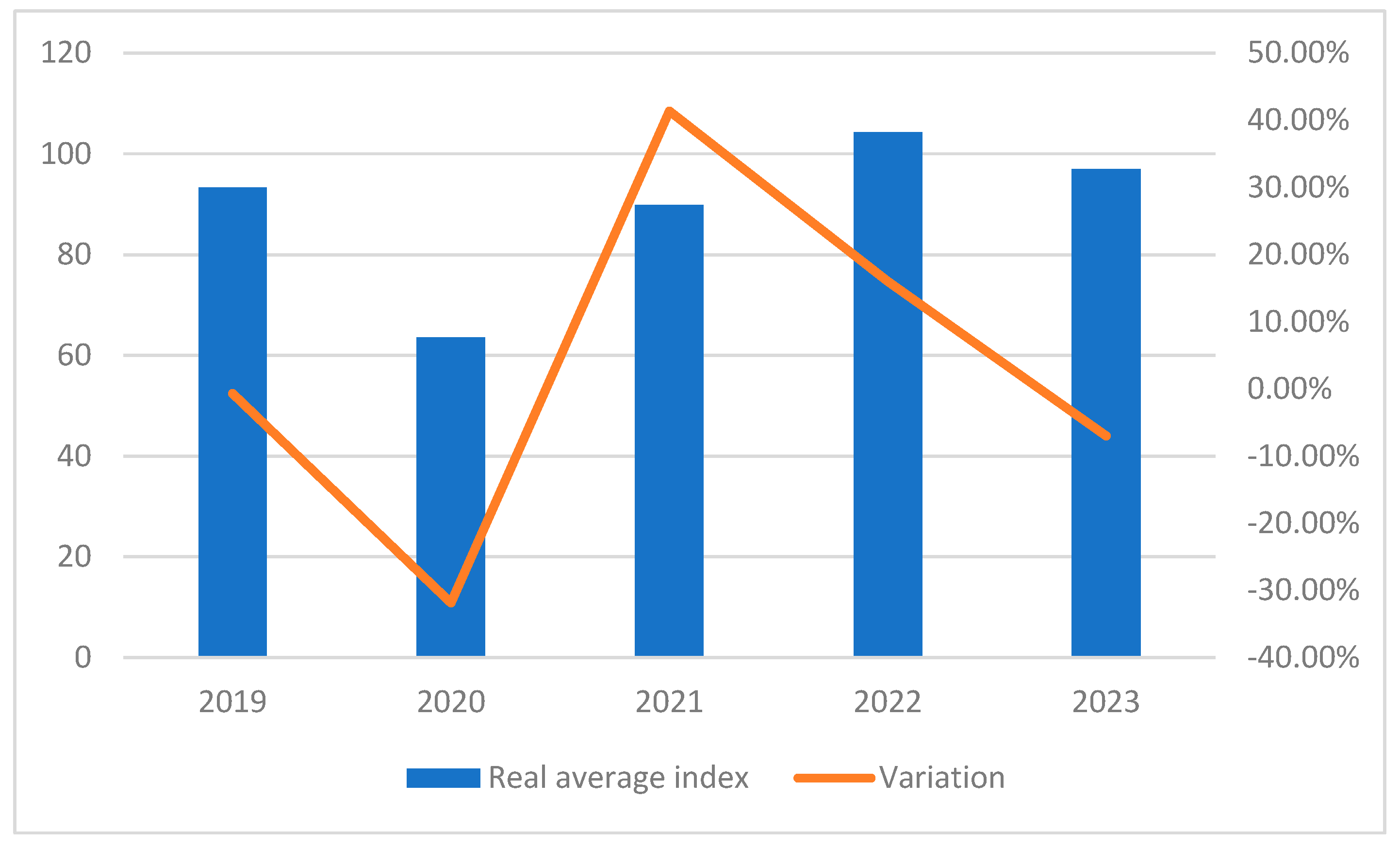
Figure 2.
Phases of the Proposed Methodology. Source: Adapted from {22].
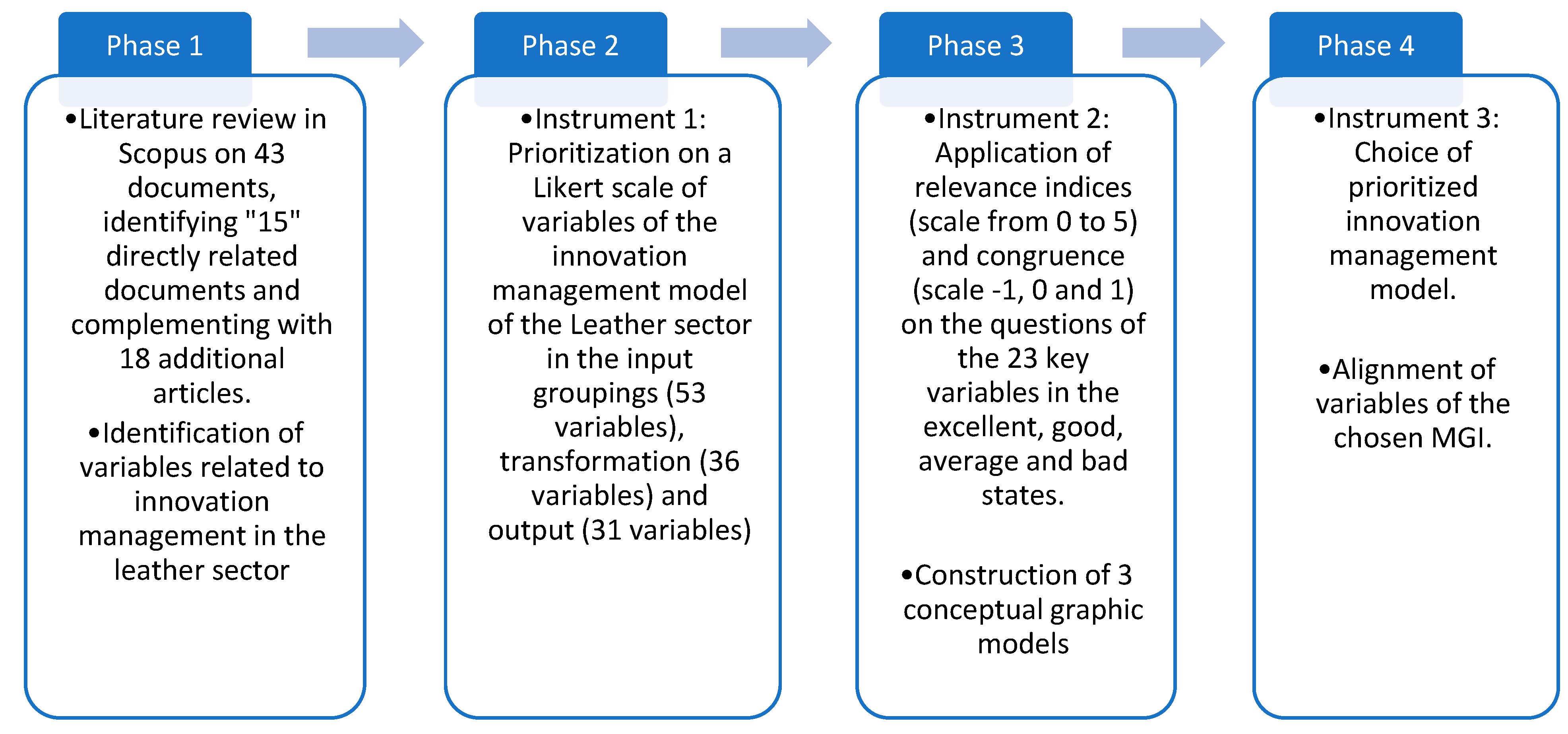
Figure 3.
PRISMA Flw Diagram. Source: Own elaboration (2024).
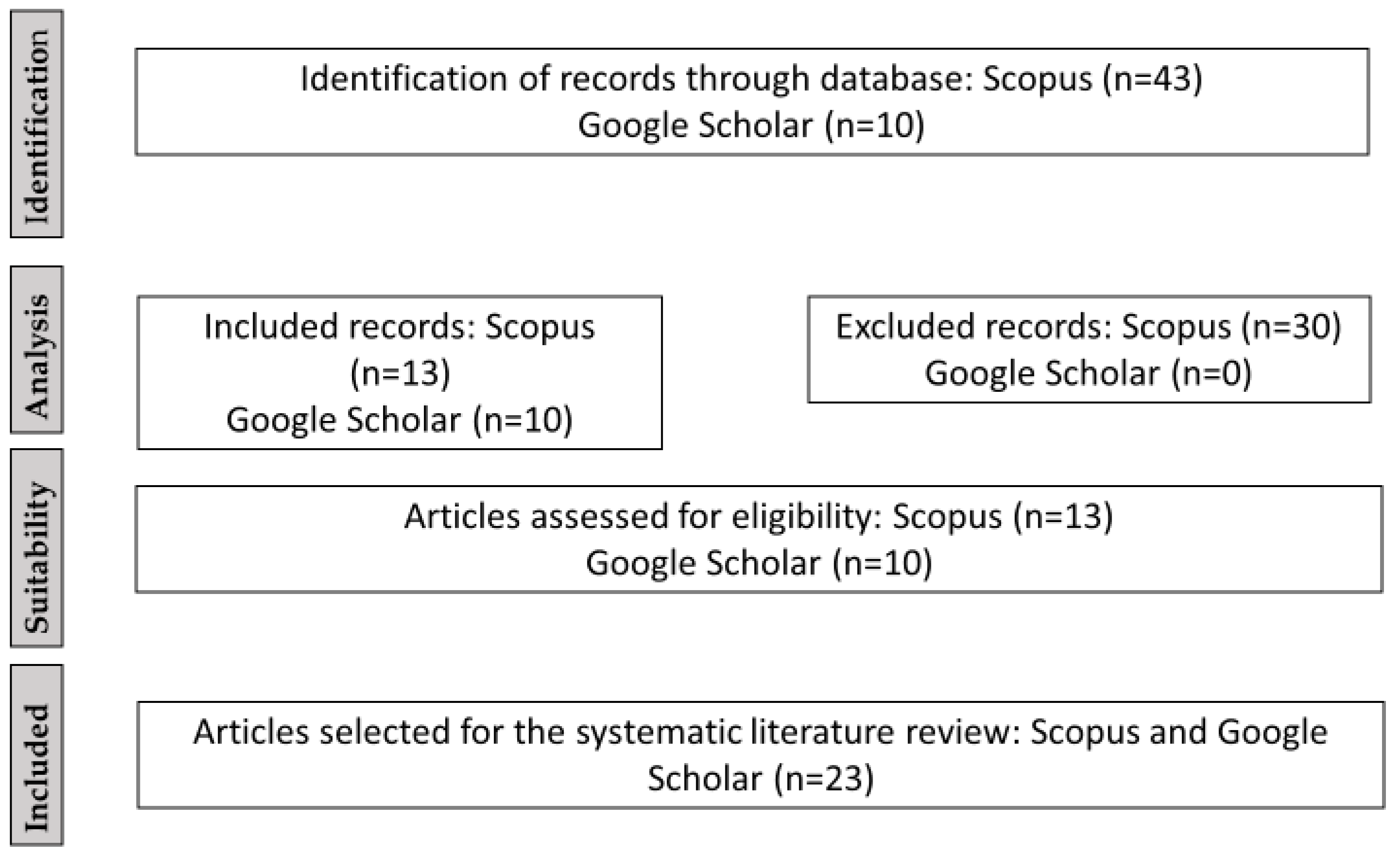
Figure 4.
First Proposed Linear Model. Source: Own elaboration (2024).
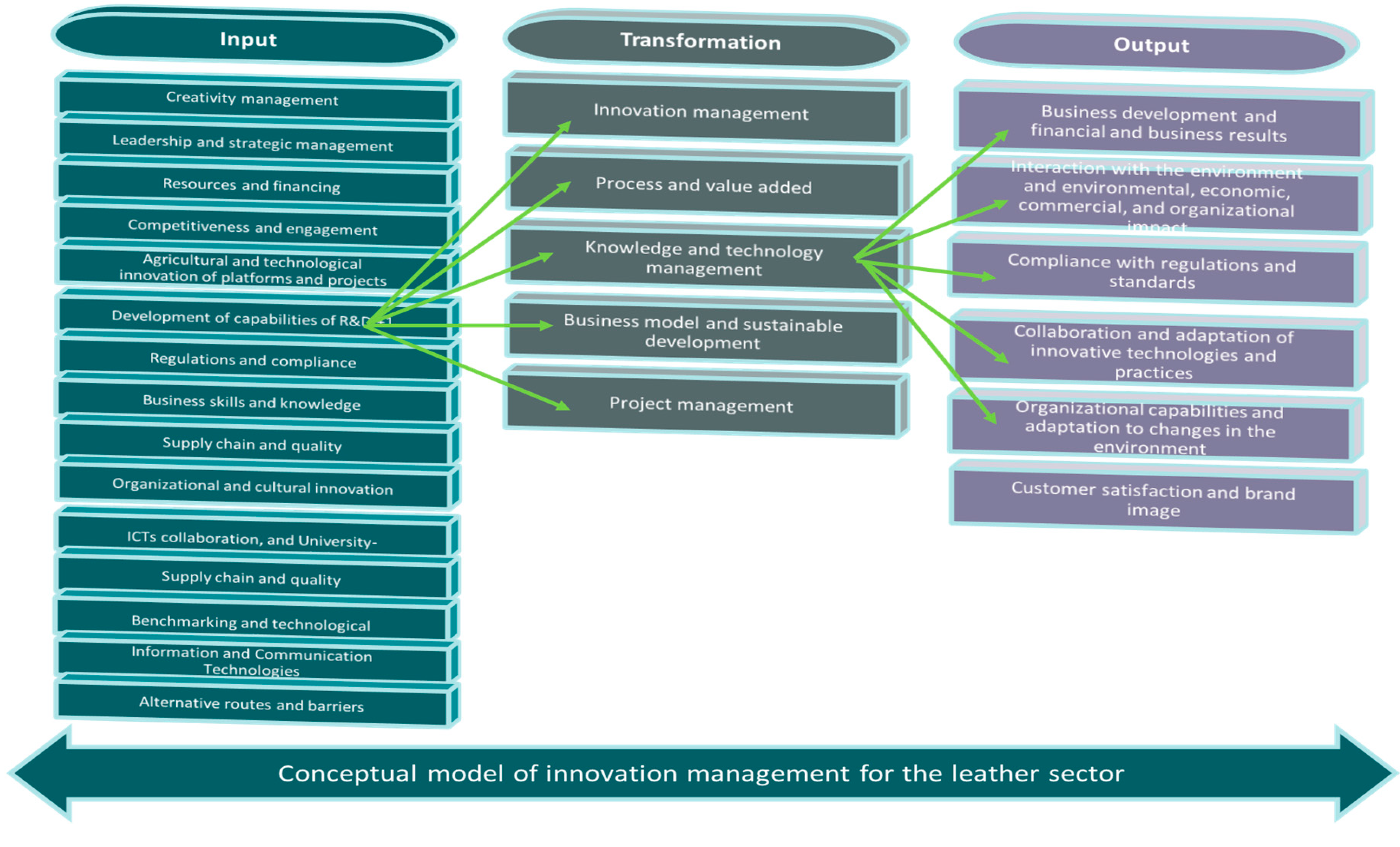
Figure 5.
Second Proposed Generic-Interactive Model. Source: Own elaboration (2024).
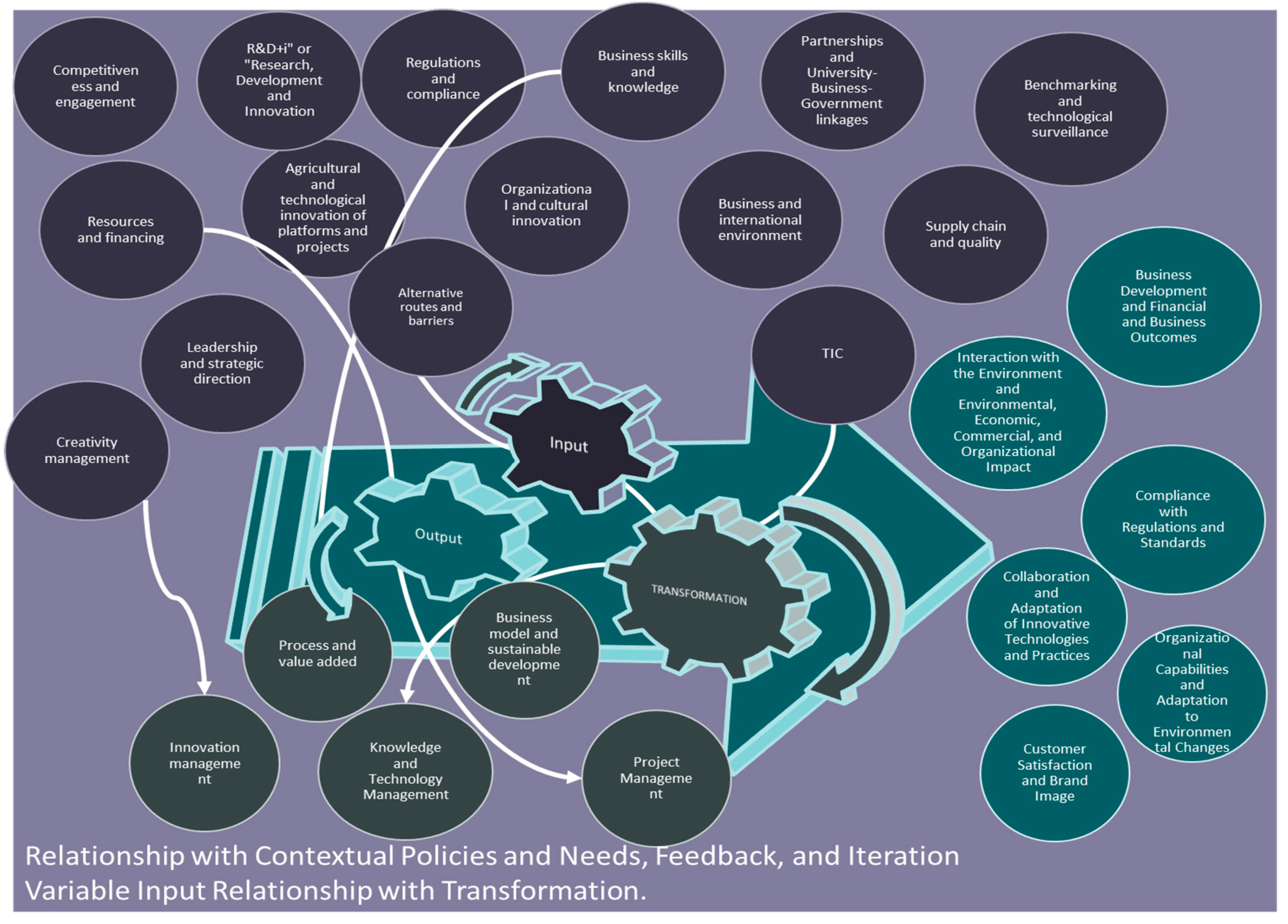
Figure 6.
Third Proposed Model: Strategic Alignment and Innovation Model. Source: Own elaboration (2024)
Figure 6.
Third Proposed Model: Strategic Alignment and Innovation Model. Source: Own elaboration (2024)
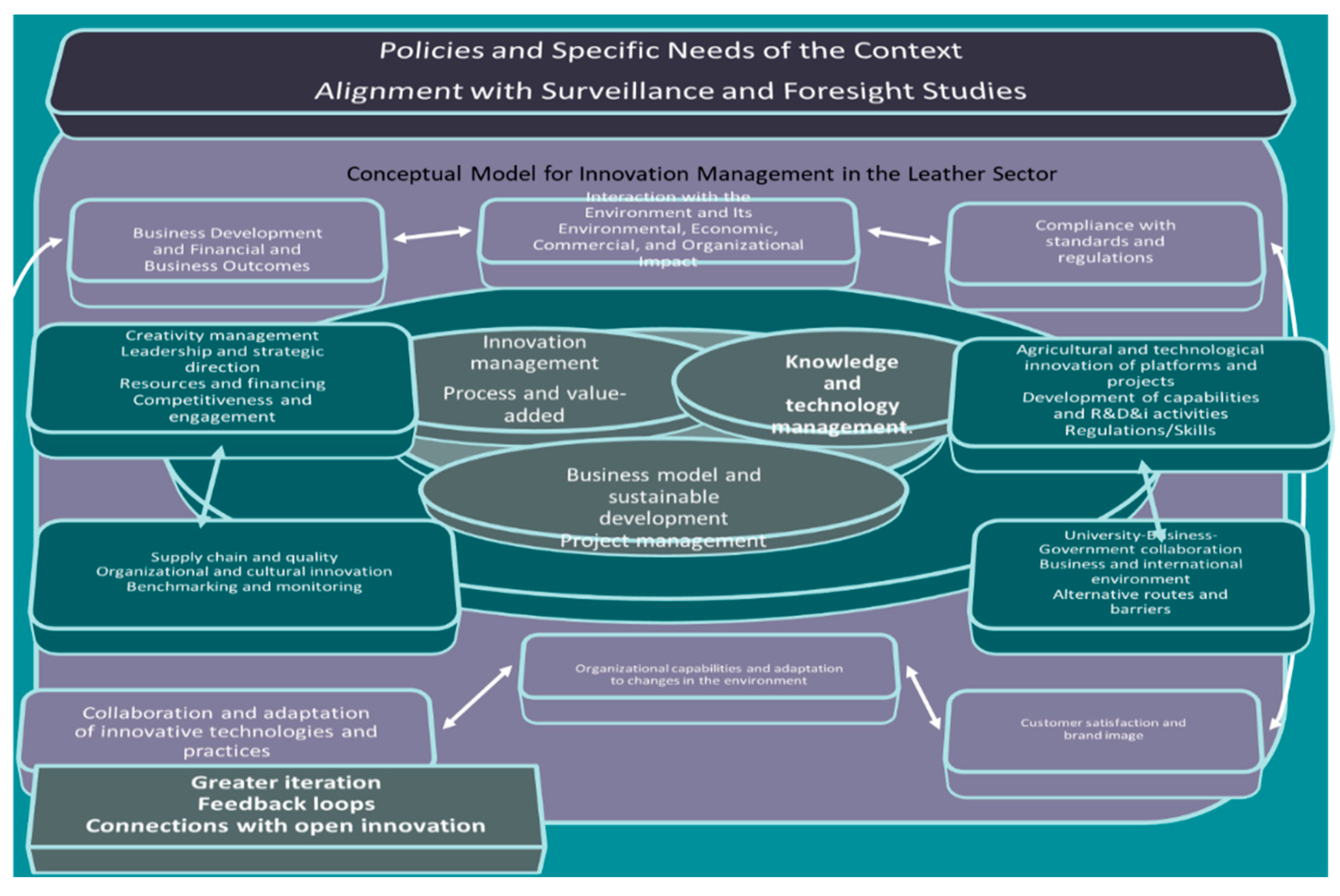
Figure 7.
Documents by subjet area. Soruce: Scopus (2024).
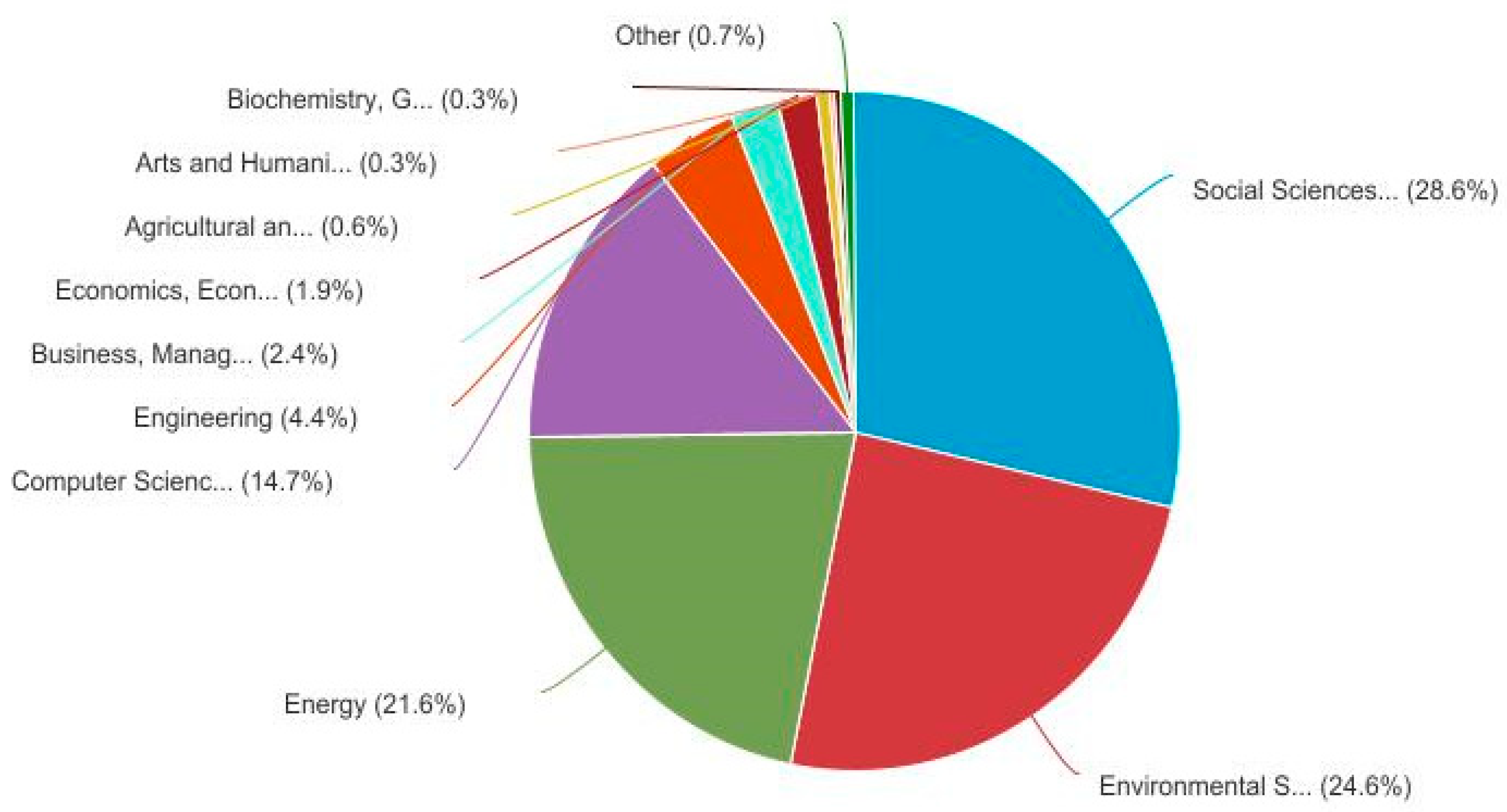
Figure 8.
Documents by subjet area. Source: Scopus (2024).
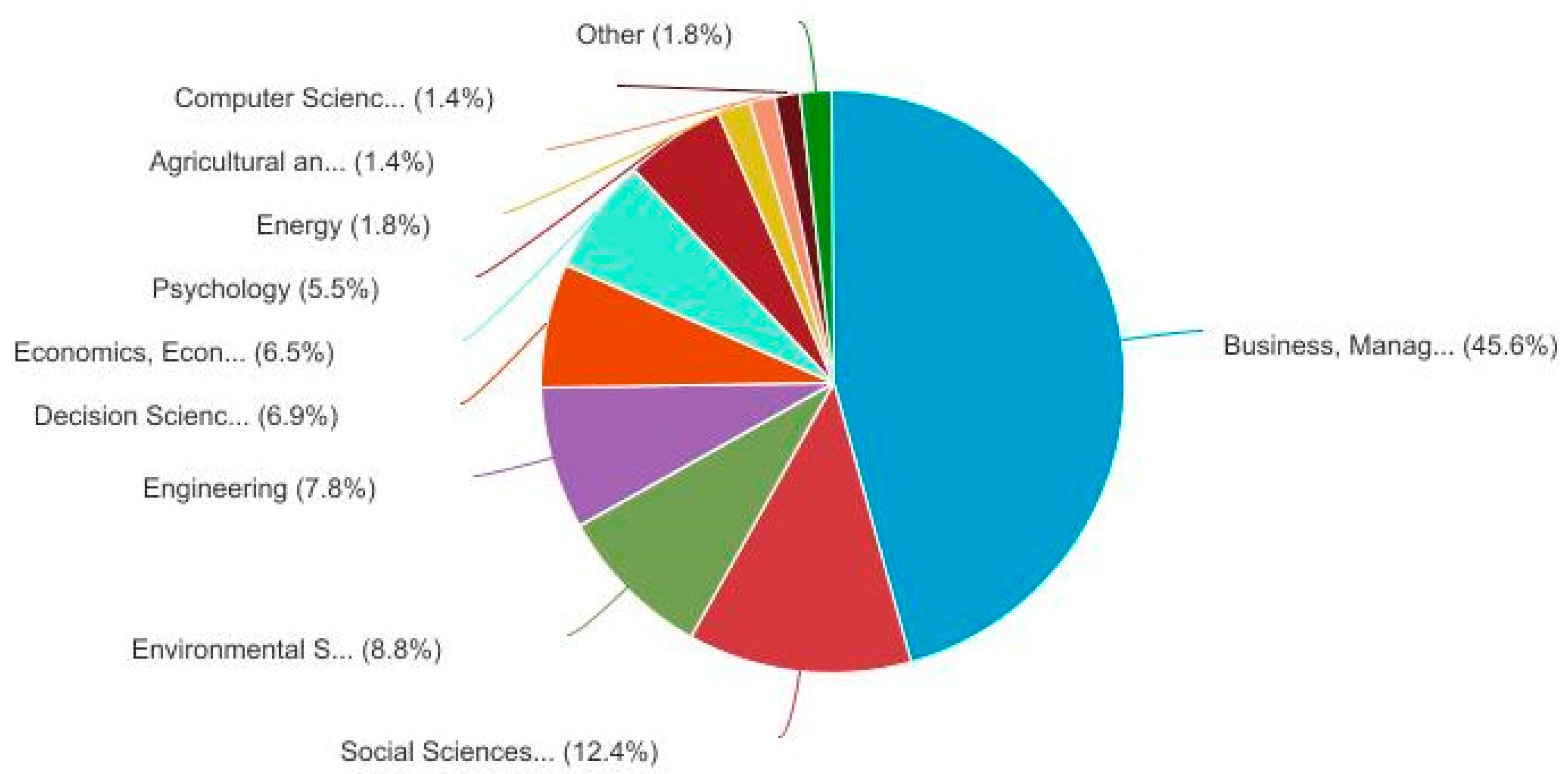

Table 1.
Search equation in Scopus for the leather sector.
| Search equations | Number of articles | Related articles |
| TITLE-ABS-KEY (“Innovation Management Models” AND “Leather Industry”) | 4 | 0 |
| TITLE-ABS-KEY (“Leather management” OR “Leather management model”) AND (Tanning OR “Footwear manufacturing” OR “Leather goods” OR “Leather clothing manufacturing” OR“Automotive industry” OR “Leather furniture” OR “Leather sports goods” OR“Luxury leather products” OR “Fur industry” OR “Leather stationery” OR “Leather arts and crafts”) | 1 | 1 |
| TITLE-ABS-KEY (“Innovation Management”) AND (“Leather Industry” OR “Leather Sector”) | 4 | 0 |
| TITLE-ABS-KEY (“Leather Industry” OR “Leather Sector” OR “Leather Goods” OR “Leather Products” OR “Maroquinerie”) AND (“Innovation Management” OR “Innovation Models” OR “Innovation Practices” OR “Innovation Strategies”) | 29 | 8 |
| TITLE-ABS-KEY (“Leather”) AND TITLE-ABS-KEY ( “innovation strategies” ) | 3 | 2 |
| TITLE-ABS-KEY (“Leather” ) AND TITLE-ABS-KEY ( “Innovation Management”) | 2 | 2 |
Table 2.
Search Equation for the Leather Sector in Google Scholar.
| Key words | Related articles |
|---|---|
| Models of innovation management and innovation models.Principio del formularioFinal del formulario | 10 |
Table 3.
Unassociated Variables vs. Associated Variables for MGI Graphing.
| Unassociated variablesPrincipio del formularioFinal del formulario | Associated variables |
|---|---|
| Input variables | |
| Management of ideas/creativity, leadership, financing resources, personnel and facilities, investment in equipment and infrastructure, types of innovation, competitiveness, engagement, R&D&I activities, capacity development, agricultural innovation platforms, technological innovation projects, innovation management models, compliance with government policies and regulations, management roles and strategic direction, business acumen, knowledge engineering, food supply chain, knowledge generation, customer and consumer demand, benchmarking, product quality, alternative pathways of innovation, organizational innovation, culture and climate of innovation, product innovation, process/technology innovation, surveillance and technological and competitive intelligence, information and communication technologies, emerging production technologies, future production systems, barriers in the innovation environment, collaboration, University-Business-Government linkage, business environment conditions and international market, financing resources, personnel, and facilities. | Innovation Management. Leadership and strategic direction. Resources and financing. Competitiveness and engagement. Agricultural and technological innovation of platforms and projects. Development of capabilities and R&D&I activities. Business skills and knowledge. Supply chain and quality. Organizational and cultural innovation. Benchmarking and technological surveillance. ICT. Associativity and University-Business-State linkage. Business environment and international context. Alternative pathways and barriers. |
| Transformation variables | |
| Strategy for innovation management, production process, value-added transformation, development of new products through testing and prototyping, knowledge management, design thinking, lean and agile processes, technology management, diffusion of innovations, business model, value chain, technological development, knowledge preservation, growth strategy, product innovation program, project management, sustainable development, market innovation and opportunity analysis, circular economy, knowledge management, strategic innovation projects. | Innovation Management: Process and Value Addition. Knowledge and Technology Management. Business Model and Sustainable Development. Project Management.Principio del formularioFinal del formulario |
| Output variables | |
| Competitive advantages, enhanced product portfolio, know-how (acquired knowledge), value creation, product portfolio, effectiveness of strategic planning in project management, consumer engagement, financial and business outcomes, development of financial sustainability, strategies and partnerships, profitability of innovation, adoption of innovative technologies and practices, environmental impact and sustainability, economic and commercial impact, strategic and organizational implications, customer satisfaction, brand image, organizational resilience, access to new markets, supply chain enhancement, development of new capabilities, adaptation to environmental changes, compliance with standards and regulations, participation in innovation networks. | Business development and financial performance. Interaction with the environment and environmental, economic, commercial, and organizational impact. Compliance with standards and regulations. Collaboration and adoption of innovative technologies and practices. Organizational capabilities and adaptation to environmental changes. Customer satisfaction and brand image. |
Source: Own elaboration (2024).
Disclaimer/Publisher’s Note: The statements, opinions and data contained in all publications are solely those of the individual author(s) and contributor(s) and not of MDPI and/or the editor(s). MDPI and/or the editor(s) disclaim responsibility for any injury to people or property resulting from any ideas, methods, instructions or products referred to in the content. |
© 2024 by the authors. Licensee MDPI, Basel, Switzerland. This article is an open access article distributed under the terms and conditions of the Creative Commons Attribution (CC BY) license (http://creativecommons.org/licenses/by/4.0/).
Copyright: This open access article is published under a Creative Commons CC BY 4.0 license, which permit the free download, distribution, and reuse, provided that the author and preprint are cited in any reuse.


