Preprint
Review

This version is not peer-reviewed.

A New Era of Disease‐Modifying Pharmacotherapy in Cardiovascular Medicine

Submitted:

09 December 2025

Posted:

10 December 2025

You are already at the latest version

Abstract

Background/Objectives: Cardiovascular disease (CVD) remains the leading cause of global morbidity and mortality. Although substantial therapeutic advances have been made over the past decades, the years 2024–2025 mark a turning point characterized by the emergence of mechanistically innovative, disease-modifying therapies that go beyond conventional risk-factor control. This narrative review aims to synthesize transformative pharmacological and regulatory milestones reshaping contemporary cardiovascular practice and establishing a roadmap for precision medicine implementation. Methods: We conducted a comprehensive narrative review of pivotal clinical trials, regulatory approvals and mechanistic frameworks for emerging cardiovascular therapeutics approved or under investigation during 2024–2025. The analysis encompasses novel agents across multiple disease domains including transthyretin amyloid cardiomyopathy (ATTR-CM), resistant hypertension, dyslipidemia, pulmonary arterial hypertension, hypertrophic cardiomyopathy, and cardiometabolic disease, with emphasis on their molecular targets, clinical efficacy, and practice-changing implications. Results: Key therapeutic advances include acoramidis and vutrisiran for ATTR-CM demonstrating significant reductions in cardiovascular mortality and hospitalization; aprocitentan for resistant hypertension alongside investigational angiotensinogen silencers and aldosterone synthase inhibitors; RNA-based dyslipidemia therapies (inclisiran, lepodisiran, pelacarsen, olezarsen) enabling durable lipid control; sotatercept introducing disease modification in pulmonary arterial hypertension; cardiac myosin inhibitors (mavacamten, aficamten) transforming hypertrophic cardiomyopathy management; and GLP-1 receptor agonist semaglutide receiving FDA approval for cardiovascular risk reduction in obesity. These agents collectively demonstrate mechanistic targeting, genetic precision, and disease modification beyond traditional risk-factor management. Conclusions: Cardiovascular medicine is transitioning from symptomatic palliation toward an era defined by molecular pathway targeting, individualized therapy, and durable disease control, establishing a new paradigm for precision cardiovascular care.

Keywords: 
;  ;  ;  

1. Introduction

Cardiovascular disease (CVD) persists as the foremost contributor to global morbidity and mortality, despite decades of pharmacological advances [1]. The burden of heart failure, atherosclerosis, hypertension, cardiometabolic disorders, amyloid cardiomyopathies, and pulmonary vascular disease continues to grow, driven by population ageing, obesity, and risk factor accrual [2]. In this context, the period 2024-2025 has witnessed several first-in-class and mechanistically novel therapies, as well as expanded indications, that promise to alter the landscape of CVD prevention and treatment.
This narrative review is motivated by the need to synthesize these recent developments, beyond incremental improvements, in order to understand how they may shift clinical paradigms. Among these, some stand out. The approval of acoramidis (Attruby™), a near-complete (>90%) transthyretin (TTR) stabilizer for treatment of wild-type and hereditary transthyretin-mediated cardiomyopathy (ATTR-CM), marking a major advance in amyloidosis management [3]. In the pivotal ATTRibute-CM Phase 3 trial, acoramidis significantly reduced cardiovascular death and hospitalization in patients with ATTR-CM over 30 months [4]. Another innovation is aprocitentan (Tryvio™), a dual endothelin A/B receptor antagonist approved in 2024 for resistant hypertension; hypertension inadequately controlled despite multi-drug regimens [5]. Derived from the PRECISION trial, aprocitentan represents the first oral antihypertensive in decades acting via a novel pathway [6]. A third is the expanded indication for semaglutide: in early 2024, the U.S. Food and Drug Administration (FDA) granted a label expansion for adults with obesity or overweight and established CVD, to reduce risk of major adverse cardiovascular events (MACE), cardiovascular death, non-fatal myocardial infarction, or non-fatal stroke [7]. These developments are not without precedent; however, their novelty lies in mechanistic diversity, broader disease targets, and shifting from risk factor modification to disease-modifying treatments. In amyloidosis, the priority has been advancing from stabilizers or silencers toward earlier detection and improved prognostication [8]. Concerning hypertension and metabolic risk, adding new classes (e.g. endothelin antagonism) or expanding existing ones (e.g. GLP-1 receptor agonists) suggest opportunities to target patients with unmet needs [9,10].
In this review, we aim to: (1) delineate the recent therapeutics and regulatory approvals in 2024-2025 that most substantially influence the prevention or management of CVD; (2) examine the mechanistic underpinnings of these innovations; (3) assess their clinical trial evidence, benefits, and limitations; and (4) project directions for implementation, diagnostic refinement, long-term safety, and health system adoption. Through this synthesis, we intend to inform clinicians, researchers, and policymakers about how cardiovascular practice may evolve in this new era.

2. Materials and Methods

We followed the Scale for the Assessment of Narrative Review Articles (SANRA) to enhance methodological rigor (aim; literature search; referencing; scientific reasoning; appropriate presentation; and interpretive balance) [11].

Literature Search

We searched PubMed/MEDLINE, Embase, and Cochrane Library (Jan 2020–Sep 2025) using combinations of controlled vocabulary and keywords: “cardiovascular pharmacology”, “transthyretin cardiomyopathy”, “vutrisiran”, “acoramidis”, “lipoprotein(a)”, “pelacarsen”, “lepodisiran”, “siRNA hypertension”, “zilebesiran”, “aldosterone synthase inhibitor”, “baxdrostat”, “GLP-1 cardiovascular outcomes”, “inclisiran label”, “apoC-III inhibitor”, “olezarsen”, “angiopoietin-like 3”, “sotatercept”, “pulmonary arterial hypertension”, “cardiac myosin inhibitor”, “mavacamten”, “aficamten”. We also reviewed recent guidelines/labels and regulatory communications, and high-impact conference outputs where peer-reviewed publications were pending. Eligibility and selection. Priority was given to randomized trials, meta-analyses, large prospective cohorts, pivotal open-label extensions, drug labels, and regulatory summaries. We included high-quality narrative reviews for context and mechanistic framing. Pediatric-only studies and non-cardiovascular indications were excluded. Appraisal and synthesis. We qualitatively appraised study design, endpoints (including “hard” outcomes), external validity, safety, and regulatory status. Given the narrative design, no pooled quantitative synthesis was attempted; instead, we triangulated across trial data, labels, and expert reviews to maintain interpretive balance and explicitly note uncertainty. Referencing and transparency. References are recent, traceable (with DOIs where available), and include regulatory documents for factual accuracy. We indicate where evidence remains preliminary or where outcome data are pending, consistent with SANRA’s emphasis on scientific reasoning and appropriate presentation. All the found publications were grouped in 8 different categories (see the Results section, paragraphs 3.1 to 3.8.).

3. Results

3.1. Transthyretin Amyloid Cardiomyopathy (ATTR-CM): Stabilizers and Silencers

ATTR-CM is a progressive, life-threatening condition caused by the deposition of misfolded transthyretin protein in the myocardium [12]. Both wild-type and hereditary forms result in restrictive cardiomyopathy, heart failure, and premature mortality. Two complementary mechanistic approaches have emerged: transthyretin (TTR) stabilization prevents protein misfolding and amyloid formation, while TTR silencing reduces hepatic production of the precursor protein through RNA interference.
Acoramidis. Acoramidis is a near-complete (>90%) transthyretin stabilizer that binds to the TTR tetramer, preventing its dissociation into monomers and subsequent misfolding into amyloid fibrils [3], (Figure 1A). This mechanism directly addresses the pathophysiology of myocardial amyloid deposition. In late 2024, the U.S. FDA approved acoramidis (Attruby™) for the treatment of ATTR-CM, encompassing both wild-type and variant forms [7]. This approval was supported by pivotal Phase 3 trial data and long-term extension results, which collectively demonstrated significant reductions in cardiovascular death and cardiovascular-related hospitalizations, along with sustained improvements in functional capacity and quality of life over approximately 30 months of follow-up [13,14]. The therapeutic effect reflects its mechanism as a near-complete TTR stabilizer, which prevents misfolding and amyloid fibril deposition in the myocardium.
Vutrisiran. Vutrisiran is a subcutaneous small interfering RNA (siRNA) therapy that targets hepatic TTR mRNA, achieving sustained suppression (>80%) of circulating TTR protein production (Figure 1A). By reducing substrate availability, vutrisiran prevents new amyloid formation. In 2025, based on important studies, the FDA expanded the indication of vutrisiran (AMVUTTRA™) to include ATTR-CM. Evidence from the HELIOS-B trial demonstrated clinically meaningful reductions in all-cause and cardiovascular mortality, as well as fewer hospitalizations compared with placebo [15,16]. Together, TTR stabilization (acoramidis) and TTR silencing (vutrisiran, with eplontersen in development) represent complementary, disease-modifying strategies that are reshaping management across the amyloidosis spectrum. Stabilizers may be preferred in cardiac-predominant disease, while silencers offer advantages in mixed phenotypes with neurologic involvement. Head-to-head trials are needed to define optimal sequencing. Ongoing research focuses on earlier diagnosis through biomarker discovery, imaging refinement (bone scintigraphy, cardiac MRI with native T1 mapping), and genetic testing implementation. Combination therapies pairing stabilizers with silencers are under investigation.

3.2. Lipoprotein(a) [Lp(a)] Targeting: Antisense and siRNA

Elevated lipoprotein(a) [Lp(a)] is a genetically determined, independent risk factor for atherosclerotic cardiovascular disease (ASCVD), aortic stenosis, and thrombotic events [17]. Approximately 20-25% of the population has elevated Lp(a) levels (>50 mg/dL), which do not respond to statins or lifestyle modification. This important form of dyslipidemia has recently gained new and promising therapeutic perspectives [18,19]. Both antisense oligonucleotides (ASOs) and siRNAs target hepatic apolipoprotein(a) mRNA, reducing Lp(a) synthesis and circulating levels. These RNA-based therapies offer sustained effects with infrequent dosing.
Lepodisiran, is a subcutaneous siRNA that induces degradation of apolipoprotein(a) mRNA in hepatocytes through RNA interference, leading to profound and durable Lp(a) reduction (Figure 1B). This drug demonstrated an approximately 94% sustained reduction in circulating Lp(a) levels at 6 months in Phase 2 trials, with an acceptable safety and tolerability profile [20]. In parallel, pelacarsen, a monthly subcutaneous antisense oligonucleotide that binds to apolipoprotein(a) mRNA, triggering its degradation and reducing Lp(a) production, is undergoing a large Phase 3 cardiovascular outcomes trial [Lp(a)HORIZON] designed to determine its impact on major adverse cardiovascular events (MACE) [21]. Moreover, additional siRNA and ASO agents, including zerlasiran (SLN360), are progressing through Phase 2 development, potentially offering greater flexibility in dosing schedules and enhanced durability of Lp(a) suppression [22].
These drugs will potentially transform cardiovascular prevention by addressing a major residual risk factor. Infrequent dosing (quarterly to biannually) may improve adherence compared with daily oral therapies. Key questions include: patient selection criteria (primary versus secondary prevention, Lp(a) thresholds), and long-term safety of profound Lp(a) suppression. Finally, integration with existing lipid-lowering strategies requires definition.

3.3. Hypertension: Upstream Modulation of the Renin-Angiotensin-Aldosterone System (RAAS) Axis

Resistant hypertension remains a major clinical challenge, contributing substantially to cardiovascular morbidity and mortality despite the availability of multiple therapeutic classes. Novel agents targeting upstream pathways of blood pressure regulation are generating considerable interest. Angiotensinogen siRNA reduces substrate availability for the entire RAAS cascade, while aldosterone synthase inhibition selectively blocks the final step of aldosterone production without affecting cortisol synthesis.
Zilebesiran, an investigational siRNA directed against hepatic angiotensinogen mRNA (Figure 1C), has demonstrated sustained reductions in both daytime and nighttime blood pressure with infrequent dosing in early-phase studies, although longer-term efficacy and safety remain under active investigation [23,24]. A Phase 3 program planned to initiate in 2025 and if confirmed in Phase 3, zilebesiran could revolutionize adherence by shifting from daily to quarterly or semi-annual dosing, potentially improving long-term cardiovascular outcomes in resistant hypertension. Similarly, baxdrostat, a highly selective aldosterone synthase inhibitor (Figure 1C), produced clinically meaningful improvements in systolic blood pressure in patients with uncontrolled or resistant hypertension in the Phase 3 BaxHTN trial, yielding placebo-adjusted reductions of approximately 9–10 mmHg and significantly higher attainment of target blood pressure goals [25,26]. Unlike non-selective inhibitors, baxdrostat does not affect cortisol production (CYP11B1), avoiding adrenal insufficiency risk. These upstream-acting agents promise simplified dosing schedules, improved adherence, and potentially more consistent long-term blood pressure control.
Aprocitentan, although not an upstream modulator of the RAAS, is a dual endothelin A/B receptor antagonist (Tryvio™), (Figure 1C), that received FDA approval in 2024 for the treatment of resistant hypertension [5]. This approval was based on the results of the PRECISION trial and provides a novel therapeutic option for this difficult-to-treat population [6]. Zilebesiran (infrequent dosing, comprehensive RAAS blockade) and baxdrostat (oral daily dosing, selective aldosterone inhibition) offer complementary approaches. Patient-specific factors (adherence potential, hyperkalemia risk, preference for oral vs. subcutaneous therapy) will guide selection. Long-term cardiovascular outcomes data, optimal patient phenotyping (plasma renin activity, aldosterone levels), and positioning within treatment algorithms remain to be established. Combination strategies with existing antihypertensives require investigation.

3.4. Heart Failure: Consolidation and Refinement

HF management has evolved from symptomatic palliation to evidence-based, guideline-directed medical therapy (GDMT) that modifies disease progression. Standards of care for HF, including angiotensin receptor–neprilysin inhibitors (ARNI), sodium–glucose cotransporter 2 (SGLT2) inhibitors, β-blockers, and mineralocorticoid receptor antagonists (MRAs), continue to evolve, with recent syntheses emphasizing the importance of individualized sequencing and patient-tailored regimens to optimize outcomes [27]. In parallel, regenerative approaches such as mesenchymal stem cell (MSC) therapies remain under investigation. Preliminary results suggest potential improvements in ventricular function and symptoms, but inconsistent methodologies, small sample sizes, and short follow-up durations limit definitive conclusions, underscoring the need for larger, rigorously designed trials [28]. Furthermore, metabolic modulators, particularly glucagon-like peptide-1 receptor agonists (GLP-1 RAs), are emerging as valuable adjuncts, intersecting with both HF and renal protection strategies, thereby broadening the therapeutic landscape [29,30]. The focus has shifted from choosing the right therapies to implementing them effectively in real-world practice, optimizing sequencing, accelerating titration, and overcoming clinical inertia to ensure timely and comprehensive treatment.

3.5. Lipid and Triglyceride Modulation Beyond Statins

Despite widespread statin use, substantial residual ASCVD risk persists. Patients with familial dyslipidemias, statin intolerance, or inadequate LDL-C reduction on maximum tolerated therapy require additional options. Hypertriglyceridemia, particularly severe forms, also necessitates targeted intervention [31]. A growing armamentarium of non-statin therapies now targets diverse mechanisms of lipid metabolism, offering options for patients with statin intolerance, familial dyslipidemias, or those unable to achieve optimal risk reduction on standard regimens. Non-statin lipid therapies target diverse mechanisms: PCSK9 inhibition (antibodies and siRNA), intestinal cholesterol absorption blockade (ezetimibe), hepatic cholesterol synthesis inhibition (bempedoic acid), apolipoprotein C-III reduction (olezarsen), and ANGPTL3 inhibition (evinacumab).
Inclisiran, a siRNA against PCSK9, has emerged as a transformative therapy [32,33]. By silencing PCSK9 production, inclisiran increases hepatic LDL receptor expression and enhances LDL-C clearance from circulation (Figure 1D). The ORION Phase 3 program demonstrated sustained LDL-C reductions of approximately 50% with twice-yearly maintenance dosing (after initial doses at baseline and 3 months). The convenience of biannual dosing addresses adherence challenges inherent to daily oral therapies [32,33]. In 2024, a U.S. label update positioned it as a potential first-line monotherapy for hypercholesterolemia, reflecting its robust low-density lipoprotein cholesterol (LDL-C) lowering efficacy and the convenience of twice-yearly maintenance dosing. Long-term cardiovascular outcomes trials are ongoing to establish definitive benefit [34].
Bempedoic acid, a largely accepted drug [35], particularly when combined with ezetimibe, has further reinforced therapeutic strategies for statin-intolerant or high-risk patients, providing significant incremental LDL-C reduction and improved attainment of lipid targets [36]. Bempedoic acid is an oral prodrug that inhibits ATP citrate lyase, a key enzyme in hepatic cholesterol synthesis upstream of HMG-CoA reductase (the statin target). It is activated only in the liver, avoiding muscle-related adverse effects. The CLEAR Outcomes trial (N=13,970) demonstrated that bempedoic acid reduced MACE (cardiovascular death, MI, stroke, coronary revascularization) by 13% (hazard ratio 0.87, p=0.004) in statin-intolerant patients over a median of 3.4 years. LDL-C reduction averaged 21% [35].
For severe hypertriglyceridemia, the approval of olezarsen, an antisense oligonucleotide (ASO) targeting apolipoprotein C-III (apoC-III), represents a significant therapeutic advancement [37]. ApoC-III inhibits lipoprotein lipase and hepatic uptake of triglyceride-rich lipoproteins; its reduction enhances triglyceride clearance. The Phase 3 BALANCE trial in familial chylomicronemia syndrome (FCS) demonstrated triglyceride reductions of approximately 50-80%, with significant reductions in pancreatitis events. Monthly dosing provided sustained triglyceride control [38]. Additionally, angiopoietin-like 3 (ANGPTL3) inhibition, exemplified by evinacumab, continues to show value in refractory hypercholesterolemia, while investigational siRNA-based approaches against triglyceride-rich lipoproteins are advancing rapidly [39,40]. Evinacumab is a monoclonal antibody that inhibits angiopoietin-like protein 3 (ANGPTL3), a regulator of lipid metabolism. ANGPTL3 inhibition increases lipolysis and hepatic lipid uptake, reducing LDL-C, triglycerides, and Lp(a). Evinacumab demonstrated LDL-C reductions of 47-56% in patients with homozygous familial hypercholesterolemia (HoFH), a population with limited therapeutic options [39]. FDA approved for HoFH in 2021, evinacumab provides a lifeline for HoFH patients who fail maximal therapy. Investigational siRNA approaches targeting ANGPTL3 may extend this mechanism to broader populations [40]. Collectively, these agents broaden the landscape of lipid management much beyond statins, moving toward precision therapy tailored to individual metabolic and genetic profiles.

3.6. Pulmonary Arterial Hypertension (PAH): A First-In-Class TGF-β Superfamily Modulator

Pulmonary arterial hypertension (PAH) is a rare, progressive disorder characterized by pulmonary vascular remodeling, elevated pulmonary artery pressures, and right heart failure. Despite advances with vasodilator therapies (endothelin receptor antagonists, phosphodiesterase-5 inhibitors, prostacyclin analogs), disease progression remains a major challenge, with 5-year survival rates of approximately 60% [41]. In PAH, suppression of the BMPR2 pathway leads to an imbalance between pro-proliferative and anti-proliferative signals, resulting in pulmonary vascular smooth muscle cell proliferation and endothelial dysfunction.
Sotatercept targets the underlying pathobiology of PAH by modulating the transforming growth factor-β (TGF-β) superfamily signaling pathway [42]. Sotatercept is an activin receptor type IIA-Fc fusion protein that acts as a ligand trap, sequestering activins and growth differentiation factors (GDFs) that promote vascular remodeling (Figure 1E). By rebalancing TGF-β superfamily signaling, sotatercept inhibits pulmonary vascular smooth muscle cell proliferation and promotes vascular normalization [43]. The pivotal Phase 3 STELLAR trial (N=323) evaluated sotatercept as add-on therapy to background PAH treatment. At 24 weeks, sotatercept improved 6-minute walk distance (6MWD) by a mean of 40.8 meters compared with placebo (p<0.001), reduced pulmonary vascular resistance by 28% (p<0.001), and significantly delayed time to clinical worsening (hazard ratio 0.16, p<0.001). Benefits were sustained through 24 months of follow-up in extension studies [44]. Additional analysis (SPECTRA) demonstrated improvements in right ventricular function and exercise tolerance, key determinants of prognosis in PAH [45]. Common adverse events included thrombocytopenia (generally mild and reversible), increased hemoglobin (requiring monitoring), telangiectasias, and bleeding events. Careful monitoring and dose adjustments mitigate risks.

3.7. Cardiometabolic Therapies with Cardiovascular Outcome Benefits

Cardiometabolic disorders such as obesity, diabetes, and HF are tightly interlinked, amplifying cardiovascular risk and adverse outcomes [3]. Recent therapeutic innovations now target these overlapping pathways, offering disease-modifying benefits that extend beyond traditional glucose or weight control.
Metabolic Modulators: GLP-1 Receptor Agonists
The intersection of cardiometabolic disease and cardiovascular prevention has been redefined by recent therapeutic breakthroughs. Semaglutide, a glucagon-like peptide-1 receptor agonist (GLP-1 RA), became in 2024 the first weight-loss medication granted an FDA indication specifically to reduce cardiovascular risk in adults with established CVD [7]. Evidence from the SELECT trial demonstrated a 20% relative risk reduction in major adverse cardiovascular events (MACE; hazard ratio 0.80), underscoring the dual benefits of obesity treatment and cardiovascular protection, and thereby bridging two traditionally distinct areas of management [46,47]. Beyond glucose control and weight loss, GLP-1 RAs exert direct cardiovascular effects including improved endothelial function, reduced inflammation, and favorable hemodynamic effects. While not specifically HF trials, SELECT (semaglutide 2.4 mg) demonstrated MACE reduction in patients with obesity and established CVD, many of whom had HF risk factors [48]. Dedicated HF outcomes trials are ongoing [29,30]. GLP-1 RAs are increasingly integrated into HF management for patients with obesity, diabetes, and cardiometabolic risk, representing convergence of metabolic and cardiovascular therapeutics [49]. Meanwhile, sodium–glucose cotransporter 2 (SGLT2) inhibitors continue to provide robust benefits in HF and renal protection across the spectrum of ejection fractions and comorbid phenotypes, consolidating their role as foundational cardiometabolic agents [50]. SGLT2 inhibitors improve HF outcomes through multiple mechanisms: natriuresis, metabolic shift toward ketone utilization, reduced myocardial fibrosis, and improved mitochondrial function. Benefits extend beyond HF with reduced ejection fraction (HFrEF) to HF with preserved ejection fraction (HFpEF) [51,52] and chronic kidney disease [53], establishing SGLT2 inhibitors as foundational cardiorenal protective agents. SGLT2 inhibitors are now indicated across the HF spectrum and in chronic kidney disease (CKD) regardless of diabetes status, fundamentally reshaping preventive cardiology [54]. Beyond the established drugs dapagliflozin and empagliflozin, newer agents such as bexagliflozin are expanding therapeutic options in diabetes and demonstrating promising signals of benefit relevant to HF populations [55]. Together, these advances highlight a paradigm shift in which metabolic therapies are increasingly positioned as integral cardiovascular disease-modifying treatments, blurring traditional boundaries between endocrinology, nephrology, and cardiology.

3.8. Hypertrophic Cardiomyopathy (HCM): Cardiac Myosin Inhibition

Hypertrophic cardiomyopathy (HCM) is the most common inherited cardiac disorder and a leading cause of sudden cardiac death in young adults [56]. Traditional management has relied on symptomatic therapies such as β-blockers, calcium channel blockers, or septal reduction procedures, yet disease-modifying pharmacological options have been limited. Cardiac myosin inhibitors selectively reduce the number of myosin heads in the thick filament available for actin binding, thereby decreasing sarcomeric contractility and ameliorating hypercontractility-driven LVOT obstruction. This represents the first disease-specific, mechanism-based pharmacotherapy for HCM.
Mavacamten, the first-in-class cardiac myosin inhibitor (Figure 1F), established a novel therapeutic paradigm by directly targeting the hypercontractility that underlies left ventricular outflow tract obstruction [57]. Key Trials include EXPLORER-HCM (N=251), Mavacamten improved peak oxygen consumption (pVO₂) by 1.4 mL/kg/min versus placebo (p<0.001), reduced LVOT gradients by 47 mmHg (p<0.001), and improved symptoms (NYHA class improvement in 65% vs. 31%, p<0.001) over 30 weeks in symptomatic obstructive HCM patients [58]. VALOR-HCM (N=112): in patients eligible for septal reduction therapy, 67% of mavacamten-treated patients avoided the need for invasive intervention compared with 13% on placebo (p<0.001) [59]. Long-term extension studies confirmed sustained benefits and safety over 3+ years [59,60].
More recently, aficamten, a next-generation myosin inhibitor (Figure 1E), with similar mechanism to mavacamten but potentially improved pharmacokinetic properties, including shorter half-life (allowing faster dose adjustments) and fewer drug-drug interactions, has reported positive Phase 3 results in patients with symptomatic obstructive HCM and is currently under regulatory review [61,62].
Clinical trials demonstrated improvements in left ventricular outflow tract gradients, exercise capacity, and symptom burden, while ongoing long-term studies continue to evaluate safety with particular attention to effects on systolic function [60]. Key Trials include SEQUOIA-HCM (N=282): Aficamten demonstrated dose-dependent improvements in pVO₂, LVOT gradients, and symptoms at 24 weeks, with a safety profile comparable to mavacamten [63]. FOREST-HCM (N=159): 48-week results confirmed sustained benefits in LVOT gradient reduction (mean reduction >70 mmHg), symptom improvement (NYHA class improvement in 82% of patients), and exercise tolerance gains [60].
Mavacamten and aficamten share the same mechanism but differ in pharmacokinetics. Mavacamten’s longer half-life provides dosing stability but requires careful drug interaction management. Aficamten’s shorter half-life may facilitate faster titration and withdrawal if needed. Head-to-head comparison data are lacking; choice will likely depend on patient-specific factors (drug interactions, dose titration needs). Cardiac myosin inhibitors represent a transformative advance in HCM management, shifting from symptom palliation to targeted disease-specific therapy. However, they require specialized cardiology oversight, including genotype assessment, serial imaging, and careful patient selection (obstructive physiology, symptoms despite medical therapy). Together, these agents mark a significant advance toward precision, mechanism-based therapy for HCM, with the potential to alter its natural history.
The key therapeutic agents, their mechanisms of action, and clinical outcomes are summarized in Table 1.
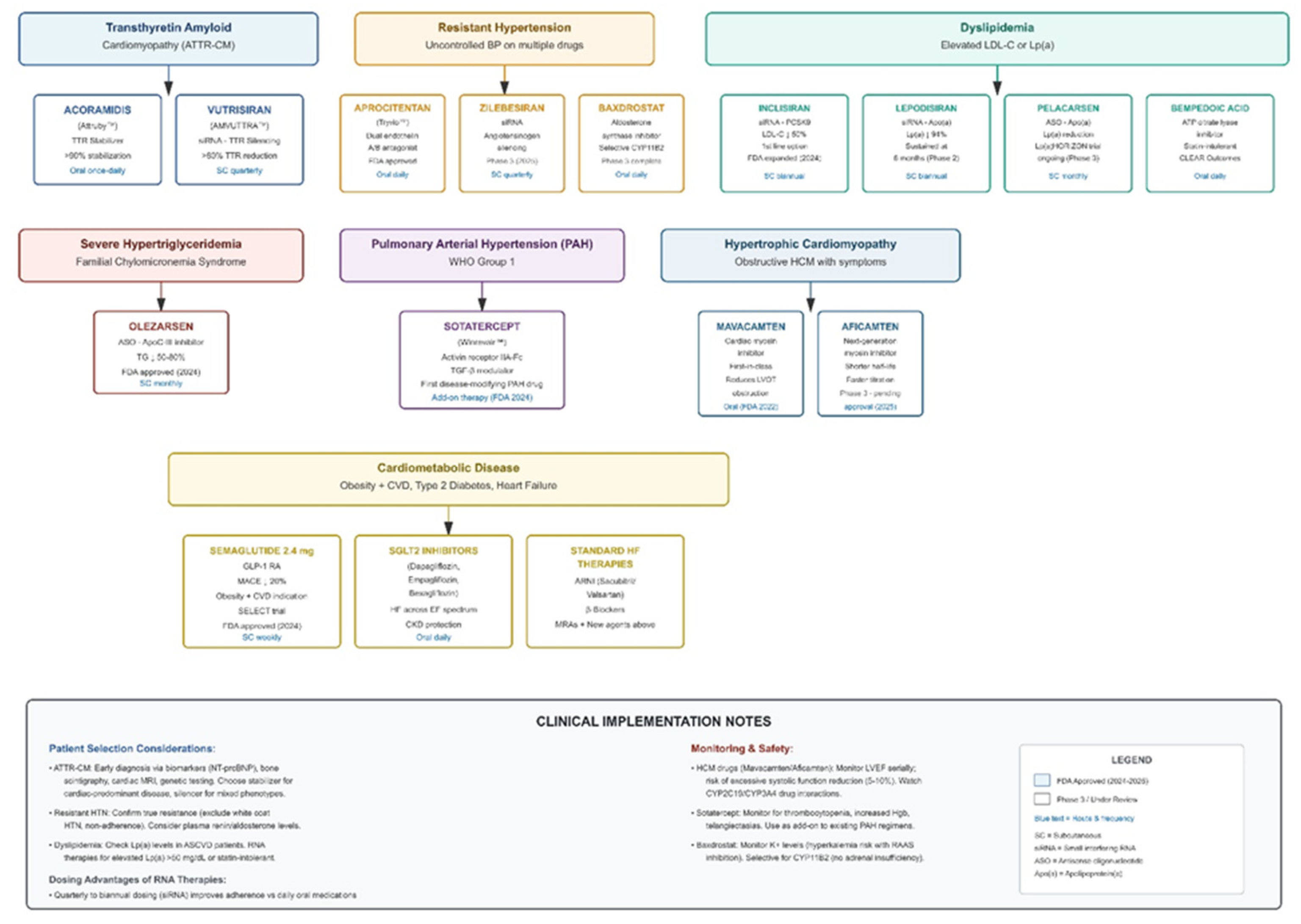
To facilitate the future integration of these emerging agents into clinical practice as they progress through regulatory approval, we have developed a comprehensive clinical flowchart that delineates both currently approved and investigational cardiovascular therapies according to disease presentation and mechanism of action (Figure 2).

4. Discussion

Cardiovascular pharmacology is entering an era where inherited and molecularly programmed risks are directly modifiable, a transition unimaginable in routine practice only a decade ago. Lp(a), once viewed as an untreatable residual risk factor, is now a prime target of ASO and siRNA therapies [20,21]. Agents such as pelacarsen and lepodisiran have demonstrated profound Lp(a) reductions in early trials, with Phase 3 outcome studies like Lp(a)HORIZON poised to determine whether these biomarker changes translate into reductions in myocardial infarction, stroke, and cardiovascular death [18,20,21]. Similarly, silencing of the RAAS through hepatic angiotensinogen suppression (e.g., zilebesiran) reflects a shift toward precision interventions designed to complement, or potentially supersede, traditional pathway blockade [23].
Therapeutic innovation has also reshaped the management of previously neglected rare cardiac conditions. In ATTR-CM, the availability of both stabilizers (e.g., acoramidis) and silencers (e.g., vutrisiran, with eplontersen in development) has yielded outcome signals suggesting meaningful reductions in mortality and hospitalizations [4,13,14,15,16]. These therapies are driving earlier diagnosis, genotype-informed care, and renewed emphasis on biomarker- and imaging-based surveillance.
Resistant hypertension, long a therapeutic challenge, may soon benefit from durable, upstream strategies. The siRNA agent zilebesiran achieves sustained angiotensinogen suppression, flattening day–night blood pressure variability with quarterly or semi-annual dosing [23,24]. While the aldosterone synthase inhibitor baxdrostat has delivered clinically relevant reductions in systolic pressure in Phase 3 studies [25,26]. If long-term safety and outcomes are confirmed, these agents could ease adherence burdens and redefine chronic hypertension care.
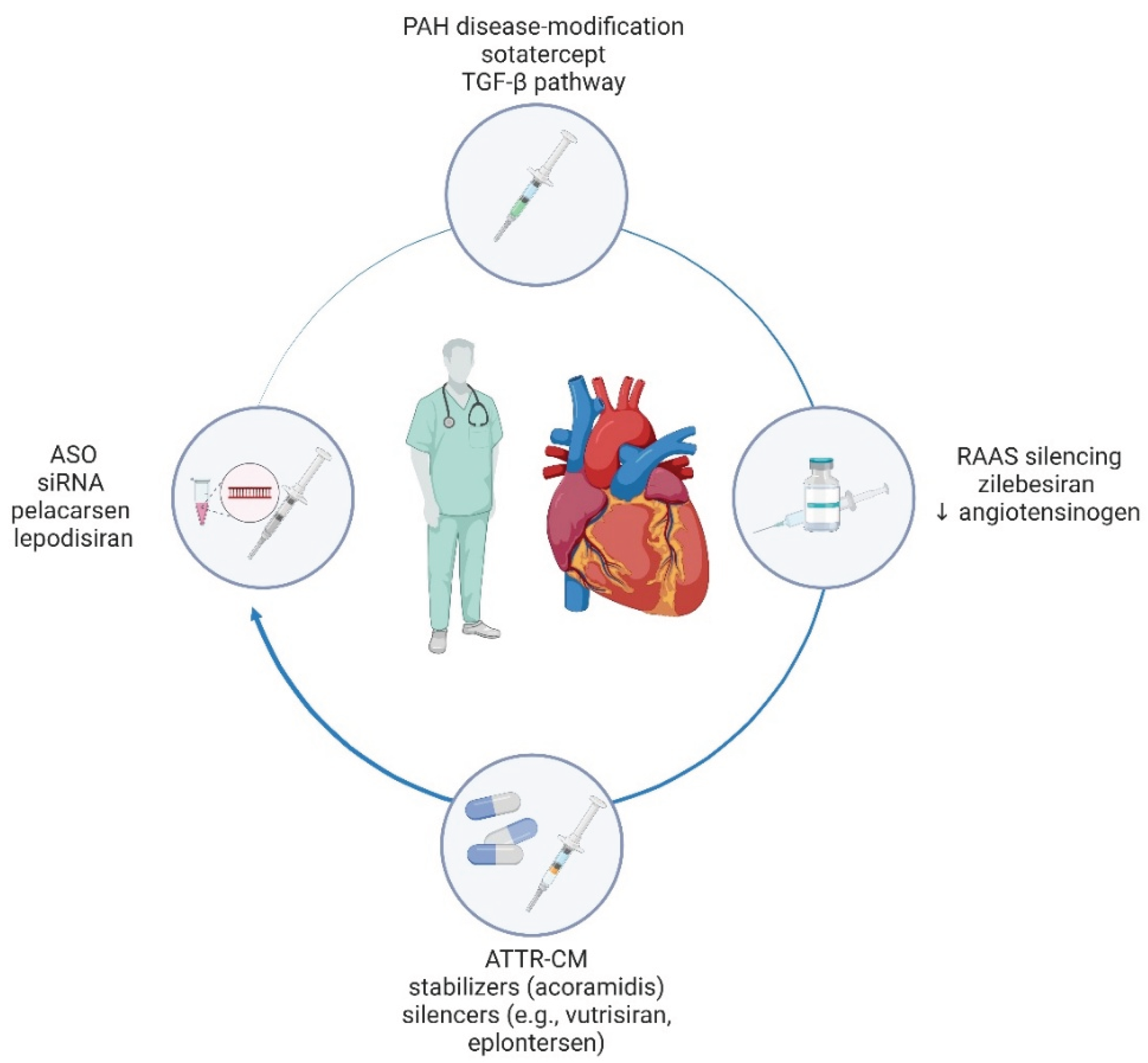
Therapeutics that bridge metabolic and cardiovascular domains are redefining prevention and treatment. GLP-1 RAs such as semaglutide now carry cardiovascular risk reduction indications in patients with obesity and established CVD (SELECT trial) [46,47], while SGLT2 inhibitors continue to demonstrate robust benefits across diabetes, HF, and CKD [50,55,64]. These advances embody the growing convergence of cardiology and endocrinology. The approval of sotatercept, an activin receptor type IIA-Fc fusion protein, introduced the first disease-modifying therapy for PAH [43,44]. By targeting TGF-β superfamily signaling, sotatercept improved exercise capacity and delayed clinical worsening in pivotal trials, representing a paradigm shift when layered onto established vasodilator regimens [45]. Key areas of cardiovascular pharmacology are summarized in Figure 3.
Some considerations should be made regarding sex-differentiated responses and pharmacokinetics in cardiovascular drug therapy. In fact, profound sex differences influence the presentation, pharmacology, and outcomes of CVD, yet women remain underrepresented in clinical trials, perpetuating a male-default model of therapy [65]. Biological variations, including body composition, renal and hepatic function, and hormonal modulation, result in distinct pharmacokinetic and pharmacodynamic profiles in women, often leading to higher plasma drug levels and increased adverse effects [66]. These disparities affect all major drug classes: women experience stronger responses and more side effects to ACE inhibitors, ARBs, and calcium channel blockers; more frequent statin-associated myalgias despite similar efficacy; and greater bleeding risk with antiplatelets and anticoagulants [67]. Therefore, these innovative therapies, which have the potential to transform CV management, should also be thoroughly evaluated and integrated in female populations. This is essential to advance precision cardiovascular medicine and ensure equitable, biologically informed care for both women and men.

4.1. Challenges, Open Questions, and Future Directions

CVD pharmacological treatment is substantially changing [68]. Despite dramatic reductions in Lp(a) or angiotensinogen, ultimate clinical validation requires proof of reduced death, myocardial infarction, stroke, and hospitalization. Phase 3 outcome trials such as Lp(a)HORIZON will be decisive [20,21]. The novel therapeutic platforms (siRNA, ASO, gene therapies, and long-acting enzyme inhibitors) necessitate multi-year safety surveillance to monitor for off-target effects, immunogenicity, and cumulative tolerability [69]. High acquisition costs and specialized delivery pathways risk widening global inequities. Equitable reimbursement models, enhanced diagnostic infrastructure, and patient adherence support will be essential [70]. Precision therapies demand reliable Lp(a) assays, amyloid imaging or biomarker confirmation, and genetic testing, yet these resources remain unevenly available across clinical settings. Head-to-head comparisons, subgroup analyses, and real-world effectiveness data are limited. Regulatory pathways for RNA- and genome-based therapies continue to evolve, particularly outside the U.S. and EU.
Looking Ahead. Gene editing and gene therapy are progressing from conceptual frameworks toward early clinical application in cardiomyopathies and inherited risk modulation [71,72]. In parallel, long-acting agents such as zilebesiran could normalize adherence by shifting treatment intervals to quarterly, semi-annual, or even annual dosing [23,24]. Finally, earlier detection of subclinical disease, ranging from amyloid cardiomyopathy to elevated Lp(a) or preclinical hypertension, may enable a transition toward truly preventive cardiovascular pharmacology, transforming outcomes for the next generation of patients.
Another area of growing relevance is the gut microbiome, which has emerged as a key modulator of cardiovascular health through its influence on metabolic and inflammatory pathways [73,74,75]. One of the most studied mediators is trimethylamine N-oxide (TMAO), a gut-derived metabolite produced via the gut–liver axis from dietary choline and L-carnitine. Elevated TMAO levels have been associated with increased atherosclerosis, endothelial dysfunction, thrombosis, and adverse cardiovascular outcomes [76]. To therapeutically target this pathway, early-phase clinical studies are investigating inhibitors of microbial TMA lyase, the enzyme responsible for generating trimethylamine (TMA), the precursor of TMAO [77,78,79]. This represents a novel, microbiome-focused approach to cardiovascular prevention and treatment. If proven effective in larger trials, this strategy could inaugurate a new era of cardiometabolic therapies that intervene at the level of gut microbial metabolism, offering truly personalized and upstream prevention of cardiovascular disease.

4.2. Limitations

This review has several limitations that warrant consideration. As a narrative synthesis, it does not include quantitative pooling of data and may be subject to selection bias in the identification and appraisal of studies. Although adherence to the SANRA guidelines strengthened methodological rigor, ensuring clarity of aim, structured literature search, balanced interpretation, and transparent referencing, some inherent constraints remain. Evidence from ongoing or recently completed trials was, in some cases, preliminary, and differences in study design, endpoints, and follow-up duration hinder direct comparison across therapies. Furthermore, long-term safety, real-world effectiveness, and cost-effectiveness data for many novel agents are still emerging, warranting cautious interpretation of their potential clinical impact.

5. Conclusions

Recent pharmacological advances are redefining the management of cardiovascular disease, shifting from conventional risk reduction toward mechanism-based, disease-modifying strategies. The emergence of transthyretin stabilizers and silencers, endothelin and RAAS modulators, RNA-based lipid therapies, GLP-1 receptor agonists, and TGF-β pathway inhibitors exemplifies this transition. Collectively, these developments promise earlier intervention, greater precision, and improved long-term outcomes across diverse cardiovascular phenotypes. While long-term data and real-world validation are still needed, the integration of these therapies into clinical practice heralds a new era of precision cardiovascular medicine, grounded in molecular understanding and translational innovation.

Author Contributions

Conceptualization, G.V., A.P.; methodology, M.L.G.L.; investigation, V.Y.T., V.P.P.; writing—original draft preparation, G.V., A.A.A.A.; writing—review and editing, J.V.P., M.M., R.B.R, F.B., C.B. A.C. All authors have read and agreed to the published version of the manuscript.

Funding

This research received no external funding.

Institutional Review Board Statement

Not applicable.

Informed Consent Statement

Not applicable.

Data Availability Statement

Not applicable, because the study did not involve the collection of new data.

Acknowledgments

We extend our sincere gratitude to the Fondazione Paolo Procacci for their invaluable support and assistance throughout the publication process and valuable discussions. We are also grateful to John Shaw for his assistance with the final English revision.

Conflicts of Interest

The authors declare no conflicts of interest.

Abbreviations

The following abbreviations are used in this manuscript:
6MWD 6-minute walk distance
ACE Angiotensin-converting enzyme
ANGPTL3 Angiopoietin-like protein 3
ARB Angiotensin receptor blocker
ARNI Angiotensin receptor–neprilysin inhibitor
ASCVD Atherosclerotic cardiovascular disease
ASO Antisense oligonucleotide
ATP Adenosine triphosphate
ATTR-CM Transthyretin amyloid cardiomyopathy
Apo(a) Apolipoprotein(a)
ApoC-III Apolipoprotein C-III
BMPR2 Bone morphogenetic protein receptor type 2
BP Blood pressure
CKD Chronic kidney disease
CRISPR Clustered regularly interspaced short palindromic repeats
CV Cardiovascular
CVD Cardiovascular disease
CYP11B1 Cytochrome P450 family 11 subfamily B member 1
CYP11B2 Cytochrome P450 family 11 subfamily B member 2 (aldosterone synthase)
CYP2C19 Cytochrome P450 2C19
CYP3A4 Cytochrome P450 3A4
EF Ejection fraction
EMA European Medicines Agency
FCS Familial chylomicronemia syndrome
FDA Food and Drug Administration (United States)
GDF Growth differentiation factor
GDMT Guideline-directed medical therapy
GLP-1 Glucagon-like peptide-1
GLP-1 RA Glucagon-like peptide-1 receptor agonist
GalNAc N-acetylgalactosamine
HCM Hypertrophic cardiomyopathy
HF Heart failure
HFpEF Heart failure with preserved ejection fraction
HFrEF Heart failure with reduced ejection fraction
HMG-CoA Hydroxymethylglutaryl-coenzyme A
HTN Hypertension
Hgb Hemoglobin
HoFH Homozygous familial hypercholesterolemia
K⁺ Potassium
LDL Low-density lipoprotein
LDL-C Low-density lipoprotein cholesterol
LNP Lipid nanoparticle
LVEF Left ventricular ejection fraction
LVOT Left ventricular outflow tract
Lp(a) Lipoprotein(a)
MACE Major adverse cardiovascular events
MI Myocardial infarction
MRA Mineralocorticoid receptor antagonist
MRI Magnetic resonance imaging
MSC Mesenchymal stem cell
NO Nitric oxide
NT-proBNP N-terminal pro-B-type natriuretic peptide
NYHA New York Heart Association
PAH Pulmonary arterial hypertension
PCSK9 Proprotein convertase subtilisin/kexin type 9
PDE5 Phosphodiesterase type 5
RAAS Renin–angiotensin–aldosterone system
RNA Ribonucleic acid
SANRA Scale for the Assessment of Narrative Review Articles
SBP Systolic blood pressure
SC Subcutaneous
SGLT2 Sodium-glucose cotransporter 2
TG Triglyceride
TGF-β Transforming growth factor-beta
TTR Transthyretin
WHO World Health Organization
cGMP Cyclic guanosine monophosphate
hsCRP High-sensitivity C-reactive protein
mRNA Messenger ribonucleic acid
pVO₂ Peak oxygen consumption
sGC Soluble guanylate cyclase
siRNA Small interfering RNA

References

  1. Townsend, N.; Kazakiewicz, D.; Lucy Wright, F.; Timmis, A.; Huculeci, R.; Torbica, A.; Gale, C.P.; Achenbach, S.; Weidinger, F.; Vardas, P. Epidemiology of Cardiovascular Disease in Europe. Nat. Rev. Cardiol. 2022, 19, 133–143. [Google Scholar] [CrossRef] [PubMed]
  2. Valenzuela, P.L.; Carrera-Bastos, P.; Castillo-García, A.; Lieberman, D.E.; Santos-Lozano, A.; Lucia, A. Obesity and the Risk of Cardiometabolic Diseases. Nat. Rev. Cardiol. 2023, 20, 475–494. [Google Scholar] [CrossRef] [PubMed]
  3. Lee, A. Acoramidis: First Approval. Drugs 2025, 85, 833–837. [Google Scholar] [CrossRef] [PubMed]
  4. Judge, D.P.; Gillmore, J.D.; Alexander, K.M.; Ambardekar, A.V.; Cappelli, F.; Fontana, M.; García-Pavía, P.; Grodin, J.L.; Grogan, M.; Hanna, M.; et al. Long-Term Efficacy and Safety of Acoramidis in ATTR-CM: Initial Report From the Open-Label Extension of the ATTRibute-CM Trial. Circulation 2025, 151, 601–611. [Google Scholar] [CrossRef]
  5. Dhillon, S. Aprocitentan: First Approval. Drugs 2024, 84, 841–847. [Google Scholar] [CrossRef]
  6. Schlaich, M.P.; Bellet, M.; Weber, M.A.; Danaietash, P.; Bakris, G.L.; Flack, J.M.; Dreier, R.F.; Sassi-Sayadi, M.; Haskell, L.P.; Narkiewicz, K.; et al. Dual Endothelin Antagonist Aprocitentan for Resistant Hypertension (PRECISION): A Multicentre, Blinded, Randomised, Parallel-Group, Phase 3 Trial. Lancet Lond. Engl. 2022, 400, 1927–1937. [Google Scholar] [CrossRef]
  7. Commissioner, O. of the FDA Approves First Treatment to Reduce Risk of Serious Heart Problems Specifically in Adults with Obesity or Overweight. Available online: https://www.fda.gov/news-events/press-announcements/fda-approves-first-treatment-reduce-risk-serious-heart-problems-specifically-adults-obesity-or (accessed on 31 October 2025).
  8. Vogel, J.; Carpinteiro, A.; Luedike, P.; Buehning, F.; Wernhart, S.; Rassaf, T.; Michel, L. Current Therapies and Future Horizons in Cardiac Amyloidosis Treatment. Curr. Heart Fail. Rep. 2024, 21, 305–321. [Google Scholar] [CrossRef]
  9. Chapman, G.B.; Dhaun, N. Endothelin Antagonism: A New Era for Resistant Hypertension? Hypertens Dallas Tex 2025, 82, 611–614. [Google Scholar] [CrossRef]
  10. Jarade, C.; Zolotarova, T.; Moiz, A.; Eisenberg, M.J. GLP-1-Based Therapies for the Treatment of Resistant Hypertension in Individuals with Overweight or Obesity: A Review. EClinicalMedicine 2024, 75, 102789. [Google Scholar] [CrossRef]
  11. Baethge, C.; Goldbeck-Wood, S.; Mertens, S. SANRA-a Scale for the Quality Assessment of Narrative Review Articles. Res. Integr. Peer Rev. 2019, 4, 5. [Google Scholar] [CrossRef]
  12. Costabel, J.P.; Suárez, L.L.; Rochlani, Y.; Masri, A.; Slipczuk, L.; Berrios, E. Transthyretin Amyloid Cardiomyopathy: Evolving Therapies, Expanding Hope. Prog. Cardiovasc. Dis. 2025. [Google Scholar] [CrossRef] [PubMed]
  13. Gillmore, J.D.; Judge, D.P.; Cappelli, F.; Fontana, M.; Garcia-Pavia, P.; Gibbs, S.; Grogan, M.; Hanna, M.; Hoffman, J.; Masri, A.; et al. Efficacy and Safety of Acoramidis in Transthyretin Amyloid Cardiomyopathy. N. Engl. J. Med. 2024, 390, 132–142. [Google Scholar] [CrossRef] [PubMed]
  14. Judge, D.P.; Alexander, K.M.; Cappelli, F.; Fontana, M.; Garcia-Pavia, P.; Gibbs, S.D.J.; Grogan, M.; Hanna, M.; Masri, A.; Maurer, M.S.; et al. Efficacy of Acoramidis on All-Cause Mortality and Cardiovascular Hospitalization in Transthyretin Amyloid Cardiomyopathy. J. Am. Coll. Cardiol. 2025, 85, 1003–1014. [Google Scholar] [CrossRef] [PubMed]
  15. Garcia-Pavia, P.; Grogan, M.; Kale, P.; Berk, J.L.; Maurer, M.S.; Conceição, I.; Di Carli, M.; Solomon, S.D.; Chen, C.; Yureneva, E.; et al. Impact of Vutrisiran on Exploratory Cardiac Parameters in Hereditary Transthyretin-Mediated Amyloidosis with Polyneuropathy. Eur. J. Heart Fail. 2024, 26, 397–410. [Google Scholar] [CrossRef]
  16. Fontana, M.; Berk, J.L.; Gillmore, J.D.; Witteles, R.M.; Grogan, M.; Drachman, B.; Damy, T.; Garcia-Pavia, P.; Taubel, J.; Solomon, S.D.; et al. Vutrisiran in Patients with Transthyretin Amyloidosis with Cardiomyopathy. N. Engl. J. Med. 2025, 392, 33–44. [Google Scholar] [CrossRef]
  17. Ciffone, N.; McNeal, C.J.; McGowan, M.P.; Ferdinand, K.C. Lipoprotein(a): An Important Piece of the ASCVD Risk Factor Puzzle across Diverse Populations. Am. Heart Hournal Plus Cardiol. Res. Pract. 2023, 38, 100350. [Google Scholar] [CrossRef]
  18. Anchouche, K.; Thanassoulis, G. Lp(a): A Rapidly Evolving Therapeutic Landscape. Curr. Atheroscler. Rep. 2024, 27, 7. [Google Scholar] [CrossRef]
  19. Bhatia, H.S.; Bajaj, A.; Goonewardena, S.N.; Moriarty, P.M. Pelacarsen: Mechanism of Action and Lp(a)-Lowering Effect. J. Clin. Lipidol. 2025, 0. [Google Scholar] [CrossRef]
  20. Lepodisiran - A Long-Duration Small Interfering RNA Targeting Lipoprotein(a) - PubMed. Available online: https://pubmed.ncbi.nlm.nih.gov/40162643/ (accessed on 1 November 2025).
  21. Cho, L.; Nicholls, S.J.; Nordestgaard, B.G.; Landmesser, U.; Tsimikas, S.; Blaha, M.J.; Leitersdorf, E.; Lincoff, A.M.; Lesogor, A.; Manning, B.; et al. Design and Rationale of Lp(a)HORIZON Trial: Assessing the Effect of Lipoprotein(a) Lowering With Pelacarsen on Major Cardiovascular Events in Patients With CVD and Elevated Lp(a). Am. Heart J. 2025, 287, 1–9. [Google Scholar] [CrossRef]
  22. Kanbay, M.; Ozbek, L.; Guldan, M.; Yilmaz, Z.Y.; Ortiz, A.; Mallamaci, F.; Zoccali, C. siRNA-Based Therapeutics for Lipoprotein (a) Lowering: A Path toward Precision Cardiovascular Medicine. Eur. J. Clin. Invest. 2025, 55, e70079. [Google Scholar] [CrossRef]
  23. Bakris, G.L.; Saxena, M.; Gupta, A.; Chalhoub, F.; Lee, J.; Stiglitz, D.; Makarova, N.; Goyal, N.; Guo, W.; Zappe, D.; et al. RNA Interference With Zilebesiran for Mild to Moderate Hypertension: The KARDIA-1 Randomized Clinical Trial. JAMA 2024, 331, 740–749. [Google Scholar] [CrossRef] [PubMed]
  24. Siddiqui, E.; Siddiqui, A.H.; Moeed, A.; Laique, F.; Najeeb, H.; Al Hasibuzzaman, M. Advancing Hypertension Management: The Role of Zilebesiran as an siRNA Therapeutic Agent. Ann. Med. Surg. 2025, 87, 577–582. [Google Scholar] [CrossRef] [PubMed]
  25. Dey, S.; Frishman, W.H.; Aronow, W.S. Baxdrostat: An Aldosterone Synthase Inhibitor for the Treatment of Systemic Hypertension. Cardiol. Rev. 2025, 33, 243–245. [Google Scholar] [CrossRef] [PubMed]
  26. Flack, J.M.; Azizi, M.; Brown, J.M.; Dwyer, J.P.; Fronczek, J.; Jones, E.S.W.; Olsson, D.S.; Perl, S.; Shibata, H.; Wang, J.-G.; et al. Efficacy and Safety of Baxdrostat in Uncontrolled and Resistant Hypertension. N. Engl. J. Med. 2025, 393, 1363–1374. [Google Scholar] [CrossRef]
  27. Mapelli, M.; Rubbo, F.M.; Costantino, S.; Amelotti, N.; Agostoni, P. Pharmacological Therapy of HFrEF in 2025: Navigating New Advances and Old Unmet Needs in An Eternal Balance Between Progress and Perplexities. Card. Fail. Rev. 2025, 11, e18. [Google Scholar] [CrossRef]
  28. Ahmed, O.T.F.; Ahmed, Z.T.; Dairi, A.W.; Zain Al-Abeden, M.S.; Alkahlot, M.H.; Alkahlot, R.H.; Al Jowf, G.I.; Eijssen, L.M.T.; Haider, K.H. The Inconclusive Superiority Debate of Allogeneic versus Autologous MSCs in Treating Patients with HFrEF: A Systematic Review and Meta-Analysis of RCTs. Stem Cell Res. Ther. 2025, 16, 175. [Google Scholar] [CrossRef]
  29. Jalil, J.E.; Gabrielli, L.; Ocaranza, M.P.; MacNab, P.; Fernández, R.; Grassi, B.; Jofré, P.; Verdejo, H.; Acevedo, M.; Cordova, S.; et al. New Mechanisms to Prevent Heart Failure with Preserved Ejection Fraction Using Glucagon-like Peptide-1 Receptor Agonism (GLP-1 RA) in Metabolic Syndrome and in Type 2 Diabetes: A Review. Int. J. Mol. Sci. 2024, 25, 4407. [Google Scholar] [CrossRef]
  30. Bonfioli, G.B.; Rodella, L.; Metra, M.; Vizzardi, E. GLP-1 Receptor Agonists as Promising Anti-Inflammatory Agents in Heart Failure with Preserved Ejection Fraction. Heart Fail. Rev. 2025, 30, 131–136. [Google Scholar] [CrossRef]
  31. Brunham, L.R.; Lonn, E.; Mehta, S.R. Dyslipidemia and the Current State of Cardiovascular Disease: Epidemiology, Risk Factors, and Effect of Lipid Lowering. Can. J. Cardiol. 2024, 40, S4–S12. [Google Scholar] [CrossRef]
  32. Basit, J.; Ahmed, M.; Singh, P.; Ahsan, A.; Zulfiqar, E.; Iqbal, J.; Fatima, M.; Upreti, P.; Hamza, M.; Alraies, M.C. Safety and Efficacy of Inclisiran in Hyperlipidemia: An Updated Meta-Analysis of Randomised Controlled Trials. Endocrinol. Diabetes Metab. 2025, 8, e70039. [Google Scholar] [CrossRef]
  33. Barkas, F.; Ray, K. An Update on Inclisiran for the Treatment of Elevated LDL Cholesterol. Expert Opin. Pharmacother. 2024, 25, 349–358. [Google Scholar] [CrossRef] [PubMed]
  34. Revaiah, P.C.; Serruys, P.W.; Onuma, Y.; Andreini, D.; Budoff, M.J.; Sharif, F.; Chernofsky, A.; Vikarunnessa, S.; Wiethoff, A.J.; Yates, D.; et al. Design and Rationale of a Randomized Clinical Trial Assessing the Effect of Inclisiran on Atherosclerotic Plaque in Individuals without Previous Cardiovascular Event and without Flow- Limiting Lesions Identified in an in-Hospital Screening: The VICTORION-PLAQUE Primary Prevention Trial. Am. Heart J. 2026, 291, 199–212. [Google Scholar] [CrossRef] [PubMed]
  35. Nicholls, S.J.; Nelson, A.J.; Lincoff, A.M.; Brennan, D.; Ray, K.K.; Cho, L.; Menon, V.; Li, N.; Bloedon, L.; Nissen, S.E. Impact of Bempedoic Acid on Total Cardiovascular Events: A Prespecified Analysis of the CLEAR Outcomes Randomized Clinical Trial. JAMA Cardiol. 2024, 9, 245–253. [Google Scholar] [CrossRef] [PubMed]
  36. Parhofer, K.G.; Aguiar, C.; Banach, M.; Drexel, H.; Gouni-Berthold, I.; Pérez de Isla, L.; Rietzschel, E.; Zambon, A.; Ray, K.K. Expert Opinion on the Integration of Combination Therapy into the Treatment Algorithm for the Management of Dyslipidaemia: The Integration of Ezetimibe and Bempedoic Acid May Enhance Goal Attainment. Eur. Heart J. Cardiovasc. Pharmacother. 2025, 11, 367–379. [Google Scholar] [CrossRef]
  37. Syed, Y.Y. Olezarsen: First Approval. Drugs 2025, 85, 571–576. [Google Scholar] [CrossRef]
  38. Stroes, E.S.G.; Alexander, V.J.; Karwatowska-Prokopczuk, E.; Hegele, R.A.; Arca, M.; Ballantyne, C.M.; Soran, H.; Prohaska, T.A.; Xia, S.; Ginsberg, H.N.; et al. Olezarsen, Acute Pancreatitis, and Familial Chylomicronemia Syndrome. N. Engl. J. Med. 2024, 390, 1781–1792. [Google Scholar] [CrossRef]
  39. Hegele, R.A. Inhibiting Angiopoietin-like Protein 3: Clear Skies or Clouds on the Horizon? Eur. Heart J. 2024, 45, 722–724. [Google Scholar] [CrossRef]
  40. Gaudet, D.; Gonciarz, M.; Shen, X.; Leohr, J.K.; Beyer, T.P.; Day, J.W.; Mullins, G.R.; Zhen, E.Y.; Hartley, M.; Larouche, M.; et al. Targeting the Angiopoietin-like Protein 3/8 Complex with a Monoclonal Antibody in Patients with Mixed Hyperlipidemia: A Phase 1 Trial. Nat. Med. 2025, 31, 2632–2639. [Google Scholar] [CrossRef]
  41. Ghofrani, H.-A.; Gomberg-Maitland, M.; Zhao, L.; Grimminger, F. Mechanisms and Treatment of Pulmonary Arterial Hypertension. Nat. Rev. Cardiol. 2025, 22, 105–120. [Google Scholar] [CrossRef]
  42. Villanueva, J.; Wade, J.; Torres, A.; Hale, G.; Pham, H. Sotatercept: The First FDA-Approved Activin A Receptor IIA Inhibitor Used in the Management of Pulmonary Arterial Hypertension. Am. J. Cardiovasc. Drugs Drugs Devices Interv. 2025, 25, 17–24. [Google Scholar] [CrossRef]
  43. Anand, S.C.; Furqan, M.; Tonelli, A.R.; Brady, D.; Levine, A.; Rosenzweig, E.B.; Frishman, W.H.; Aronow, W.S.; Lanier, G.M. Sotatercept: A New Era in Pulmonary Arterial Hypertension. Cardiol. Rev. 2025. [Google Scholar] [CrossRef] [PubMed]
  44. Hoeper, M.M.; Gomberg-Maitland, M.; Badesch, D.B.; Gibbs, J.S.R.; Grünig, E.; Kopeć, G.; McLaughlin, V.V.; Meyer, G.; Olsson, K.M.; Preston, I.R.; et al. Efficacy and Safety of the Activin Signalling Inhibitor, Sotatercept, in a Pooled Analysis of PULSAR and STELLAR Studies. Eur. Respir. J. 2025, 65, 2401424. [Google Scholar] [CrossRef] [PubMed]
  45. Waxman, A.B.; Systrom, D.M.; Manimaran, S.; de Oliveira Pena, J.; Lu, J.; Rischard, F.P. SPECTRA Phase 2b Study: Impact of Sotatercept on Exercise Tolerance and Right Ventricular Function in Pulmonary Arterial Hypertension. Circ. Heart Fail. 2024, 17, e011227. [Google Scholar] [CrossRef] [PubMed]
  46. Ryan, D.H.; Lingvay, I.; Colhoun, H.M.; Deanfield, J.; Emerson, S.S.; Kahn, S.E.; Kushner, R.F.; Marso, S.; Plutzky, J.; Brown-Frandsen, K.; et al. Semaglutide Effects on Cardiovascular Outcomes in People With Overweight or Obesity (SELECT) Rationale and Design. Am. Heart J. 2020, 229, 61–69. [Google Scholar] [CrossRef]
  47. Lusk, J.B.; Glover, L.; Soneji, S.; Granger, C.B.; O’Brien, E.; Pagidipati, N. Cardiovascular Event Reduction among a US Population Eligible for Semaglutide per the SELECT Trial. Am. Heart J. 2024, 276, 110–114. [Google Scholar] [CrossRef]
  48. Nanna, M.G.; Doan, Q.V.; Fabricatore, A.; Faurby, M.; Henry, A.D.; Houshmand-Oeregaard, A.; Levine, A.; Navar, A.M.; Scassellati Sforzolini, T.; Toliver, J.C. Population-Level Impact of Semaglutide 2.4 Mg in Patients with Obesity or Overweight and Cardiovascular Disease: A Modelling Study Based on the SELECT Trial. Diabetes Obes. Metab. 2025, 27, 3442–3452. [Google Scholar] [CrossRef]
  49. Llongueras-Espí, P.; García-Romero, E.; Comín-Colet, J.; González-Costello, J. Role of Glucagon-like Peptide-1 Receptor Agonists (GLP-1RAs) in Patients with Chronic Heart Failure. Biomolecules 2025, 15, 1342. [Google Scholar] [CrossRef]
  50. Gulsin, G.S.; Graham-Brown, M.P.M.; Squire, I.B.; Davies, M.J.; McCann, G.P. Benefits of Sodium Glucose Cotransporter 2 Inhibitors across the Spectrum of Cardiovascular Diseases. Heart Br. Card. Soc. 2022, 108, 16–21. [Google Scholar] [CrossRef]
  51. Anker, S.D.; Butler, J.; Filippatos, G.; Ferreira, J.P.; Bocchi, E.; Böhm, M.; Brunner-La Rocca, H.-P.; Choi, D.-J.; Chopra, V.; Chuquiure-Valenzuela, E.; et al. Empagliflozin in Heart Failure with a Preserved Ejection Fraction. N. Engl. J. Med. 2021, 385, 1451–1461. [Google Scholar] [CrossRef]
  52. Tomasoni, D.; Fonarow, G.C.; Adamo, M.; Anker, S.D.; Butler, J.; Coats, A.J.S.; Filippatos, G.; Greene, S.J.; McDonagh, T.A.; Ponikowski, P.; et al. Sodium-Glucose Co-Transporter 2 Inhibitors as an Early, First-Line Therapy in Patients with Heart Failure and Reduced Ejection Fraction. Eur. J. Heart Fail. 2022, 24, 431–441. [Google Scholar] [CrossRef]
  53. Herrington, W.G.; Staplin, N.; Wanner, C.; Green, J.B.; Hauske, S.J.; Emberson, J.R.; Preiss, D.; Judge, P.; Mayne, K.J.; et al.; The EMPA-KIDNEY Collaborative Group Empagliflozin in Patients with Chronic Kidney Disease. N. Engl. J. Med. 2023, 388, 117–127. [Google Scholar] [CrossRef] [PubMed]
  54. Usman, M.S.; Siddiqi, T.J.; Anker, S.D.; Bakris, G.L.; Bhatt, D.L.; Filippatos, G.; Fonarow, G.C.; Greene, S.J.; Januzzi, J.L.; Khan, M.S.; et al. Effect of SGLT2 Inhibitors on Cardiovascular Outcomes Across Various Patient Populations. J. Am. Coll. Cardiol. 2023, 81, 2377–2387. [Google Scholar] [CrossRef] [PubMed]
  55. Frąk, W.; Hajdys, J.; Radzioch, E.; Szlagor, M.; Młynarska, E.; Rysz, J.; Franczyk, B. Cardiovascular Diseases: Therapeutic Potential of SGLT-2 Inhibitors. Biomedicines 2023, 11, 2085. [Google Scholar] [CrossRef] [PubMed]
  56. Lopes, L.R.; Ho, C.Y.; Elliott, P.M. Genetics of Hypertrophic Cardiomyopathy: Established and Emerging Implications for Clinical Practice. Eur. Heart J. 2024, 45, 2727–2734. [Google Scholar] [CrossRef]
  57. Reddy Kalluru, P.K.; Siddenthi, S.M.; Valisekka, S.S.; Suddapalli, S.K.; Juturu, U.T.; Chagam Reddy, S.; Matturi, A.; Reddy Yartha, S.G.; Kuchi, D.; Batchu, V.R.; et al. A Systematic Review of Clinical Trials on Mavacamten in Hypertrophic Cardiomyopathy. Heart Int. 2025, 19, 31–40. [Google Scholar] [CrossRef]
  58. Wheeler, M.T.; Olivotto, I.; Elliott, P.M.; Saberi, S.; Owens, A.T.; Maurer, M.S.; Masri, A.; Sehnert, A.J.; Edelberg, J.M.; Chen, Y.-M.; et al. Effects of Mavacamten on Measures of Cardiopulmonary Exercise Testing Beyond Peak Oxygen Consumption: A Secondary Analysis of the EXPLORER-HCM Randomized Trial. JAMA Cardiol. 2023, 8, 240–247. [Google Scholar] [CrossRef]
  59. Desai, M.Y.; Owens, A.; Wolski, K.; Geske, J.B.; Saberi, S.; Wang, A.; Sherrid, M.; Cremer, P.C.; Lakdawala, N.K.; Tower-Rader, A.; et al. Mavacamten in Patients With Hypertrophic Cardiomyopathy Referred for Septal Reduction: Week 56 Results From the VALOR-HCM Randomized Clinical Trial. JAMA Cardiol. 2023, 8, 968–977. [Google Scholar] [CrossRef]
  60. Saberi, S.; Abraham, T.P.; Choudhury, L.; Barriales-Villa, R.; Elliott, P.M.; Nassif, M.E.; Oreziak, A.; Owens, A.T.; Tower-Rader, A.; Rader, F.; et al. Aficamten Treatment for Symptomatic Obstructive Hypertrophic Cardiomyopathy: 48-Week Results From FOREST-HCM. JACC Heart Fail. 2025, 13, 102496. [Google Scholar] [CrossRef]
  61. Xu, D.; Divanji, P.; Griffith, A.; Sukhun, R.; Cheplo, K.; Li, J.; German, P. Pharmacokinetics, Disposition, and Biotransformation of the Cardiac Myosin Inhibitor Aficamten in Humans. Pharmacol. Res. Perspect. 2024, 12, e70006. [Google Scholar] [CrossRef]
  62. Patel, J.; Wang, A.; Naidu, S.S.; Frishman, W.H.; Aronow, W.S. Aficamten-A Second in Class Cardiac Myosin Inhibitor for Hypertrophic Cardiomyopathy. Cardiol. Rev. 2025, 33, 365–368. [Google Scholar] [CrossRef]
  63. Maron, M.S.; Masri, A.; Nassif, M.E.; Barriales-Villa, R.; Arad, M.; Cardim, N.; Choudhury, L.; Claggett, B.; Coats, C.J.; Düngen, H.-D.; et al. Aficamten for Symptomatic Obstructive Hypertrophic Cardiomyopathy. N. Engl. J. Med. 2024, 390, 1849–1861. [Google Scholar] [CrossRef] [PubMed]
  64. Madero, M.; Chertow, G.M.; Mark, P.B. SGLT2 Inhibitor Use in Chronic Kidney Disease: Supporting Cardiovascular, Kidney, and Metabolic Health. Kidney Med. 2024, 6, 100851. [Google Scholar] [CrossRef] [PubMed]
  65. Kalibala, J.; Pechère-Bertschi, A.; Desmeules, J. Gender Differences in Cardiovascular Pharmacotherapy-the Example of Hypertension: A Mini Review. Front. Pharmacol. 2020, 11, 564. [Google Scholar] [CrossRef] [PubMed]
  66. Regitz-Zagrosek, V.; Kararigas, G. Mechanistic Pathways of Sex Differences in Cardiovascular Disease. Physiol. Rev. 2017, 97, 1–37. [Google Scholar] [CrossRef]
  67. Zucker, I.; Prendergast, B.J. Sex Differences in Pharmacokinetics Predict Adverse Drug Reactions in Women. Biol. Sex Differ. 2020, 11, 32. [Google Scholar] [CrossRef]
  68. Varrassi, G.; Pergolizzi, J.V.; Farì, G.; Al-Alwany, A.A.; Leoni, M.L. Advancements in cardiovascular pharmacology. Adv. Health Res. 2025, 2. [Google Scholar] [CrossRef]
  69. Alla, S.S.M.; Shah, D.J.; Meyur, S.; Agarwal, P.; Alla, D.; Moraboina, S.L.; Ghadvaje, G.V.; Bayeh, R.G.; Malireddi, A.; Shajan, T.; et al. Small Interfering RNA (siRNA) in Dyslipidemia: A Systematic Review on Safety and Efficacy of siRNA. J. Exp. Pharmacol. 2025, 17, 249–267. [Google Scholar] [CrossRef]
  70. Sehgal, I.; Eells, K.; Hudson, I. A Comparison of Currently Approved Small Interfering RNA (siRNA) Medications to Alternative Treatments by Costs, Indications, and Medicaid Coverage. Pharm. Basel Switz. 2024, 12, 58. [Google Scholar] [CrossRef]
  71. Vo, Q.D. Gene Editing Therapy as a Therapeutic Approach for Cardiovascular Diseases in Animal Models: A Scoping Review. PloS One 2025, 20, e0325330. [Google Scholar] [CrossRef]
  72. Zhang, C.; Du, Z.; Chen, R.; Liu, X.; Li, D. Gene- and Cell-Based Therapy in Cardiovascular Diseases. J. Cardiovasc. Pharmacol. 2025, 86, 157–165. [Google Scholar] [CrossRef]
  73. Epelde, F. The Role of the Gut Microbiota in Heart Failure: Pathophysiological Insights and Future Perspectives. Medicina (Mex.) 2025, 61, 720. [Google Scholar] [CrossRef] [PubMed]
  74. Matacchione, G.; Piacenza, F.; Pimpini, L.; Rosati, Y.; Marcozzi, S. The Role of the Gut Microbiota in the Onset and Progression of Heart Failure: Insights into Epigenetic Mechanisms and Aging. Clin. Epigenetics 2024, 16, 175. [Google Scholar] [CrossRef]
  75. Yu, J.; Yang, Y.; Chen, W.; Hu, J.; Jin, Z.; Wu, C.; Li, Y. Role of Gut Microbiota and Derived Metabolites in Cardiovascular Diseases. iScience 2025, 28, 113247. [Google Scholar] [CrossRef]
  76. Amaritei, O.; Mierlan, O.L.; Dinu, C.A.; Chiscop, I.; Matei, M.N.; Gutu, C.; Gurau, G. TMAO and Cardiovascular Disease: Exploring Its Potential as a Biomarker. Medicina (Mex.) 2025, 61, 1767. [Google Scholar] [CrossRef]
  77. Constantino-Jonapa, L.A.; Espinoza-Palacios, Y.; Escalona-Montaño, A.R.; Hernández-Ruiz, P.; Amezcua-Guerra, L.M.; Amedei, A.; Aguirre-García, M.M. Contribution of Trimethylamine N-Oxide (TMAO) to Chronic Inflammatory and Degenerative Diseases. Biomedicines 2023, 11, 431. [Google Scholar] [CrossRef]
  78. Li, Z.; He, X.; Fang, Q.; Yin, X. Gut Microbe-Generated Metabolite Trimethylamine-N-Oxide and Ischemic Stroke. Biomolecules 2024, 14, 1463. [Google Scholar] [CrossRef]
  79. Zhu, W.; Gregory, J.C.; Org, E.; Buffa, J.A.; Gupta, N.; Wang, Z.; Li, L.; Fu, X.; Wu, Y.; Mehrabian, M.; et al. Gut Microbial Metabolite TMAO Enhances Platelet Hyperreactivity and Thrombosis Risk. Cell 2016, 165, 111–124. [Google Scholar] [CrossRef]
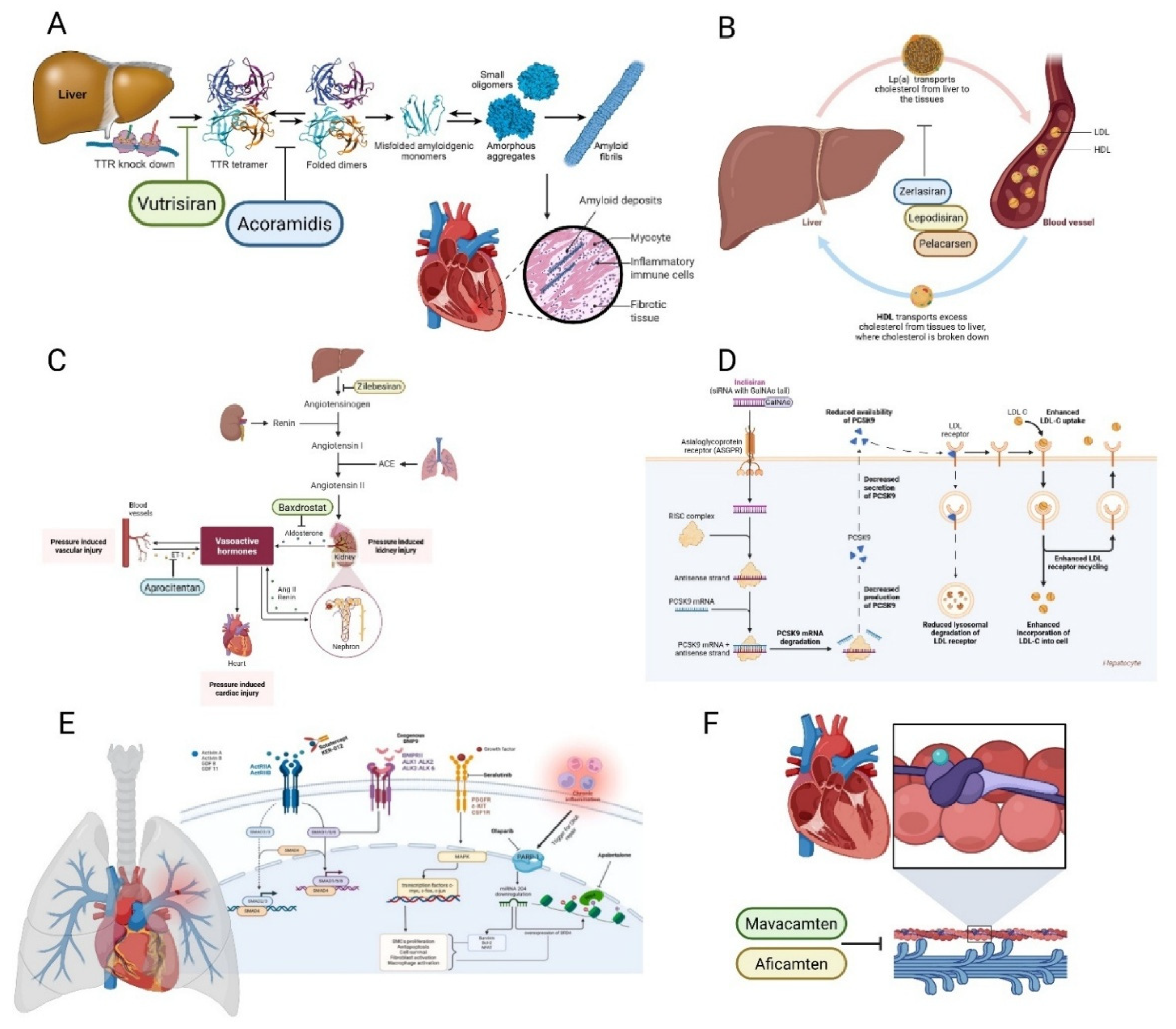
Figure 1. Emerging targeted therapies in cardiovascular and systemic cardiometabolic diseases. (A) Therapeutic strategies for transthyretin amyloid cardiomyopathy (ATTR-CM), including gene silencers (vutrisiran) and stabilizers (acoramidis), which prevent misfolding and deposition of amyloid fibrils in myocardial tissue. (B) Agents targeting lipoprotein(a) metabolism—such as pelacarsen, lepodisiran, and zerlasiran—reduce hepatic production and circulating Lp(a), thereby lowering residual cardiovascular risk. (C) Novel antihypertensive approaches including zilebesiran (an siRNA targeting angiotensinogen), aprocitentan (dual endothelin A/B receptor antagonist), and baxdrostat (aldosterone synthase inhibitor), aimed at upstream modulation of the renin–angiotensin–aldosterone system and vascular injury pathways. (D) Mechanism of PCSK9 inhibition via monoclonal antibodies or siRNA, leading to reduced PCSK9 expression, enhanced LDL receptor recycling, and lowered LDL-cholesterol levels. (E) Pathophysiological mechanisms and therapeutic targets in pulmonary arterial hypertension (PAH), including modulation of BMPR2/TGF-β signaling and restoration of endothelial balance with agents such as sotatercept. (F) Cardiac myosin inhibitors, such as mavacamten and aficamten, targeting sarcomeric hypercontractility in hypertrophic cardiomyopathy by reducing excessive actin–myosin cross-bridge formation.
Preprints 188906 g001
Figure 2. Clinical guide for current and emerging cardiovascular pharmacotherapies: a roadmap for future implementation.
Preprints 188906 g002
Figure 3. Emerging RNA-based and disease-modifying therapies in cardiovascular pharmacology. Illustration of major therapeutic innovations transforming cardiovascular care. Antisense oligonucleotide (ASO) and small interfering RNA (siRNA) therapies (e.g., pelacarsen, lepodisiran) target lipoprotein(a) [Lp(a)] to reduce residual atherosclerotic risk. Hepatic angiotensinogen silencing with zilebesiran provides sustained renin–angiotensin–aldosterone system (RAAS) blockade. In transthyretin amyloid cardiomyopathy (ATTR-CM), stabilizers (acoramidis) and silencers (vutrisiran, eplontersen) lower mortality and hospitalization rates. Sotatercept, an activin receptor type IIA-Fc fusion protein, modifies pulmonary arterial hypertension (PAH) by correcting dysregulated TGF-β signaling. Collectively, these approaches herald a shift toward precision, disease-modifying cardiovascular therapy.
Preprints 188906 g003
Table 1. Comprehensive overview of recent therapeutic advances in cardiovascular pharmacology.
Therapeutic Area Drug/Agent Mechanism of Action Key Clinical Findings FDA Status/Timeline
Transthyretin Amyloid Cardiomyopathy (ATTR-CM) Acoramidis (Attruby™) Near-complete TTR stabilizer preventing misfolding and amyloid fibril deposition ATTRibute-CM: Significant reductions in CV death and CV hospitalizations; sustained improvements in functional capacity (6MWD) and quality of life FDA approved late 2024 for wild-type and hereditary ATTR-CM
Vutrisiran (Amvuttra™) Subcutaneous siRNA suppressing hepatic TTR mRNA production (>80% reduction) HELIOS-B: Clinically meaningful reductions in all-cause and CV mortality, fewer hospitalizations vs placebo; quarterly dosing FDA indication expanded 2025 to include ATTR-CM
Lipoprotein(a) Targeting Lepodisiran Small interfering RNA (siRNA) targeting apolipoprotein(a) mRNA ALPINE trial: ~94% sustained Lp(a) reduction at 6 months; well-tolerated with infrequent (quarterly to biannual) dosing Phase 2 completed; Phase 3 ongoing
Pelacarsen Antisense oligonucleotide (ASO) targeting apolipoprotein(a) Lp(a)HORIZON Phase 3 outcomes trial evaluating MACE reduction in patients with elevated Lp(a) and established CVD Phase 3 ongoing (>7,000 patients enrolled)
RNA-Based Lipid Therapies Inclisiran (Leqvio®) siRNA targeting hepatic PCSK9 mRNA; induces sustained gene silencing via RNA interference pathway ORION-10/11: 50-52% LDL-C reduction sustained with twice-yearly dosing; ORION-3: benefit maintained 4+ years; no immune-mediated reactions FDA approved 2021; 2024 label update as potential first-line monotherapy
Olezarsen (Tryngolza™) ASO targeting apolipoprotein C-III (apoC-III) to enhance triglyceride clearance BALANCE trial: 50-70% triglyceride reduction; prevents recurrent pancreatitis in familial chylomicronemia syndrome FDA approved 2024 for FCS
Evinacumab (Evkeeza™) Monoclonal antibody inhibiting angiopoietin-like 3 (ANGPTL3) Reductions in LDL-C, triglycerides, and Lp(a) in refractory homozygous familial hypercholesterolemia FDA approved for homozygous FH
Gene Editing VERVE-101 CRISPR base editor targeting hepatic PCSK9 gene; delivered via GalNAc-LNP for permanent gene modification First-in-human trial (Phase 1b): Single-dose administration; preliminary evidence of PCSK9 reduction and LDL-C lowering in heterozygous FH Phase 1b ongoing; first patient dosed 2022
Resistant Hypertension Zilebesiran siRNA targeting hepatic angiotensinogen mRNA; upstream RAAS modulation KARDIA-1: Sustained BP reductions (10-15 mmHg SBP) with quarterly or biannual dosing; benefits maintained 6+ months Phase 2 completed; Phase 3 in development
Baxdrostat Highly selective aldosterone synthase (CYP11B2) inhibitor BaxHTN Phase 3: 9-10 mmHg placebo-adjusted SBP reduction; 36% achieved target BP goal vs 18% placebo; favorable safety Phase 3 completed 2024; regulatory submissions expected 2025
Aprocitentan (Tryvio™) Dual endothelin A/B receptor antagonist PRECISION trial: 8 mmHg SBP reduction in resistant hypertension; well-tolerated FDA approved 2024
Anti-Inflammatory Therapy Canakinumab (Ilaris™) Monoclonal antibody targeting interleukin-1β (IL-1β); selectively inhibits inflammatory pathway CANTOS: 15% reduction in CV death/MI/stroke (150mg dose); 25% MACE reduction in hsCRP <2 mg/L responders; validates inflammatory hypothesis Not approved for CV indication (cost/infection concerns)
Colchicine (generic) Microtubule polymerization inhibitor; disrupts neutrophil chemotaxis and NLRP3 inflammasome activation COLCOT: 23% MACE reduction post-MI; LoDoCo2: 31% reduction in CV death/MI/stroke/revascularization in chronic CAD; inexpensive, oral FDA approved for gout/pericarditis; used off-label for CV prevention
Heart Failure Vericiguat (Verquvo™) Oral soluble guanylate cyclase (sGC) stimulator; restores NO-cGMP signaling independent of nitric oxide VICTORIA: 10% reduction in CV death/HF hospitalization in high-risk HFrEF with recent decompensation; greatest benefit with NT-proBNP >4,000 FDA approved 2021 as add-on therapy for chronic HFrEF
Sacubitril-valsartan (Entresto™) Angiotensin receptor-neprilysin inhibitor (ARNI); dual natriuretic peptide enhancement + angiotensin blockade PARADIGM-HF: 20% reduction in CV death/HF hospitalization vs enalapril in HFrEF; evolution from omapatrilat avoiding angioedema FDA approved; guideline-recommended first-line for HFrEF
SGLT2 Inhibitors (dapagliflozin, empagliflozin) Sodium-glucose cotransporter-2 inhibition; mechanisms include osmotic diuresis, metabolic shift, anti-fibrotic effects Meta-analyses: 25-30% reduction in HF hospitalization across HFrEF and HFpEF; 12-14% CV death reduction; benefits within 30 days regardless of diabetes FDA approved for HFrEF and HFpEF regardless of diabetes status
Baroreflex Activation Therapy (BAT) Implantable device delivering electrical stimulation to carotid baroreceptors; restores autonomic balance BeAT-HF: Improved quality of life, 6-minute walk distance, and NT-proBNP in advanced HFrEF with persistent symptoms despite GDMT Investigational device; ongoing trials
Pulmonary Arterial Hypertension Sotatercept (Winrevair™) Activin receptor type IIA-Fc fusion protein; modulates TGF-β superfamily to promote vascular remodeling reversal STELLAR: 40.8m improved 6MWD at 24 weeks; 84% reduction in clinical worsening events; first disease-modifying therapy targeting vascular remodeling FDA approved March 2024 as add-on therapy for WHO Group 1 PAH
Cardiometabolic/Obesity Semaglutide (Wegovy™) GLP-1 receptor agonist; pleiotropic CV effects beyond glucose/weight control SELECT: 20% relative MACE reduction (HR 0.80) in overweight/obesity without diabetes; first weight-loss medication with CV risk reduction indication FDA indication 2024 for CV risk reduction
Tirzepatide (Zepbound™) Dual GLP-1/GIP receptor agonist Superior weight loss vs semaglutide (~22% at 72 weeks); CV outcomes trial (SURPASS-CVOT) ongoing FDA approved for obesity; CV indication pending
Hypertrophic Cardiomyopathy Mavacamten (Camzyos™) First-in-class cardiac myosin inhibitor; reduces hypercontractility underlying LVOT obstruction EXPLORER-HCM: Improved exercise capacity, NYHA class, LVOT gradient; first pharmacologic alternative to septal reduction therapy FDA approved 2022 for symptomatic obstructive HCM
Aficamten Next-generation cardiac myosin inhibitor; shorter half-life allows faster dose titration SEQUOIA-HCM Phase 3: Improved LVOT gradients, exercise capacity, symptom burden; potentially favorable PK profile vs mavacamten Under FDA review; approval anticipated 2025
Disclaimer/Publisher’s Note: The statements, opinions and data contained in all publications are solely those of the individual author(s) and contributor(s) and not of MDPI and/or the editor(s). MDPI and/or the editor(s) disclaim responsibility for any injury to people or property resulting from any ideas, methods, instructions or products referred to in the content.
Copyright: This open access article is published under a Creative Commons CC BY 4.0 license, which permit the free download, distribution, and reuse, provided that the author and preprint are cited in any reuse.
Prerpints.org logo

Preprints.org is a free preprint server supported by MDPI in Basel, Switzerland.

Subscribe

Disclaimer

Terms of Use

Privacy Policy

Privacy Settings

© 2025 MDPI (Basel, Switzerland) unless otherwise stated